
When driving in a tropical climate like Singapore, where intense sunlight and high humidity are constant challenges, choosing the right seat cushion material is essential for a comfortable journey. A high-quality cooling seat cushion can prevent the discomfort of hot seats and reduce sweating during daily commutes. However, not all materials manage heat and humidity in the same way.
Breathable mesh is the definitive winner for passive cooling performance. Its open-grid structure maximizes air circulation and minimizes physical contact with your body, allowing heat and moisture to dissipate rapidly.
Woven fabric occupies the middle ground. While it does not absorb radiant heat as aggressively as leather, its cooling efficiency depends heavily on the density of the weave and the type of fibers used.
Products mentioned in this guide
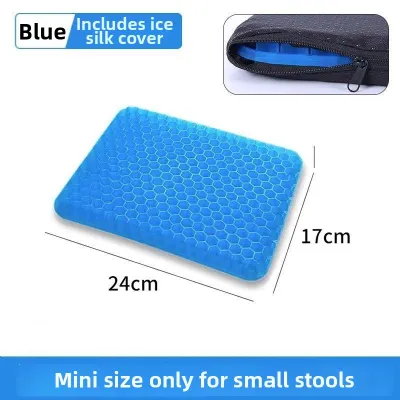
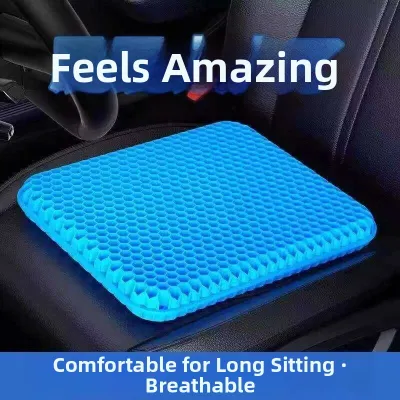
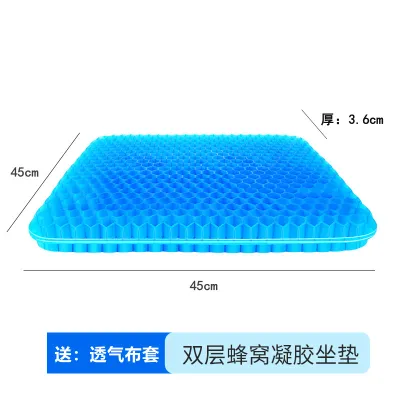
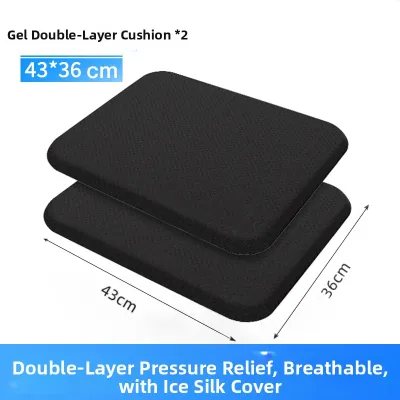
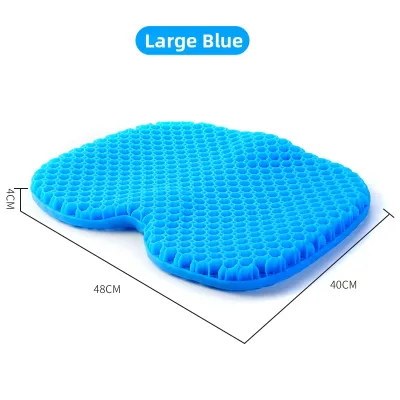
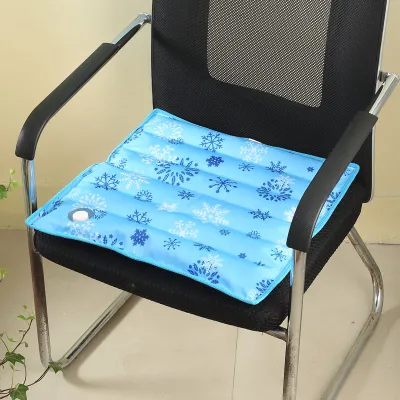
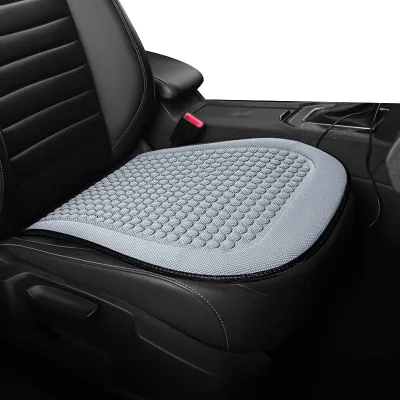
Prices are valid at publication and may change. Please refer to the product page for the latest price.
Leather, whether genuine or synthetic, is the least effective option for passive cooling. It acts as a thermal sponge, absorbing heat quickly and trapping moisture against your skin, which often results in a sticky, uncomfortable ride.
While active cooling cushions with built-in electric fans offer the most powerful heat relief, choosing the right passive material remains crucial. Understanding how mesh, fabric, and leather perform will help you select the best cushion for your driving needs.
How Leather, Fabric, and Mesh Handle Heat and Humidity
To understand why these materials perform so differently, we must examine how they interact with ambient temperature, radiant heat, and body moisture. In hot and humid environments, these thermal properties directly dictate your comfort behind the wheel.
Leather (Genuine and Synthetic)
Leather is highly valued for its premium appearance and durability, but its thermal properties are poorly suited for hot climates. It possesses high thermal conductivity and high thermal mass, meaning it absorbs heat rapidly from both direct sunlight and your body, retaining that heat for an extended period. When a vehicle is parked outdoors, leather seats can quickly reach temperatures that are uncomfortable or even painful to touch.
Furthermore, leather lacks natural porosity. Even high-end perforated leather seats offer limited airflow unless they are paired with an active ventilation system. Without active airflow, the solid barrier of leather traps body heat and sweat directly against your skin, preventing natural evaporative cooling.
There is also a distinct performance gap between genuine and synthetic leather, such as polyurethane (PU) or vinyl. Genuine leather has microscopic pores that provide a minimal degree of breathability, though still insufficient for passive cooling. Synthetic leather, however, is essentially a plastic sheet that completely blocks air and moisture, exacerbating sweating and creating a clammy interface within minutes of driving.
Fabric (Cotton, Polyester, and Blends)
Woven fabric seat cushions offer a neutral initial touch. Unlike leather, fabric does not absorb and store radiant heat to an extreme degree. When you first sit down in a car that has been parked in the sun, a fabric cushion will feel significantly cooler and more inviting than a leather one.
However, the long-term cooling performance of fabric depends heavily on the density of its weave and the fibers used. Loose, open weaves allow a moderate amount of air to circulate, helping to dissipate some body heat. Conversely, dense, tightly woven fabrics act as insulators, trapping warm air close to your body and gradually warming up during long drives.
Moisture management is another critical factor where fabric types diverge. Natural cotton fibers are highly absorbent; they soak up sweat quickly but dry very slowly, leaving you sitting on a damp, humid cushion. Synthetic fibers like polyester are engineered to wick moisture away from the skin, but if the weave is too tight, the trapped humidity can still create a clammy sensation in tropical environments.
Breathable Mesh
Breathable mesh is engineered specifically to combat heat and humidity through structural design. The primary advantage of mesh is its open, grid-like weave, which maximizes air circulation. Instead of trapping a layer of air between your body and the seat, mesh allows ambient air to flow freely, facilitating the natural evaporative cooling of your skin.
This material also significantly reduces the physical contact area between your body and the seat cushion. Because you are suspended over a network of thin, high-strength fibers rather than resting on a solid sheet of material, there is less surface area available for heat transfer. This structural suspension prevents the formation of hot spots and sweat patches.
In high-humidity environments, where sweat does not evaporate easily, the constant airflow provided by a mesh cushion is crucial. It ensures that any moisture generated by your body is quickly carried away by the cabin’s air conditioning system, keeping you dry and comfortable even during extended drives.
Durability, Maintenance, and Daily Comfort
While cooling performance is vital, a seat cushion must also withstand the rigors of daily use. Comparing how leather, fabric, and mesh handle wear, cleaning, and physical support reveals distinct trade-offs for each material.

Leather: Leather cushions are exceptionally durable and highly resistant to spills. If you spill coffee or water, you can simply wipe it clean with a damp cloth. However, leather requires regular maintenance to preserve its appearance. Without periodic conditioning and UV protection, exposure to intense sunlight can cause genuine and synthetic leather to dry out, fade, and crack. Additionally, leather surfaces can be slippery, offering less grip during sharp turns.
Fabric: Fabric cushions provide excellent physical comfort, offering a soft, cushioned feel and a secure grip that keeps you from sliding around. However, they are highly susceptible to staining and absorbing odors, such as sweat, food, or smoke. Cleaning fabric requires more effort, often necessitating regular vacuuming, spot treatments, or removing the cover for machine washing. Over time, high-friction areas on fabric cushions can also begin to pill or wear thin.
Mesh: Mesh is incredibly resilient and resistant to stretching or sagging, provided it is made from high-quality synthetic polymers like nylon or polyester. It is also very easy to clean; most mesh cushions can be shaken out, vacuumed, or even hosed down and air-dried in a matter of minutes. The trade-off lies in physical cushioning. Because mesh relies on tension for support, it may lack the plush, deep padding that some drivers prefer for long-distance comfort. Additionally, the rigid plastic frames or coarse edges of some mesh cushions can rub against your legs or wear down the underlying seat upholstery if not properly designed.
Safety and Fit: What to Check Before Buying
Before purchasing any aftermarket cooling seat cushion, you must prioritize vehicle safety. Modern car seats are highly engineered safety systems, and adding unapproved accessories can compromise their performance in an accident.
Side Airbag Compatibility: Many modern vehicles feature side-impact airbags integrated directly into the outer bolsters of the front seats. If you install a seat cover or cushion that wraps around the seat back, it can delay or completely block the deployment of these airbags during a collision. Always check the product packaging and labels for certified “airbag compatible” designs. Verify your vehicle’s owner manual to locate the exact deployment zones of your seat-mounted airbags before installation.
Secure Fit and Mounting: A loose or poorly secured seat cushion is a safety hazard. If the cushion slides or shifts when you enter the vehicle, turn sharply, or apply emergency braking, it can distract you or alter your driving position. Ensure the cushion features a robust, non-slip backing and secure anchor straps. These straps must be routed carefully so they do not interfere with the seat adjustment tracks, power seat motors, or seatbelt buckles.
Stop Condition: If a cooling seat cushion lacks clear safety labeling, does not explicitly state its compatibility with side airbags (if applicable), or conflicts with your vehicle manufacturer’s instructions, do not install it. Stop and consult the vehicle manufacturer or a qualified automotive professional to find a safe, compatible alternative.
Material Comparison at a Glance
To help you quickly evaluate your options, the table below summarizes the key characteristics of leather, fabric, and breathable mesh based on our qualitative analysis.
| Material | Heat Absorption | Breathability | Moisture Management | Maintenance Effort | Best Use Case |
|---|---|---|---|---|---|
| Leather | High | Poor | Poor | Medium (Requires conditioning) | Premium look, easy spill cleanup |
| Fabric | Medium | Medium | Medium | High (Prone to stains/odors) | Balanced comfort, soft cushioning |
| Mesh | Low | Excellent | Excellent | Low (Easy to clean/wash) | Maximum cooling, high-humidity relief |
How to Choose the Right Cooling Seat Cushion for Your Car
Selecting the ideal cooling seat cushion requires matching the material’s strengths to your specific driving habits, vehicle features, and comfort preferences. Use the following guidelines to make an informed decision.
Choose Breathable Mesh if: Your primary goal is maximum heat relief and sweat prevention. Mesh is the ultimate choice if you drive frequently during the hottest parts of the day, live in a highly humid climate, or find yourself sweating through your clothes on short commutes. It is ideal for drivers who prefer a firm, supportive seat and do not require plush, pillowy cushioning.
Choose Fabric if: You want a balanced solution that offers moderate cooling alongside traditional, soft comfort. Fabric is excellent if your car’s air conditioning system is highly effective and you simply want a barrier that does not get scorching hot in the sun. It is also the best choice if you prefer a classic, factory-like aesthetic and do not mind performing regular vacuuming or washing to keep the material clean.
Choose Leather if: You prioritize a luxurious interior appearance and effortless cleanup above passive cooling performance. Leather cushions are suitable if you frequently travel with pets or children where spills are common. However, if cooling is still a priority, you should look for leather cushions that feature active, built-in ventilation fans, as passive leather will not provide adequate heat relief on its own.
Verify First if: Your vehicle is already equipped with integrated seat heaters, occupant detection sensors, or active ventilation systems. Adding a thick cushion can block the heat transfer of seat heaters or interfere with passenger-side airbag sensors. Always ensure the cushion’s design is compatible with your specific seat features before finalizing your purchase.
Frequently Asked Questions (FAQ)
Do cooling gel seat cushions actually work?
Cooling gel seat cushions are popular, but they operate on specific physical principles that limit their long-term effectiveness. These cushions typically use a layer of polymer gel or phase-change material that has a high specific heat capacity. When you first sit down, the gel absorbs heat from your body, creating an immediate, noticeable cooling sensation.
However, this cooling effect is temporary. Because the gel is dense and lacks inherent airflow, it acts as a heat sink. Over time—usually within 20 to 30 minutes of continuous contact—the gel will reach thermal equilibrium with your body temperature. Once it matches your body heat, the cooling sensation stops, and the dense material can begin to trap heat and moisture, making you feel warmer than you would on a breathable mesh surface. Consequently, gel cushions are best suited for short commutes rather than long-distance driving where continuous heat relief is required.
Will a mesh seat cover damage my car's original leather seats?
A poorly designed mesh seat cover can potentially damage original leather upholstery over time. The structural integrity of mesh often relies on rigid plastic frames, coarse synthetic fibers, or heavy-duty elastic straps. As you drive, the natural movement of your body causes the mesh cover to rub against the leather beneath it. This friction, combined with any trapped dust, dirt, or grit, can act like sandpaper, gradually wearing away the leather’s protective topcoat and causing scuffs, scratches, or discoloration.
To prevent this damage, look for mesh cushions specifically designed with soft, padded borders, smooth fabric backings, or non-abrasive anti-slip materials on the underside. It is also highly recommended to periodically remove the cooling cushion to inspect the leather underneath. Clean both the leather seat and the underside of the cushion to remove any abrasive particles before reinstalling it.
Community discussion
Share your experience or ask a question. Comments are reviewed before publication.