
Choosing the right car seat protector cover depends on balancing your daily driving habits, your willingness to perform regular maintenance, and how well a material handles local environmental conditions. In tropical climates with high humidity and intense sunlight, your choice directly impacts both your physical comfort and the long-term condition of your vehicle’s interior. While one driver might prioritize absolute liquid defense against spilled drinks, another might value maximum airflow to prevent back sweat during long midday commutes. By evaluating the distinct characteristics of leather, fabric, and mesh, you can select a cover that preserves your original upholstery without compromising your daily driving experience.
Core Decision Factors for Car Seat Protectors
To find the ideal car seat protector cover, you must first analyze your typical driving routines and passenger profiles. If you frequently transport young children, pets, or damp sports gear, your primary concern will likely be robust barrier protection against spills, mud, and physical claw scratches. Conversely, solo commuters who primarily use their vehicles for office travel may prioritize aesthetic integration and physical comfort over heavy-duty waterproofing.
Climate plays a massive role in how these materials perform on a daily basis. In hot, humid tropical environments like Singapore, vehicles parked in open-air lots act as greenhouses, trapping immense heat that transfers directly to the seats. A material that retains heat can make entering your vehicle incredibly uncomfortable, while a highly breathable material can significantly reduce the load on your air conditioning system.
Products mentioned in this guide
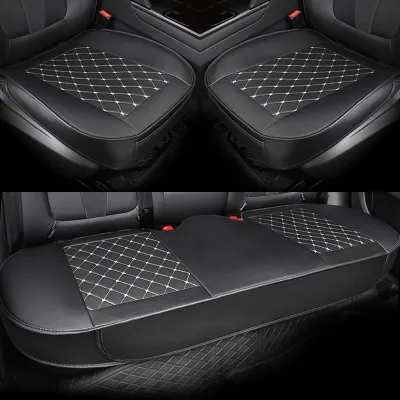
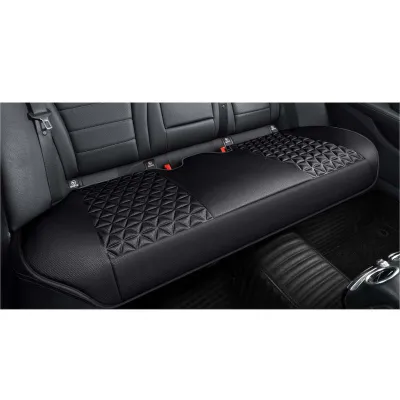
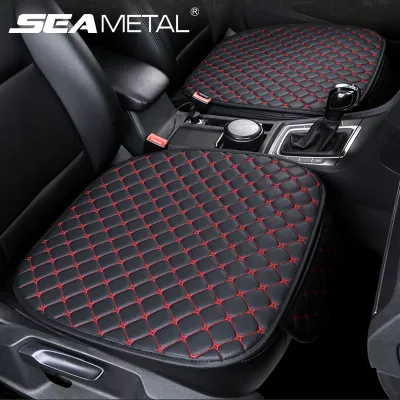
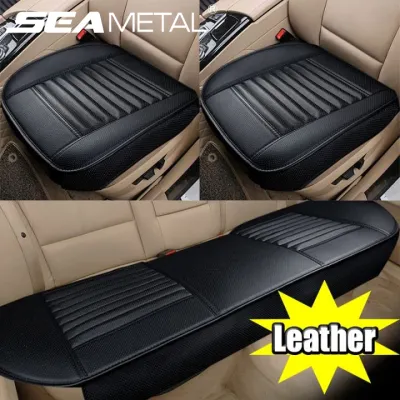
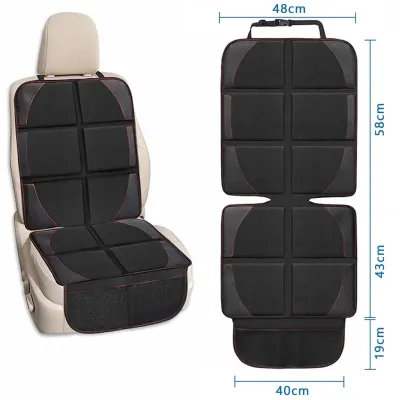
Prices are valid at publication and may change. Please refer to the product page for the latest price.
Finally, consider your personal maintenance willingness. Some materials require periodic conditioning with specialized products to prevent deterioration, while others can simply be wiped down with a damp cloth or tossed into a household washing machine. Choosing a high-maintenance material when you have a busy schedule often leads to premature wear and a degraded cabin appearance.
Leather and Faux Leather Seat Protectors
Leather and faux leather (often polyurethane or vinyl-based) seat protectors are highly favored for their premium appearance and exceptional liquid resistance. When a drink spills or mud is tracked onto a leather surface, the liquid pools on top rather than soaking into the cushion beneath. This allows for immediate, stress-free cleanup using a simple microfiber cloth, making it an excellent option for families or ride-share drivers who need to maintain a clean cabin with minimal downtime.

However, these materials present distinct challenges in hot and sunny climates. When exposed to direct sunlight through a windshield, leather and synthetic leather covers absorb thermal energy rapidly, reaching temperatures that can cause physical discomfort upon contact. Furthermore, because these materials do not breathe, they tend to trap body heat and perspiration against your skin, which can lead to a sticky, uncomfortable ride during humid afternoons.
Before purchasing, check product labels for material composition and UV-resistance ratings. Genuine leather requires regular conditioning to maintain flexibility, while synthetic alternatives may degrade if treated with incorrect chemicals. Inspect the backing material; low-quality synthetic covers often feature thin foam backings that crumble over time, leaving debris on your original seats.
Over extended periods, synthetic leather covers are susceptible to cracking or peeling along high-friction side bolsters. To prolong their lifespan, look for covers with reinforced seams and UV-inhibiting topcoats. Replace the cover promptly if the surface begins to flake, preventing the rough backing from abrading your vehicle’s original upholstery.
Fabric Seat Protectors
Fabric seat protectors, typically constructed from woven polyester, canvas, or neoprene, offer a highly practical and comfortable alternative for everyday drivers. Unlike leather, fabric does not become excessively hot when parked in the sun, providing a temperature-neutral surface that is comfortable to sit on immediately. This makes fabric an excellent choice for drivers who prioritize a soft, cozy seating surface that feels familiar and accommodating.
Many modern fabric covers feature specialized stain-resistant treatments applied during manufacturing. When shopping, verify these claims by checking the product tags for specific care instructions, such as whether the cover is machine-washable or requires spot-cleaning with mild detergents. Machine-washable fabric covers offer a level of deep-cleaning convenience that leather cannot match, allowing you to easily remove accumulated sweat, dust, and pet dander.
The primary trade-off with fabric is its inherent vulnerability to liquid spills and deep-set odors. Unless treated with a highly durable waterproof backing, liquids can quickly seep through the fabric weave and penetrate the original seat foam below, leading to mold growth or persistent odors. Additionally, fabric fibers tend to trap pet hair, dust mites, and food crumbs, requiring regular vacuuming to keep the cabin hygienic.
Breathable Mesh Seat Protectors
Breathable mesh seat protectors are engineered specifically to maximize airflow between your body and the seat structure. Utilizing a porous, open-weave design—often referred to as 3D spacer mesh—these covers create a physical gap that allows air to circulate freely. This continuous ventilation is incredibly effective at reducing back sweat and keeping you cool during long drives in hot, humid conditions, making it a popular choice for delivery drivers and daily commuters.
Despite their superior cooling performance, mesh covers have notable limitations when it comes to overall protection. Because of their open-weave construction, they offer virtually zero protection against liquid spills, which pass directly through the holes onto your original upholstery. Furthermore, fine particles like dust, sand, and food crumbs can easily settle into the mesh pores, making them difficult to extract without a high-powered vacuum cleaner or thorough washing.
Another consideration is the physical durability of the mesh itself. Sharp objects, such as keys, pocket rivets, or pet claws, can easily snag the delicate loops of the mesh, leading to unsightly runs or tears. When evaluating a mesh cover, check the structural support and cushioning layers beneath the mesh surface. A quality cover should feature a resilient inner core that maintains its shape under your body weight, ensuring the airflow channels do not collapse during extended use.
Material Comparison Matrix
To help you synthesize these details, the following matrix compares the three primary seat protector materials across key practical dimensions. Keep in mind that individual product performance can vary based on specific manufacturer treatments, material thickness, and backing designs.
| Material Type | Spill Protection | Breathability & Cooling | Maintenance Effort | Ideal User Profile |
|---|---|---|---|---|
| Leather / Faux Leather | High (Wipe-clean barrier) | Low (Retains heat) | Moderate (Requires conditioning/wiping) | Families, ride-share drivers, pet owners |
| Fabric | Moderate (Depends on treatment) | Moderate (Temperature neutral) | High (Requires vacuuming/washing) | Daily commuters, budget-conscious drivers |
| Breathable Mesh | Low (Porous structure) | High (Maximum airflow) | Moderate (Requires vacuuming/washing) | Long-distance drivers, warm-climate commuters |
When reviewing options on an online marketplace or at a local automotive shop, always refer to the specific product specifications rather than relying solely on these general material categories. A heavy-duty canvas fabric cover will perform very differently from a lightweight polyester knit, just as a premium marine-grade vinyl will outlast a basic synthetic leather.
Verifying Fit, Safety, and Installation
Regardless of the material you choose, safety must remain your absolute priority when installing any aftermarket car seat protector cover. Modern vehicle seats are highly complex systems integrated with safety features that can be severely compromised by an improperly fitted cover. Most importantly, you must verify side-airbag compatibility. If your vehicle has seat-mounted side airbags, the cover must feature certified, open-sided designs or specialized, low-tension deployment seams that allow the airbag to inflate instantly in an emergency. Look for clear, official certification labels on the product packaging before purchasing.
Additionally, ensure that the cover does not obstruct critical safety components or seat controls. The protector must have precise cutouts or flexible openings that leave seatbelt buckles, ISOFIX child seat anchors, and seat adjustment levers completely free and accessible. A cover that bunches up or shifts during entry and exit can block access to a seatbelt receiver or interfere with the smooth operation of power seat motors, creating both convenience and safety hazards.
Before beginning the installation, thoroughly consult your vehicle owner’s manual for any specific warnings regarding seat covers. Some manufacturers explicitly prohibit the use of aftermarket covers due to sensitive occupant-detection sensors embedded in the passenger seat cushion. If you encounter any resistance during installation, if the straps strain against under-seat electrical wiring, or if the cover interferes with any original seat functions, stop immediately and consult a qualified automotive professional or the vehicle manufacturer.
Frequently Asked Questions (FAQ)
Can I use a fabric or mesh seat protector over heated or ventilated seats?
You must check the seat cover’s product label and specifications to verify compatibility with heated or ventilated seats. Some materials can insulate the seat too effectively, trapping thermal energy and potentially damaging the internal heating elements or causing the system to overheat. For ventilated seats, a solid leather or heavy fabric cover will completely block the airflow, rendering the feature useless; a highly porous mesh cover is typically required to allow the air to pass through. If you notice any unusual heat buildup, smell a burning odor, or see dashboard warning lights after installation, stop using the cover immediately and consult your vehicle manufacturer.
How do I clean liquid spills on different seat protector materials?
The correct cleaning method depends entirely on the material’s physical properties. For leather and faux leather, immediately blot the spill with a clean microfiber cloth and apply a manufacturer-approved leather cleaner to protect the surface finish; avoid harsh household detergents that can strip away protective oils. For fabric and mesh, blot the spill gently rather than rubbing, as rubbing can push the liquid deeper into the woven fibers and the seat foam below. If the fabric cover is labeled as machine-washable, remove it carefully to avoid spilling any trapped debris and wash it according to the manufacturer’s temperature and cycle instructions.
Do universal-fit seat protectors offer the same protection as custom-fit ones?
Universal-fit seat protectors are designed to fit a wide range of vehicle shapes, which often results in loose areas, wrinkles, or gaps where the cover does not hug the seat contours. These gaps allow liquid spills, dirt, and food crumbs to slide underneath the cover, potentially staining the original upholstery you are trying to protect. Furthermore, the generic straps, hooks, and elastic bands used to secure universal covers can shift over time, potentially tangling with under-seat wiring harnesses, seat adjustment motors, or airbag sensors. Custom-fit covers, while generally requiring a higher investment, are tailored to your specific vehicle model and year, ensuring complete coverage and secure mounting that does not interfere with safety systems.

Community discussion
Share your experience or ask a question. Comments are reviewed before publication.