
Upgrading your driving experience often starts with the surfaces you touch every day, and choosing the right car seat pad is one of the most effective ways to enhance your daily commute. Whether you are navigating the heavy traffic of the Central Expressway (CTE) or embarking on a weekend drive across the island, the material beneath you directly impacts your comfort, fatigue levels, and overall driving pleasure. With Singapore’s persistent tropical heat and high humidity, selecting a material that can handle both environmental demands and daily wear is crucial.
The market primarily offers three distinct material options: leather (including synthetic alternatives), fabric, and breathable mesh. Each material addresses different driving realities, from the parent dealing with frequent juice spills to the private-hire driver spending twelve hours a day behind the wheel. To make an informed decision, you must evaluate how each material performs under the sun, how much effort it requires to maintain, and how it aligns with your vehicle’s safety systems.
Understanding these key differences ensures you do not end up with a seat pad that becomes uncomfortably hot, difficult to clean, or prone to sliding. By analyzing the unique properties of leather, fabric, and mesh, you can select an option that fits your lifestyle, budget, and aesthetic preferences perfectly.
Products mentioned in this guide
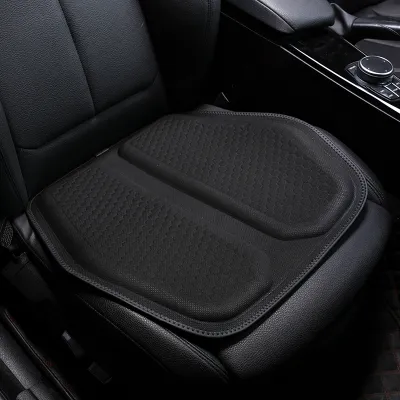
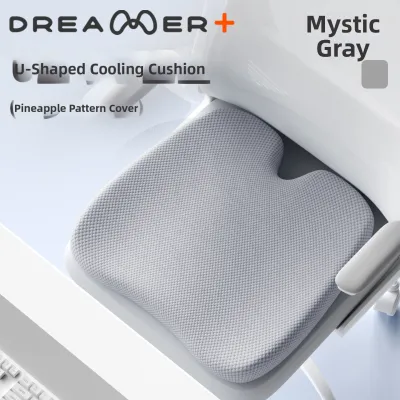
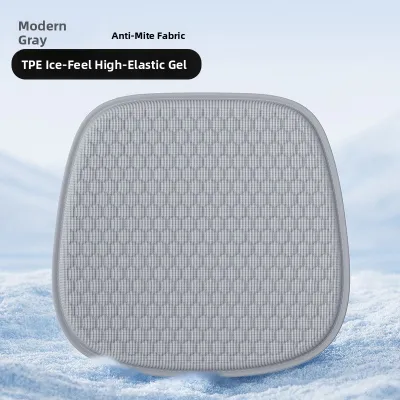
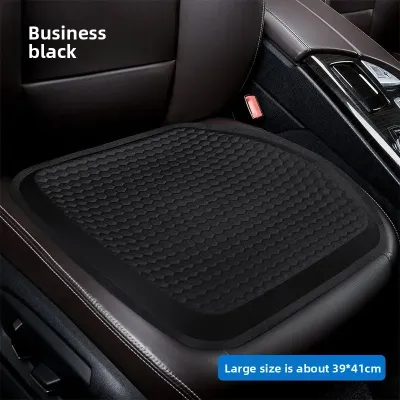
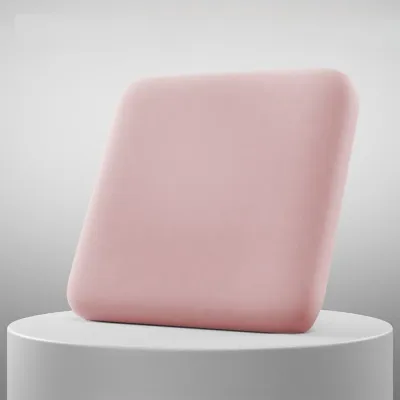
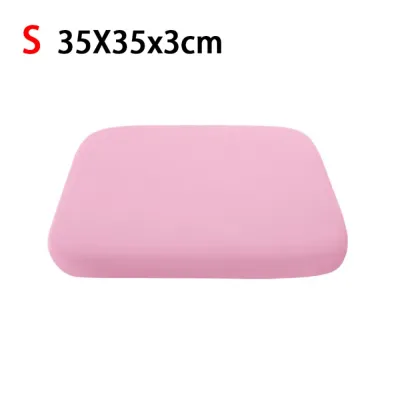
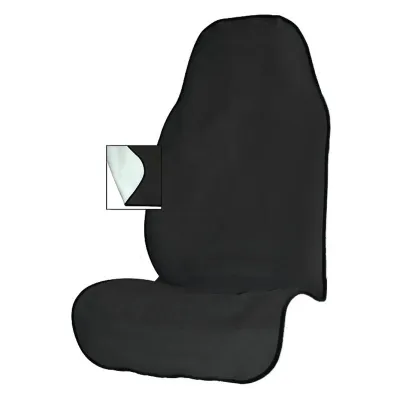

Prices are valid at publication and may change. Please refer to the product page for the latest price.
Quick Comparison: Core Traits of Different Car Seat Pad Materials
To help you narrow down your choices, it is helpful to look at how these three popular materials stack up against each other across several key performance areas. Each material has a clear trade-off, meaning the ideal choice depends entirely on what you prioritize most for your cabin.
| Material Type | Primary Benefit | Climate Comfort in Singapore | Spill & Stain Resistance | Maintenance Effort |
|---|---|---|---|---|
| Leather / PU | Premium look & wipe-clean convenience | Absorbs heat quickly; can feel sticky | High (liquids pool on surface) | Low (simple wipe down) |
| Fabric / Cloth | Soft, cushioned, and temperature-stable | Neutral; does not get scorching hot | Low (absorbs liquids and sweat) | Moderate (requires vacuuming & washing) |
| Mesh / 3D Spacer | Maximum airflow and ventilation | Excellent; actively prevents back sweat | Low (debris falls through weave) | Low to Moderate (requires shaking out) |
While a premium leather pad offers an upscale look that is incredibly easy to clean, it may not be the most comfortable option if your car is frequently parked in unsheltered open-air lots. Conversely, while mesh provides unmatched cooling performance during long afternoon drives, it lacks the plush, luxurious cushioning of thick fabric or padded leather. Fabric sits comfortably in the middle, offering a soft and temperature-stable surface, though it requires prompt attention when spills occur to prevent permanent staining.
Leather Car Seat Pads: Easy Cleaning and Premium Aesthetics
Leather and high-quality synthetic leather (such as polyurethane or PU leather) car seat pads are highly favored by drivers who want to maintain or upgrade the premium look of their vehicle’s cabin. These pads match well with existing leather upholstery, providing a seamless appearance that elevates the overall interior design. Beyond aesthetics, the smooth texture of leather offers a classic, structured feel that many drivers associate with high-end automotive comfort.

However, the tropical climate of Singapore presents a distinct challenge for leather accessories. Leather is highly efficient at absorbing and retaining ambient heat. If your car is parked under direct sunlight at an open-air carpark or an unsheltered industrial estate, the surface of a leather pad can reach scorching temperatures. Upon entering the vehicle, you will likely experience the “hot seat” effect, and the non-porous nature of the material can cause your skin to feel sticky and sweaty against the pad until the air conditioning fully cools the cabin.
In terms of durability and daily maintenance, leather excels at resisting liquid spills. If you or your passengers spill coffee, soft drinks, or water, the liquid will pool on the surface rather than soaking into the cushion. This allows you to simply wipe the mess away with a microfiber cloth, preventing lingering smells or deep-seated stains. On the other hand, leather is relatively vulnerable to physical damage; sharp objects such as keys, pocket rivets, or pet claws can easily scratch or puncture the surface, leaving permanent marks.
Caring for leather seat pads requires specific attention to maintain the material’s pliability and finish. You should regularly wipe the pad with a damp cloth to remove surface dust and body oils. To prevent the material from cracking or fading over time due to UV exposure, apply a dedicated leather conditioner every few months. Describe and use cleaners, fluids, and care products only for their label-authorized uses; remember that a generic material name does not prove a cleaner is safe for your specific leather, plastics, or underlying electronic sensors. Avoid using harsh household detergents, multi-purpose chemical sprays, or alcohol-based wipes, as these can strip away the protective topcoat of the leather and cause premature peeling.
This material is the ideal match for drivers who prioritize a clean, upscale cabin and frequently transport young children or pets where spills are a constant risk. It is also well-suited for those who primarily park in shaded or basement corporate carparks, mitigating the heat absorption issues associated with outdoor parking.
Fabric Car Seat Pads: Temperature-Neutral Comfort and Softness
Fabric car seat pads, typically constructed from woven polyester, cotton blends, or soft velour, are designed with physical comfort and coziness in mind. The primary appeal of fabric lies in its soft, inviting texture, which provides a gentle cushioning effect that contours naturally to your body. For drivers who find leather too firm or mesh too stiff, fabric offers a familiar, home-like comfort that makes long hours in traffic much more bearable.
One of the greatest advantages of fabric in a hot climate is its temperature neutrality. Unlike leather, fabric does not absorb heat intensely when exposed to sunlight, nor does it retain heat for long periods. When you step into a car that has been sitting in the sun, a fabric pad will feel relatively neutral to the touch, sparing you from the initial discomfort of a hot seat. Furthermore, fabric allows for a modest amount of natural breathability, preventing that immediate sticky sensation against your skin.
Despite these comfort benefits, fabric pads demand more vigilance when it comes to cleanliness and hygiene. The porous nature of woven fabric means it acts like a sponge for liquids, sweat, body oils, and odors. If you frequently drive home after an intense workout or a run at East Coast Park, the pad will absorb your sweat, which can lead to bacterial growth and musty odors over time. Spilled drinks will quickly soak deep into the fibers, requiring immediate spot treatment to prevent permanent stains.
To keep a fabric seat pad in good condition, regular maintenance is necessary. You should vacuum the pad weekly to remove dust, hair, and dry crumbs that settle into the weave. For deeper cleans, use a specialized automotive fabric foam cleaner, applying it according to the product label instructions and scrubbing gently with a soft brush. It is critical to avoid saturating the pad with water, as excess moisture can seep through to the original car seat underneath, potentially damaging electronic seat sensors or integrated heating elements.
Fabric seat pads are best suited for daily commuters who prioritize a soft, cushioned ride and prefer a material that remains comfortable to sit on regardless of how long the car has been parked in the sun. They are highly practical for drivers who do not regularly carry messy cargo, pets, or young children, allowing the material to remain clean with standard, low-effort upkeep.
Mesh Car Seat Pads: Maximum Airflow for Hot Climates
Mesh car seat pads are engineered specifically to combat the challenges of driving in hot, humid environments. Usually constructed from a 3D spacer fabric or a structured nylon weave, these pads feature an open-work design that prioritizes ventilation above all else. By creating a physical, elevated gap between your back and the solid surface of the car seat, mesh pads allow air to circulate freely behind you, drastically reducing heat buildup.
The primary comfort benefit of a mesh pad is its ability to prevent back sweat. During long drives in the middle of the day, standard seats trap body heat and moisture, leading to damp shirts and general discomfort. A mesh pad facilitates constant airflow, allowing your vehicle’s air conditioning system to cool the space behind your body. However, because these pads focus heavily on airflow, they tend to use firmer, springier structural materials, meaning they do not offer the plush, sinking softness of a thick foam or fabric pad.
While mesh is highly durable against stretching and compression, its open-weave design presents unique maintenance challenges. Small particles like food crumbs, dust, sand, and pet hair can easily fall through the mesh openings, settling on the original seat fabric underneath. Additionally, the woven strands of a mesh pad can occasionally snag on sharp objects, such as open zippers, velcro straps on clothing, or keychains, which can fray the fibers over time.
Cleaning a mesh seat pad is relatively straightforward but requires a gentle touch. You should remove the pad from the vehicle regularly to shake out any trapped debris and vacuum the original seat surface below. For surface dirt, a gentle wipe with a damp cloth and a mild soap solution is usually sufficient. Avoid using stiff-bristled scrub brushes or high-pressure water sprays, as aggressive cleaning can distort the tension of the mesh weave, reducing its structural support and ventilation efficiency.
Mesh seat pads are the ultimate choice for drivers who struggle with heat discomfort, private-hire or taxi drivers who spend extended hours on the road, and owners of older vehicles with less powerful air conditioning systems. If your vehicle does not feature built-in ventilated seats, a high-quality mesh pad is the most effective aftermarket solution to keep you cool and dry.
How to Choose the Right Material for Your Driving Needs
Selecting the right car seat pad requires a realistic assessment of your daily driving environment, passenger habits, and personal comfort priorities. Because each material serves a distinct purpose, matching the pad to your specific lifestyle ensures you get the most value and comfort out of your purchase.
Evaluate Your Parking and Climate Realities The way you park your car daily should heavily influence your material choice. If you park your vehicle in open-air lots where it is exposed to the midday sun, a mesh or fabric pad will prevent the interior from becoming unbearably hot. However, if you primarily use sheltered multi-storey carparks or basement office parking, the heat retention of leather becomes a minor issue, allowing you to enjoy its premium aesthetics without the drawback of extreme surface temperatures. Utilizing high-quality front windshield sunshades can also help keep leather pads at a manageable temperature.
Consider Your Passenger Mix and Daily Activities Think about who else rides in your car and what activities you engage in regularly. If you have young children who eat in the back seat, or if you frequently transport pets, the wipe-clean nature of leather is almost mandatory to protect your car’s resale value. On the other hand, if you are a solo commuter who drives long distances across the island for work, the active cooling of a mesh pad will do more to reduce driving fatigue than the luxury of leather or the softness of fabric.
Balance Aesthetics Against Practical Maintenance While it is tempting to choose a pad based solely on how well it matches your car’s interior, you must balance aesthetics with the amount of time you are willing to spend on upkeep. Leather looks sophisticated but requires periodic conditioning to prevent cracking. Fabric offers a cozy, low-key look but demands immediate attention when dirty. Mesh looks highly functional and sporty but requires you to clean the seat surface underneath more frequently. Choose the material whose maintenance routine fits naturally into your existing car care habits.
Crucial Safety Checks and Care Instructions
Before purchasing or installing any aftermarket car seat pad, you must address several safety and operational considerations. Modifying your seating surface can impact how your vehicle’s safety systems perform in an emergency, making careful verification essential.
Verify Compatibility and Fitment for Your Specific Vehicle Model Before finalizing any purchase, you must verify that the seat pad is compatible with your specific vehicle make, model, and production year. Never assume a product will fit perfectly simply because it is labeled as a “universal car seat pad.” Check the manufacturer’s product documentation for exact dimensions, mounting positions, and interface designs. Ensure that the installation of the pad does not interfere with seatbelt buckles, power seat adjustment controls, or road-legality requirements. If the product instructions are unclear or if you are unsure whether the pad is compatible with your vehicle’s specific seat design, consult the manufacturer or a qualified automotive professional before proceeding.
Ensure Side-Impact Airbag Compatibility Many modern vehicles are equipped with side-impact airbags integrated directly into the outer bolsters of the front seats. Installing a seat pad or cover that wraps around the sides of the seat can dangerously delay or completely block the deployment of these airbags during a collision. Before buying, you must verify that the product documentation explicitly states it is airbag-compatible. Look for specialized breakaway stitching, open-sided designs, or certified safety labels that guarantee the pad will not interfere with your vehicle’s safety restraint systems.
Verify Secure Fitment to Prevent Slipping A seat pad that shifts or slides while you are driving is a serious safety hazard. If a pad slips forward during sudden braking, it can distract you, alter your seating posture, or even slide down and interfere with the operation of the accelerator and brake pedals. Ensure the pad you choose features robust, adjustable anchoring systems, such as durable straps, metal hooks, or a high-friction, non-slip backing material. After installation, test the pad by shifting your weight around to confirm it remains firmly locked in place.
Adhere to Cleaning Boundaries and Material Safety When maintaining your seat pad, always prioritize the manufacturer’s care instructions. Describe and use cleaners, fluids, and care products only for their label-authorized uses; remember that a generic material name does not prove a cleaner is safe for your specific leather, fabric, plastics, or underlying electronic sensors. Before applying any specialized chemical cleaner, perform a spot test on a small, hidden area of the pad to ensure it does not cause discoloration or damage the material. Never saturate the pad with water or use heavy steam cleaners; excess moisture can easily seep through the pad and penetrate the original car seat’s foam core. This trapped moisture can ruin internal seat heating elements, cooling fans, or the electronic weight sensors used to detect passenger occupancy for airbag deployment. If your seat pad instructions conflict with your vehicle’s manual, or if you are unsure about the materials involved, consult a professional automotive detailer.
Community discussion
Share your experience or ask a question. Comments are reviewed before publication.