
Choosing the right car seat filler depends entirely on whether you are trying to stop keys from slipping down the console gap, add ergonomic support to your daily commute, or protect your upholstery from wear and tear. In a warm, humid climate like Singapore, where cabin temperatures can rise rapidly when parked in the open, your choice of material—whether leather, fabric, or mesh—directly impacts your daily driving comfort. There is no single option that suits every driver, as each material presents distinct trade-offs in breathability, maintenance, and durability. By understanding how these materials perform under daily use, you can select an accessory that integrates seamlessly with your vehicle’s interior and safety features.
Clarifying "Car Seat Fillers": Gap Fillers, Cushions, or Covers?
Before comparing materials, it is essential to clarify what product type you actually need, as the term “car seat filler” is used to describe three completely different interior accessories.
First, console gap fillers are long, flexible inserts designed to block the narrow space between your front seats and the center console. Their primary function is to prevent small items like smartphones, coins, and parking cards from falling into hard-to-reach areas. These are typically made of dense foam wrapped in leather, synthetic leather, or fabric.
Products mentioned in this guide
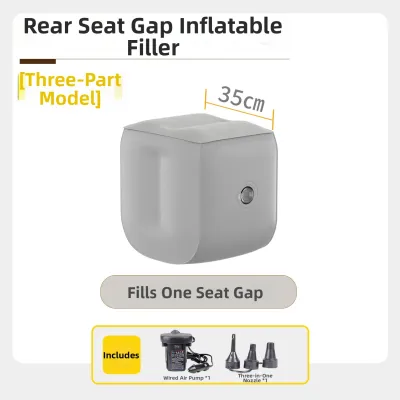
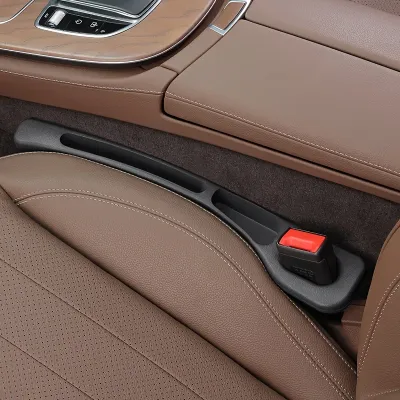
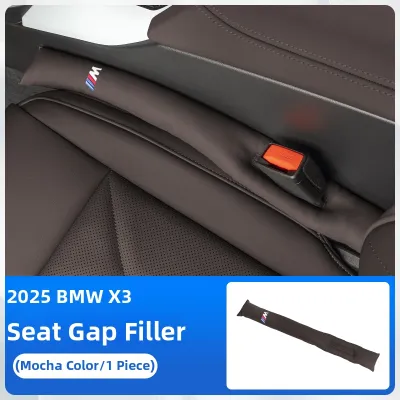
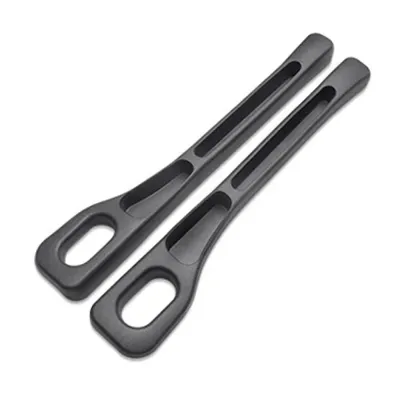
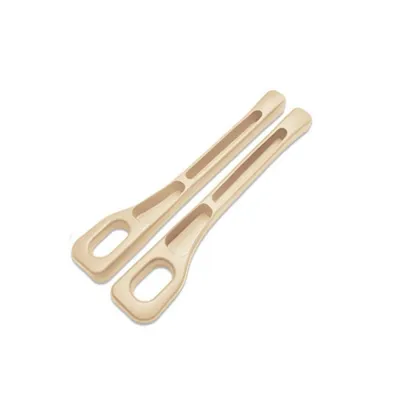
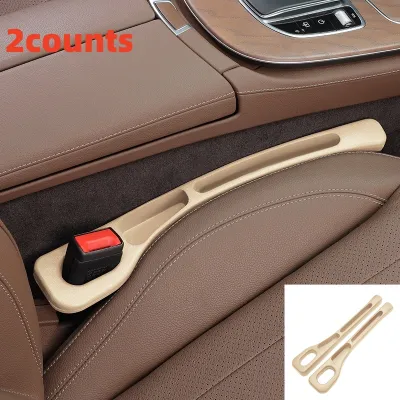
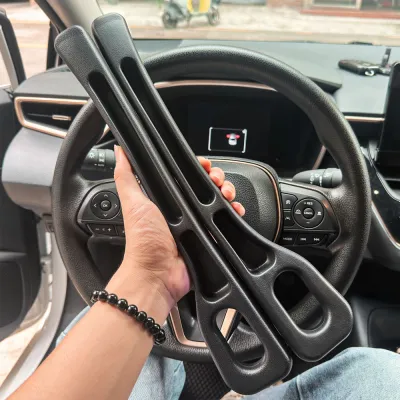
Prices are valid at publication and may change. Please refer to the product page for the latest price.
Second, seat cushions or padding inserts are designed to sit directly on top of the seat cushion or against the backrest. These products aim to improve ergonomic support, relieve pressure points during long drives, or add height. They rely heavily on internal filling materials like memory foam, gel, or polyester fiber, wrapped in an outer cover of mesh, fabric, or leather.
Third, full seat covers wrap around the entire seat structure to protect the original upholstery from spills, dirt, and UV damage. These covers have the largest surface area and have the most significant impact on your physical comfort, cabin temperature, and safety systems.
To determine which product type fits your current situation, consider this quick diagnostic checklist:
- If your primary frustration is constantly dropping items between the seat and the console, look for dedicated console gap fillers.
- If you experience lower back stiffness or thigh discomfort during long commutes, focus on ergonomic seat cushions or lumbar support pads.
- If you want to protect your original leather seats from child seat scratches, pet claws, or food spills, a full seat cover is the appropriate choice.
Once you have identified the correct product category, you can evaluate how leather, fabric, and mesh perform across these different applications.
Comparing Material Traits: Comfort, Durability, and Maintenance
Each material option brings a unique set of physical characteristics, maintenance requirements, and long-term wear patterns to your car’s interior.

Leather and synthetic leather (often labeled as leatherette or polyurethane leather) are highly valued for their premium appearance and straightforward maintenance. For console gap fillers and seat cushions, leather offers a smooth surface that resists liquid penetration. If you spill coffee or water, you can simply wipe the surface dry with a microfiber cloth. However, leather has high heat retention. When your car is parked under direct sunlight, leather surfaces can become uncomfortably hot to the touch, and they do not allow for natural airflow, which can lead to perspiration during extended drives. It is important to check the manufacturer’s product label to verify whether the material is genuine leather, which requires periodic conditioning, or synthetic leather, which is generally more resistant to moisture but may peel over several years of exposure to heat.
Fabric materials, including woven polyester, canvas, and velour, offer a softer, more traditional feel. Fabric cushions and covers provide excellent initial comfort because they do not get as hot as leather in the sun, nor do they feel freezing cold on rainy mornings. They offer moderate breathability and are highly flexible, allowing them to conform well to the contours of your seat. The primary drawback of fabric is its susceptibility to staining and odor absorption. Liquid spills quickly soak into the fibers, requiring immediate spot cleaning or removal for machine washing, depending on the care tag instructions. Over time, friction from entering and exiting the vehicle can cause fabric to pill or wear thin, especially along the bolsters.
Mesh materials are engineered specifically for maximum ventilation. Typically constructed from woven synthetic fibers like nylon or polyester, mesh features an open, porous structure that allows air to circulate freely between your body and the seat. This makes mesh an excellent outer material for ergonomic lumbar supports and seat cushions, as it actively prevents heat and moisture buildup. However, mesh has structural limitations. It provides very little inherent cushioning on its own, meaning it must be paired with a supportive inner frame or foam core. Additionally, the open weave of mesh makes it vulnerable to snagging on zippers, keys, or velcro, and small crumbs or dirt particles can easily become trapped within the mesh pores, requiring a vacuum cleaner with a brush attachment to remove.
Before making a purchase, always verify the material composition tags and specific care instructions provided by the manufacturer to ensure the product matches your willingness to perform regular maintenance.
Matching Materials to Your Driving Environment and Needs
Selecting the right material requires a realistic assessment of your local climate, who rides in your vehicle, and how many hours you spend behind the wheel.
In hot and humid climates, such as Singapore’s year-round tropical weather, cabin heat management is a constant challenge. If your car is frequently parked outdoors, a mesh seat cushion or highly breathable fabric cover can significantly improve your driving experience by preventing that sticky, overheated feeling when you first get into the car. When choosing these materials, look for product specifications that explicitly mention UV resistance, as prolonged exposure to intense sunlight can degrade synthetic fibers, causing them to fade or become brittle.
For high-traffic vehicles, family cars, or those frequently carrying pets, durability and ease of cleaning should take priority. Children and pets are prone to tracking in dirt, spilling drinks, and leaving crumbs. In these scenarios, leather or high-quality synthetic leather gap fillers and seat protectors are highly practical. They prevent liquids from seeping into the hard-to-reach gaps or deep into the seat foam, allowing you to maintain a clean cabin with a simple wipe-down. While fabric covers can be washed, the effort required to remove, wash, dry, and reinstall them often makes wipe-clean leather the more convenient long-term solution for busy families.
For long-distance commuters or private-hire drivers who spend several hours a day in their vehicles, ergonomic support and consistent comfort are paramount. A seat cushion that combines a supportive memory foam core with a breathable mesh outer cover offers a balanced solution. The inner foam provides the necessary pressure relief for your tailbone and lower back, while the mesh cover ensures that you remain cool and dry throughout your shift. If you prefer the look of leather, consider a perforated leather cushion, which features tiny punctures to allow some degree of airflow, though it will still feel warmer than a dedicated mesh option.
Installation, Fitment, and Safety Considerations
Regardless of which material or product type you choose, safety must always be your primary consideration when installing aftermarket interior accessories. Modern car seats are highly complex structures integrated with safety systems that must not be obstructed.
If you are installing full seat covers or large seat cushions, you must verify side-airbag compatibility. Many modern vehicles have side airbags embedded within the outer bolsters of the front seats. Installing a non-compatible cover over these areas can delay or completely block airbag deployment during a collision, presenting a severe safety risk. Look for products that are explicitly certified as airbag-compatible, featuring specialized, weakened stitching designed to tear open instantly if the airbag deploys. Never attempt to modify or cut a standard cover to fit over an airbag pathway yourself; always rely on certified designs or consult a qualified professional installer.
Furthermore, any seat accessory must allow unobstructed access to essential vehicle controls and safety hardware. Ensure that your gap fillers or cushions do not block the seat belt buckle receivers or prevent the seat belts from retracting smoothly. If you have child safety seats installed in the rear, any seat protectors or cushions must leave the ISOFIX anchor points fully clear and accessible.
Finally, verify that the accessory does not interfere with your ability to adjust the seat. Power seat controls, manual adjustment levers, and lumbar support dials must remain fully functional. When installing seat cushions or covers, carefully follow the manufacturer’s instructions to secure all straps, hooks, or non-slip backings. A loose cushion that slides around when you turn a corner or brake suddenly can distract you or slip under your feet, creating a dangerous driving hazard.
How to Choose: A Decision Framework
To finalize your choice, evaluate your priorities against this structured decision framework, keeping your vehicle’s specific configuration in mind:
- Choose Leather or Synthetic Leather if your primary goal is effortless maintenance, quick spill cleanup, and a sleek, premium appearance. This material is highly suitable for console gap fillers and family vehicles where spills are common, provided you are comfortable with moderate heat retention or have a covered parking space.
- Choose Fabric if you prioritize a soft, cozy texture, classic styling, and balanced year-round comfort. This option works well if you do not mind performing occasional spot cleaning or removing the covers for a thorough wash when needed.
- Choose Mesh if your absolute priority is staying cool, dry, and well-ventilated in warm weather. Mesh is the outstanding choice for ergonomic seat cushions and lumbar supports used during long daily commutes.
Before purchasing any product, always double-check the manufacturer’s specifications to confirm that the dimensions match your vehicle’s seat measurements, and verify that the design is fully compatible with your car’s side airbags, seat belt buckles, and adjustment controls.
Frequently Asked Questions (FAQ)
Can I use a mesh seat cover over heated or ventilated seats?
Yes, but you must verify compatibility first. While mesh is highly breathable and generally allows air and heat to pass through more effectively than solid leather, some thick aftermarket cushions can still restrict the performance of built-in seat ventilation or heating elements. Always consult your vehicle owner’s manual and check the accessory manufacturer’s specifications to ensure the product is safe for use with active climate-controlled seats without causing overheating or blocking airflow.
How do I clean leather car seat fillers without damaging them?
To clean leather or synthetic leather car seat fillers safely, start by wiping away loose dust and debris with a dry microfiber cloth. Apply a small amount of a dedicated, pH-neutral leather cleaner to a damp cloth—never spray liquids directly onto the seat or filler. Gently wipe the surface in a circular motion, then buff dry with a clean microfiber towel. Always test any new cleaning product on a small, hidden area first to ensure it does not cause discoloration or damage the finish.
Community discussion
Share your experience or ask a question. Comments are reviewed before publication.