
Quick Answer: Which Car Seat Cushion Material Should You Choose?
Choosing the right car seat cushion is not about finding a universally superior material, but about identifying which option aligns with your daily driving conditions, maintenance habits, and vehicle specifications. In a tropical climate like Singapore, where cabin temperatures can soar rapidly when parked outdoors, your choice directly impacts daily comfort.
- Choose Leather (or high-quality synthetic PU leather) if you prioritize a premium aesthetic, require effortless cleanup of liquid spills, and have an effective climate-control system to manage initial cabin heat.
- Choose Fabric if you prefer a soft, contouring surface that remains temperature-neutral regardless of sun exposure, and you are willing to perform occasional deep cleaning for stains.
- Choose Mesh if your primary goal is maximizing airflow to prevent back sweat during long drives in humid weather, and you prefer firm, ergonomic support over plush cushioning.
Before making any purchase, you must verify that the cushion is compatible with your vehicle’s safety features, particularly side-impact airbags integrated into the seat bolsters, as well as any built-in seat heating or ventilation systems.
Comfort and Climate: How Each Material Feels on the Road
To understand how each material feels on the road, it is helpful to look at the basic thermodynamics of a vehicle cabin. When your car is parked under direct sunlight, solar radiation passes through the glass windows, heating up the dark surfaces of your dashboard and seats. This heat is then trapped inside, creating a greenhouse effect that can easily push interior temperatures past 50 degrees Celsius. When you sit down, the rate at which heat transfers from the seat cushion to your body—and how well the material allows body heat to escape—determines your immediate and long-term comfort.
Products mentioned in this guide
![[SG INSTOCK] Seat Cushion Memory Foam Orthopedic Pressure Relief Car Home Soft Office Chair Pad Wheelchair for Tailbone Sciatica Back Pain Relief](https://img.lazcdn.com/g/p/005adf43d933a7c5edf0e3585d56492d.jpg_400x400q80.jpg_.webp)
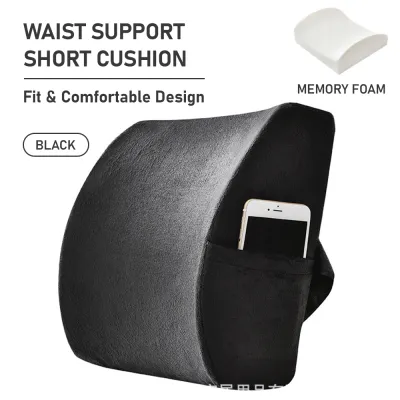
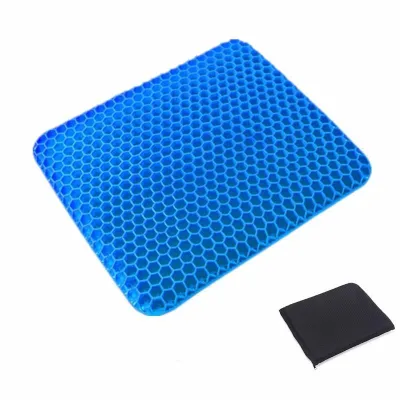
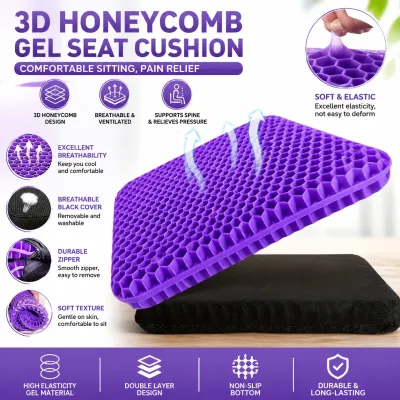
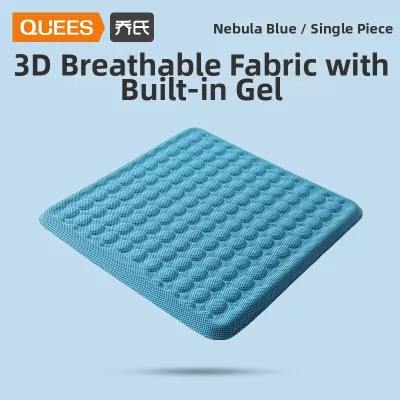
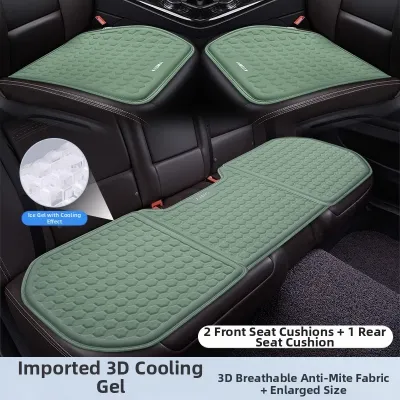
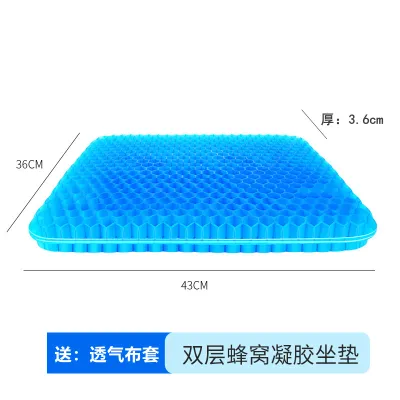
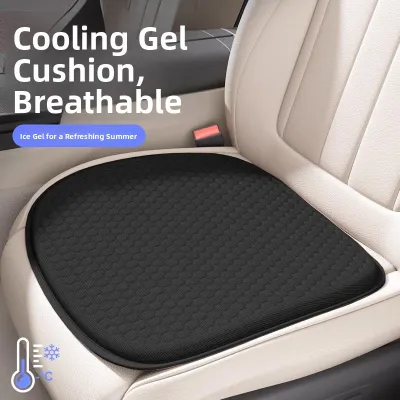
Prices are valid at publication and may change. Please refer to the product page for the latest price.

Leather and Synthetic Leather
Genuine leather and synthetic alternatives (such as polyurethane or PU leather) are dense, solid materials with high thermal mass and low breathability. This means they absorb a significant amount of heat and hold onto it. Under direct sunlight, a leather cushion can become uncomfortably hot to the touch, requiring several minutes of air conditioning to reach a tolerable temperature. Furthermore, because leather is non-porous, it traps perspiration against your skin. Even on longer drives, the lack of airflow can cause a clammy, sticky sensation along your back and thighs. Perforated leather cushions offer a slight improvement by allowing a small amount of air to circulate, but they still struggle to provide adequate cooling unless paired with an active, built-in seat ventilation system.
Fabric (Cloth/Textiles)
Fabric cushions excel at maintaining temperature neutrality. Woven textiles have a much lower thermal mass than leather, meaning they do not absorb or retain heat as intensely. When you sit on a fabric cushion after your car has been parked in the sun, the material feels relatively neutral and comfortable immediately. The soft, textured weave of fabric also provides a gentle, conforming feel that distributes your body weight evenly, reducing pressure points during extended commutes. However, fabric is highly absorbent. In humid climates, it can absorb moisture from both the air and your body. While this helps keep your skin dry initially, over a long drive, a fabric cushion can begin to feel slightly damp if the cabin’s air conditioning is not actively dehumidifying the space.
Mesh
Mesh is engineered specifically to address the challenges of driving in hot and humid climates. Constructed from an open, net-like weave of synthetic fibers (usually nylon or polyester), mesh cushions eliminate the solid barrier between your body and the seat. This open-grid structure maximizes convective heat transfer, allowing air to circulate freely beneath your thighs and behind your back. As you drive, any perspiration on your skin evaporates quickly, keeping you cool and dry even during afternoon traffic jams. However, the physical sensation of mesh is distinctly different from leather or fabric. Mesh cushions do not offer a plush, sinking-in feeling; instead, they rely on the tension of the woven fibers to suspend your body, providing firm, springy, and highly structured support. While this is excellent for spinal alignment, some drivers find the firm surface too rigid, and the textured grid can feel slightly abrasive against bare skin if you are wearing lightweight clothing.
Let’s summarize these characteristics across core performance dimensions:
| Comfort Dimension | Leather / Synthetic Leather | Fabric (Cloth/Textiles) | Mesh (Open Weave) |
|---|---|---|---|
| Initial Sit Comfort (After Sun) | Poor (Retains intense heat) | Good (Stays temperature-neutral) | Excellent (Minimal heat retention) |
| Long-Drive Breathability | Low (Traps sweat and humidity) | Moderate (Absorbs sweat over time) | High (Continuous air circulation) |
| Support Characteristics | Firm to moderate, molds slowly | Soft, plush, pressure-relieving | Firm, springy, highly structured |
| Tactile Skin Sensation | Smooth, premium, can feel sticky | Soft, gentle, non-abrasive | Textured, firm, can feel rough |
Maintenance and Cleaning: Daily Care vs. Deep Stain Removal
Keeping your car’s interior clean is essential for preserving its resale value and maintaining a hygienic environment. The material you choose for your seat cushion will dictate your cleaning routine, from quick daily wipe-downs to dealing with sudden, accidental spills.
Leather and Synthetic Leather
Leather is highly favored by drivers who want low-maintenance daily care. Because leather is non-porous, liquids like coffee, soda, or water will bead up on the surface rather than soaking in. This gives you a generous window of time to wipe away the spill with a dry microfiber cloth, leaving no stain behind. For routine maintenance, a simple wipe with a slightly damp cloth is all that is required to remove dust and light dirt. However, genuine leather is an organic material that requires ongoing care; you must apply a high-quality leather conditioner every three to six months to prevent the hide from drying out, fading, and cracking under UV exposure. Synthetic leather does not require conditioning, but it is sensitive to harsh chemical cleaners. Avoid using household detergents or alcohol-based wipes on either material, as these can strip the protective topcoat and cause premature peeling. Always use a dedicated, pH-balanced automotive leather cleaner.
Fabric
Fabric cushions require a more proactive approach to maintenance. Because woven fibers are highly porous, they absorb liquids almost instantly through capillary action. If you spill a beverage on a fabric cushion, you must act quickly by blotting the area firmly with a clean, dry towel to extract as much liquid as possible. Rubbing the spill must be avoided, as this pushes the pigments and sugars deeper into the fabric fibers, making a permanent stain more likely. For routine cleaning, fabric cushions must be vacuumed regularly using an upholstery brush attachment to remove dust, skin flakes, and pet dander that settle into the weave. For deep stains, you will need an enzyme-based fabric spot cleaner or an upholstery shampoo. While fabric is excellent at hiding minor dust and small surface scratches, it can retain odors if spills are not treated promptly.
Mesh
Mesh cushions present a unique cleaning scenario. Because of the open-grid design, liquid spills often pass directly through the mesh layer and pool on the underlying seat or the cushion’s solid base. While the synthetic fibers of the mesh itself are highly resistant to staining and do not absorb liquids, the open spaces act as a trap for solid debris. Crumbs, hair, and dust easily fall into the grid and can become lodged in the tight corners of the weave. To clean a mesh cushion, you should use a vacuum cleaner with a high-suction crevice tool or a stiff-bristled brush to dislodge trapped particles. If sticky residue gets on the mesh, you will need to remove the cover (if it is designed to be removable) and hand-wash it in warm, soapy water. Ensure the cushion is completely dry before reinstalling it; damp mesh can harbor bacteria and develop a musty smell.
Durability and Longevity: Wear, Tear, and Sun Exposure
A car seat cushion is subjected to constant physical stress. Every time you slide into or out of your vehicle, you exert friction and shear forces on the material. Combined with continuous UV exposure, these forces can cause rapid degradation if the material is not built to last.
Leather and Synthetic Leather
Genuine leather is renowned for its exceptional durability. It has high tensile strength, making it highly resistant to tearing and puncture. With proper maintenance, a genuine leather cushion can easily outlast the vehicle itself, developing a soft, character-rich patina over time. However, its primary enemy is UV radiation. Prolonged exposure to intense sunlight will dry out the natural oils in the leather, leading to stiffness, fading, and eventually deep cracks. Synthetic leather (such as PU or PVC) is highly resistant to initial fading and does not require conditioning, but it has a shorter overall lifespan. In hot, humid climates, synthetic leather can undergo hydrolysis—a chemical breakdown caused by moisture and heat—which leads to the material peeling, flaking, and delaminating from its fabric backing.
Fabric
The longevity of a fabric cushion is largely determined by the quality of the textile and its weave density. High-quality automotive fabric cushions are typically made from heavy-duty polyester or nylon with a high denier rating (such as 600D or higher). These materials are highly resistant to UV fading and will not peel or crack, making them highly stable in sunny climates. However, lower-grade fabrics are prone to pilling, where friction causes loose fibers to bunch into small, unsightly balls on the surface. Over time, constant sliding across the cushion can also wear down the fibers, leading to thinning and eventual tearing at the seams. Additionally, while fabric resists physical tearing well, permanent staining can ruin its appearance, forcing a replacement even if the material remains structurally sound.
Mesh
High-tensile mesh made from elastomeric polymers or premium nylon is incredibly resilient. It is completely immune to peeling, flaking, and cracking, and it offers excellent resistance to UV degradation. However, the primary durability concern with mesh is structural fatigue, commonly referred to as sagging. Over months or years of supporting a driver’s weight, the tensioned fibers can gradually lose their elasticity, causing the center of the cushion to sag and reducing its ergonomic support. Furthermore, mesh is highly vulnerable to mechanical damage from sharp objects. A stray key in your back pocket, a sharp metal rivet on your jeans, or pet claws can easily snag the open weave, snapping individual fibers. Once a fiber in a mesh grid snaps, the structural tension is compromised, and the weave can rapidly unravel. When purchasing a mesh cushion, look for models that feature double-woven borders and a robust, rigid frame to support the mesh tension.
Safety and Vehicle Compatibility: Airbags, Heaters, and Fit
While comfort and durability are important, vehicle safety must always be your primary consideration. Your car’s seats are highly engineered safety systems designed to protect you in a crash, and installing an incompatible aftermarket cushion can severely compromise these protections.
Side Airbag Compatibility
Many modern vehicles are equipped with side-impact airbags that are integrated directly into the outer bolsters of the front seats. In a collision, these airbags deploy in milliseconds, bursting through specially designed, low-resistance seams in the seat upholstery. If you install a seat cushion or cover that wraps around the sides of the seat, you risk blocking this deployment path. This can delay the airbag’s inflation or alter its trajectory, leaving you unprotected during a side-impact collision. Before purchasing any cushion that extends beyond the flat center of the seat, you must verify that the manufacturer has explicitly tested and certified it as side-airbag compatible. If the cushion is a simple, flat pad that only covers the center seating area and is secured by thin, low-profile straps, the risk is significantly lower, but you must still ensure that no straps cross over the airbag deployment zones marked on the side of your seat.
Seat Heaters and Ventilation
If your vehicle features built-in seat heating or cooling ventilation, adding a thick aftermarket cushion will alter its performance. A thick, dense cushion made of leather or heavy fabric acts as thermal insulation, blocking the heat from reaching your body. This can tempt you to run the seat heaters on high for extended periods, which can shorten the lifespan of the heating elements or even cause localized overheating. Conversely, mesh cushions are highly compatible with ventilated seats because their open-weave structure allows the forced air to pass through freely. If you have heated seats, look for thin, highly conductive fabric cushions that are specifically rated for thermal transfer.
Secure Fit and Non-Slip Backing
A car seat cushion must remain firmly anchored to the seat at all times. If a cushion shifts or slides when you round a sharp corner or brake suddenly, it can alter your seating position, potentially causing your foot to slip off the pedals or distracting you at a critical moment. Look for cushions that feature a high-friction, non-slip backing—such as patterned silicone beads—and a robust attachment system. This system usually consists of adjustable elastic straps, metal hooks that anchor beneath the seat frame, and plastic chucks that insert into the crevice between the seat cushion and the backrest. When installing these straps, make absolutely sure they do not interfere with the mechanical operation of manual or power seat adjustment motors, do not pinch any electrical wiring harnesses under the seat, and do not obstruct the seatbelt buckles or pretensioners. Always consult your vehicle’s owner’s manual before installing any aftermarket seat accessories.
Final Verdict: Matching the Cushion to Your Lifestyle
Ultimately, the best car seat cushion material is the one that aligns with your daily driving habits, your vehicle’s features, and your willingness to perform regular maintenance.
- The Hot-Climate Commuter: If you face daily drives in high temperatures and humidity (such as Singapore's tropical climate), a Mesh cushion is your best option. The superior airflow will keep you cool and dry, preventing back sweat and keeping you comfortable during slow-moving traffic.
- The Active Parent or Pet Owner: If your car is a multi-purpose family vehicle that frequently transports kids, pets, or groceries, prioritize Leather or Synthetic PU. The ability to instantly wipe away liquid spills, mud, and pet hair will save you hours of cleaning frustration.
- The Long-Distance Driver: If you spend hours on the road and suffer from lower back stiffness or fatigue, a high-density foam cushion with a breathable Fabric cover is the ideal choice. It provides the soft, pressure-relieving support you need while remaining temperature-neutral.
Before making your final selection, take a moment to measure your car seat’s dimensions—specifically the width and depth of the bottom cushion. Check the manufacturer’s care label to understand the cleaning requirements, and double-check that the cushion’s design does not interfere with your seat’s side airbags or electrical controls.
Frequently Asked Questions (FAQ)
Can I use a leather seat cushion on top of heated seats?
Yes, you can use a leather seat cushion on top of heated seats, but there are important trade-offs to consider. Because leather is a dense material, a thick cushion will act as an insulator, significantly blocking and delaying the transfer of heat to your body. To ensure proper heat transfer and prevent your seat heating elements from working too hard, look for a thin, perforated leather or synthetic leather cushion that is explicitly rated for use with heated seats.
How do I prevent mesh seat cushions from sagging over time?
To prevent a mesh seat cushion from sagging, always choose a model built with a rigid outer frame—such as reinforced steel wire or high-density composite plastic—which helps maintain the tension of the mesh grid. Additionally, avoid placing heavy, sharp, or concentrated loads on the mesh, sit centered on the cushion to distribute your weight evenly, and avoid leaving heavy items resting on the seat when the vehicle is not in use.
Are fabric seat cushions prone to mold in humid weather?
Yes, fabric seat cushions can be prone to mold and mildew in highly humid climates like Singapore because the porous textile fibers readily absorb moisture from both the air and your body. To minimize this risk, ensure your car’s cabin is kept dry by running the air conditioning regularly, avoid sitting on the cushion while wearing wet swimwear or gym clothes, and choose cushions that feature antimicrobial or moisture-wicking fabric treatments. If the cushion does get damp, remove it from the vehicle and allow it to dry completely in a well-ventilated, sunny area.
Community discussion
Share your experience or ask a question. Comments are reviewed before publication.