
When driving in a tropical climate, choosing the right car seat cover material is the key to preventing a damp, uncomfortable back. Breathable mesh—specifically 3D air mesh—stands out as the most effective material for preventing sweat buildup because it physically separates your body from the dense foam of the seat, allowing continuous airflow. While fabric covers absorb moisture well, they tend to trap heat over time, and leather covers (especially synthetic polyurethane options) act as solid barriers that block air circulation entirely unless they feature specialized perforations. Understanding how these materials perform under daily driving conditions helps you select an option that keeps your cabin comfortable and your clothes dry.
Sweating during a drive is not just an inconvenience; it can also cause discomfort and distract you from the road. By evaluating how different materials handle heat and moisture, you can make an informed decision that improves your daily commute.
Understanding How Seat Cover Materials Affect Sweat Buildup
To understand why certain seat covers make you sweat more than others, it is essential to distinguish between breathability and moisture-wicking capabilities. Breathability refers to how easily air passes through a material, allowing heat to dissipate rather than building up against your body. Moisture-wicking, on the other hand, is a material’s ability to pull sweat away from your skin and spread it across a larger surface area so it can evaporate quickly. A material can be highly absorbent without being breathable, which often leads to a damp, heavy seat cover that takes hours to dry in humid conditions.
Products mentioned in this guide
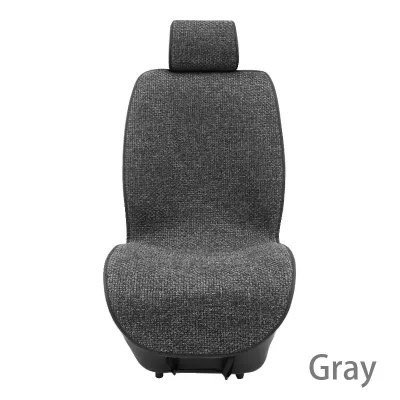
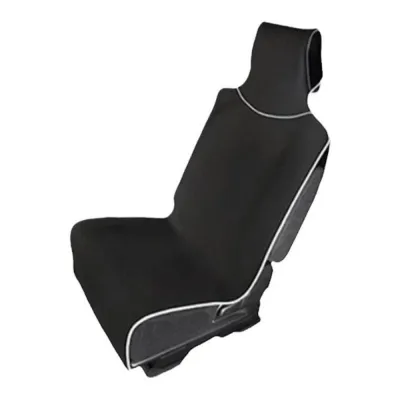
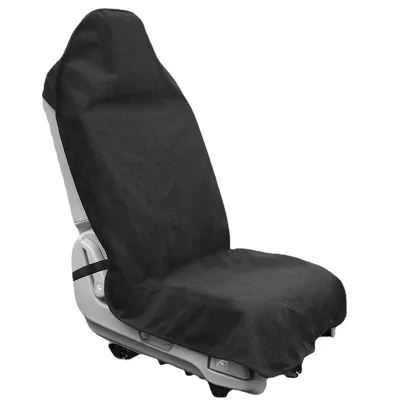

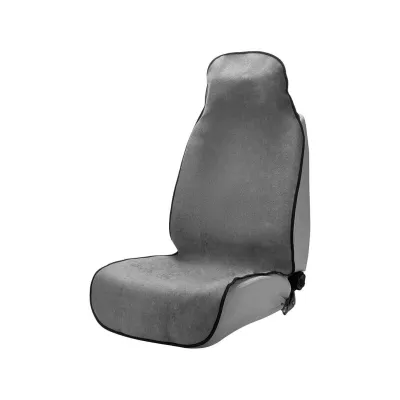
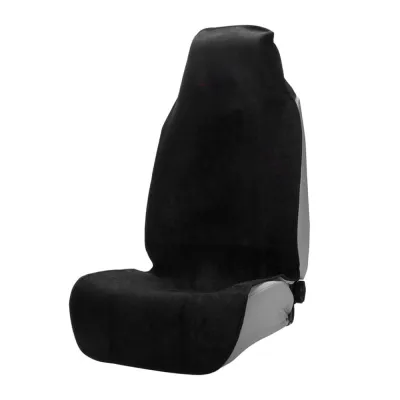
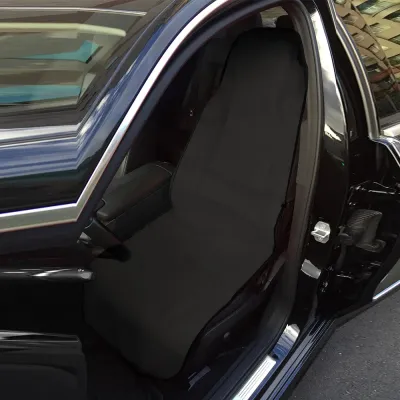
Prices are valid at publication and may change. Please refer to the product page for the latest price.
Vehicle cabin dynamics play a major role in how these materials behave. When a car is parked under the intense sun, the polyurethane foam inside the seats acts as a heavy thermal insulator, absorbing and storing heat. When you first enter the vehicle, the air conditioning system cools the cabin air, but it cannot immediately cool the dense foam directly behind your back. If your seat cover lacks ventilation, your body heat remains trapped against this pre-heated seat, triggering immediate sweating before the air conditioning has a chance to lower your core temperature.
When evaluating seat covers for sweat prevention, look closely at the structural design rather than just the raw material. Features such as raised ventilation channels, multi-layered spacer fabrics, and open-weave patterns are critical indicators of how well a cover can manage heat. Checking product labels for these structural specifications will help you identify covers designed for active airflow rather than simple cosmetic protection.
Leather Seat Covers: Durability vs Breathability Trade-offs
Genuine leather and synthetic alternatives like polyurethane (PU) or polyvinyl chloride (PVC) leather are popular for their premium appearance and spill resistance, but they present significant challenges for temperature regulation. Genuine leather possesses natural microscopic pores that offer a minor degree of breathability, though it still retains heat significantly when exposed to direct sunlight. Synthetic leather, however, is entirely non-porous. It acts as an impermeable barrier, trapping both body heat and perspiration against your skin, which quickly leads to a sticky, uncomfortable driving experience.

To mitigate this heat retention, some leather seat covers feature perforated panels in the central seating and backrest zones. These tiny, machine-punched holes allow a small amount of air to pass through, which helps if your vehicle is equipped with active seat ventilation systems that blow air through the seat. However, without active fans pushing air through these perforations, passive airflow remains limited, and the solid sections of the leather will still trap heat against your body during longer drives.
In humid climates, sweat mixed with dust and body oils can form a slick, sticky residue on leather surfaces. Regular maintenance is necessary to prevent this buildup from clogging perforations and degrading the material. Wiping the covers down with a damp microfiber cloth and applying a specialized leather cleaner authorized by the manufacturer helps maintain the material’s texture without blocking the ventilation holes.
Fabric Seat Covers: Comfort and Moisture Absorption
Standard fabric covers, often made from polyester, nylon, or cotton blends, offer a softer initial feel than leather and do not get as hot when parked in the sun. Natural fibers like cotton blends are highly absorbent, soaking up sweat quickly to keep your skin dry during short trips. However, synthetic fabrics like polyester do not absorb moisture as deeply; instead, they allow sweat to spread and evaporate, provided there is sufficient cabin airflow.
While fabric covers prevent the immediate “sticky” sensation of leather, they act like clothing by trapping moisture within their fibers. Once a fabric cover reaches its maximum absorption capacity, any additional sweat remains on the surface, leading to a wet shirt and a damp seat that takes hours to dry in high humidity. Over time, repeated exposure to sweat leads to deep-seated stains and persistent, musty odors that are difficult to eliminate without removing the entire cover for a deep wash.
When shopping for fabric covers, check the product specifications for moisture-wicking treatments or open-weave patterns. Jacquard weaves and knit fabrics generally offer better passive ventilation than tightly woven canvas or heavy denim, which tend to trap heat and restrict airflow.
Mesh and 3D Air Mesh Seat Covers: Maximizing Airflow
Mesh seat covers, particularly those utilizing 3D spacer technology, are specifically engineered to combat perspiration. These covers consist of two layers of mesh separated by a middle layer of vertical micro-filaments. This unique structure creates a permanent, springy air gap between your back and the seat, allowing air from the cabin’s air conditioning to circulate directly behind you and carry away body heat.
While 3D air mesh provides excellent ventilation, it may offer less structural cushioning than thick leather or padded fabric covers. The texture can also feel slightly abrasive against bare skin, making it less suitable if you frequently drive in shorts. Additionally, because mesh is highly flexible, lower-quality covers may slip or bunch up during entry and exit if they lack secure mounting straps.
To maintain the airflow benefits of a 3D mesh cover, ensure it is installed tightly across the seat frame. If the cover is too loose or if the internal micro-filaments are crushed under excessive tension, the air gap collapses, significantly reducing its ventilation performance. Regularly check that the mounting hooks and straps remain secure and uncompromised.
How to Choose the Right Sweat-Resistant Seat Cover for Your Car
Selecting the right seat cover depends on your daily driving habits, parking conditions, and comfort preferences. You can use the following framework to guide your decision:
- Choose 3D air mesh if you frequently park in unsheltered areas, embark on long commutes, or find yourself sweating through your clothes before the cabin air conditioning fully cools the interior.
- Choose perforated genuine leather if you prioritize a premium aesthetic and easy cleanup, provided you primarily park in shaded areas or have a highly efficient climate control system.
- Choose moisture-wicking synthetic fabric if you want a balance of soft comfort and moderate breathability for short, daily trips, and do not mind removing the covers periodically for machine washing.
Before purchasing any aftermarket seat cover, verify the exact dimensions against your vehicle’s seat measurements. Check the manufacturer’s return policy to ensure you can return the product if the fitment is loose or causes the material to bunch. Additionally, inspect the mounting mechanism (straps, hooks, or chucks) to ensure they do not damage the original seat upholstery or interfere with seat adjustment motors.
Crucial Safety Warning: Many modern vehicles feature side-impact airbags embedded within the outer bolsters of the front seats. Installing an incompatible seat cover can delay or completely block airbag deployment during an accident. Always verify that the seat cover is explicitly certified as “airbag-compatible” by the manufacturer, featuring specialized breakaway stitching or open sides. If you are uncertain about compatibility, stop and consult your vehicle’s manual or a professional automotive upholsterer before proceeding with the installation.
Frequently Asked Questions (FAQ)
Do cooling gel seat covers actually prevent sweating?
Cooling gel seat covers work by absorbing and conducting heat away from your body when you first sit down, providing temporary relief. However, gel has a limited thermal capacity; once it reaches equilibrium with your body temperature—typically within thirty to forty-five minutes of continuous driving—it stops cooling. Without an open structure to allow airflow, the gel pad can eventually trap heat, making it less effective for long-distance sweat prevention than a dedicated 3D air mesh cover.
How often should I clean my seat covers to prevent sweat odors?
You should inspect your seat covers visually for salt lines or discoloration and perform an olfactory check every few weeks, especially during hot seasons. Fabric covers generally require machine washing or deep extraction cleaning every one to two months to remove embedded sweat and bacteria. Leather and mesh covers can typically be wiped down with a damp cloth and a mild, manufacturer-approved cleaner every two weeks to prevent odor buildup and maintain hygiene.

Community discussion
Share your experience or ask a question. Comments are reviewed before publication.