
Selecting the right aftermarket car seat covers is one of the most practical upgrades you can make to your vehicle’s interior. However, there is no single material that excels in every category. The ideal choice depends entirely on your daily driving habits, your local climate, and how you prioritize aesthetics versus ease of maintenance.
For drivers navigating hot and humid environments, protecting original upholstery from sweat, liquid spills, and physical wear requires a careful balance. Leather and premium synthetic options offer a sleek look and effortless spill cleanup, but they tend to retain heat when parked in the sun. Fabric covers provide a temperature-neutral seating surface and rugged durability at a lower cost, but they absorb liquids and odors. Breathable mesh covers utilize advanced structural designs to maximize airflow and prevent discomfort during long commutes, yet they offer minimal protection against liquid spills.
Before focusing on aesthetics, you must address vehicle safety. Modern vehicles feature side-impact airbags integrated directly into the front seat bolsters. Any aftermarket cover you install must be explicitly designed to allow these airbags to deploy without restriction. This guide breaks down how leather, fabric, and breathable mesh compare across comfort, durability, maintenance, and safety to help you make an informed decision.
Products mentioned in this guide
![[SG stock] Car Seat Cover PU Leather Interior Protector Mats Cushion 5 Seaters Chair Seatcover Pad for SUV Sedan Truck](https://img.lazcdn.com/g/p/b14fc2d13251d1235315b5f39912a158.jpg_400x400q80.jpg_.webp)
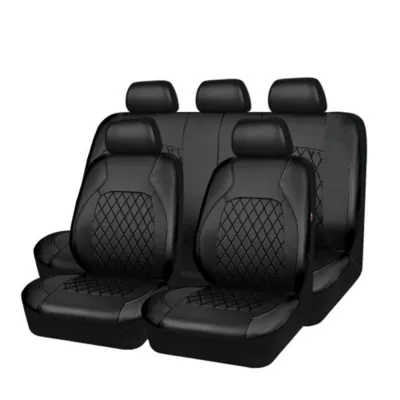
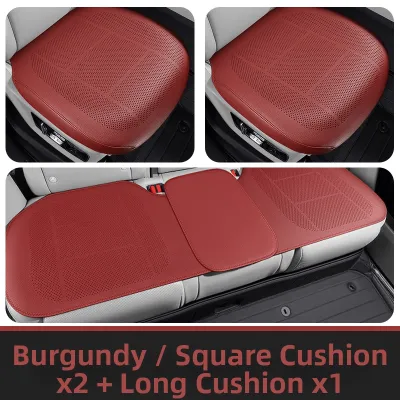
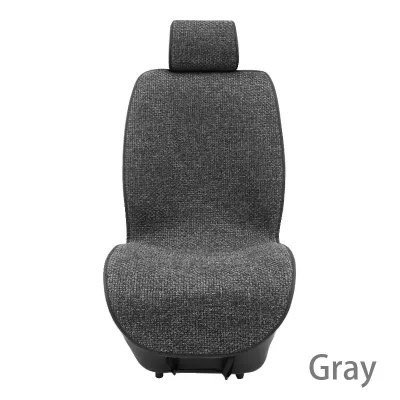
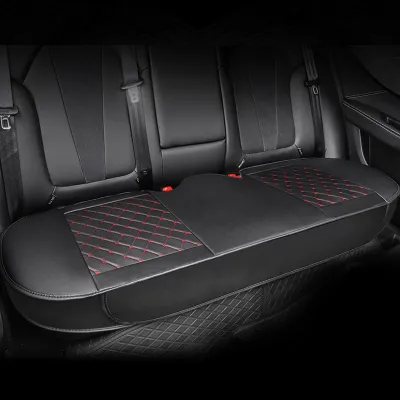
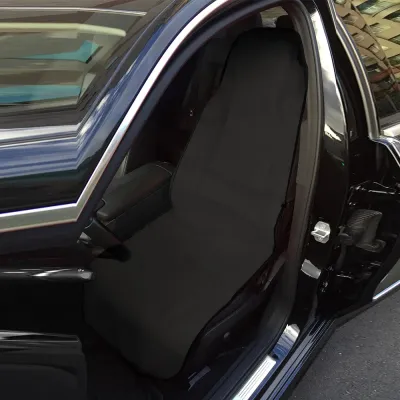
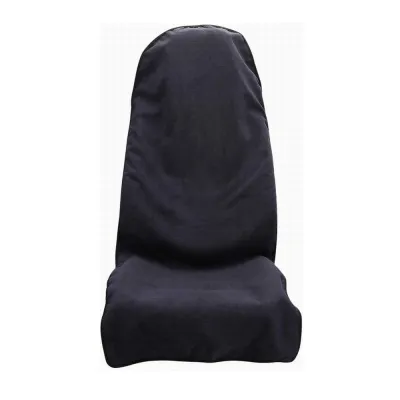
Prices are valid at publication and may change. Please refer to the product page for the latest price.
Comfort and Climate: How Each Material Feels in Daily Driving
The tactile feel and thermal performance of your seat covers directly impact your daily driving comfort, especially in tropical climates like Singapore where high humidity and intense sunlight are constant. When a vehicle is parked in an open-air car park or a rooftop lot, cabin temperatures can rise rapidly, turning seats into heat sinks.
Leather and Synthetic Materials
Genuine leather and synthetic alternatives like polyurethane (PU) or polyvinyl chloride (PVC) are highly valued for their smooth, premium texture. However, solid leather has high thermal conductivity and low breathability. When exposed to direct sunlight, these surfaces become exceptionally hot to the touch, and they do not allow body heat or perspiration to dissipate. This often results in a sticky, uncomfortable sensation against bare skin or light clothing.
While some premium leather covers feature perforated central panels to mitigate this issue, you must verify the product specifications. Many budget-friendly options only feature cosmetic dimples rather than functional, through-and-through perforations. Furthermore, even functional perforations require a breathable backing material underneath to allow actual air circulation; otherwise, the cooling effect is negligible.
Fabric Options
Fabric seat covers, including heavy canvas, woven polyester, and neoprene, are naturally temperature-neutral. They do not absorb heat to the same extent as leather, meaning they will not scorch your skin even after hours of sun exposure. The soft, textured surface of woven fabrics also prevents the sliding and stickiness associated with smooth synthetic surfaces.
However, the comfort of fabric covers depends heavily on their construction. Thickly padded fabric covers with dense foam backing can act as insulators, trapping your body heat against the seat over long drives. Neoprene, while highly cushioned and water-resistant, acts similarly to a wetsuit, holding heat and moisture close to your body if you tend to run warm.
Breathable Mesh
Breathable mesh is engineered specifically for maximum ventilation. These covers typically utilize a 3D spacer mesh structure, which consists of two distinct layers of fabric kept apart by a microscopic network of vertical polyester fibers. This physical gap allows air to circulate freely behind your back and under your thighs, carrying away body heat and moisture.
For private-hire vehicle (PHV) drivers, daily commuters, or anyone spending hours on the road, mesh is highly effective at preventing back sweat. By facilitating continuous airflow, mesh covers reduce the load on your vehicle’s air conditioning system, helping you feel cool and dry much faster after entering a hot cabin.
Safety Verification
Regardless of which material you choose, you must verify that the cover is compatible with your vehicle’s side-impact airbags. Look for explicit manufacturer labels or tags indicating airbag compatibility. These covers feature specialized, low-tension stitching along the outer seams designed to tear instantly under the force of a deploying airbag. Never install a non-compatible cover over a seat containing an active airbag.
Durability and Wear: Lifespan and Daily Abuse Tolerance
Car seat covers must withstand constant friction, UV radiation, and the physical demands of passengers, pets, or cargo. Understanding how each material degrades over time will help you choose an option that matches your lifestyle.

Leather and Synthetics
Genuine leather is exceptionally tough and resistant to surface abrasions if it is regularly maintained. It can withstand years of sliding in and out of the cabin without tearing. However, leather is highly sensitive to UV exposure and dry cabin air. Without regular care, the material will dry out, leading to fine cracks, fading, and eventual splitting along high-stress seams.
Synthetic leather (PU) requires less maintenance than genuine leather, but it generally has a shorter lifespan under intense heat and UV conditions. Over time, the polyurethane layer can delaminate or peel away from its fabric backing, especially in areas subjected to constant flexing, such as the seat bolsters. Budget PVC covers are highly resistant to moisture but can become stiff and brittle under prolonged UV exposure.
Fabric Materials
Fabric covers are highly resilient against tearing and UV degradation. Heavy-duty canvas, often made from tightly woven cotton or polyester blends, is nearly impervious to scratches, making it a favorite for trade vehicles and pet owners. Polyester blends offer excellent elasticity and UV resistance, maintaining their color and shape over years of use.
However, fabric is susceptible to snagging. Sharp objects like keys, tools, or pet claws can catch on the woven fibers, pulling threads and ruining the cover’s appearance. Over time, lower-grade polyester fabrics may also experience pilling—the formation of tiny, unsightly balls of fiber on the surface caused by friction.
Breathable Mesh
While mesh covers are highly flexible and lightweight, they are the most vulnerable to physical damage. The open-weave structure of 3D mesh makes it easy for sharp objects, velcro straps, or pet claws to snag and tear the delicate vertical fibers. Once these internal fibers are broken, the mesh loses its structural loft and collapses, reducing its breathability.
Because of this vulnerability, mesh covers are best suited for passenger cars carrying adults or older children. If you frequently transport pets, heavy cargo, or sharp equipment, a rugged canvas or high-quality synthetic leather cover will provide much better long-term durability.
Actionable Advice
To assess durability accurately, do not rely on generic marketing terms like “ultra-durable” or “scratch-proof.” Instead, look for concrete technical specifications. For fabric covers, check the denier count (such as 600D or 1000D), which measures the weight and thickness of the individual threads. For synthetic leather, look for the material thickness specified in millimeters; higher-quality PU covers typically range from 1.0mm to 1.2mm in thickness.
Maintenance and Cleaning: Keeping Your Seats Looking New
Spills, dirt, and odors are inevitable in any daily driven vehicle. The ease with which you can clean your seat covers plays a major role in keeping your cabin smelling fresh and looking presentable.
Leather and Synthetics
Leather and synthetic leather are the easiest materials to clean on a daily basis. Because these surfaces are non-porous, liquid spills like water, coffee, or juice remain on the surface rather than soaking into the cushion. You can easily wipe away most messes with a damp microfiber cloth. This makes synthetic leather highly popular for families with young children or ride-hailing drivers who need to quickly clean the cabin between passengers.
However, genuine leather requires periodic conditioning every three to six months to restore its natural oils and prevent cracking. You must also clean up liquid spills quickly; if left unattended, liquids can seep through stitching holes or penetrate porous, worn areas of the leather, leading to permanent stains or mold growth underneath the cover.
Fabric Materials
Fabric covers act like a sponge, rapidly absorbing liquid spills, sweat, and odors. If a sugary drink or milk is spilled on a fabric cover, it will penetrate deep into the fibers, creating a prime breeding ground for bacteria and mold in humid conditions. Removing these stains and odors usually requires deep cleaning with specialized upholstery shampoos, wet vacuums, or fabric extractors.
Before purchasing a fabric cover, check the care label to see if it is machine-washable. Many polyester and neoprene covers can be unzipped, removed, and washed in a standard washing machine on a gentle cycle. Heavy canvas covers, however, are often too stiff for washing machines and may shrink or lose their water-resistant coatings if exposed to hot water or harsh detergents.
Breathable Mesh
Mesh covers present a unique cleaning challenge. Because of their open, porous structure, fine dust, crumbs, and hair easily fall through the mesh holes and accumulate on the original seat surface underneath. Standard surface vacuuming is often ineffective because the vacuum nozzle cannot reach the debris trapped within or below the 3D spacer layer.
To clean a mesh cover thoroughly, you generally need to remove it from the seat, shake it out vigorously, or use compressed air to blow out trapped particles. Furthermore, liquid spills will pass directly through a standard mesh cover onto your original upholstery. If you want spill protection, you must choose a mesh cover that features a verified waterproof backing layer, though this backing will slightly reduce the cover’s overall breathability.
Safety Boundary
Always read the care instructions provided by the seat cover manufacturer before applying any cleaning chemical. Test any cleaner or conditioner on a small, hidden area of the cover first to ensure it does not cause discoloration, degrade the material, or leave a slippery residue. A slippery seat cover is a safety hazard, as it reduces your stability and control while driving.
Quick Comparison: Leather vs Fabric vs Mesh at a Glance
The following table summarizes how each seat cover material performs across key decision criteria. Use these qualitative indicators to match your specific vehicle needs and passenger profile.
| Material Type | Heat Retention | Spill Resistance | Pet & Child Friendliness | Cleaning Effort | Airbag Compatibility |
|---|---|---|---|---|---|
| Genuine Leather | High | Moderate | Moderate | Moderate (Requires Conditioning) | Verify Label / Seam Specification |
| Synthetic Leather (PU/PVC) | High | High | High | Low (Wipe-Clean) | Verify Label / Seam Specification |
| Fabric (Canvas/Polyester) | Low to Moderate | Low | High (Canvas) / Moderate (Polyester) | Moderate to High (Requires Washing) | Verify Label / Seam Specification |
| Breathable Mesh | Low | Low | Low | Moderate (Requires Removal to Clean) | Verify Label / Seam Specification |
Final Decision Framework: Match the Material to Your Lifestyle
To make your final purchase decision, evaluate your daily driving routine, your typical passengers, and your willingness to perform regular maintenance.
Choose Leather (or Premium PU) if:
- You prioritize a premium aesthetic: You want to upgrade a basic fabric interior to look more luxurious and match factory leather options.
- You deal with frequent spills: You have young children, frequently eat or drink in the car, or operate a ride-hailing vehicle where quick cleanups are essential.
- You can manage cabin heat: You regularly park in shaded structures, use high-quality windshield sunshades, or have highly effective window tinting to minimize heat buildup.
Choose Fabric if:
- You want a balance of durability and comfort: You want a seating surface that remains comfortable in all weather conditions without getting burning hot.
- You transport pets or heavy gear: You carry dogs or equipment regularly and require a tough, snag-resistant material like heavy-duty canvas.
- You prefer machine-washable convenience: You want the ability to strip off the seat covers and wash them thoroughly in your home laundry machine.
Choose Breathable Mesh if:
- Your primary goal is staying cool: You experience excessive back sweat during long drives or commutes in hot, humid weather.
- Your passengers are mostly adults: Your vehicle is used primarily for commuting, and you rarely carry pets, toddlers, or messy cargo that could snag the mesh or spill liquids.
- You do not mind regular vacuuming: You are willing to periodically remove the covers to clean out the dust and crumbs that pass through the mesh pores.
Verify First if:
- Your vehicle has integrated side airbags: You must confirm that the specific seat cover model is certified by the manufacturer as airbag-compatible. Check for specialized stitching along the outer bolsters and read the installation manual carefully to ensure you do not block the airbag deployment path.
Frequently Asked Questions (FAQ)
Do car seat covers affect the deployment of side airbags?
Yes, installing an incompatible seat cover over a seat with integrated side-impact airbags poses a severe safety risk. Modern vehicles house side airbags inside the outer bolster of the front seats, designed to deploy outward in milliseconds during a collision. If a seat cover blocks this path, the airbag may deploy late, fail to deploy entirely, or direct the explosive force inward toward the occupant, causing severe injury.
To avoid this risk, only purchase seat covers that are explicitly certified as airbag-compatible. These covers utilize a specialized, low-tension thread along the airbag side seam that is designed to break instantly under minimal pressure. Never modify a non-compatible seat cover by cutting holes or sewing it yourself, as home modifications cannot guarantee the precise tear-away behavior required for safety.
Can I install these seat covers myself, or do I need professional help?
Most universal and semi-custom seat covers are designed for straightforward do-it-yourself (DIY) installation. They typically secure to the seat using a combination of elastic straps, metal hooks, and plastic chucks that slip through the gap between the seat cushion and the backrest. Installing these covers usually takes between 30 to 60 minutes per seat and requires no specialized tools.
However, premium custom-fit seat covers or covers designed to replace the original factory upholstery require a much higher level of expertise. Installing these often involves removing the seats from the vehicle entirely. If your seats have power adjustment motors, heated elements, or side airbag sensors, you must disconnect electrical wiring harnesses under the seat.
Before attempting a complex installation, consult your vehicle’s service manual. Improperly disconnecting or reconnecting yellow SRS (Supplemental Restraint System) airbag connectors can trigger warning lights on your dashboard or accidentally deploy the airbag. If you are uncomfortable working near electrical connectors, handling heavy seat frames, or ensuring the covers are perfectly tensioned around airbag seams, seek assistance from a qualified professional installer.
Community discussion
Share your experience or ask a question. Comments are reviewed before publication.