
Choosing the right car seat covers is one of the most practical upgrades you can make for your vehicle’s interior. Beyond protecting the original upholstery from wear and tear, the right material directly influences your daily driving comfort, cabin temperature, and the overall aesthetic of your vehicle. With options ranging from premium leather to cost-effective fabric and highly ventilated mesh, the best choice depends on your daily routine, maintenance preferences, and local climate.
To make the right decision, you must weigh how each material handles heat, spills, and physical wear. This guide compares leather, fabric, and breathable mesh seat covers to help you select the ideal option for your vehicle, lifestyle, and budget.
Quick Answer: Which Material Should You Choose?
Your choice of seat cover material should align with your primary daily challenges and comfort preferences. Each material excels in different areas, making the decision highly dependent on your specific needs.
Products mentioned in this guide
![[SG stock] Car Seat Cover PU Leather Interior Protector Mats Cushion 5 Seaters Chair Seatcover Pad for SUV Sedan Truck](https://img.lazcdn.com/g/p/b14fc2d13251d1235315b5f39912a158.jpg_400x400q80.jpg_.webp)
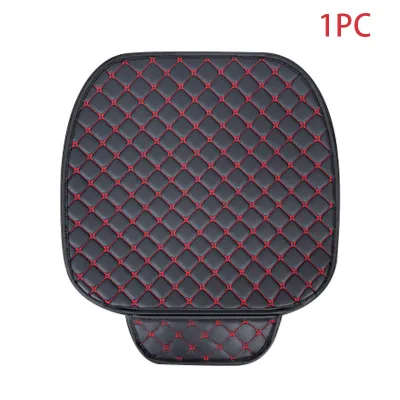
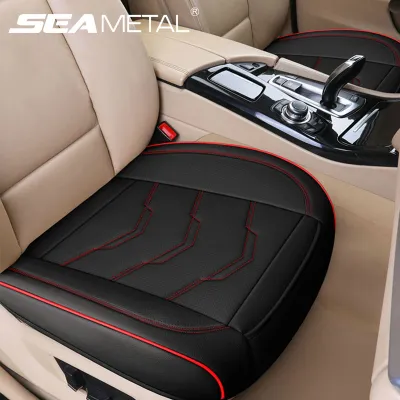
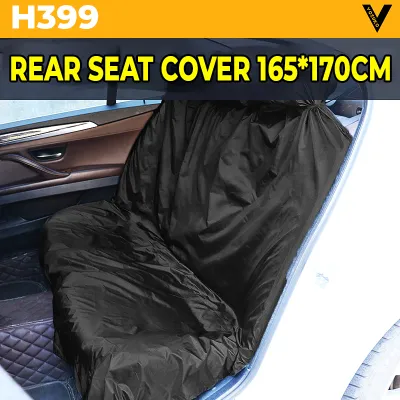
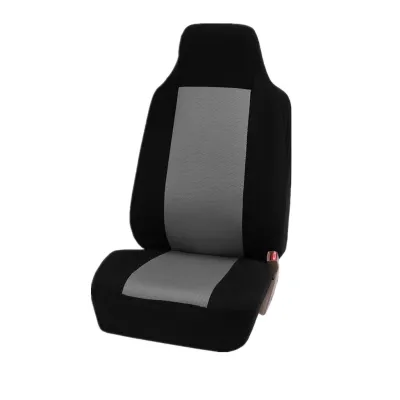
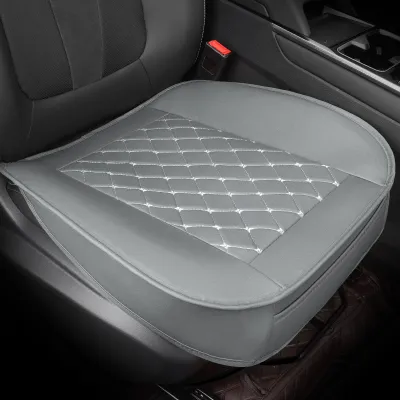
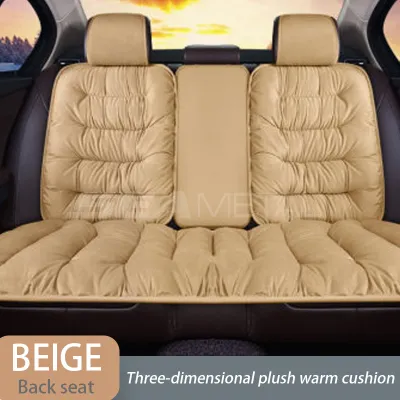
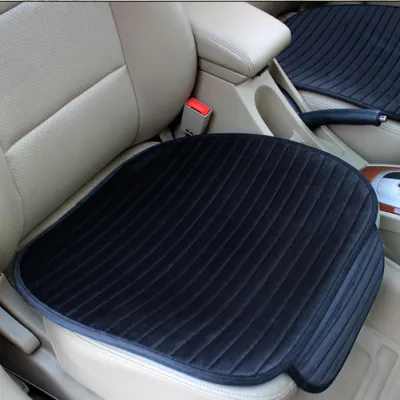
Prices are valid at publication and may change. Please refer to the product page for the latest price.
- Choose leather or leatherette if you prioritize a premium aesthetic, easy cleanup of liquid spills, and long-term durability, and if you are comfortable managing initial heat retention when entering a parked car.
- Choose fabric if you prefer a budget-friendly, temperature-neutral surface that remains comfortable in all weather conditions, and you do not mind performing occasional deep cleaning for stains.
- Choose breathable mesh if your absolute priority is maximum airflow and cooling to prevent back sweat during long drives, and you prefer a highly functional, utilitarian design.
Leather and Leatherette Seat Covers: Premium Look and Easy Cleaning
Leather and synthetic leatherette seat covers are highly favored for their upscale appearance and exceptional spill resistance. When liquids are dropped onto a leather surface, they tend to bead up rather than soak in, allowing you to wipe away coffee, water, or mud with a simple damp cloth. This makes leather an excellent barrier against stains and odors, particularly for drivers who frequently eat in their vehicles or transport passengers.

However, solid leather surfaces are highly efficient at retaining heat. When your vehicle is parked in direct sunlight, leather seats can absorb solar radiation rapidly, becoming uncomfortably hot to the touch. To manage this, drivers often rely heavily on the vehicle’s air conditioning system or built-in seat ventilation to cool the cabin down before sitting. If your vehicle lacks ventilated seats, the solid barrier of leather can limit natural airflow against your back.
Maintenance requirements differ significantly between genuine leather and synthetic leatherette. Genuine leather is a natural material that requires periodic application of specialized leather conditioners to prevent drying, cracking, and fading from ultraviolet exposure. Synthetic leatherette, typically made from polyurethane (PU) or vinyl, requires much less maintenance and can be cleaned with basic mild soap solutions. However, leatherette may offer slightly less breathability than genuine leather.
When selecting leather or leatherette covers, inspect the material thickness and backing. Thinner materials are more prone to early wear patterns, such as creasing along the side bolsters or peeling along high-friction edges. Opting for covers with reinforced stitching and robust backing material helps preserve the structured shape over years of daily entry and exit.
Fabric Seat Covers: Comfort, Variety, and Temperature Neutrality
Fabric seat covers, typically woven from polyester, nylon, or cotton blends, offer a highly comfortable and temperature-neutral seating surface. Unlike leather, woven fabrics do not get excessively hot in the sun or freezing cold in air-conditioned environments. This temperature stability makes them immediately comfortable the moment you step into the cabin, regardless of how long the vehicle has been parked outside.
The primary trade-off with fabric is its high liquid absorption. Spills must be addressed quickly to prevent them from sinking into the fibers and causing deep-set stains or lingering odors. When cleaning fabric covers, always check the manufacturer’s care label. Some fabric covers are machine washable, while others require specialized upholstery foam cleaners or spot treatments to lift dirt without damaging the weave.
Fabric covers provide the widest variety of patterns, colors, and textures. This allows you to customize your car’s interior to match your personal style, whether you prefer a subtle, dark OEM-style look or a vibrant, patterned design. The textured surface of fabric also provides excellent grip, preventing passengers from sliding around during sharp turns.
To ensure long-term durability, check the fabric’s weave tightness and denier rating before purchasing. A higher denier rating indicates thicker, stronger threads that resist tearing. Tight weaves are essential if you frequently transport pets, as loose weaves can easily catch claws, trap pet hair, or suffer damage from the hard plastic edges of child safety seats.
Breathable Mesh Seat Covers: Maximum Airflow and Cooling
Breathable mesh seat covers are engineered specifically to maximize ventilation and passenger comfort. Featuring an open-weave, porous structure, mesh allows air to circulate freely between your body and the seat back. This continuous airflow significantly reduces heat buildup and helps prevent back sweat during extended commutes or warm afternoon drives.
While mesh excels at temperature regulation, it has distinct aesthetic limitations. Mesh covers generally feature a sporty, utilitarian design that may not blend seamlessly with luxury or classic vehicle interiors. They are designed primarily for function rather than a high-end visual finish, which is an important consideration if you want to maintain a sleek, uniform cabin look.
Because of the looped or layered structure of woven mesh, these covers are more susceptible to snagging on sharp objects. Items like keys, pocket zippers, or pet collars can catch on the open pores, potentially pulling the threads and damaging the cover’s structural integrity. Care must be taken when sliding heavy or sharp cargo across mesh-covered seats.
Cleaning mesh covers requires a different approach than solid materials. Because dust, crumbs, and small debris can fall into the open gaps of the mesh, simple wiping is rarely sufficient. Regular maintenance typically involves using a vacuum cleaner with a brush attachment to pull debris out of the pores. For deeper cleans, hand washing or gentle spot cleaning with a mild detergent is usually recommended to avoid damaging the delicate open-weave patterns.
Head-to-Head Comparison: Key Decision Dimensions
To help you compare these three materials directly, the table below outlines how they perform across the most critical ownership and maintenance categories.
| Material Type | Spill Resistance | Breathability | Temperature Neutrality | Maintenance Effort | Relative Price Tier | Verify First |
|---|---|---|---|---|---|---|
| Leather / Leatherette | Excellent (Wipe clean) | Low to Moderate | Low (Heats up quickly) | Moderate to High | S$$ to S$$$ | Check for UV protection and backing thickness |
| Fabric | Low (Absorbs liquids) | Moderate | High (Stays neutral) | Moderate (Requires vacuum/wash) | S$ to S$$ | Check denier rating and weave tightness |
| Breathable Mesh | Low (Debris falls through) | Excellent (Maximum airflow) | High (Highly ventilated) | Moderate (Requires vacuuming) | S$ to S$$ | Check for snag resistance and seam strength |
When interpreting this table, prioritize the dimensions that match your daily driving reality. For example, a parent managing frequent spills from toddlers will benefit most from the high spill resistance of leatherette, even if it requires more effort to cool down. Conversely, a daily commuter driving long distances without ventilated seats will find the excellent breathability of mesh to be a more valuable daily asset.
Matching the Material to Your Climate and Lifestyle
Your local environment plays a massive role in how a seat cover material performs. In hot and humid climates, such as in Singapore, the cabin of a parked car can quickly reach high temperatures. Entering a vehicle with solid leather seats under these conditions can be incredibly uncomfortable until the air conditioning has had several minutes to cool the interior. In this climate, breathable mesh or temperature-neutral fabric covers offer an immediate comfort advantage by preventing heat from trapping against your body.
Your daily activities and passengers should also dictate your choice:
- Choose leatherette or heavy-duty fabric if you regularly transport young children or pets. The ease of wiping away spills and resisting scratches is crucial for maintaining your vehicle's resale value.
- Choose breathable mesh if you frequently commute long distances, participate in outdoor sports, or head to the beach, as it handles moisture and body heat exceptionally well.
- Choose premium leather if you use your vehicle for professional purposes, ride-sharing, or simply prefer a sophisticated, high-end cabin environment.
Before making a final purchase, evaluate your car’s existing seat features. If your vehicle is equipped with factory perforated leather seats designed for active cooling or heating, placing a thick, solid seat cover over them will block the intended airflow. In such cases, look for specialized, highly perforated covers or thin, compatible materials that do not obstruct the built-in ventilation pathways.
Safety, Fitment, and Installation Checks
Before purchasing any car seat covers, you must verify that they do not compromise your vehicle’s safety systems. Many modern vehicles feature side-impact airbags embedded within the outer bolsters of the front seats. If you install a seat cover that does not have specialized, manufacturer-certified breakaway seams, the airbag may fail to deploy correctly in an accident, posing a severe safety risk.
Always check the seat cover packaging or manufacturer specifications to ensure the product is explicitly labeled as side-airbag compatible for your specific vehicle make, model, and year. If a seat cover lacks clear, certified airbag compatibility markings, do not install it. Your safety and the safety of your passengers must always take priority over aesthetic upgrades.
Additionally, consider how the cover interacts with other electrical and mechanical seat functions. Thick fabric or dense leather covers can act as insulators, significantly reducing the effectiveness of built-in seat heaters. Always consult your vehicle owner’s manual and the seat cover manufacturer’s fitment guide to confirm compatibility with your specific seat shape, headrest configuration, and electronic controls.
If you encounter complex mounting straps, tight clearances beneath the seat frame, or if you are unsure about the alignment of airbag seams, stop the installation. In these situations, consult a qualified automotive upholstery professional to ensure the covers are fitted securely and safely without interfering with seat sensors or wiring harnesses.
Frequently Asked Questions (FAQ)
Can I install seat covers myself, or do I need a professional?
Most universal and semi-custom seat covers are designed for straightforward do-it-yourself (DIY) installation. They typically secure to the seat frame using a combination of elastic straps, metal hooks, and plastic chucks that tuck into the seat crease. However, custom-fit covers designed to mimic original upholstery require a very tight fit, which can demand significant physical effort and time to install correctly. If your vehicle has complex electronic seat adjustments, under-seat wiring harnesses, or integrated side airbags, professional installation is highly recommended to ensure no safety systems or electrical connections are accidentally damaged or obstructed.
Will seat covers void my car’s warranty?
Installing aftermarket seat covers will not void your overall vehicle warranty. However, if an improperly fitted or non-compatible seat cover causes direct damage to your vehicle’s components, that specific damage will not be covered under warranty. For example, if a heavy, non-breathable cover causes a built-in seat heating element to overheat and fail, or if a strap damages the electrical wiring harness underneath the seat, the manufacturer may deny warranty coverage for those specific repairs. To protect your warranty, always choose high-quality covers designed for your specific vehicle model and follow all manufacturer installation guidelines.

Community discussion
Share your experience or ask a question. Comments are reviewed before publication.