
When selecting a headrest for car seats, drivers often overlook the material of the cover, yet this small accessory directly impacts daily comfort, cabin hygiene, and interior aesthetics. There is no universally superior material; the ideal choice depends on your specific driving habits, maintenance preferences, and local climate.
In Singapore’s hot and humid environment, where vehicles parked in open-air lots can rapidly turn into thermal traps, a breathable mesh headrest for car seats provides excellent passive ventilation to prevent heat buildup. Conversely, leather (including premium synthetic alternatives) offers a sophisticated look that matches original executive interiors and is exceptionally easy to wipe clean after a workout or a rainy commute. Fabric covers provide a soft, plush, and temperature-neutral surface that remains highly comfortable during long daily journeys without sticking to your skin. Understanding the distinct characteristics of each material is the first step toward optimizing your cabin’s comfort and protecting your vehicle’s resale value.
Leather Headrest Covers: Premium Look and Easy Wiping
Leather and high-quality synthetic leather (such as polyurethane or microfiber leather) headrest covers are highly favored for their premium aesthetic and sophisticated visual appeal. For vehicles equipped with factory leather upholstery, adding a matching leather cover preserves a seamless, cohesive look throughout the cabin. This material elevates the overall interior design, giving even older vehicles a refreshed, executive feel that appeals to drivers who prioritize style.
Products mentioned in this guide
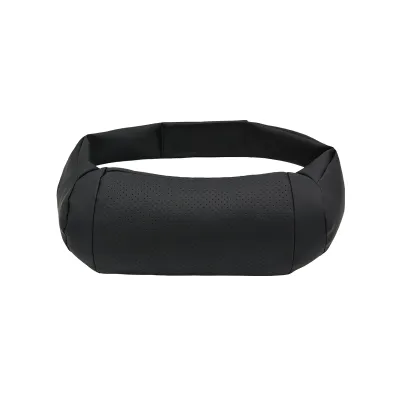
Prices are valid at publication and may change. Please refer to the product page for the latest price.
Beyond aesthetics, the primary practical advantage of leather is its ease of maintenance. The non-porous surface of treated leather acts as a barrier against hair oils, styling products, sweat, and accidental liquid spills. Instead of absorbing these contaminants, a leather cover allows you to simply wipe away grime with a clean, damp microfiber cloth. For deeper cleaning, you must check the product label and use only authorized leather cleaners or conditioners; unapproved household detergents can strip the material’s protective top coat, leading to premature cracking or discoloration.
However, leather presents distinct comfort challenges in tropical climates. When a car is parked under direct sunlight, leather surfaces absorb and retain thermal energy rapidly. Resting your head or neck against a hot leather cover can cause immediate discomfort and sweating, often requiring you to run the vehicle’s air conditioning for several minutes to cool the cabin before driving. Furthermore, if you tend to perspire, bare skin contact with warm leather can feel sticky and uncomfortable during longer drives.
Durability under environmental stress is another critical consideration. Prolonged exposure to ultraviolet (UV) radiation through car windows can dry out genuine leather and degrade synthetic polymers, leading to fading or splitting. Before purchasing, check the manufacturer’s product specifications for UV resistance and colorfastness ratings. Additionally, avoid assuming any leather cover is entirely waterproof; moisture can still seep through stitched seams and damage the original headrest foam underneath if spills are not dried promptly.
Fabric Headrest Covers: Soft Comfort and Daily Practicality
Fabric headrest covers, typically woven from cotton, polyester, or durable synthetic blends, focus heavily on tactile comfort. Unlike leather, fabric does not experience extreme temperature fluctuations, meaning it will not feel scorching hot after your car has been parked in the sun. This temperature-neutral quality makes fabric an incredibly practical choice for daily commuters who want immediate comfort the moment they step into the driver’s seat.

In terms of breathability, fabric occupies a balanced middle ground. While it does not offer the active, open-air ventilation of mesh, its fibrous structure allows for passive air exchange, preventing the localized heat buildup common with solid leather. The soft, textured surface is gentle on sensitive skin and provides enough natural friction to prevent your head from sliding or slipping against the headrest during sudden vehicle movements.
Despite these comfort benefits, fabric’s highly absorbent nature represents a significant maintenance trade-off. Over weeks and months of daily driving, fabric fibers inevitably absorb sweat, scalp oils, hair styling gels, and environmental odors. If left uncleaned, this accumulation can lead to bacterial growth, staining, and persistent cabin odors, making regular washing an absolute necessity for hygiene.
Before laundering a fabric cover, you must check the care label for specific washing and drying instructions. Some natural cotton blends are highly susceptible to shrinking or warping if exposed to hot water or high-heat dryers, which can permanently ruin the cover’s snug fit. Additionally, while quality fabric is generally less prone to color transfer than cheaply dyed leathers, you should verify the colorfastness on the product tag to ensure the dye will not bleed onto light-colored clothing or light-colored original upholstery.
Breathable Mesh Headrest for Car Seats: Airflow and Cooling Support
For drivers operating in consistently warm and humid climates, a breathable mesh headrest for car seats offers unmatched thermal relief. The primary engineering benefit of mesh is its open-weave, multi-layered structure, which facilitates maximum airflow behind the head and neck. By allowing body heat to dissipate continuously, mesh actively prevents the accumulation of sweat and humidity, keeping the driver cool and alert during extended trips.
While mesh excels at temperature regulation, its tactile feel is distinct from other materials. The synthetic fibers used to construct durable mesh can feel slightly coarse, rough, or highly textured against bare skin. While some drivers appreciate this firm, supportive sensation, those who prefer a velvety, plush, or smooth surface may find the utilitarian feel of mesh less appealing, particularly on long journeys without a collared shirt.
Durability under daily wear is another factor to analyze before choosing mesh. The open loops and gaps that make mesh so breathable also make it vulnerable to snagging. Sharp objects such as earrings, hairpins, jewelry, or even the rough hook-and-loop fasteners found on some clothing can easily catch on the mesh fibers. Once a thread is snagged or pulled, the structural integrity of the weave can weaken, and the cover can quickly begin to look worn and frayed.
To ensure long-term satisfaction, closely inspect the mesh density and the underlying backing material before buying. A premium mesh cover should feature a robust 3D spacer mesh design that provides adequate cushioning and structural support rather than a thin, flimsy single layer. Additionally, verify that the backing material features non-slip properties to prevent the cover from sliding or shifting against the original headrest during daily use.
Leather vs Fabric vs Mesh: Feature-by-Feature Comparison
To help you visualize how these three materials compare across key decision-making dimensions, the following table summarizes their stable, observable characteristics:
| Material | Breathability & Airflow | Ease of Cleaning | Tactile Comfort | Best Suited For |
|---|---|---|---|---|
| Leather / Synthetic | Low (retains heat) | High (wipe-clean) | Smooth & firm | Premium styling, easy maintenance |
| Fabric (Cotton/Poly) | Medium (passive airflow) | Medium (requires washing) | Soft & plush | Temperature-neutral comfort |
| Mesh (3D Spacer) | High (maximum ventilation) | Medium (hand or machine wash) | Textured & supportive | Hot climates, sweat prevention |
Feel and Temperature Dynamics
The thermal behavior of these materials changes dramatically depending on where your vehicle is parked. Leather absorbs ambient cabin heat rapidly and can become uncomfortably hot to the touch, requiring active air conditioning to cool down. Fabric remains largely neutral, absorbing minimal heat and offering a consistent sensation regardless of the weather. Mesh does not trap thermal energy at all; its open structure ensures that any heat is dissipated almost instantly, providing immediate cooling comfort when you enter a warm car.
Verify First: Headrest Interface and Shape Compatibility
Before purchasing any aftermarket cover, you must verify the physical configuration of your vehicle’s original headrests. Car headrests generally fall into two categories: adjustable headrests supported by two metal posts, or integrated headrests where the headrest is a molded, continuous extension of the seat back.
Many sleeve-style or strap-on covers are designed specifically for adjustable headrests and rely on the metal posts for secure mounting. Attempting to fit these onto an integrated headrest will result in a loose, unsafe fit. Always check your vehicle’s interior configuration and compare it directly with the mounting design specified by the cover manufacturer.
How to Match Your Headrest Cover to Your Car Seats and Climate
Achieving visual and functional harmony inside your vehicle requires a thoughtful balance between your existing seat material and your local driving conditions. If your car is equipped with factory leather seats, choosing a matching leather or high-quality synthetic leather headrest cover maintains a clean, uniform, and luxurious appearance. If your seats are upholstered in fabric, a matching fabric cover blends in seamlessly, while a sporty mesh cover can serve as a functional, high-performance accent.
Climate considerations should play a major role in your final selection. In tropical regions like Singapore, the functional benefits of breathability and temperature regulation often outweigh purely aesthetic desires. If your daily commute involves parking in unshaded areas, opting for a mesh or fabric cover can significantly improve your immediate driving comfort by eliminating the shock of resting your head against a scorching leather surface.
To guarantee a secure and tailored fit, you must take precise physical measurements of your original headrest before ordering. Use a flexible measuring tape to record the maximum width, height, and front-to-back thickness of the headrest cushion. If your headrest is adjustable, measure the distance between the two metal mounting posts (from center to center) as well as the diameter of the posts. Comparing these measurements with the product specifications prevents you from buying a cover that is too tight—which can compress the cushion and strain the seams—or too loose, which can slide around and distract you while driving.
Final Decision Framework: Choose Based on Your Priorities
To finalize your purchase decision, align your choice with your primary driving needs and cabin environment:
- Choose Leather if you want a premium, executive appearance, require a surface that can be quickly wiped clean of hair products or spills, and primarily park in shaded or climate-controlled garages.
- Choose Fabric if you prioritize a soft, non-sticky feel against your skin, want a temperature-neutral surface that remains comfortable year-round, and are comfortable removing the cover periodically for laundering.
- Choose Mesh if your absolute priority is maximum cooling, airflow, and sweat prevention during long drives in hot weather, and you prefer a firm, highly ventilated support structure.
Regardless of the material you choose, always verify the seller’s return and exchange policies before purchasing from online marketplaces or automotive accessory stores. Because headrest shapes vary widely across different car brands and model years, having the option to return an ill-fitting product is a crucial safeguard. Most importantly, always prioritize safety by ensuring that your chosen cover does not obstruct any adjustment buttons or safety mechanisms.
Frequently Asked Questions (FAQ)
Can I wash my car headrest covers in a washing machine?
Fabric and some mesh headrest covers are machine washable, but you must check the manufacturer’s care label first. Use a gentle cycle with cold water and mild detergent to prevent shrinkage, color bleeding, or warping. Never machine wash leather or synthetic leather covers; instead, clean them by wiping the surface with a damp microfiber cloth and an approved leather cleaner, as machine washing will ruin the material’s structure.
Do headrest covers interfere with active head restraints?
Yes, poorly fitted or excessively thick aftermarket covers can seriously interfere with active head restraints (AHR). These safety systems are designed to move forward during a rear-end collision to cushion the head and prevent whiplash. Before installing any cover, consult your vehicle’s owner manual to see if your car is equipped with active head restraints. If it is, you must only use covers that are explicitly certified by the manufacturer as compatible with active safety systems, and ensure they are installed exactly according to the instructions.
Community discussion
Share your experience or ask a question. Comments are reviewed before publication.