
Finding the right car head cushion is a highly personal decision that directly impacts your daily driving comfort, posture, and overall well-being behind the wheel. The ideal material depends on your typical driving duration, cabin climate, and how much effort you want to put into maintenance. Leather offers a premium, sophisticated aesthetic and is exceptionally easy to wipe clean, but it tends to retain heat and can feel sticky on hot days. Fabric provides a soft, cozy, and temperature-neutral surface, though it is highly susceptible to absorbing sweat, odors, and spills. Mesh delivers outstanding airflow and ventilation, making it highly suitable for warm, humid climates, but it requires a high-quality internal support structure to prevent sagging and maintain proper neck alignment. By understanding how each material behaves under different conditions, you can select a cushion that enhances your driving experience without compromising safety or ergonomics.
Assessing Your Daily Driving Environment and Comfort Needs
Before comparing specific materials, it is essential to evaluate your typical driving environment and personal comfort preferences. Consider the duration of your daily commute, whether you are navigating short city trips or spending hours in heavy peak-hour traffic along major expressways. The climate inside your vehicle plays a significant role; if your car is frequently parked in open-air carparks under direct sunlight, the cabin temperature can rise dramatically, affecting how different materials feel when you first sit down.
Personal sensitivities also dictate the best choice. If you are prone to allergies, fabric cushions might trap dust mites and pollen, whereas leather or synthetic alternatives can be wiped clean instantly. Think about your body’s natural heat regulation—some drivers run hot and sweat easily, making breathability their primary concern, while others prioritize a plush, cushioned feel against their skin.
Products mentioned in this guide
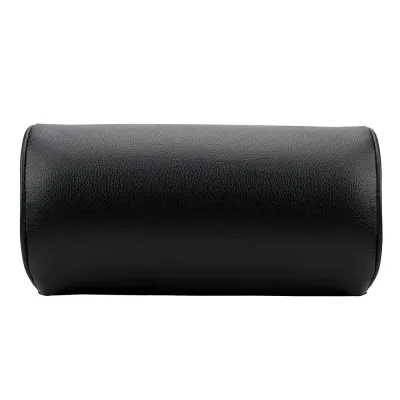
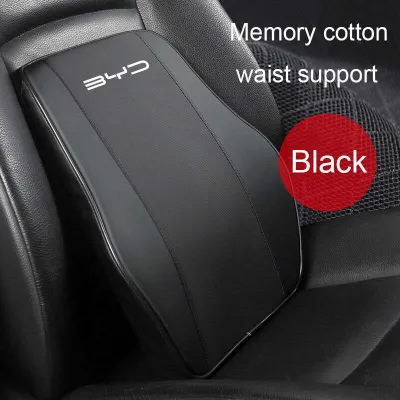
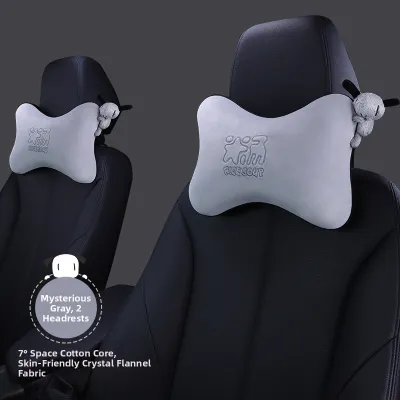
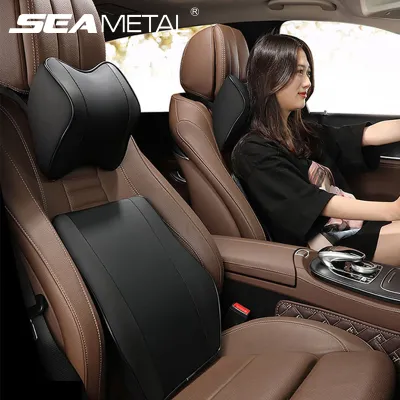
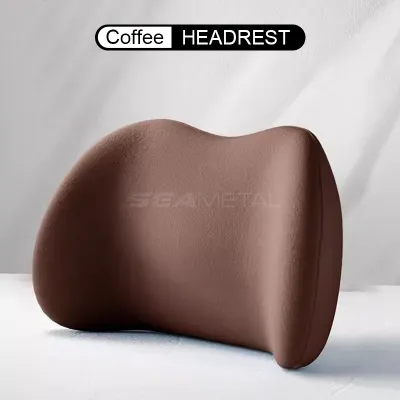
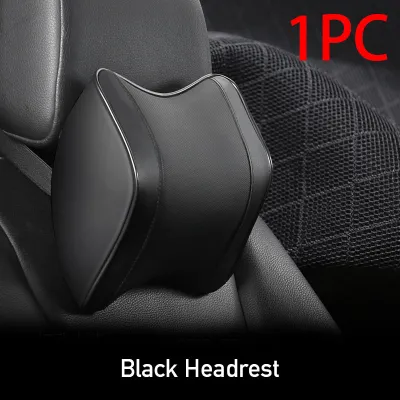
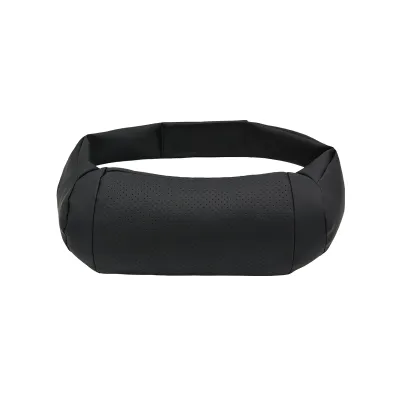
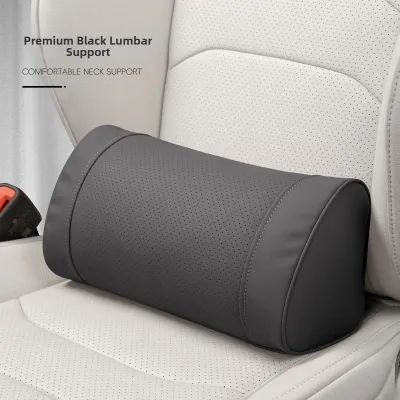
Prices are valid at publication and may change. Please refer to the product page for the latest price.
Finally, assess your willingness to perform regular maintenance. Some drivers prefer a low-maintenance option that can be tossed into a washing machine, while others do not mind using specialized leather conditioners to preserve a premium look. Establishing these criteria early will help you filter out materials that do not align with your lifestyle.
Evaluating Leather Cushions: Tactile Feel and Maintenance
Leather car head cushions are often favored for their luxurious appearance and smooth tactile feel, but they require specific care to maintain their appeal. When shopping, always check the manufacturer’s labels to distinguish between genuine leather and synthetic alternatives like polyurethane (PU) or polyvinyl chloride (PVC). Genuine leather generally offers better breathability than basic synthetics, but it is more sensitive to environmental factors and requires periodic conditioning to prevent drying, fading, or cracking. Synthetic leather is highly durable and water-resistant, making it easier to clean, but it may lack the natural softness of real hide.

The way leather reacts to temperature is a crucial consideration for daily drivers. If your vehicle is exposed to intense sunlight, a leather cushion can absorb significant heat, becoming uncomfortably hot to the touch. Conversely, in air-conditioned cabins, it can initially feel cold before warming up to your body temperature.
To keep leather cushions looking and feeling their best, you must commit to a regular maintenance routine. This involves using mild, material-safe cleaners and dedicated conditioners. Always verify the compatibility of any cleaning agent on an inconspicuous area first, as harsh chemicals can strip the protective topcoat of the leather, leading to premature wear and discoloration.
Evaluating Fabric Cushions: Softness and Stain Management
Fabric head cushions offer a classic, soft feel that many drivers find immediately comforting. When evaluating fabric options, pay close attention to the weave density and the thickness of the underlying padding. A tight, high-quality weave is more resistant to wear and tear, while a plush padding layer provides gentle support for the neck and head. Unlike leather, fabric is naturally temperature-neutral, meaning it will not feel excessively hot in the summer or freezing in the winter, providing a consistent level of comfort the moment you enter your vehicle.
However, fabric cushions present unique challenges when it comes to cleanliness and stain management. Because fabric is porous, it easily absorbs sweat, hair oils, spilled drinks, and cabin odors over time. If you frequently drive after workouts, commute with pets, or enjoy beverages on the road, a fabric cushion can quickly become a breeding ground for bacteria and unpleasant smells.
To mitigate this, check the care labels carefully before purchasing. Look for cushions that feature removable, machine-washable covers. If the cover is not removable, you will be limited to spot-cleaning with mild upholstery detergents, which can be time-consuming and may leave water rings if not done correctly.
Evaluating Mesh Cushions: Airflow and Neck Support
Mesh head cushions are designed specifically to address the issue of heat buildup and perspiration during long drives. The primary advantage of a mesh weave is its exceptional breathability, which allows air to circulate freely between your neck and the headrest. This continuous airflow helps dissipate body heat and keeps you dry, making mesh an excellent choice for hot, humid climates or for drivers who tend to run warm.
When inspecting mesh cushions, look for a tightly woven, high-tensile mesh that feels smooth to the touch. Loose or rough weaves can snag on clothing fibers, delicate fabrics, or hair accessories, leading to premature wear of both the cushion and your garments.
While ventilation is the main selling point, you must not overlook the structural integrity of the cushion. Because mesh is inherently flexible, the cushion relies heavily on its internal filling or frame to provide adequate neck support. Many high-quality mesh cushions utilize a contoured memory foam core or a resilient polymer frame to maintain proper head and neck alignment. Ensure that the internal structure is firm enough to support your neck without collapsing under pressure. A poorly constructed mesh cushion may sag or flatten after a few weeks of daily use, rendering it useless for ergonomic support and potentially leading to neck strain during long commutes.
Material Selection Framework: Matching Cushions to Your Routine
To simplify your decision, it helps to match the material characteristics directly to your daily routine and driving habits. Choose a leather or high-grade synthetic cushion if you prioritize a premium cabin aesthetic, want a surface that can be wiped clean in seconds, and do not mind applying a leather conditioner every few months. This option is ideal for executive commutes, business vehicles, or drivers who appreciate a sleek, upscale interior and have access to sheltered parking.
Opt for a fabric cushion if your primary goal is soft, cozy comfort and you prefer a material that remains temperature-neutral regardless of the weather. Fabric is highly suitable for family vehicles where spills are common, provided you choose a model with a removable, machine-washable cover.
On the other hand, if you live in a tropical climate, commute during the hottest parts of the day, or frequently drive home from the gym, a mesh cushion is the most practical choice. The superior airflow will keep you cool and dry, preventing the uncomfortable stickiness associated with leather or the moisture absorption of fabric.
Before making a final choice, always verify that the cushion’s thickness and mounting system do not alter your natural driving posture. A cushion that is too thick can push your head forward, causing muscle strain and reducing your overall comfort.
Verifying Seat Compatibility and Safety Before Installation
No matter which material you choose, safety and compatibility must always take precedence over comfort. Before purchasing a car head cushion, inspect your vehicle’s original seats and headrests. Check if the cushion’s strap, buckle, or sleeve design is compatible with the specific shape and spacing of your car’s headrest posts. Some modern vehicles feature integrated headrests without exposed posts, which may prevent certain strap-on cushions from mounting securely. A loose or slipping cushion can distract you while driving or slide out of place when you need support most.
More importantly, you must ensure that the cushion does not interfere with your vehicle’s safety systems. Many modern front seats are equipped with side-impact airbags integrated into the seatback bolsters. Ensure that the cushion’s mounting straps do not cross over or block these airbag deployment zones.
Additionally, consult your vehicle’s owner’s manual regarding any aftermarket modifications to the headrests. Some vehicles feature active head restraints or advanced whiplash protection systems that are designed to move in a specific way during a collision. Adding a bulky cushion can alter the critical distance between your head and the restraint, potentially reducing the system’s effectiveness.
Finally, confirm that the cushion’s thickness does not force your head too far forward, as an unnatural forward head posture can cause severe neck fatigue and reduce your field of vision. Your head should rest comfortably in a neutral position that allows you to maintain full control of the vehicle.
Frequently Asked Questions (FAQ)
Can I use a head cushion if my car has active head restraints?
Active head restraints are critical safety features designed to automatically move forward and upward during a rear-end collision, catching your head to minimize the risk of whiplash. Adding an aftermarket head cushion can interfere with this mechanism. If the cushion is too thick, it may pre-load the restraint or block its path of movement. Always consult your vehicle’s owner’s manual before installing any accessory on or around active head restraints. If the manufacturer advises against modifications, it is best to avoid using aftermarket cushions to ensure your vehicle’s safety systems can protect you fully in an accident.
How do I clean sweat and hair products off different cushion materials?
Cleaning methods vary significantly depending on the material of your head cushion. For leather and synthetic leather, use a soft microfiber cloth slightly dampened with water and a mild, pH-balanced leather cleaner. Gently wipe the surface to remove sweat, hair oils, and styling products, then dry it with a clean cloth; avoid saturated cloths or harsh household detergents that can degrade the finish. For fabric and mesh cushions, check the care label first. If the cover is removable, machine wash it on a gentle cycle with mild detergent and air dry it completely. For non-removable covers, spot-clean the affected areas using a specialized fabric upholstery cleaner, taking care not to oversaturate the internal foam padding.
Community discussion
Share your experience or ask a question. Comments are reviewed before publication.