
In Singapore’s tropical climate, where cabin temperatures can soar rapidly when parked outdoors, choosing the right safety belt cover material is essential for daily driving comfort. While leather offers durability and a premium look, it tends to retain intense heat and can feel sticky against sweaty skin. Fabric provides soft cushioning but absorbs moisture and requires frequent washing to prevent odors. Breathable mesh stands out as the most practical choice for maximum airflow and cooling, though it requires regular cleaning to keep dust from settling in its open weave. The ideal choice depends on your daily parking conditions, air conditioning habits, and willingness to perform regular maintenance.
Safety Boundaries and Vehicle Manual Checks
Before evaluating the comfort of different materials, you must prioritize the primary function of your vehicle’s safety restraint system. A safety belt cover is an aftermarket accessory, and its installation must never compromise your safety. The cover must not obstruct the buckle latch, the retractor slot, or the shoulder belt guide. If a cover prevents the belt from sliding smoothly, it can leave slack in the harness, which significantly reduces protection during a sudden stop or collision.
Always consult your vehicle owner’s manual before purchasing or installing any seat belt accessory. Some manufacturers explicitly warn against adding aftermarket padding because it can interfere with the seat belt pretensioners or seat-mounted side airbags. Additionally, check that the thickness of the cover does not prevent the shoulder belt from lying flat and secure against your collarbone. If you notice that the belt retracts slowly, hangs loose, or jams after installing a cover, remove it immediately and consult the vehicle manufacturer or a qualified automotive professional.
Products mentioned in this guide
![[SG 🚚] Kids Car Safety Seat Belt Cover / Children Seat Belt Adjuster Protector / composite sponge Auto Safety Belt Cover](https://img.lazcdn.com/g/p/56987dd1b0b35c556096f04583e6d9ec.jpg_400x400q80.jpg_.webp)
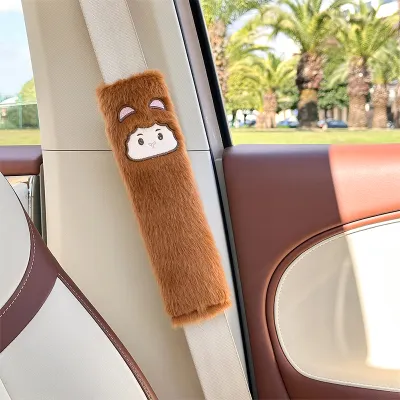
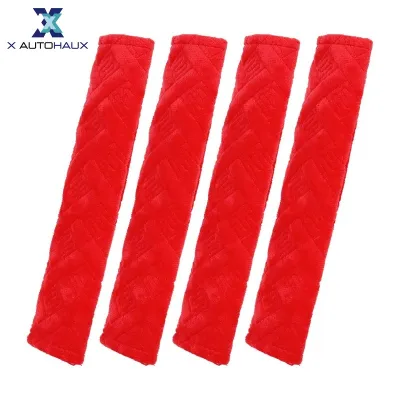
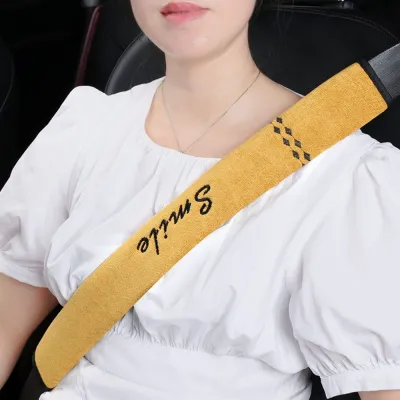
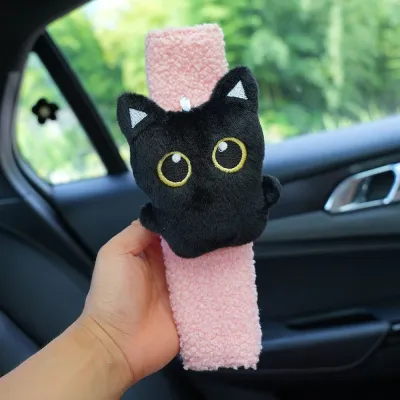
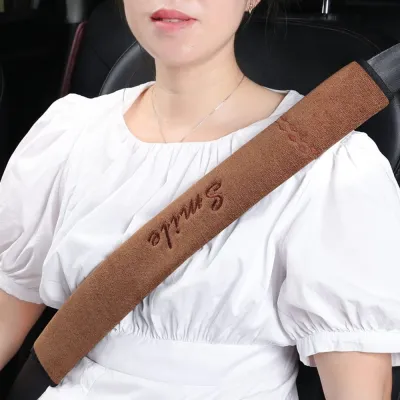
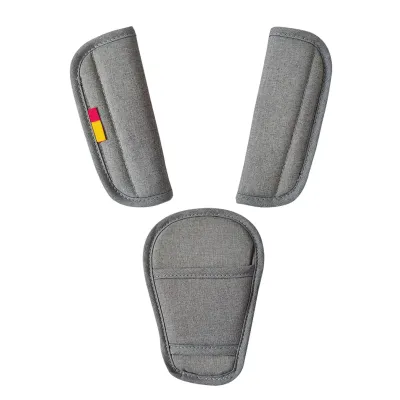
Prices are valid at publication and may change. Please refer to the product page for the latest price.
Furthermore, consider the physical dimensions of the cover in relation to your vehicle’s specific seat belt design. Some modern vehicles feature integrated seat belt guides on the seats themselves, while others have adjustable height anchors on the B-pillar. A cover that is too long or bulky can collide with these components, preventing the belt from adjusting to your height. Ensuring a proper fit is not just about comfort; it is a critical safety step that preserves the engineered geometry of your car’s restraint system.
Key Evaluation Criteria for Tropical Climates
To find the most suitable safety belt cover for Singapore’s weather, you need to evaluate how different materials perform under high heat and humidity. The first criterion is breathability, which refers to how well a material allows air to circulate between the belt and your body. Physical airflow is crucial for preventing sweat buildup along your shoulder and chest during long drives.

The second criterion is moisture management, which includes both sweat absorption and drying speed. In a humid environment, materials that trap moisture without drying quickly can become breeding grounds for bacteria and mold. The third factor is surface temperature retention. When your car is parked under direct sunlight, the interior surfaces absorb heat, and a cover that retains high temperatures can cause immediate discomfort when you buckle up. Finally, consider the ease of cleaning and resistance to odor buildup, as daily exposure to sweat requires regular maintenance to keep the cabin smelling fresh.
Singapore’s unique climate, characterized by high relative humidity often exceeding 80 percent and year-round high temperatures, intensifies these challenges. When a car is parked in an open-air lot, the greenhouse effect can raise cabin temperatures far above the ambient outdoor temperature. Under these conditions, any material in direct contact with your body must be able to dissipate heat quickly and manage perspiration effectively to prevent discomfort and skin irritation.
Leather Safety Belt Covers: Durability and Heat Retention
Leather safety belt covers, whether made of genuine leather or synthetic alternatives like polyurethane (PU) leather, are often chosen for their premium appearance and durability. They blend seamlessly with luxury car interiors and are highly resistant to wear and tear. However, in a hot climate like Singapore, leather has distinct physical limitations. It has high heat retention, meaning it absorbs and holds thermal energy when the vehicle is parked in the sun. Touching a sun-baked leather cover can be highly uncomfortable during the first few minutes of your drive.
Furthermore, leather does not absorb sweat. When you perspire, moisture sits on the surface of the leather, creating a sticky, slippery, or clammy sensation against your skin or light clothing. Over time, exposure to body oils and sweat can cause genuine leather to stiffen or crack if it is not regularly conditioned. While synthetic leather is easier to wipe clean with a damp cloth, it still lacks the breathability needed for hot days. Leather covers are best suited for drivers who park in shaded or indoor car parks and consistently run their vehicle’s air conditioning at lower temperatures.
If you do choose leather, regular maintenance is essential to preserve its texture and appearance. You will need to wipe the cover down weekly with a specialized leather cleaner to remove accumulated sweat salts and body oils. Applying a leather conditioner every few months can help prevent the material from drying out and cracking under the intense tropical sun. For synthetic leather, a simple wipe with a damp microfiber cloth is usually sufficient, though it will not resolve the inherent lack of ventilation.
Fabric Safety Belt Covers: Moisture Absorption and Comfort
Fabric covers, typically made of cotton, polyester, or blended textiles, are popular for their soft texture and immediate comfort. Unlike leather, fabric does not become excessively hot to the touch when exposed to sunlight, making it much more pleasant when you first enter a warm vehicle. The soft surface also reduces friction against delicate clothing, preventing pilling or irritation on your shoulder and neck.
The primary drawback of fabric in a humid tropical climate is its tendency to absorb moisture. When you sweat, the fabric acts like a sponge, pulling moisture away from your skin. While this keeps you dry temporarily, the absorbed sweat remains trapped in the fibers. In Singapore’s high humidity, fabric covers dry slowly, which can lead to sour odors, mold, and mildew buildup. To maintain hygiene, you must check the product labels for washing instructions and shrinkage limits, as fabric covers require frequent laundering.
When selecting a fabric cover, pay close attention to the specific blend of fibers. Pure cotton is highly absorbent but dries very slowly, making it prone to dampness. Polyester and nylon blends tend to dry faster but can sometimes feel slightly rougher against sensitive skin. Regardless of the fabric type, plan to wash these covers at least once every two weeks to prevent the accumulation of sweat, dead skin cells, and environmental dust, which can otherwise create an unpleasant musty smell inside your vehicle.
Breathable Mesh Safety Belt Covers: Airflow and Skin Contact
Breathable mesh covers are specifically engineered to maximize ventilation. They feature a porous, open-weave structure—often made of polyester or nylon—that creates a physical air gap between the seat belt webbing and your chest. This gap allows air from your car’s air conditioning vents to circulate freely, promoting rapid sweat evaporation and keeping your skin cool even during midday drives.
Many high-quality mesh covers utilize a 3D spacer mesh design. This technology uses middle connecting yarns to create a three-dimensional structure that provides cushioned support while maintaining open pathways for airflow. This ensures that even when the cover is compressed against your shoulder by the tension of the seat belt, the air channels remain open, allowing heat and moisture to escape continuously.
While mesh is highly effective at managing heat, you should carefully inspect the material’s texture before buying. Some low-quality mesh covers can have stiff, abrasive edges that rub uncomfortably against your neck or snag delicate fabrics like silk or knitwear. Look for designs with soft edge binding or microfiber borders to prevent skin irritation. Additionally, the open pores of mesh covers can accumulate dust, lint, and dead skin cells over time. Cleaning them requires shaking them out regularly or using a vacuum attachment, followed by a gentle hand wash to clear the ventilation holes.
Comparison Matrix and Decision Framework
To help you decide which material fits your driving habits, consider the following comparison of key performance characteristics:
| Material | Airflow & Ventilation | Moisture Handling | Cleaning Effort | Tactile Comfort |
|---|---|---|---|---|
| Leather | Low | Low (non-absorbent, sticky) | Low (wipe clean) | Firm, premium |
| Fabric | Medium | High absorption, slow drying | Medium (requires washing) | Very soft, low friction |
| Mesh | High | High evaporation, fast drying | Medium (requires dust removal) | Textured, highly breathable |
Your final choice should align with your daily driving environment and maintenance preferences. If your priority is maximum cooling and you frequently park outdoors, choose a breathable mesh cover to facilitate airflow. If you prefer a soft, cushioned feel and do not mind washing the cover regularly to prevent odors, fabric is an excellent option. For those who park primarily in sheltered corporate or residential car parks and want an accessory that is easy to wipe clean without laundering, a leather cover is highly suitable.
Before making a purchase on any online marketplace or local automotive shop, verify the product dimensions. Measure the width of your vehicle’s seat belt webbing—most standard belts are about 4.6 to 5 centimeters wide—to ensure the cover fits snugly without bunching or sliding down. A cover that is too loose can slide and block the buckle, while one that is too tight can compress the belt and restrict its natural movement. Also, check the length of the cover; a length of 22 to 25 centimeters is typically ideal for providing shoulder comfort without interfering with the belt’s upper anchor point.
Frequently Asked Questions (FAQ)
Can I wash my safety belt cover in a washing machine?
You must check the manufacturer’s care label on the product before placing any safety belt cover in a washing machine. Many fabric and mesh covers are machine-washable, but they should be washed on a gentle cycle inside a laundry mesh bag to protect the hook-and-loop fasteners from snagging other items. Avoid machine washing for covers that feature thick internal foam padding, rigid plastic inserts, or leather trims, as the agitation can warp their shape or degrade the materials. For these structured covers, hand washing in lukewarm water with a mild detergent and allowing them to air dry completely in a shaded, well-ventilated area is the safest way to prevent shrinkage and structural damage.
Do safety belt covers affect the seat belt retractor mechanism?
Yes, safety belt covers can affect the retractor mechanism if they are too thick, too long, or positioned incorrectly. When you unbuckle, the seat belt relies on a spring-loaded retractor to pull the webbing back into the B-pillar slot. If a thick cover bunches up near the shoulder guide or the retractor slot, it can jam the mechanism, leaving the belt slack and compromised. To prevent this, always position the cover so that it rests comfortably on your shoulder and chest, well away from the upper retractor guide and the lower buckle latch. After installing any cover, pull the seat belt out fully and let it retract to verify that it moves smoothly and locks securely without any hesitation.

Community discussion
Share your experience or ask a question. Comments are reviewed before publication.