
Selecting the right car seat back support material is a decision that directly impacts your daily driving comfort, spinal alignment, and overall cabin experience. In tropical climates like Singapore, where high humidity and intense solar heat can turn a vehicle interior into an oven within minutes, the material covering your lumbar support plays a critical role in temperature regulation. While leather offers an upscale aesthetic and effortless maintenance, fabric provides a temperature-stable surface with excellent grip, and breathable mesh delivers exceptional ventilation to prevent heat buildup. Finding the right balance requires evaluating how each material handles heat, retains its structural shape over time, and integrates with your vehicle’s existing safety systems.
Core Criteria for Evaluating Seat Back Support Materials
To make an informed choice, you must evaluate candidate materials across three primary performance dimensions: thermal comfort, structural integrity, and maintenance requirements. In tropical regions, breathability is often the foremost concern. When a driver sits against a support for extended periods, heat and perspiration can become trapped, leading to discomfort and skin irritation. A material’s ability to facilitate airflow or remain temperature-stable under direct sunlight determines whether you arrive at your destination feeling refreshed or fatigued.
Beyond climate control, the material must support the physical mechanics of your body. A car seat back support is designed to maintain the natural inward curve of your lumbar spine. Over months and years of daily commuting, the material must resist compression and stretching. If the outer cover or its internal padding degrades, the support collapses, leading to poor driving posture and potential back strain.
Products mentioned in this guide
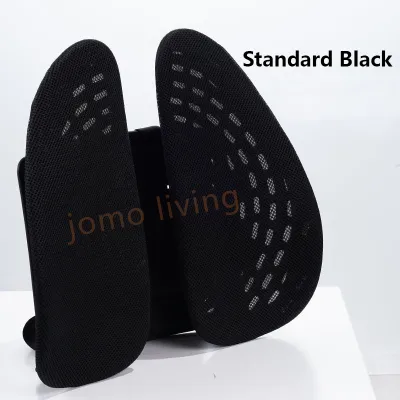
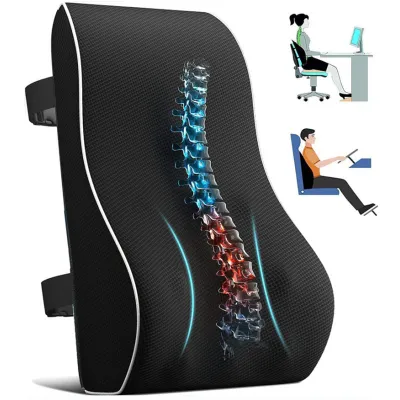
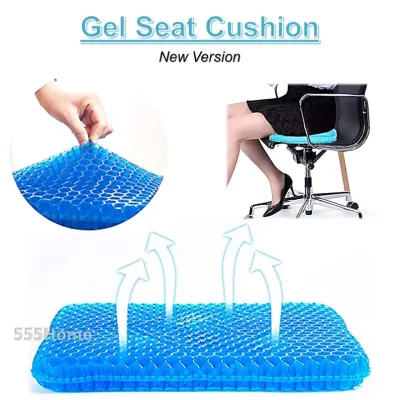
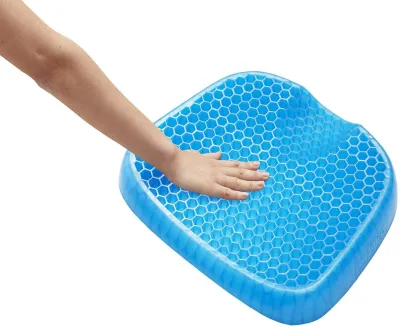
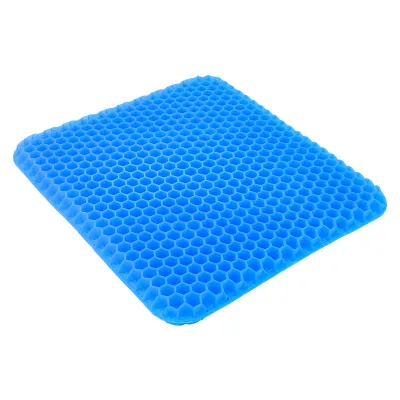
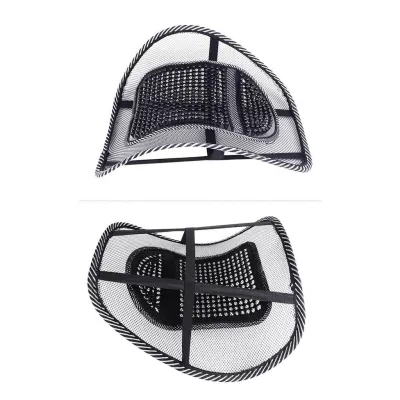
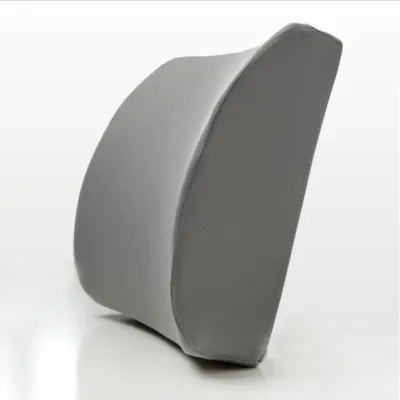
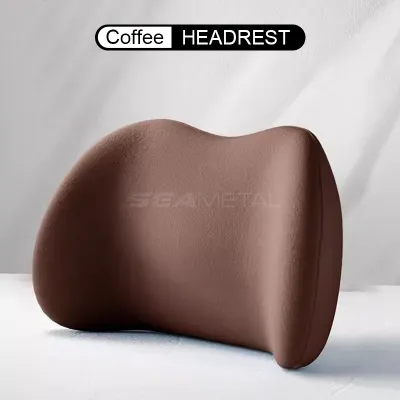
Prices are valid at publication and may change. Please refer to the product page for the latest price.
Finally, daily wear and tear, exposure to sweat, and accidental spills dictate the maintenance profile of each material. Some drivers prefer a simple wipe-down routine, while others do not mind periodic vacuuming or deep cleaning if it means enjoying a softer, more slip-resistant seating surface.
Leather: Premium Feel and Easy Maintenance
Leather, whether genuine or high-quality synthetic polyurethane (PU), remains a popular choice for drivers seeking a sophisticated cabin appearance. The primary advantage of leather is its strong resistance to liquids and dirt. If you spill coffee, water, or food on a leather-covered back support, the liquid pools on the surface rather than soaking into the internal cushioning. A quick wipe with a damp microfiber cloth is usually all that is required to restore the material to its original state, making it highly practical for families or those who frequently eat or drink in their vehicles.

However, leather presents distinct challenges in hot climates. Because it is a dense, non-porous material, it absorbs and retains heat rapidly. If your car is parked in an open lot under direct sunlight, the leather surface can become uncomfortably hot to the touch. Furthermore, without active cabin cooling or ventilated seats, leather can trap body heat and sweat against your back, leading to a damp and sticky driving experience during long journeys.
To mitigate these thermal drawbacks, look for perforated leather options. Perforations consist of tiny, evenly spaced holes that allow a degree of air exchange between your body and the seat back. Additionally, verify if the back support utilizes a hybrid design, such as a leather face combined with a breathable 3D mesh backing or sides. This combination preserves the premium look and easy-to-clean nature of the front surface while allowing trapped heat to escape through the sides.
Fabric: Consistent Comfort and Durability
Fabric seat covers and back supports, typically woven from polyester, nylon, or blended textiles, offer a highly stable and temperature-neutral driving surface. Unlike leather, fabric does not absorb solar radiation to the point of becoming scorching hot, nor does it feel freezing cold when the air conditioning is running at full capacity. This thermal stability ensures immediate comfort the moment you step into the vehicle, regardless of how long it has been parked in the sun.
Another significant benefit of fabric is its natural friction. The textured weave of textile materials provides excellent grip, preventing your torso from sliding or shifting during cornering or sudden braking. This stability helps keep your spine properly aligned with the lumbar support, reducing the need for constant posture adjustments while driving. High-quality automotive fabrics are also exceptionally durable, resisting scuffs, scratches, and tears from keys, pocket rivets, or pet claws.
The trade-off with fabric lies in its susceptibility to stains and odors. Because fabric is porous, it readily absorbs sweat, body oils, spilled liquids, and ambient moisture. Over time, this can lead to deep-seated stains, unpleasant odors, and the accumulation of dust mites or allergens. Managing fabric requires regular maintenance, including vacuuming with a brush attachment to remove loose debris and applying specialized fabric protectors or upholstery cleaners to guard against liquid penetration.
Breathable Mesh: Maximum Airflow and Ergonomic Contouring
Breathable mesh is a highly effective material for drivers prioritizing ventilation and moisture control. Constructed from tightly woven synthetic fibers like nylon or polyester, mesh features an open, net-like structure that allows air to circulate freely behind your back. This continuous airflow accelerates the evaporation of sweat and prevents heat from building up between your body and the seat, making it an exceptional choice for long commutes in humid environments.
While mesh excels at temperature regulation, its structural support mechanism differs fundamentally from leather and fabric. Mesh itself has minimal load-bearing capacity; instead, it relies entirely on the tension of the weave and the rigidity of its underlying frame. High-quality mesh back supports feature robust plastic, steel, or composite frames that hold the mesh taut, allowing it to contour naturally to the shape of your spine while distributing your body weight evenly.
When selecting a mesh back support, it is crucial to inspect the build quality. Check the tension of the mesh by pressing firmly on the center; it should yield slightly to cradle your back but immediately spring back to its original shape without sagging. Examine the edge binding and frame attachments, as these areas bear the highest stress. Low-quality mesh supports often suffer from premature sagging or frame warping, which quickly compromises the ergonomic benefits and leaves you with inadequate lumbar support.
Material Comparison and Decision Framework
To help you synthesize these material characteristics and choose the best option for your vehicle, refer to the comparison matrix below:
| Feature | Leather / Synthetic Leather | Woven Fabric | Breathable Mesh |
|---|---|---|---|
| Breathability | Low (unless perforated) | Moderate | High |
| Temperature Stability | Low (heats up in sun) | High (remains neutral) | High (excellent airflow) |
| Cleaning Effort | Low (wipe-clean) | Moderate to High (requires vacuuming/washing) | Low to Moderate (dusting/wiping frame) |
| Support Longevity | High (retains shape well) | High (depends on inner foam) | Moderate (depends on frame/tension) |
| Surface Grip | Low to Moderate | High (prevents sliding) | Moderate |
Choose Leather if:
- You prioritize a premium, cohesive interior aesthetic that matches your car's existing leather upholstery.
- You frequently carry children or pets, or consume drinks in the car, making spill resistance and quick cleanup your top priority.
- Your vehicle is equipped with ventilated seats or is consistently parked in shaded, temperature-controlled garages.
Choose Fabric if:
- You want immediate, temperature-neutral comfort without waiting for the cabin air conditioning to cool down the seats.
- You prefer a secure, high-grip seating surface that prevents you from sliding during spirited driving.
- You are willing to perform regular vacuuming and spot-cleaning to maintain a fresh, allergen-free cabin environment.
Choose Mesh if:
- You suffer from excessive back sweat or discomfort due to heat buildup during long commutes.
- You prefer a lightweight, flexible support system that contours dynamically to your back's natural movements.
- You can verify that the product features a high-tension weave and a rigid, durable frame that will not sag over time.
Verify first if: Before finalizing your choice, verify how the back support interacts with your specific vehicle seat shape. Some highly contoured sports seats may not accommodate rigid mesh frames flatly, while flat, bench-like seats might require a thicker foam-backed leather or fabric support to provide adequate depth. If you have an existing medical back condition, consult your healthcare provider to determine whether a firm, structured support or a softer, contouring cushion is more appropriate for your spinal alignment.
Installation, Fitment, and Safety Checks
Regardless of the material you choose, safety must remain your primary consideration when installing any aftermarket car seat back support or cover. Modern vehicle seats are highly engineered safety systems containing sensitive electronic components and life-saving restraint mechanisms. You must verify that the installation of your back support does not interfere with these systems.
First and foremost, check for side-airbag compatibility. Many modern vehicles feature side airbags embedded within the outer bolster of the front seatbacks. If you install a full-seat cover or a back support with thick wrapping straps, you could block the deployment path of these airbags. Ensure that any cover you use features certified breakaway seams designed to split open instantly upon airbag deployment, or opt for an open-sided back support design that leaves the seat bolsters completely unobstructed.
Second, ensure that all mounting straps, buckles, and anchors do not block or interfere with headrest posts, seatbelt buckles, or seat adjustment levers. The back support must be securely fastened so that it does not shift or slide during sudden maneuvers, which could distract you or impede your control of the vehicle.
Finally, perform a physical test drive in a safe, controlled environment. The back support should position your spine comfortably without pushing your entire torso too far forward. If the support is too thick, it can compromise your reach to the pedals or place your chest too close to the steering wheel airbag deployment zone. Adjust your seat track and steering wheel position according to your vehicle’s manual to maintain a safe, ergonomic driving posture.
Frequently Asked Questions (FAQ)
Can I add an extra lumbar cushion to a mesh seat cover?
Yes, you can add an extra lumbar cushion, but you must position it carefully to avoid neutralizing the mesh’s primary benefit. Placing a thick, solid foam cushion directly behind or in front of the mesh will block the airflow path, trapping heat against your back. If you require additional physical support, look for specialized, highly ventilated lumbar pads or semi-rigid inserts designed specifically to clip onto the mesh frame without sealing off the ventilation zones. Ensure that any mounting straps do not over-tension or distort the main mesh fabric, as this can lead to premature sagging or structural damage to the frame.
How do I clean fabric seat covers without damaging the back support padding?
To clean fabric seat covers without damaging the underlying back support padding, you must limit the amount of moisture used during the cleaning process. Excess water can easily penetrate the fabric outer layer and soak into the internal foam or fiber padding, creating a damp environment prone to mold, mildew, and unpleasant odors. Instead, use a specialized automotive upholstery foam cleaner or a highly diluted fabric shampoo according to the manufacturer’s label-authorized instructions. Apply the foam or cleaner to a microfiber cloth or soft-bristled brush, gently agitate the surface fabric, and wipe away the residue with a clean, damp cloth. Always allow the seat cover to dry completely in a well-ventilated area, preferably out of direct, intense sunlight to prevent fabric fading, before reinstalling it in your vehicle.

Community discussion
Share your experience or ask a question. Comments are reviewed before publication.