
Deciding whether to install a car leather seat cover in Singapore requires balancing aesthetic luxury with the realities of a tropical climate. The short answer is yes, leather seat covers are highly suitable, but only if you choose the right type of leather and specific design features. While low-grade synthetic covers can turn your cabin into a virtual sauna, high-quality genuine leather or specialized breathable synthetics can handle the heat effectively when properly maintained.
Singapore’s year-round ambient temperatures of 30°C to 34°C, paired with relative humidity levels that frequently exceed 80%, place unique demands on automotive interiors. Understanding how these factors interact with different seat materials is the first step toward maintaining a comfortable, pristine cabin.
How Tropical Heat and Humidity Affect Leather Comfort
When a vehicle is parked in an open-air HDB multi-storey carpark or an outdoor lot, solar radiation penetrates the glass windows and heats the interior. This greenhouse effect causes cabin temperatures to soar far above the outside air temperature. Materials with high thermal mass, such as thick upholstery, absorb this heat and retain it long after you turn on the air conditioning. Sitting on a heat-soaked surface causes immediate physical discomfort, which is worsened if the material cannot dissipate thermal energy quickly.
Products mentioned in this guide
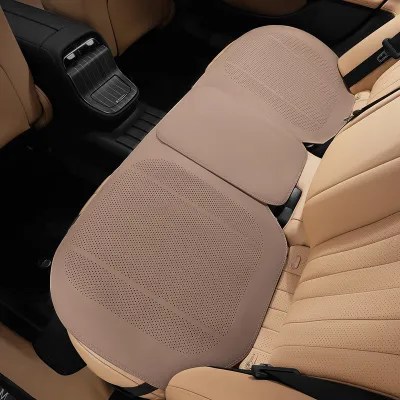
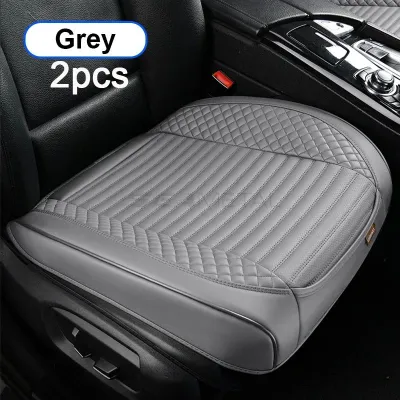
![[SG stock] Car Seat Cover PU Leather Interior Protector Mats Cushion 5 Seaters Chair Seatcover Pad for SUV Sedan Truck](https://img.lazcdn.com/g/p/b14fc2d13251d1235315b5f39912a158.jpg_400x400q80.jpg_.webp)
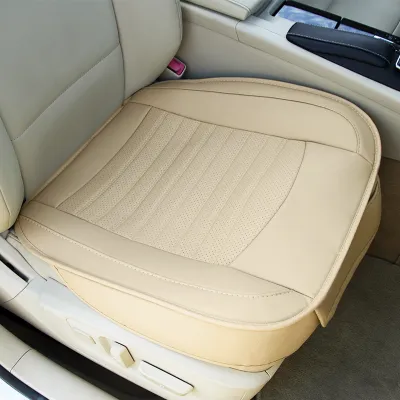
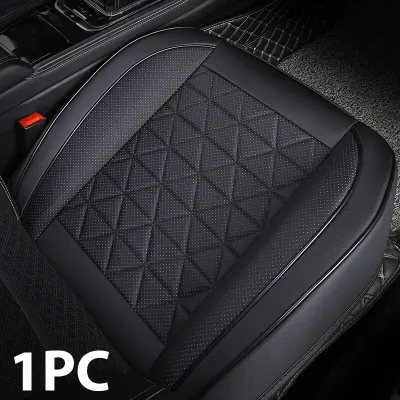
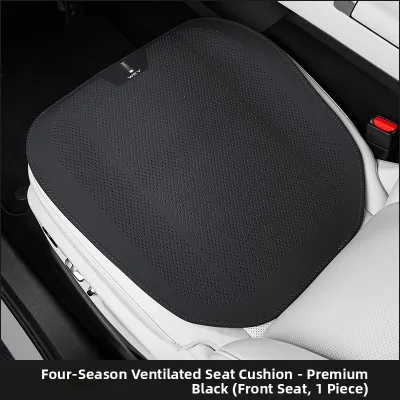
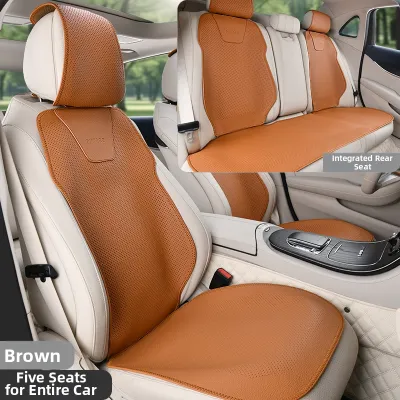
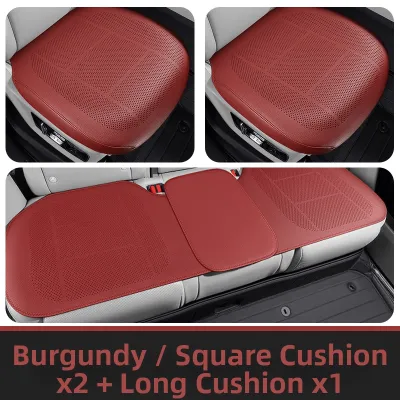
Prices are valid at publication and may change. Please refer to the product page for the latest price.
Humidity introduces another layer of discomfort. In Singapore’s damp atmosphere, skin moisture and sweat do not evaporate quickly. When your skin comes into contact with a non-breathable surface, sweat becomes trapped between your body and the seat back, resulting in a sticky, clammy sensation. This lack of ventilation is a primary source of discomfort during longer commutes along the PIE or CTE.
To understand why some seats feel hotter than others, it helps to distinguish between genuine and synthetic materials:
- Genuine Leather: This natural material consists of animal hide, which features microscopic pores and a fibrous structure. These pores allow a degree of natural breathability, letting heat and moisture escape more freely than they would through solid plastic.
- Standard Synthetic Leather (PU or PVC): Standard polyurethane (PU) and polyvinyl chloride (PVC) covers are essentially solid plastic layers bonded to a fabric backing. Because they lack natural pores, they act as vapor barriers, trapping body heat and sweat against your skin.
What to Look for in a Car Leather Seat Cover for Hot Climates
To mitigate the thermal challenges of a tropical climate, specific product features should guide your purchase. Selecting a cover designed for heat dissipation ensures your car leather seat remains comfortable even after hours under the sun.

Perforated Designs
Perforations are tiny, evenly spaced holes punched into the seating surface. These openings facilitate airflow and allow trapped heat to escape from the cushion beneath. If your vehicle is equipped with factory-installed ventilated or cooled seats, perforated covers are mandatory; solid covers will block the airflow entirely, rendering your ventilation system useless.
UV-Resistant Coatings
Singapore’s high UV index accelerates the degradation of automotive interiors. Over time, ultraviolet rays break down the chemical bonds in both genuine and synthetic leather, leading to fading, hardening, and eventual cracking. Look for seat covers treated with UV-resistant topcoats, which reflect or absorb harmful radiation to preserve the material’s structural integrity.
Color Thermodynamics
Basic physics dictates that dark colors absorb more light energy across the spectrum, converting it into heat, while lighter colors reflect a larger portion of solar radiation. Opting for tan, beige, grey, or off-white seat covers can noticeably reduce surface temperatures upon entry compared to deep black or charcoal options.
Material Specifications and Airbag Safety
Always review the manufacturer’s specifications for moisture-wicking properties and tropical climate warranties. Crucially, before purchasing any seat cover, verify its compatibility with your vehicle’s safety systems. Many modern vehicles feature seat-mounted side-impact airbags. If your seat covers are not specifically designed with weak, deployable seams in the airbag deployment zones, they can delay or completely block the airbag from opening during an accident. Check your vehicle’s owner manual and ensure the seat cover manufacturer provides certified proof of airbag compatibility.
Maintaining Leather Seats in High Humidity and Heat
Singapore’s climate accelerates the buildup of sweat, body oils, and environmental moisture on your seats. Without regular maintenance, these organic residues combine with high humidity to create an ideal breeding ground for mold and mildew, which can ruin your interior and cause unpleasant odors.
Routine Cleaning Protocol
Establish a bi-weekly cleaning habit to protect your seats. Wipe down the surfaces with a clean, slightly damp microfiber cloth to remove surface dust and sweat salts. For deeper cleaning, use a dedicated leather cleaner. Always check the product label to ensure it is compatible with your specific material (genuine vs. synthetic). Avoid harsh household detergents, which can strip away the factory-applied UV protective coatings.
Conditioning and Protecting
If you have genuine leather, apply a high-quality leather conditioner every three to six months to keep the hide supple. When applying conditioners or protectants, use them sparingly. Excess product can clog the perforations in your seats, trapping dirt and reducing breathability. For synthetic leather, use protectants specifically formulated for vinyl or PU, as standard leather conditioners will not penetrate the synthetic surface and will leave a greasy residue.
Environmental Controls
Preventing damage is easier when you manage the cabin’s microclimate:
- Solar Window Films: Install high-quality, LTA-compliant solar films on your windows to block infrared and ultraviolet rays.
- Physical Sunshades: Place a reflective physical sunshade across your windshield whenever you park in direct sunlight.
- Dehumidifiers: Use small, automotive-safe dehumidifier packs inside the cabin to absorb excess moisture when the car is parked overnight.
Professional Boundary
While routine wiping and conditioning are safe DIY tasks, some issues require professional help. If you discover deep-set mold colonies spreading through the perforations, severe peeling of the synthetic coating, or deep structural cracks in genuine leather, stop using DIY chemical treatments. Consult a qualified automotive upholstery specialist in Singapore to address these issues without causing further damage.
Comparing Leather with Breathable Seat Cover Alternatives
If your primary goal is maintaining the coolest possible seating surface, it is worth comparing leather with other common seat cover materials. Each material presents distinct trade-offs regarding heat management, cleanliness, and long-term durability.
Fabric and Cloth
Fabric covers offer excellent initial breathability. They do not retain heat the way leather does, meaning they feel much cooler when you first step into a sun-baked car. However, fabric is highly porous and absorbent. In Singapore’s humid climate, fabric covers easily absorb sweat, spilled drinks, and ambient moisture, making them prone to staining, deep-set odors, and bacterial growth.
3D Mesh and Micro-Suede
Advanced synthetic materials, such as 3D spacer mesh or high-end micro-suede, offer a practical middle ground. 3D mesh uses an open, three-dimensional weave that allows air to circulate freely beneath your body, providing superior cooling. While these materials are more breathable than leather, they lack the premium aesthetic and can be more difficult to wipe clean if dirt or liquids are spilled on them.
Material Comparison Matrix
| Material Type | Breathability & Cooling | Ease of Cleaning | Durability in High Humidity | Best Suited For |
|---|---|---|---|---|
| Genuine Leather | Moderate (via natural pores) | High (easy to wipe clean) | High (with proper conditioning) | Drivers seeking a premium look who can commit to routine maintenance. |
| Synthetic Leather (PU/PVC) | Low (unless highly perforated) | Very High (highly resistant to liquids) | Moderate (coatings can peel over time) | Budget-conscious drivers wanting a leather aesthetic with minimal cleaning effort. |
| Fabric / Cloth | High (cool initial touch) | Low (absorbs liquids and odors) | Low (prone to dampness and mold) | Drivers prioritizing immediate thermal comfort who rarely eat or drink in the car. |
| 3D Mesh / Micro-Suede | Very High (excellent airflow) | Moderate (requires vacuuming/spot cleaning) | High (synthetic fibers resist rot) | Commuters seeking maximum ventilation and cooling during long drives. |
Weighing these trade-offs will help you choose a seat cover that matches your daily driving habits, maintenance preferences, and comfort requirements in Singapore’s tropical environment.
Frequently Asked Questions (FAQ)
Do perforated leather seat covers actually stay cooler?
Yes, perforated leather seat covers stay cooler than solid covers because the tiny perforations allow heat to escape from the seat cushion and improve airflow around your body. However, the material will still absorb solar heat if the car is parked in direct sunlight. The cooling benefit of perforations is most effective when paired with an active cabin air conditioning system or factory-installed ventilated seats, which push cool air directly through the openings.
Can high humidity cause mold on car leather seats?
Yes, high relative humidity can cause mold growth on car leather seats. When organic residues like sweat, skin cells, and body oils accumulate on the seat surface, they combine with trapped atmospheric moisture to create a perfect environment for mold spores. This risk is higher for genuine leather due to its organic nature and in vehicles parked for long periods in damp, unventilated spaces. Regular cleaning and using cabin dehumidifiers help prevent this issue.
Are synthetic leather seats hotter than genuine leather?
Generally, standard synthetic leather seats (made of PU or PVC) feel hotter and stickier than genuine leather. Synthetic materials lack the natural microscopic pores of genuine hide, which prevents them from breathing or absorbing moisture. This causes heat and sweat to build up quickly on the surface. However, high-quality, engineered synthetic covers designed with deep perforations or specialized cooling backings can perform similarly to genuine leather.
Community discussion
Share your experience or ask a question. Comments are reviewed before publication.