
To prevent sweat and manage heat during daily drives in Singapore’s tropical climate, breathable mesh and 3D spacer materials are generally the most effective options. These materials feature open physical structures that allow continuous airflow and accelerate sweat evaporation. While leather offers a premium look and standard fabric absorbs initial moisture, neither can match the passive ventilation of a true mesh cover. Choosing the right material requires balancing these cooling properties against your daily driving habits, maintenance preferences, and vehicle safety features.
Evaluating aftermarket seat covers involves looking beyond surface aesthetics. The right choice must actively manage the heat and humidity that accumulate in a closed cabin, especially when parked under direct sunlight. By understanding how different materials interact with body heat and moisture, you can select a cover that keeps your drive comfortable and dry.
How Seat Cover Materials Manage Heat and Moisture
To understand why certain seat covers cause sweating while others prevent it, you must look at how materials handle heat transfer and moisture. Breathability is often misunderstood as simple material porosity. While a fabric might have microscopic pores, true breathability in a car seat context requires structural airflow—the ability for air to move freely through the material and carry heat away from your body.
Products mentioned in this guide
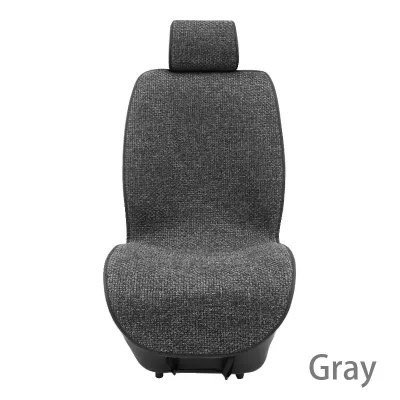
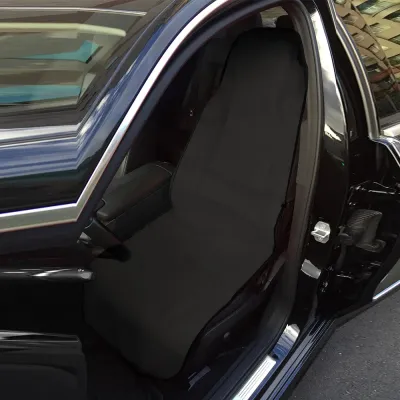
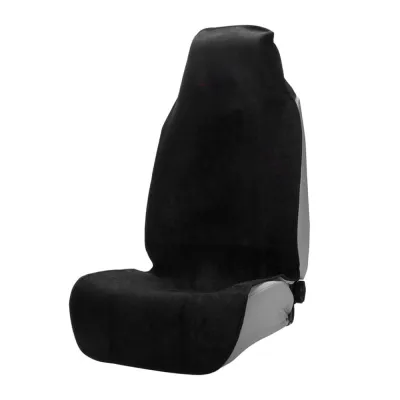
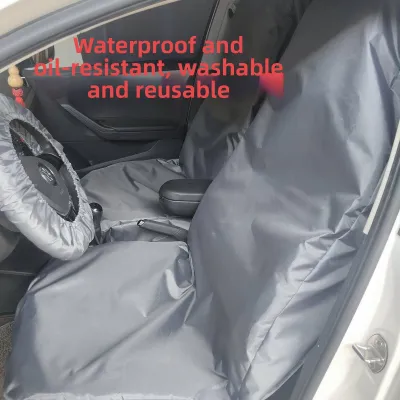
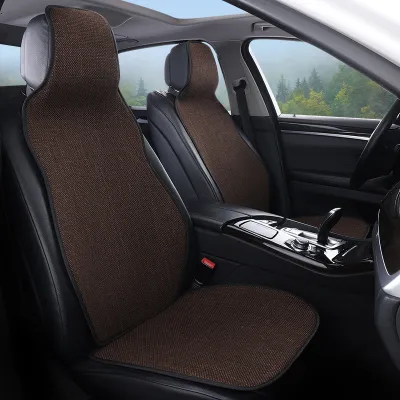
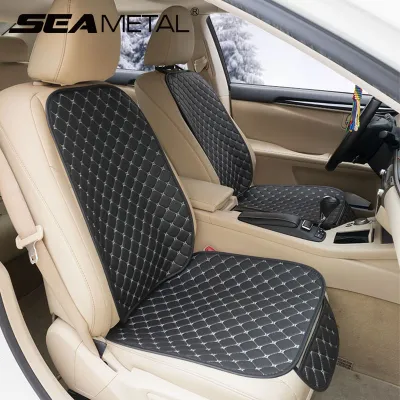
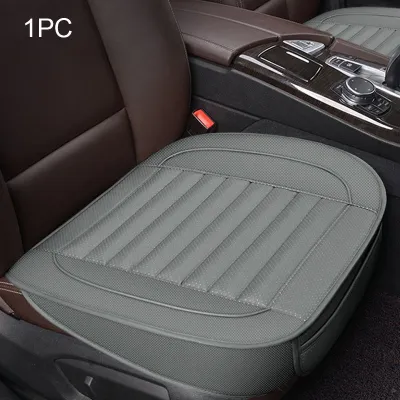
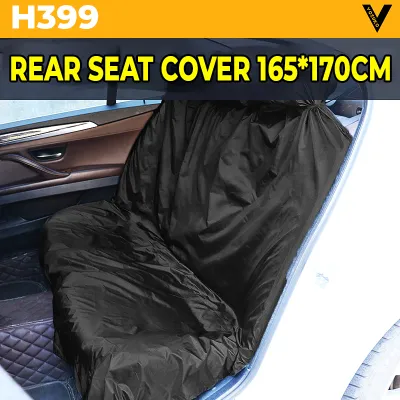
Prices are valid at publication and may change. Please refer to the product page for the latest price.
Moisture management is another critical factor. Standard materials often absorb sweat, holding the moisture within their fibers and leaving you feeling damp. High-performance materials focus on moisture wicking, which pulls perspiration away from your skin and spreads it across a larger surface area to speed up evaporation. Without efficient evaporation, any absorbed moisture will quickly make the seat feel humid and uncomfortable.
Surface heat conductivity also dictates how hot a seat feels when you first get into the car. Materials with high thermal conductivity transfer heat rapidly to your body, while those with low conductivity act as insulators. Additionally, dark-colored covers absorb more radiant heat from the sun, significantly raising the initial surface temperature of your seats before you even start your drive.
Leather and Synthetic Leather Options
Solid genuine leather and synthetic alternatives like polyurethane (PU) leather are popular for their premium appearance and ease of cleaning, but they present distinct challenges in hot climates. Because solid leather has virtually no porosity, it acts as a thermal barrier. When you sit on a solid leather seat, your body heat is trapped against the surface, quickly leading to perspiration and the uncomfortable “sticking” sensation.

Perforated leather designs attempt to address this issue by incorporating tiny punctures across the seating surface to allow air exchange. While perforations do improve initial heat dissipation, their effectiveness depends heavily on the layers underneath. If the seat cover features a thick, non-porous foam backing or a solid lining, the perforations cannot circulate air effectively, and moisture will still become trapped.
Furthermore, sweat contains natural salts and body oils that can damage leather over time. If these residues are left on the surface in a high-humidity environment, they can break down the protective coatings, leading to cracking, stiffening, and discoloration. Maintaining leather covers requires regular wipe-downs with authorized leather cleaners specified for automotive use to prevent long-term degradation.
Standard Fabric and Cloth Covers
Standard woven fabric and cloth seat covers offer a softer, more traditional feel and are highly accessible. Unlike solid leather, woven cloth is naturally porous, allowing a moderate amount of air to pass through the weave. This porosity helps prevent the immediate, intense heat buildup associated with synthetic leather surfaces when first entering a hot vehicle.
However, standard cloth tends to absorb and hold moisture rather than wicking it away. During a long drive, sweat is absorbed directly into the fabric fibers, which can leave the seat feeling damp and clammy. In Singapore’s consistently high humidity, damp fabric dries very slowly, creating an ideal environment for bacterial growth, musty odors, and mold within the seat cushion.
When evaluating fabric options, it is important to check the manufacturer’s product labels for weave density and material composition. Tightly woven synthetic fabrics may restrict airflow more than loose, textured weaves. Some aftermarket fabric covers feature specialized moisture-wicking finishes or treated fibers designed to accelerate drying, which can help mitigate the risk of odor buildup.
Breathable Mesh and 3D Spacer Materials
Breathable mesh and 3D spacer fabrics are engineered specifically to maximize ventilation and moisture evaporation. A 3D spacer fabric uses a unique three-dimensional knitting process that places a micro-filament support layer between two outer mesh walls. This structure creates a permanent physical air gap of several millimeters, allowing air to circulate freely beneath your body as you drive.
This continuous airflow promotes rapid sweat evaporation, keeping your skin dry and preventing heat from building up. Because these materials do not trap moisture, they are highly resistant to the dampness and subsequent odors that commonly plague standard cloth covers. This makes them highly suited for drivers who frequently commute during the hottest parts of the day.
Despite their cooling advantages, mesh materials have structural trade-offs. The open, textured weave of mesh can feel slightly rougher against bare skin compared to smooth leather or soft cloth. Mesh is also more susceptible to snagging on sharp objects like keys, zippers, or hook-and-loop fasteners. Additionally, because of their structured nature, some 3D mesh covers may not conform as smoothly to highly contoured sports seats, potentially affecting the overall fit.
When purchasing mesh seat covers, you must carefully inspect the backing material. Many aftermarket options feature a solid rubberized or PVC backing designed to prevent the cover from sliding on the seat. This solid backing completely blocks airflow, neutralizing the breathability of the mesh top layer. Look for covers that use non-slip silicone dots or breathable, textured backing materials instead.
Decision Framework: Matching Material to Your Driving Routine
To choose the best seat cover for your vehicle, you must weigh the physical properties of each material against your daily driving habits and maintenance preferences. The following matrix summarizes how each material performs across key categories:
| Material Type | Airflow Performance | Moisture Handling | Maintenance Effort | Ideal Driving Scenario |
|---|---|---|---|---|
| Breathable Mesh / 3D Spacer | Excellent (Active air gap) | Excellent (Rapid evaporation) | Low (Vacuum and machine wash) | Long daily commutes, high-perspiration driving |
| Standard Fabric / Cloth | Moderate (Porosity-dependent) | Poor (Absorbs and holds sweat) | Moderate to High (Requires deep cleaning) | Short trips, budget-conscious drivers |
| Leather / Synthetic Leather | Poor (Traps body heat) | Poor (No absorption or wicking) | Low (Easy surface wipe-down) | Air-conditioned parking, premium aesthetic preference |
To finalize your decision, apply these conditional guidelines to your specific routine:
- Choose Breathable Mesh if your primary goal is to eliminate back sweat during long drives, you frequently park in unsheltered areas, and you prefer a low-maintenance material that dries quickly.
- Choose Standard Fabric if you prefer a soft, cushioned seating surface, drive mostly short distances, and are committed to regular washing to prevent sweat odors.
- Choose Leather or Synthetic Leather if you prioritize a premium interior look, have access to sheltered parking or active cabin pre-cooling, and want a surface that can be easily wiped clean of dust and spills.
- Verify first if the seat cover's backing material, attachment straps, and overall dimensions are fully compatible with your specific vehicle model and seat shape before making a purchase.
Maximizing Comfort and Protecting Factory Features
Before installing any aftermarket seat cover, you must verify its compatibility with your vehicle’s safety systems. Many modern vehicles feature side-impact airbags integrated directly into the outer bolsters of the front seats. Installing a non-compatible seat cover can obstruct or delay airbag deployment during an emergency, posing a severe safety risk.
Always check the seat cover manufacturer’s documentation for explicit side-airbag certification. Safe covers feature specialized, documented breakaway seams or open side panels designed to let the airbag deploy without interference. If you are unsure about the compatibility or installation process, consult your vehicle’s owner’s manual or seek assistance from a qualified professional installer.
If your vehicle is equipped with factory-installed ventilated or heated seats, aftermarket covers can significantly impact their performance. Thick fabrics, solid leather, or covers with dense foam backings will block the air passages or insulate the heating elements. To preserve these built-in climate features, look for thin, highly porous covers or specialized mesh designs that explicitly state compatibility with active seat ventilation.
Regardless of the material you choose, establishing a routine cleaning protocol is essential to maintain hygiene and protect your factory upholstery. Sweat salts, body oils, and environmental dust accumulate quickly in a humid climate. Vacuum your seat covers regularly to remove loose debris, and clean them using only authorized, material-specific care products according to the manufacturer’s instructions. Ensure the covers are completely dry before reinstalling them to prevent moisture from trapping against the original factory seats.
Frequently Asked Questions (FAQ)
Will seat covers block my factory ventilated seats?
Yes, standard aftermarket seat covers will block or severely restrict the airflow from factory ventilated seats. Active ventilation systems rely on fans to push or pull air through small perforations in the original seat upholstery. If you install a cover with a solid backing, a thick foam layer, or non-porous material, the air cannot circulate. To maintain this feature, you must select specialized, highly porous covers or unbacked mesh designs that are explicitly certified by the manufacturer for use with ventilated seats.
Are cooling gel pads effective for long drives?
Cooling gel pads offer temporary relief but have distinct limitations on longer drives. These pads work by absorbing heat from your body, which provides an immediate cooling sensation when you first sit down. However, because they have limited thermal capacity, the gel will eventually reach thermal equilibrium with your body heat, losing its cooling effect after continuous use in a warm cabin. Additionally, gel pads can alter your seating height and ergonomics, and they may slide around during cornering, which can affect driving comfort compared to a properly fitted, breathable seat cover.

Community discussion
Share your experience or ask a question. Comments are reviewed before publication.