
Choosing the right car back support in Singapore requires balancing ergonomic comfort with the realities of a tropical climate. With outdoor temperatures regularly soaring and relative humidity levels remaining consistently high, the interior of a parked vehicle can quickly turn into an oven. The material you place directly against your back plays a critical role in whether your daily commute feels like a refreshing drive or a damp, sticky ordeal.
While ergonomic design dictates how well a support maintains your spinal alignment, the material composition determines how your body manages heat and perspiration. Mesh, leather, and fabric each interact differently with cabin temperatures and body moisture. Finding the ideal option involves evaluating how these materials handle heat absorption, airflow, and long-term hygiene under local driving conditions.
For most drivers navigating Singapore’s humid climate, breathable mesh offers the most effective passive cooling by allowing continuous airflow behind the torso. However, drivers who park primarily in shaded basements or prioritize easy cleaning may find synthetic or genuine leather more practical, while those seeking plush cushioning often lean toward fabric. The best choice ultimately depends on your daily parking habits, commute duration, and maintenance preferences.
Products mentioned in this guide
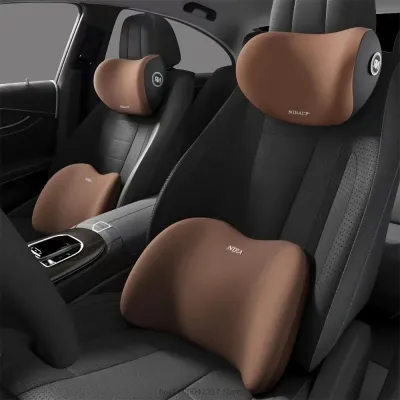
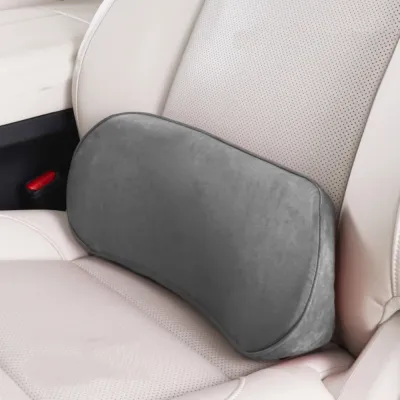
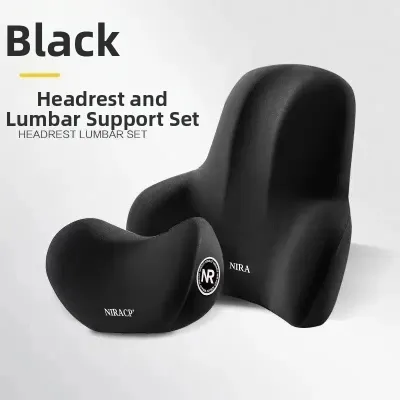
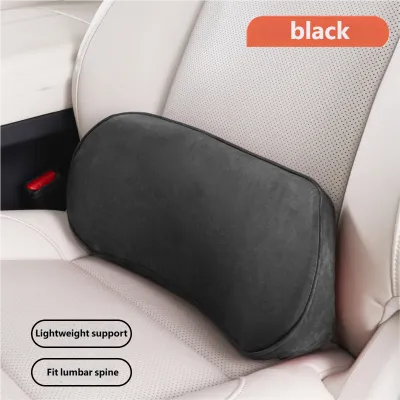
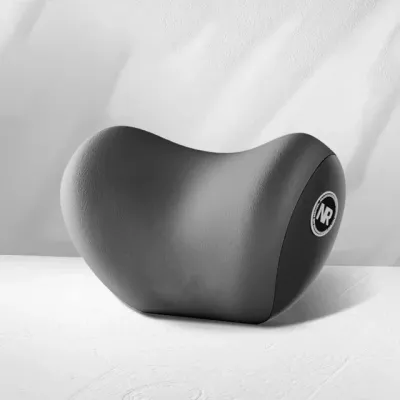

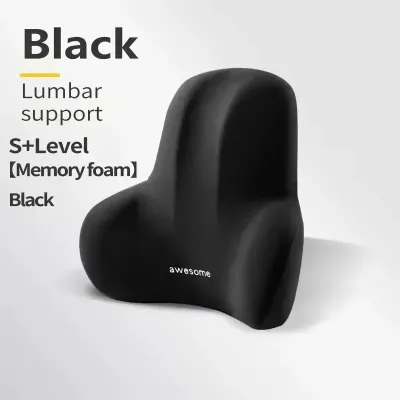
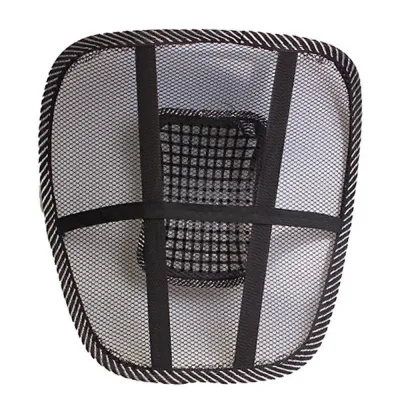
Prices are valid at publication and may change. Please refer to the product page for the latest price.
Key Comfort Criteria for Tropical Climates
To evaluate which car back support material performs best, we must first establish the primary comfort criteria dictated by a tropical environment. The most critical factor is breathability, which refers to a material’s ability to let air circulate freely between your back and the seat. Without adequate ventilation, heat becomes trapped, causing your body temperature to rise and triggering sweat production during even short trips.
Heat retention is another vital consideration, particularly when a car is parked in unsheltered open-air carparks. Materials with high thermal mass absorb solar radiation through the windshield, retaining heat long after you turn on the air conditioning. A support that stays hot to the touch forces your vehicle’s climate control system to work harder and delays your physical comfort.
Moisture management determines how a support handles sweat. In high-humidity environments, sweat does not evaporate easily from the skin. A good back support must either wick moisture away to promote evaporation or resist absorbing sweat entirely to prevent the internal padding from becoming damp and harboring bacteria.
Finally, ease of cleaning and resistance to mold are essential for long-term usability. Singapore’s persistent humidity creates an ideal breeding ground for mold, mildew, and musty odors. A back support that is difficult to sanitize or takes days to dry can quickly become a hygiene hazard, making removable covers or wipeable surfaces highly desirable.
Leather Back Supports: Durability and Heat Retention
Leather back supports, whether made from genuine hides or high-quality synthetic alternatives like polyurethane (PU) leather, offer a premium aesthetic that matches many modern car interiors. These materials are highly valued for their structural durability and resistance to wear, making them a long-lasting investment for daily drivers. However, their performance in tropical climates presents distinct challenges that require careful management.

The primary drawback of leather in hot climates is its high heat retention. When your vehicle is parked under direct sunlight, leather surfaces absorb thermal energy rapidly, often reaching temperatures that are uncomfortable to touch. Sitting against a sun-baked leather support immediately transfers this heat to your back, causing discomfort before the cabin air conditioning has had sufficient time to cool the interior.
Because leather is naturally non-porous, it lacks inherent breathability. Even if the support features perforated patterns, the actual airflow remains minimal compared to open-weave designs. Consequently, drivers must rely heavily on the vehicle’s air conditioning system to lower the surface temperature, and any sweat generated during the drive remains trapped between the skin and the non-absorbent surface.
On the positive side, leather excels at moisture resistance and hygiene. Sweat, spilled drinks, or dirt cannot easily penetrate the surface, allowing you to simply wipe the support clean with a microfiber cloth. This prevents moisture from seeping into the inner foam padding, significantly reducing the risk of deep-seated odors and mold growth, provided the material is regularly conditioned to prevent cracking in the humid air.
Fabric Back Supports: Softness and Moisture Management
Fabric and cloth back supports are popular for their soft, plush feel and immediate comfort. Unlike leather, fabric does not become scorching hot when exposed to sunlight, offering a much cooler initial touch when you first enter a sun-drenched vehicle. This makes fabric an appealing option for drivers who dislike the sudden shock of hot seats after parking outdoors.
However, the open fibers of fabric supports act like a sponge for moisture. In Singapore’s humid climate, any perspiration from your back is quickly absorbed into the fabric weave and the underlying cushioning. Over time, this accumulated sweat leads to salt stains, deep-seated dampness, and a buildup of body oils that can cause persistent, unpleasant odors inside the cabin.
The breathability of a fabric support depends heavily on the tightness of its weave and the thickness of its internal padding. Thick memory foam cores wrapped in dense polyester or cotton covers tend to restrict airflow, trapping body heat and creating a warm microclimate against your spine. While some specialized athletic fabrics offer improved wicking properties, they still require regular maintenance to remain fresh.
Cleaning fabric supports can be a demanding task in a humid environment. Unlike leather, which can be wiped down in seconds, fabric covers usually need to be removed and laundered. Because Singapore’s high humidity slows down natural air drying, washing a fabric support requires planning to ensure it dries completely before being reinstalled, as damp fabric left in a closed car will rapidly develop mold.
Breathable Mesh Back Supports: Airflow and Ergonomics
Breathable mesh back supports are specifically engineered to maximize ventilation, making them highly effective for tropical driving. Constructed from a suspended network of synthetic fibers—often nylon or polyester—stretched over a rigid or semi-rigid frame, these supports eliminate the solid foam barrier that typically traps heat against your back.
The open-weave design of mesh allows air to circulate freely behind your torso, facilitating rapid sweat evaporation even during long, congested commutes on major expressways. By keeping your back separated from the main seat structure, mesh supports prevent the buildup of localized heat, ensuring you remain dry and comfortable even when the vehicle’s air conditioning is set to a moderate level.
While mesh excels at temperature regulation, it offers a different ergonomic experience than foam-based supports. Instead of sinking into a plush cushion, the user is supported by the tension of the mesh screen. This provides firm, springy lumbar support that promotes active posture, though some drivers who prefer a softer, more enveloping feel may find the firmness takes time to get used to.
Durability is another factor to consider with mesh designs. High-quality mesh retains its tension over years of use, but lower-grade options can sag over time, reducing their ergonomic benefits. Additionally, the open mesh structure can catch on clothing zippers, keys, or sharp objects, making it susceptible to snagging or tearing if not handled with care.
Material Comparison Matrix for Hot Weather
To help you quickly evaluate these options, the table below compares the performance of leather, fabric, and mesh across key comfort and maintenance dimensions.
| Material | Breathability | Heat Retention | Sweat Management | Cleaning Ease | Ideal User Profile |
|---|---|---|---|---|---|
| Mesh | Excellent | Very Low | Excellent (Evaporates) | Easy (Dust/Vacuum) | Commuters in heavy traffic seeking maximum airflow |
| Leather | Poor | High | Moderate (Wipeable) | Very Easy (Wipe down) | Drivers with shaded parking who prioritize hygiene |
| Fabric | Moderate | Low | Poor (Absorbs sweat) | Difficult (Requires washing) | Drivers seeking plush comfort with access to dry parking |
While this matrix provides a general comparison, the actual performance of any car back support depends heavily on its specific construction. For instance, a leather support with a highly ventilated, contoured core may run cooler than a poorly designed fabric support with dense, non-breathable foam. Always look closely at the overall design rather than relying solely on the outer material label.
How to Choose the Right Material for Your Driving Habits
Selecting the ideal car back support requires matching the material’s characteristics to your daily driving routine and parking environment. If your daily commute involves navigating stop-and-go traffic during peak hours, a breathable mesh support is highly recommended. The continuous airflow will keep your back dry and prevent the uncomfortable sticky back sensation that often occurs when sitting for extended periods.
If your vehicle is primarily parked in shaded multi-storey or basement carparks, and you prefer a premium look that is easy to maintain, leather is an excellent choice. Since the cabin will not reach extreme temperatures, the heat retention of leather is minimized, and you can easily wipe away any light perspiration with a microfiber cloth to keep the interior pristine.
For those who prioritize a soft, cushioned feel and have the time to perform regular maintenance, fabric remains a viable option. It is best suited for drivers who park in cool, dry environments and can wash the support covers frequently to prevent moisture buildup and musty odors.
Before making a purchase, always verify the product’s physical compatibility with your vehicle. Check the mounting strap design to ensure it does not block seat-mounted side airbags, which are critical safety features in modern cars. Additionally, look for models with adjustable straps to ensure a secure fit on your specific seat dimensions, preventing the support from shifting while you drive.
Frequently Asked Questions (FAQ)
How do I prevent mold on fabric car back supports in humid weather?
To prevent mold growth on fabric supports, it is crucial to keep the material as dry as possible. Avoid leaving damp items in your car, and if you sweat during a drive, remove the support and let it air dry completely in a well-ventilated indoor space. You can also place silica gel packs or moisture-absorbing tubs in your car’s door pockets to help control cabin humidity. Always check the manufacturer’s care label to see if the fabric can be treated with a mild fabric sanitizer or anti-microbial spray to inhibit fungal growth.
Are cooling gel inserts compatible with mesh back supports?
While adding a cooling gel insert might seem like a great way to boost comfort, it often defeats the purpose of a mesh support. A solid gel pad blocks the open-weave structure, stopping the natural airflow that makes mesh so effective in the first place. Furthermore, gel inserts add significant weight, which can strain the mesh frame and cause the material to sag prematurely. If you require extra cooling, it is better to look for mesh supports designed with integrated, low-profile ventilation channels rather than adding heavy aftermarket inserts that compromise the structural integrity.

Community discussion
Share your experience or ask a question. Comments are reviewed before publication.