
Choosing the right seat cover material is not just about aesthetics; it directly impacts how effectively your vehicle’s lumbar back support car system functions. No single material universally guarantees the best lower back support because effectiveness depends on how material properties like breathability, surface friction, and conformability interact with your specific driving habits, climate, and existing back conditions.
For instance, a material that is too slippery might cause you to slouch, neutralizing the benefits of an ergonomic cushion. Conversely, a material that is too rigid might block the contouring of your seat’s built-in lumbar mechanism. By understanding how leather, fabric, and mesh interact with your body and your car’s interior, you can make an informed decision that keeps your spine properly aligned and comfortable during every journey.
How Seat Cover Materials Affect Lumbar Comfort and Support
To understand how a seat cover influences your lower back, you must examine the physical forces at play while driving. The primary job of any lumbar back support car setup is to maintain the natural inward curve of your lower spine. When you sit in a car, constant vibrations, acceleration, and braking forces threaten to disrupt this posture.
Products mentioned in this guide
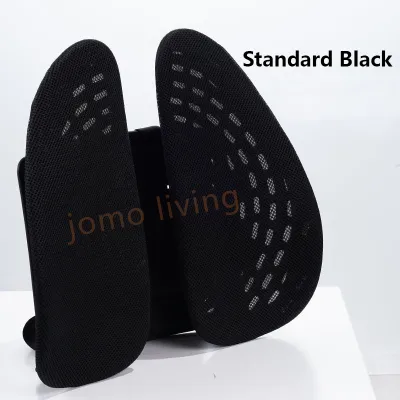
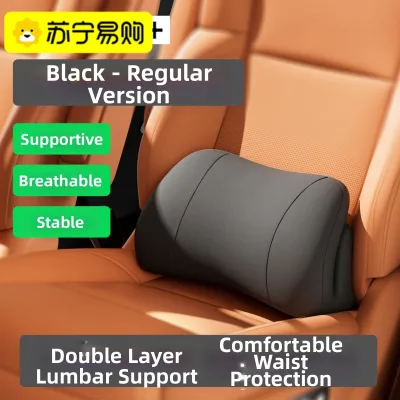
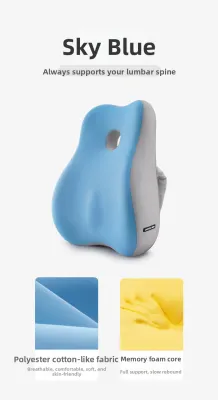
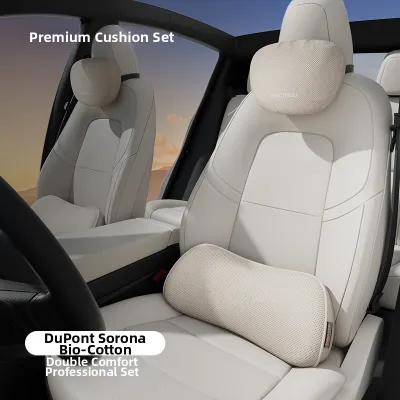
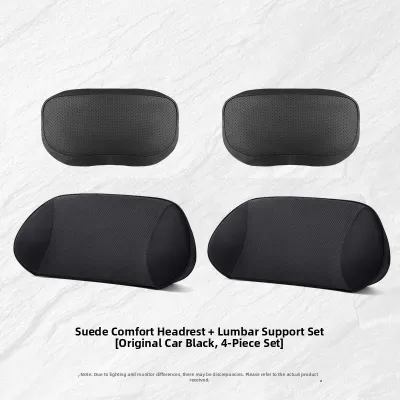
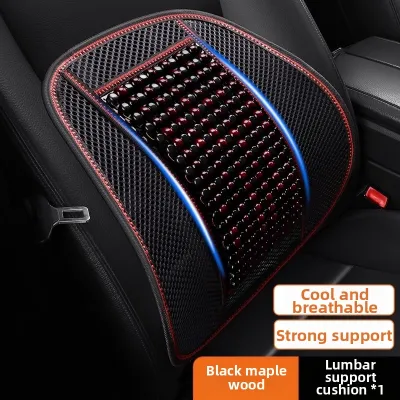
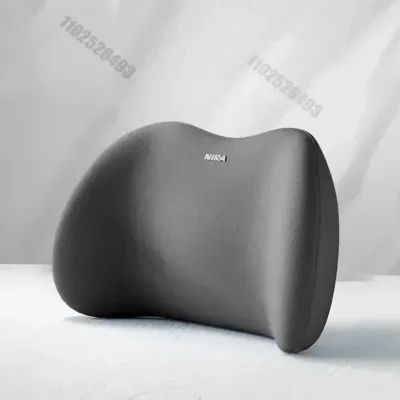
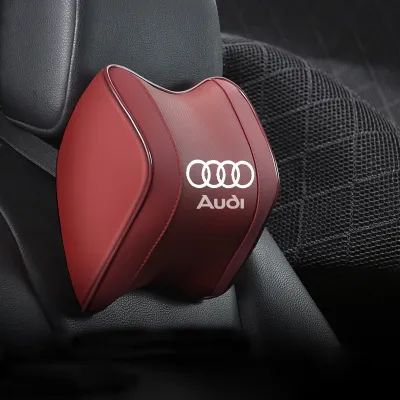
Prices are valid at publication and may change. Please refer to the product page for the latest price.
Surface friction plays a critical role in maintaining this alignment. If a seat cover material is highly slippery, your pelvis tends to slide forward over time, especially during sudden stops. This sliding motion flattens your lower back, forcing your lumbar spine into a slouched position and placing strain on your spinal discs. A material with adequate grip helps lock your hips in place, allowing the lumbar support to remain positioned correctly.
Breathability and heat retention also impact muscle fatigue. When a seat cover traps heat and moisture, your body temperature rises, leading to localized sweating. This damp environment can cause your lower back muscles to become tense or fatigued more quickly. Over time, muscle fatigue reduces your ability to maintain an active, upright posture, making you more susceptible to lumbar stiffness.
Finally, conformability and thickness dictate how well a seat cover transmits the shape of the underlying seat or cushion to your body. A very thick, rigid cover can bridge the gap over a built-in lumbar curve, flattening out the support. Conversely, a highly conformable material allows the precise contours of your seat’s lumbar adjustments or an added cushion to press directly into your lower back.
Comparing Leather, Fabric, and Mesh Seat Covers
Each seat cover material offers a distinct set of physical properties that alter how your back interacts with the car seat. Evaluating these materials side-by-side reveals how they balance posture stability, temperature control, and physical flexibility to support your spine.

Leather Seat Covers
Leather and high-quality synthetic leather are popular choices for their premium appearance and durability. From a lumbar support perspective, leather offers excellent surface friction, particularly when it features a textured or perforated finish. This natural grip helps prevent your pelvis from sliding forward, making it easier to maintain a stable, upright posture during long commutes without constantly needing to readjust your seating position.
However, leather has notable drawbacks regarding temperature regulation and flexibility. Standard leather is highly dense and lacks natural breathability, which often leads to significant heat and moisture buildup against your lower back. This trapped heat can cause localized sweating, leading to muscle stiffness and discomfort over extended driving periods. Additionally, thick leather covers can be relatively stiff, meaning they may resist conforming to the subtle curves of aftermarket lumbar cushions or built-in adjustable supports, slightly dampening their effectiveness.
Leather seat covers are best suited for drivers who prioritize posture stability, easy maintenance, and a premium cabin feel. If your vehicle is equipped with an effective climate control system or ventilated seats, the heat retention of leather becomes much less of an issue, allowing you to enjoy its posture-locking benefits without the drawback of excessive sweating.
Fabric Seat Covers
Fabric seat covers, ranging from woven polyester to heavy-duty canvas, offer a highly versatile middle ground for drivers seeking balanced comfort. One of the primary advantages of fabric is its excellent conformability. Because woven fabrics are naturally pliable, they drape smoothly over the existing contours of your car seat, allowing built-in lumbar supports or added ergonomic cushions to shape themselves perfectly against your lower back without any stiff resistance.
In terms of thermal comfort, fabric provides moderate breathability. It does not trap heat as intensely as solid leather, making it more comfortable during initial contact on hot days. However, fabric covers generally have lower surface friction than textured leather. This lower grip means your clothing may slide more easily against the seat, requiring your core muscles to work slightly harder to prevent slouching over long distances. Additionally, fabric can trap dust, pollen, and pet dander, which may require regular vacuuming to maintain a clean cabin environment.
Fabric is an ideal choice for drivers who want a soft, conforming feel that works harmoniously with aftermarket lumbar pillows. It is particularly well-suited for daily commuters who experience mixed driving conditions and want a reliable, cost-effective material that remains comfortable in both warm and cool weather without requiring specialized seat ventilation.
Mesh Seat Covers
Mesh seat covers are engineered with an open, porous weave designed specifically to maximize airflow. The standout benefit of mesh is its unparalleled breathability, which completely eliminates heat and sweat buildup along your spine. By keeping your lower back cool and dry, mesh helps prevent the muscle fatigue and tension that often accompany overheating, allowing you to remain comfortable and alert during long drives in warm climates.
Despite their cooling advantages, mesh covers offer very little structural padding of their own. Because the material is lightweight and highly flexible, it relies entirely on the underlying seat structure or an added support frame to provide firmness. If your car seat is already sagging, a simple mesh cover will not restore its shape. Furthermore, some mesh materials can feel slippery or overly textured against certain clothing fabrics, which can lead to minor sliding or uneven pressure points if the mesh is not stretched tightly over the seat frame.
Mesh is highly recommended for drivers operating in hot, humid environments, such as Singapore, where cabin heat can quickly become uncomfortable. It is also excellent for individuals who suffer from excessive back sweating and prioritize maximum ventilation over thick, plush cushioning. To get the best results, mesh covers should be paired with a structurally sound seat or a dedicated lumbar frame that maintains its shape under pressure.
Key Factors to Consider for Your Driving Environment
Choosing the right material requires a careful assessment of your daily driving conditions and personal physical needs. Climate and cabin temperature are often the most decisive factors. In tropical regions where high humidity and intense sunlight are common, a non-breathable seat cover can quickly turn a short drive into an uncomfortable, sweaty experience. If your vehicle lacks ventilated seats, prioritizing breathable materials like mesh or highly perforated fabric can significantly reduce muscle tension caused by heat stress.
Your typical driving duration and frequency also dictate how much support and friction you need. For short, fifteen-minute commutes, minor posture shifts or slight heat buildup may not cause noticeable discomfort. However, if you spend hours behind the wheel daily, small issues like a slippery surface or a lack of breathability compound rapidly. Over long distances, a high-friction material like leather or a highly breathable mesh becomes essential to prevent cumulative fatigue in your lower back muscles.
Existing back conditions must also guide your selection. If you suffer from chronic lower back pain, herniated discs, or muscle spasms, you may require a highly specific level of firmness and contouring. Drivers who need firm, unyielding lumbar support often benefit from leather covers that hold their shape and lock the body in place. Conversely, those who experience localized pressure sensitivity may prefer the soft, pressure-distributing properties of a conforming fabric cover paired with a memory foam lumbar cushion.
Finally, always consider compatibility with your existing support systems. If your vehicle features built-in, electronically adjustable lumbar support, a thick, heavily padded seat cover can obstruct the mechanical movement and reduce the support’s effectiveness. If you plan to use an aftermarket lumbar cushion, you must ensure the seat cover material allows the cushion to sit securely without sliding around or damaging the seat surface underneath.
Decision Guide: Which Material Should You Choose?
To simplify your decision, evaluate your primary driving challenges and match them to the material that addresses those specific needs.
Choose leather seat covers if your primary goal is to maintain a locked-in, stable driving posture and you prefer a surface that is exceptionally easy to wipe clean. This option is highly effective if your vehicle has active climate control or ventilated seats to mitigate heat retention, or if you prefer a firm, structured feel that resists wear over years of heavy use.
Choose fabric seat covers if you want a soft, highly conforming material that adapts perfectly to the shape of aftermarket lumbar cushions or built-in seat contours. Fabric is the best choice for drivers seeking a balanced, cost-effective solution that offers moderate breathability and a comfortable touch in all seasons, provided you are willing to perform occasional vacuuming to keep dust at bay.
Choose mesh seat covers if your main source of driving discomfort is lower back heat, humidity, and sweating. Mesh is the ultimate solution for maximizing airflow and keeping your muscles cool, making it ideal for hot climates. Just ensure your underlying seat still provides adequate structural support, or pair the mesh cover with a dedicated ergonomic lumbar frame.
Before making any purchase, verify the compatibility of your chosen seat cover with your vehicle’s specific features. If your seats contain integrated side airbags, ensure the covers are officially certified as airbag-compatible to maintain safety. Additionally, if you use an aftermarket lumbar cushion, check the cushion manufacturer’s instructions to ensure its backing material will not cause excessive friction, color bleeding, or physical wear on your new seat covers.
Frequently Asked Questions (FAQ)
Do seat covers interfere with built-in adjustable lumbar support?
Yes, thick or highly rigid seat covers can significantly interfere with built-in adjustable lumbar support. When a cover is made of heavy, non-pliable material like thick synthetic leather, it can act as a bridge over the seat’s natural curves, preventing the adjustable lumbar mechanism from pushing forward effectively against your back. To avoid this, look for seat covers made from flexible, conforming fabrics or thin, high-quality leather that can easily adapt to the changing contours of your seat. Always check the manufacturer’s specifications to ensure the cover is designed to work with adjustable seating mechanisms.
Can adding a lumbar cushion damage my leather or fabric seat covers?
Adding an aftermarket lumbar cushion can potentially damage seat covers if proper precautions are not taken. Constant friction between the backing of the cushion and the seat cover can cause scuffing, color transfer, or premature wear, particularly on genuine leather or delicate fabrics. To prevent this, check the base material of your lumbar cushion; many feature non-slip rubber dots or rough straps that can act like sandpaper over time. Consider placing a soft, thin microfiber cloth between the cushion and the seat cover, or choose a cushion with a smooth, non-abrasive backing designed specifically for delicate automotive interiors.

Community discussion
Share your experience or ask a question. Comments are reviewed before publication.