
Choosing the right car seat headrest cover depends entirely on your driving environment, maintenance preferences, and comfort priorities. There is no single best material for every driver; leather offers easy wiping and a premium look, fabric provides temperature-neutral softness, and mesh delivers superior airflow. This guide compares these three materials across comfort, durability, and aesthetics to help you select the ideal option for your vehicle based on verifiable conditions and your specific daily needs.
Defining Your Priorities: Comfort, Durability, and Aesthetics
Before selecting a car seat headrest cover, you must evaluate how your daily driving environment and passenger habits interact with different materials. In tropical climates characterized by high humidity and intense sunlight, cabin temperatures can rise rapidly when parked. This heat buildup directly affects how a material feels against your skin when you first enter the vehicle, making temperature regulation a primary comfort consideration.
Your daily passenger profile also dictates the level of wear and tear the headrest cover must endure. Commuters who drive long distances daily require materials that resist sweat and skin oils, while families with children or pet owners need robust, easily cleanable surfaces. Assessing who sits in your vehicle helps determine whether you should prioritize stain resistance, physical durability, or quick-cleaning properties.
Products mentioned in this guide

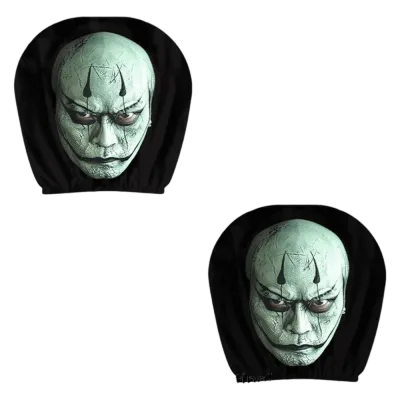
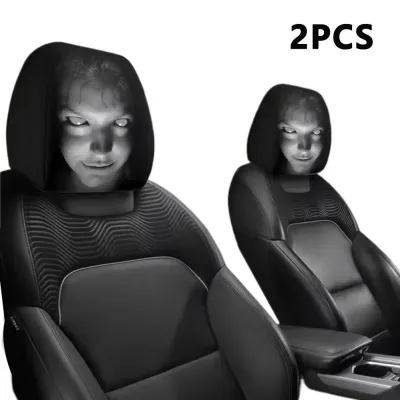

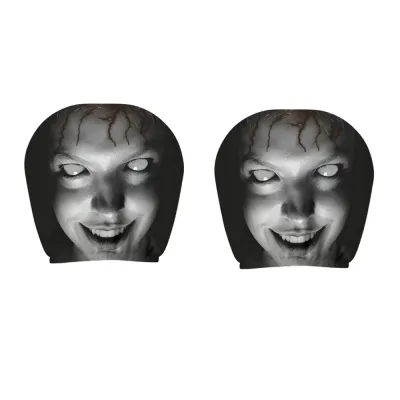
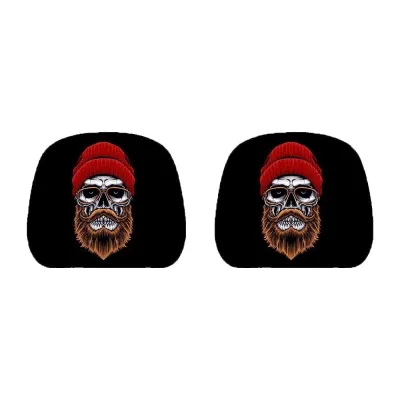
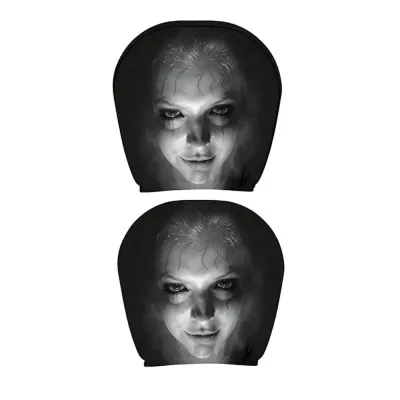
Prices are valid at publication and may change. Please refer to the product page for the latest price.
Finally, consider how the replacement cover integrates with your existing cabin design. A mismatched headrest cover can disrupt the visual flow of your interior, whereas a well-chosen material complements the original upholstery and enhances the overall aesthetic. Balancing these practical and visual elements ensures your choice remains functional and visually appealing over years of use.
Leather and Synthetic Leather Headrest Covers
Leather and synthetic leather headrest covers are highly favored for their premium appearance and straightforward maintenance. The primary advantage of these materials is their wipe-clean convenience, allowing you to easily remove sweat, hair oils, makeup, and dust with a damp microfiber cloth. This non-porous surface prevents liquids from penetrating the underlying foam, making it an excellent barrier against accidental spills.

However, leather and synthetic alternatives react strongly to direct sunlight and high ambient temperatures. When a vehicle is parked outdoors under intense tropical heat, these materials absorb and retain thermal energy, often becoming uncomfortably hot to the touch. While running the air conditioning eventually cools the cabin, the initial contact can cause temporary discomfort and increased perspiration.
When shopping, always check the product labels to distinguish between genuine leather and synthetic options like polyurethane (PU) or polyvinyl chloride (PVC). Genuine leather requires periodic conditioning with specialized, label-authorized leather care products to maintain its flexibility and prevent drying. Synthetic leather is generally lower maintenance but may not offer the same breathability or long-term aging characteristics.
Regardless of the specific type, you must monitor these covers for long-term wear indicators. Over time, exposure to UV rays, friction, and body heat can lead to peeling, cracking, or stress along the stitched seams. Regularly inspecting the material for these signs allows you to address wear before the cover degrades completely or damages the original headrest underneath.
Fabric Headrest Covers
Fabric headrest covers offer immediate tactile softness and a cozy, inviting feel upon entering the vehicle. Unlike non-porous materials, fabric does not stick to bare skin, providing a comfortable resting surface even during extended drives. This makes fabric an appealing choice for drivers who prioritize a gentle, cushioned texture against the head and neck.
One of the greatest strengths of fabric is its temperature neutrality. Because it does not absorb or retain heat to the same extent as leather, a fabric cover remains relatively cool even after the vehicle has been parked in direct sunlight. This eliminates the shock of hot surfaces, allowing you to drive comfortably from the moment you start the engine.
The trade-off for this thermal comfort is the material’s susceptibility to liquid spills, sweat absorption, and odor retention. Because fabric is porous, moisture from hair, sweat, and rain can easily seep into the fibers, potentially leading to deep-seated stains and persistent odors over time. If you choose fabric, you must be prepared for more intensive cleaning routines to keep the cabin smelling fresh.
To manage this, always verify the manufacturer’s care labels for specific washing instructions before purchasing. Some fabric covers are fully machine-washable, allowing for easy deep cleaning, while others require delicate hand-washing or spot-cleaning with mild, fabric-safe detergents. Ensuring you can easily clean the cover according to its instructions is key to maintaining a hygienic interior.
Breathable Mesh Headrest Covers
Breathable mesh headrest covers are engineered specifically to maximize ventilation and minimize moisture buildup. The open-weave structure allows air to circulate freely between your head and the headrest, preventing the accumulation of sweat and heat during long journeys. This active airflow makes mesh an exceptionally practical choice for humid climates and long-distance commuting.
Beyond ventilation, mesh covers provide unique ergonomic support. The material is typically stretched over a frame or backed by a resilient, flexible structure that conforms to the natural contours of your head and neck. This tension retention helps distribute pressure evenly, offering consistent support without the sinking feeling associated with softer, less structured fabrics.
Despite these functional benefits, mesh has distinct physical vulnerabilities that require careful consideration. The open loops and delicate threads of the weave are highly susceptible to snagging from sharp objects, hairpins, jewelry, or pet claws. A single snag can unravel a section of the mesh, compromising both its structural integrity and its visual appeal.
Aesthetically, mesh covers project a highly modern, sporty, or utilitarian vibe that fits well in contemporary vehicle cabins. However, they may look out of place in luxury vehicles with traditional wood trim and classic leather upholstery. Matching the technical look of mesh with your car’s overall interior theme is essential for maintaining a cohesive design.
Material Comparison and Decision Framework
To help you synthesize these characteristics, the following comparison matrix outlines how each material performs across key operational categories. Use these observable conditions to evaluate which option aligns best with your daily driving habits.
| Material | Maintenance Effort | Initial Temperature Feel | Primary Durability Check |
|---|---|---|---|
| Leather / Synthetic | Low (Wipe clean) | Hot in direct sunlight | Check for cracking and seam peeling |
| Fabric | Moderate to High (Washing required) | Neutral / Cool | Check for staining and odor buildup |
| Mesh | Moderate (Gentle cleaning needed) | Cool (High airflow) | Check for snags and tension loss |
To finalize your decision, apply this conditional framework based on your primary automotive needs:
- Choose Leather if you prioritize a premium aesthetic, require a surface that can be wiped clean in seconds, and want a reliable barrier against spills and liquid stains.
- Choose Fabric if you want immediate tactile softness, prefer a material that remains temperature-neutral in hot weather, and do not mind periodic washing or spot-cleaning.
- Choose Mesh if you experience significant heat buildup during long drives, require maximum ventilation to prevent sweating, and have an interior design that complements a sporty, modern look.
Before making any purchase, always verify the specific dimensions of your vehicle’s headrests and inspect the cover’s strap mechanisms. A poorly fitting cover can slip during use, causing distraction and reducing comfort. Ensure the mounting straps are adjustable and compatible with the shape of your headrest posts.
Fitment, Safety, and Installation Checks
When installing any car seat headrest cover, safety must remain your absolute priority. Many modern vehicles are equipped with active head restraints or advanced whiplash protection systems designed to move forward in a collision to protect your neck. A cover that is too tight, bulky, or improperly secured can restrict this movement, severely compromising the vehicle’s engineered safety features.
Carefully route all straps, buckles, and fasteners to ensure they do not block the vertical height adjustment buttons or the locking mechanisms of the headrest posts. The cover must not interfere with the headrest’s ability to lock securely into its designated slots. If the cover wraps around the seatback, verify that it does not obstruct any integrated side airbags or seatback pocket safety warnings.
Always consult your vehicle owner’s manual before installing any aftermarket interior accessories. The manufacturer often provides specific warnings regarding modifications to the seats and headrests. If you encounter any resistance during installation, or if the cover appears to alter the natural resting angle of the headrest, stop immediately and consult a qualified automotive professional.
Frequently Asked Questions (FAQ)
Will a headrest cover interfere with active safety head restraints?
Yes, an improperly designed or incorrectly installed cover can interfere with active safety head restraints. These safety systems rely on precise physical clearance and rapid movement during a rear-end collision to minimize whiplash. Before purchasing, check the product packaging and your vehicle owner’s manual for compatibility warnings. If the cover restricts the headrest’s movement path or prevents it from locking into place, do not install it, and seek professional advice if you are unsure about your vehicle’s specific safety mechanisms.
What is the safest way to clean mesh without causing snags?
The safest way to clean a mesh headrest cover is to avoid stiff brushes, abrasive sponges, or harsh cleaning tools that can catch on the open weave. Instead, use a soft microfiber cloth dampened with a mild, label-authorized fabric cleaner to gently dab away dirt. Always check the manufacturer’s care label for specific washing limits and temperature restrictions. After cleaning, allow the cover to air-dry completely in a shaded, well-ventilated area to preserve its structural tension and elasticity, avoiding direct heat sources that could degrade the synthetic fibers.

Community discussion
Share your experience or ask a question. Comments are reviewed before publication.