
Selecting the right car seat cover is one of the most practical ways to protect your vehicle’s interior, enhance driving comfort, and customize your cabin’s aesthetic. When comparing Seametal car seat cover options, the decision typically comes down to three primary materials: synthetic leather, woven fabric, and breathable mesh. Each material serves a distinct driving lifestyle, balancing visual appeal, thermal performance, and maintenance requirements. The ideal choice depends on your daily driving habits, local climate conditions, and how much effort you want to dedicate to interior upkeep.
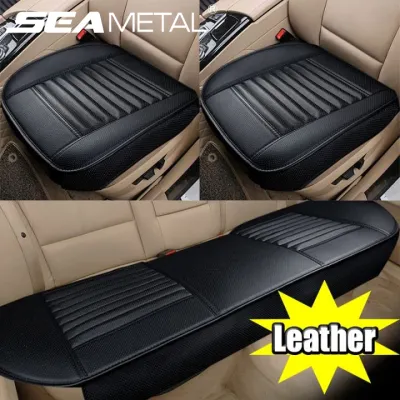
Synthetic leather options are designed to deliver a premium, upscale appearance that closely mimics factory leather upholstery. These covers feature a smooth, non-porous surface texture that is highly resistant to liquid spills, making them a popular choice for families and daily commuters who prioritize quick cleanups. However, because synthetic leather is less breathable than woven alternatives, its temperature performance is highly dependent on your vehicle’s cabin climate control systems.
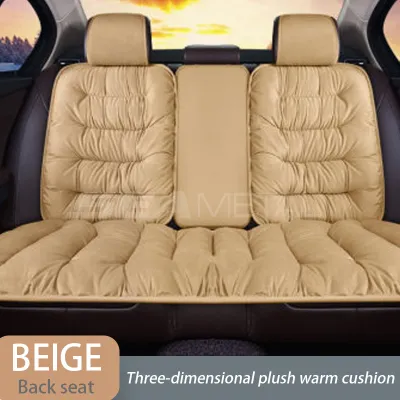
Woven fabric seat covers offer a classic, soft-touch alternative that focuses on all-weather comfort and a neutral tactile feel. Fabric covers do not get excessively hot when parked under direct sunlight, nor do they feel freezing on cooler mornings. They provide a highly stable, non-slip seating surface that integrates seamlessly with standard vehicle interiors, though they require more deliberate care when dealing with liquid spills and deep-set stains.
Products mentioned in this guide
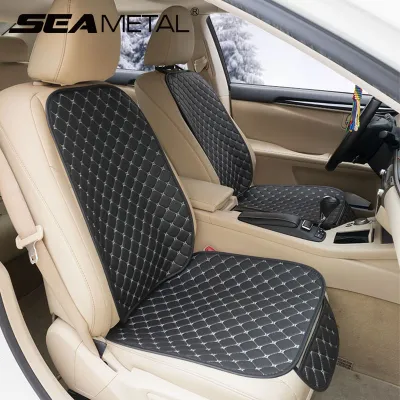
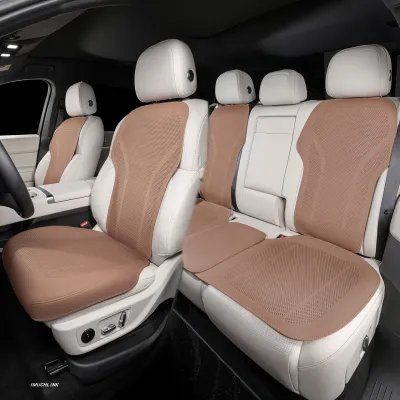
Prices are valid at publication and may change. Please refer to the product page for the latest price.
Breathable mesh seat covers are engineered specifically for maximum airflow and ventilation. Utilizing a multi-layered, open-weave construction, mesh covers allow air to circulate freely between your body and the seat structure, significantly reducing heat buildup and perspiration during long drives. This makes them highly suitable for warm, humid climates where maintaining a cool seating surface is a constant challenge.
It is important to note that while these material characteristics remain consistent, the exact stitching patterns, cushion thickness, and precise dimensions will vary depending on the specific Seametal product line and your vehicle’s model year. Before making a purchase, drivers must verify their vehicle’s seat configurations to ensure a secure and compatible fit.
Baseline Traits of Leather, Fabric, and Mesh Covers
To establish a clear foundation for your choice, it is helpful to understand the core construction and design focus of each material option. Synthetic leather covers are typically constructed with a polyurethane (PU) or polyvinyl chloride (PVC) outer layer bonded to a soft foam backing. This multi-layer design provides a cushioned feel while ensuring the outer surface remains completely waterproof and easy to wipe down. The primary design focus here is to replicate the luxury look and feel of genuine leather at a more accessible price point.
Woven fabric covers are generally made from high-density polyester or nylon blends. These materials are chosen for their high tensile strength and resistance to daily wear. The surface texture is soft and fibrous, providing a comfortable grip that prevents passengers from sliding during sharp turns. Fabric covers are designed to offer a practical, long-lasting barrier against dust, dirt, and general wear while maintaining a highly familiar, factory-like appearance.
Breathable mesh covers utilize a specialized 3D spacer fabric or honeycomb weave pattern. This unique construction creates a physical gap between the passenger and the solid seat structure, allowing air to flow horizontally and vertically. The primary focus of mesh is utility and thermal relief, making it an excellent choice for utility vehicles, commercial drivers, or anyone operating in high-temperature environments.
Ultimately, no single material is universally better than the others; instead, each excels in specific scenarios. Your choice should align with whether you prioritize a luxury aesthetic, a soft and stable seating surface, or active heat dissipation during your daily drives.
Comfort and Temperature Regulation on the Road
Thermal comfort is a critical factor in driver satisfaction, especially during extended commutes or when navigating stop-and-go traffic in tropical environments. The way a seat cover material manages heat and humidity directly impacts your physical comfort and focus behind the wheel.

Breathable mesh excels in temperature regulation by actively preventing heat retention. The open-cell structure of the mesh fabric allows air from the vehicle’s air conditioning system to pass through the cover, helping to dissipate body heat and minimize sweat buildup. This continuous ventilation makes mesh an excellent choice for drivers who frequently park outdoors or operate vehicles without rear air conditioning vents.
In contrast, synthetic leather covers tend to absorb and retain ambient heat when exposed to direct sunlight. Upon entering a vehicle that has been parked outside, a leather surface can feel intensely hot to the touch, requiring the cabin’s climate control to run for several minutes before the seating surface reaches a comfortable temperature. If your vehicle is equipped with built-in seat ventilation systems, you must verify whether the specific leather cover features compatible perforations to allow the airflow to function as intended.
Woven fabric provides a highly balanced middle ground regarding thermal properties. Because fabric does not conduct heat as rapidly as synthetic leather, it maintains a relatively neutral temperature regardless of external weather conditions. This stable thermal profile ensures that the seats are immediately comfortable to sit on, reducing the need to wait for the cabin to cool down before starting your journey.
Daily Wear, Stain Resistance, and Upkeep
Maintaining the cleanliness and structural integrity of your car’s interior requires an honest assessment of how much wear and tear your seats experience on a daily basis. Spills, pet claws, dirt, and friction from clothing all contribute to the gradual degradation of seat upholstery.
Synthetic leather covers offer convenience when it comes to routine cleaning and spill management. Because the material is non-porous, liquids such as coffee, water, or juice sit on the surface rather than soaking into the cushion beneath. This allows drivers to simply wipe away messes with a damp microfiber cloth, making leather covers highly practical for those who travel with children or pets.
Woven fabric and breathable mesh covers, however, feature porous structures that can absorb liquids quickly. If a spill occurs on these materials, it is necessary to address it immediately to prevent deep-set stains and unpleasant odors. Cleaning fabric or mesh often requires specialized upholstery cleaners, spot treatments, or removing the covers entirely for a gentle wash, depending on the manufacturer’s specific care instructions.
When evaluating resistance to physical damage, such as scratches from pet claws or sharp objects like keys and zippers, the material construction plays a significant role. High-density woven fabric is highly resilient against friction and minor abrasions, whereas synthetic leather can occasionally show puncture marks or surface scuffs if subjected to sharp forces. Breathable mesh, while durable under normal seating conditions, has an open-weave design that can snag on sharp metal hardware or pet nails, requiring extra caution during daily use.
Regardless of the material you select, always consult the care labels provided with your Seametal seat covers. Using unapproved chemical cleaners, harsh detergents, or incorrect drying methods can compromise the material’s protective coatings, fade the colors, or cause the backing material to degrade prematurely.
Visual Appeal and Cabin Integration
The visual impact of your seat covers can completely transform the interior ambiance of your vehicle, turning a standard cabin into a personalized space. Choosing a material that complements your existing dashboard trim, door panels, and overall design language is key to achieving a cohesive look.
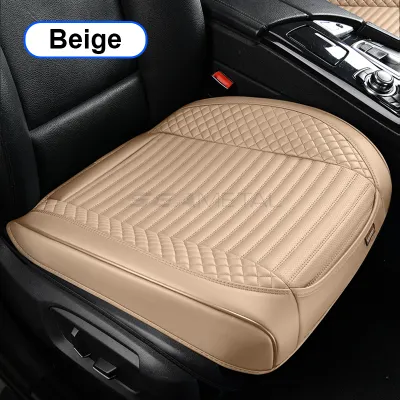
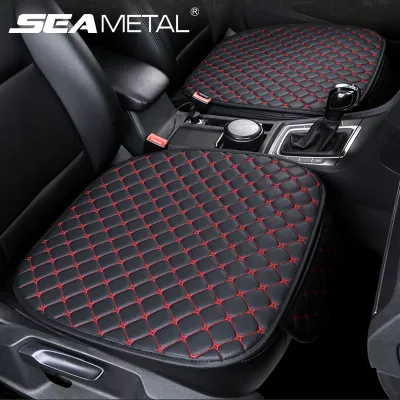
Synthetic leather is a popular choice for drivers seeking a premium, executive, or sporty aesthetic. The smooth finish, combined with detailed stitching patterns and contoured bolsters, can elevate a basic cloth interior to look like a high-end luxury trim. Leather covers are available in various classic tones, such as deep black, rich beige, or sporty red accents, allowing you to match or contrast with your car’s original interior styling.
Fabric and mesh covers offer a more casual, utilitarian, or original equipment manufacturer (OEM) appearance. These materials blend naturally with standard plastic and fabric door trims, providing a clean and functional look without drawing excessive attention. They are ideal for drivers who prefer a subtle, practical interior that focuses on utility rather than luxury styling.
Before finalizing your choice, it is beneficial to check the colorfastness and UV resistance specifications of the covers. Constant exposure to sunlight through the windshield can cause vibrant colors to fade over time. Selecting neutral shades or verified UV-resistant options helps ensure that your cabin maintains its fresh, integrated appearance for years to come.
Decision Framework: Matching Material to Your Driving Needs
To simplify your decision-making process, consider how your daily routine, passenger habits, and comfort priorities align with the unique strengths of each material type.
Choose synthetic leather if your primary goals are a premium interior upgrade, effortless cleanup of spills, and a sleek, modern aesthetic. This material is highly suited for rideshare drivers, families with young children, and pet owners who need to wipe away dirt, hair, and liquids quickly without leaving stains or odors behind.
Choose woven fabric if you prioritize a soft, cozy tactile feel, consistent year-round temperature comfort, and a classic look that matches standard factory interiors. Fabric is an excellent choice for drivers who want a durable, non-slip seating surface that remains comfortable to sit on immediately after the car has been parked in the sun.
Choose breathable mesh if your absolute priority is maximum airflow, heat dissipation, and reducing physical discomfort from sweat during long commutes. Mesh is highly recommended for drivers living in hot, humid regions, those who drive long hours without active seat ventilation, and individuals who prefer a lightweight, highly breathable seating environment.
Verify first before purchasing any seat cover option. You must check the exact dimensions, headrest configurations, and seat adjustment mechanisms of your vehicle. Some seat covers are designed as universal fits, while others are tailored for specific vehicle makes and models. Ensuring that the cover matches your specific seat shape is essential for both aesthetic appeal and functional performance.
Safety Checks and Fitment Verification
While aesthetics and comfort are important, vehicle safety must always remain your top priority when installing aftermarket seat covers. Modern car seats are highly integrated safety systems containing side-impact airbags, occupancy sensors, and precise seatbelt mechanisms that must not be obstructed.
Before purchasing any Seametal car seat cover, you must verify its compatibility with side-impact airbags. Safe seat covers feature specialized breakaway stitching or open side panels designed to allow the airbag to deploy instantly and without restriction in the event of a collision. Installing a cover that blocks these deployment zones can lead to severe safety risks and may violate local road safety regulations.
Additionally, ensure that the seat covers do not interfere with the proper operation of seatbelt buckles, ISOFIX child seat anchor points, or integrated armrests. The covers should allow for full, unobstructed movement of adjustable headrests and manual or electronic seat adjustment controls.
Always consult your vehicle’s owner manual to understand the exact location of all seat-based safety features. When installing the covers, strictly follow the manufacturer’s step-by-step instructions to ensure a secure, non-slip fit. If you are uncertain about the installation process or if your vehicle has complex electronic seat configurations, seeking assistance from a qualified automotive professional is highly recommended to guarantee that all safety systems remain fully operational.

Community discussion
Share your experience or ask a question. Comments are reviewed before publication.