
Selecting the ideal car seat protector requires balancing your daily driving habits, maintenance preferences, and comfort requirements. In tropical climates like Singapore, where high humidity and intense sunlight are constant factors, the material you choose directly impacts your daily commuting experience.
Leather, fabric, and breathable mesh each offer distinct advantages and trade-offs regarding spill protection, heat retention, and ease of cleaning. Understanding these differences ensures you select a protector that preserves your vehicle’s interior while keeping your drives comfortable.
Understanding Your Protection and Comfort Needs
Before comparing specific materials, identify your primary use cases and daily driving pain points. For some drivers, the main priority is shielding seats from liquid spills, muddy gear, or pet hair. For others, managing daily commuting sweat or ensuring long-distance travel comfort takes precedence.
Products mentioned in this guide
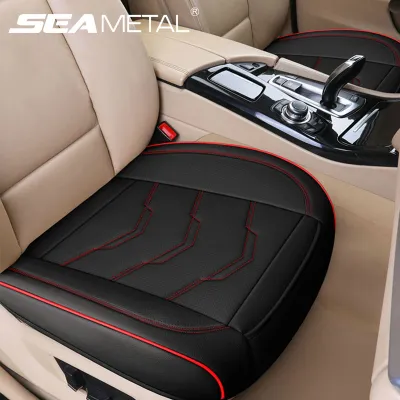
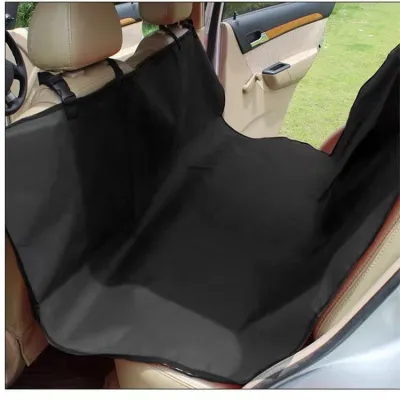
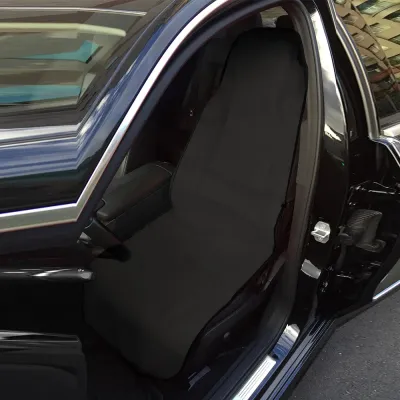
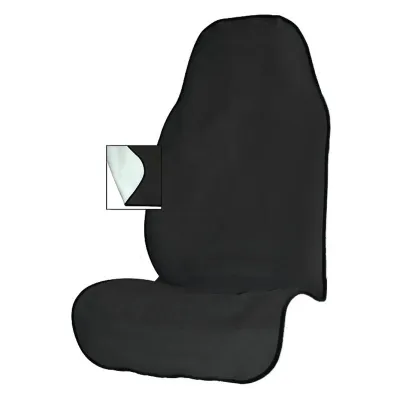
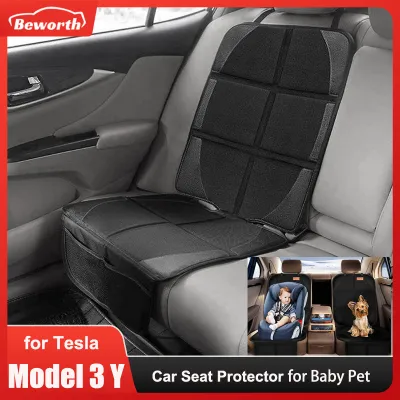
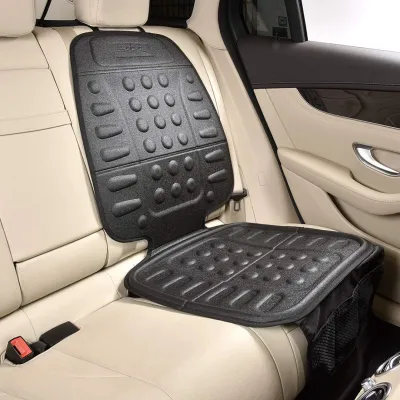
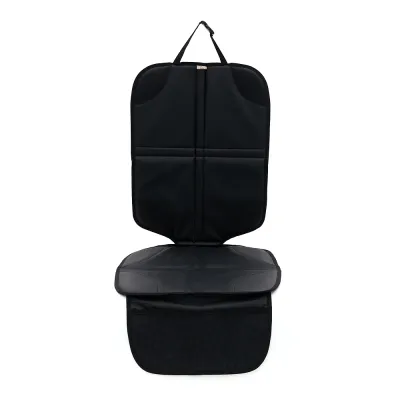
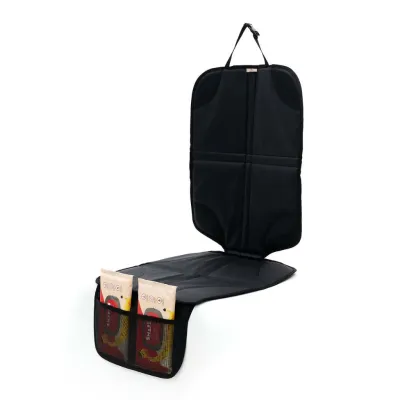
Prices are valid at publication and may change. Please refer to the product page for the latest price.
Your willingness to perform regular maintenance also plays a significant role. Some materials require specialized care, while others can be quickly wiped down or machine washed.
The local climate is another critical factor. In Singapore, high humidity and ambient heat mean that car cabins can become incredibly warm when parked outdoors.
This intense heat makes breathability and temperature regulation key considerations. A material that traps heat can make even short trips uncomfortable, whereas a highly breathable option might sacrifice some liquid resistance to keep you cool.
Leather Seat Protectors: Durability and Premium Feel
Leather and synthetic leather (such as polyurethane or vinyl) car seat protectors are highly favored for their premium appearance and robust physical protection. One of the primary benefits of these materials is their excellent wipe-clean convenience.

According to manufacturer instructions, most minor liquid spills, dirt, and mud can be easily wiped away with a damp cloth, preventing stains from setting into the original upholstery. This makes leather-style protectors an excellent choice for families with young children or drivers who frequently carry groceries.
However, leather and synthetic alternatives have notable breathability limitations. Because these materials are solid and non-porous, they tend to trap body heat and sweat, which can lead to discomfort during long drives in humid conditions.
Furthermore, when a vehicle is parked under direct sunlight, leather surfaces can absorb significant heat, becoming uncomfortably hot to the touch. To mitigate this, some manufacturers offer perforated leather designs, though these still require active cabin air conditioning to provide noticeable cooling.
When choosing a leather protector, it is also vital to inspect the underside of the product. High-quality options feature specialized anti-slip backing designs to prevent the protector from shifting as passengers enter and exit the vehicle.
Shifting protectors can cause friction damage, gradually scuffing the original leather or fabric seats underneath. Always verify that the backing material is non-abrasive and chemically stable to avoid color transfer or adhesive residue on your original seats.
Fabric Seat Protectors: Comfort and Everyday Versatility
Fabric and textile seat protectors, including materials like neoprene, canvas, and polyester blends, offer excellent tactile comfort and everyday versatility. Unlike leather, fabric does not become excessively hot when exposed to direct sunlight, providing a temperature-neutral surface that is comfortable to sit on immediately.
This makes fabric an appealing option for drivers who prioritize a soft, cozy seating surface that blends seamlessly with standard car interiors.
Many modern fabric protectors feature specialized stain-resistant coatings applied during manufacturing. Before purchasing, check the product labels to verify specific washing or drying restrictions, as some coatings can degrade if exposed to harsh detergents or high heat in a dryer.
While some fabric covers are fully machine-washable, others may require spot cleaning or gentle hand washing to preserve their water-repellent properties.
Despite their comfort, fabric protectors carry a higher risk of liquid penetration if spills are not addressed immediately. If a large volume of liquid is spilled, it can quickly soak through the fabric and reach the original seat upholstery underneath.
Additionally, fabric weaves tend to trap fine dust, sand, and pet hair. Removing embedded pet hair from textile fibers often requires specialized vacuum attachments or lint rollers, making fabric less ideal for drivers who frequently travel with shedding pets.
Breathable Mesh Seat Protectors: Airflow and Temperature Control
Breathable mesh seat protectors are specifically engineered to maximize airflow and manage temperature in warm environments. Typically constructed with a 3D spacer mesh or an open-weave polyester structure, these protectors create a physical gap between your body and the seat surface.
This design allows air to circulate freely, significantly reducing back sweat and keeping you cool during warm afternoon commutes.
While mesh excels at temperature control, it offers very limited protection against liquid spills. Because of the open-weave structure, any spilled liquids, condensation from cold drinks, or sweat will pass directly through the mesh gaps and onto the original seat.
Additionally, fine dust, food crumbs, and outdoor debris can easily accumulate within the mesh layers. Cleaning these particles out usually requires regular vacuuming with high-suction tools or removing the protector entirely to shake it out.
Durability is another factor to consider when evaluating mesh materials. While high-quality mesh is designed to resist daily wear, it can be vulnerable to snagging from sharp objects, keys, or pet claws.
If you frequently transport pets or carry sharp gear in the passenger cabin, check the manufacturer’s specifications regarding abrasion resistance to ensure the mesh loops will not unravel over time.
How to Verify Fit, Safety, and Compatibility
Regardless of the material you choose, verifying fit, safety, and compatibility with your specific vehicle model is the most critical step before installation. Modern car seats are highly integrated systems containing safety components that must not be obstructed.
First and foremost, locate and verify side-airbag compatibility labels on the seat protector. Safe designs feature specialized breakaway stitching or open sides that allow seat-mounted side airbags to deploy without delay in an emergency.
Next, check that the protector accommodates all original seat functions and adjustment controls. A proper fit requires precise cutouts or adjustable straps that do not block headrests, armrests, seatbelt buckles, or ISOFIX child seat anchors.
Forcing a generic protector over these components can restrict access to essential safety restraints or interfere with power seat adjustment motors.
Finally, confirm that the anti-slip backing material is explicitly approved by the manufacturer for use on your original seat surface. Some synthetic backings can react chemically with genuine leather seats over time, especially when exposed to high cabin temperatures, leading to permanent discoloration or sticky residue.
Reading the product manual or consulting the manufacturer’s compatibility guidelines will help you avoid costly damage to your vehicle’s original interior.
Frequently Asked Questions (FAQ)
Can I use a leather seat protector on fabric car seats?
Yes, you can use a leather or synthetic leather seat protector on fabric seats, but you must pay close attention to the backing material. Because fabric seats have more texture than leather, some protectors may slide or bunch up if they lack a secure fastening system.
Look for protectors with robust adjustable straps and a non-slip, non-abrasive backing that grips the fabric without causing pilling or wear on the original textile fibers.
Which material is easiest to clean after a liquid spill?
Leather and synthetic leather protectors are the easiest to clean after a liquid spill. Because these materials are non-porous, liquids pool on the surface rather than soaking in, allowing you to wipe them away immediately with a cloth.
Fabric protectors require prompt blotting to prevent the liquid from soaking through, while breathable mesh offers virtually no liquid barrier, meaning any spill will pass directly onto the original seat underneath.

Community discussion
Share your experience or ask a question. Comments are reviewed before publication.