
Choosing the right backrest support material for your car seat is a balance of ergonomic alignment, climate comfort, and long-term durability. While the structural frame of your car seat determines its primary shape, the material directly contacting your back dictates how well your posture is maintained during long drives. Leather, fabric, and breathable mesh each offer distinct physical properties that alter pressure distribution, slip resistance, and heat retention.
Selecting the ideal material requires evaluating your daily commute, local weather conditions, and personal comfort preferences. For drivers navigating hot and humid climates, thermal regulation is often just as critical as physical firmness. By understanding how these materials behave under constant pressure and varying temperatures, you can select an option that keeps you comfortable and properly aligned on the road.
Evaluating Backrest Support: What Really Matters
Effective backrest support in a vehicle goes far beyond basic cushioning. True ergonomic support maintains the natural curve of your spine, reducing muscle fatigue in your lower back and shoulders. It relies on three primary pillars: proper posture alignment, even pressure distribution to prevent hot spots, and adequate thermal comfort to prevent sweating and restlessness.
Products mentioned in this guide
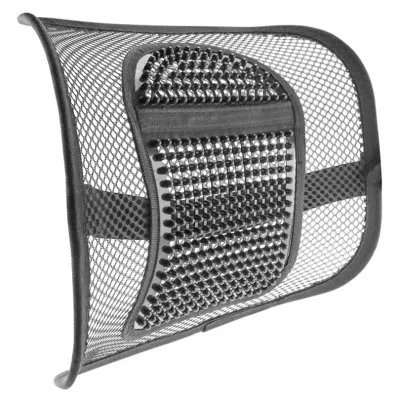
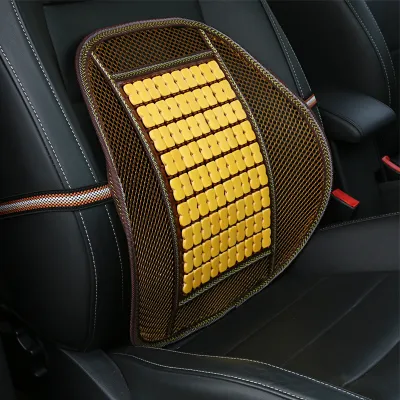
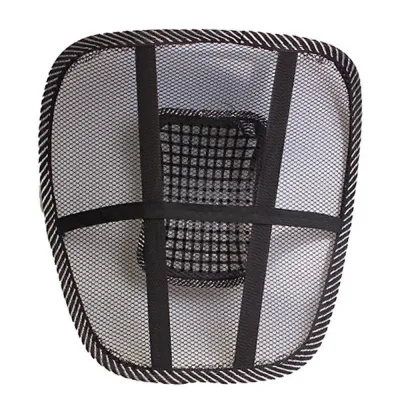
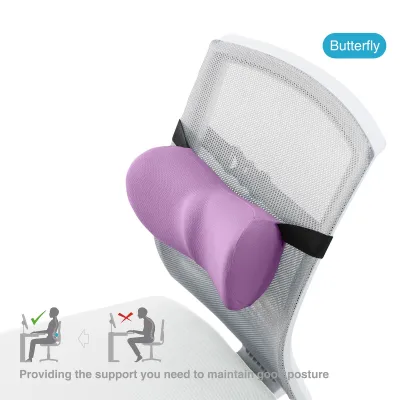

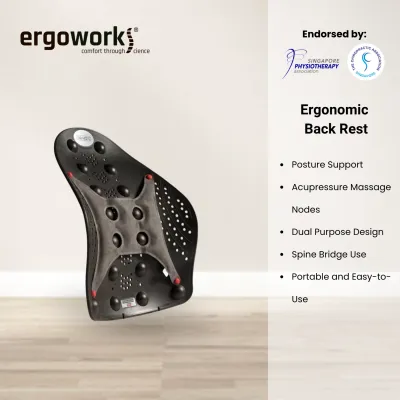
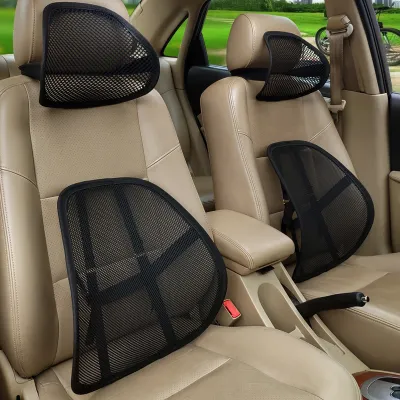

Prices are valid at publication and may change. Please refer to the product page for the latest price.
It is important to differentiate between your vehicle’s built-in structural seat support and aftermarket additions like seat covers or cushions. The factory seat provides the foundational frame, contouring, and safety systems. Aftermarket covers and inserts modify the surface characteristics, adding localized firmness, altering friction, or improving airflow to enhance that foundational support.
Safety must remain your primary consideration when modifying any car seat. Any aftermarket cover or support cushion must not interfere with built-in side airbags, seat belts, or integrated seat heaters. Many modern vehicles house side airbags within the outer bolsters of the front seats; installing an incompatible cover can prevent these safety devices from deploying correctly. Always verify compatibility with your specific vehicle model, year, and mounting specifications before installation.
Leather Seat Covers: Durability and Climate Considerations
Leather is highly regarded for its structural firmness and premium aesthetic. Because leather is less compressible than typical foam-filled fabric covers, it provides a highly stable surface that resists collapsing under your body weight. This inherent firmness helps maintain consistent lumbar and lateral support over long journeys, preventing your posture from sagging.

However, leather’s thermal conductivity presents distinct challenges depending on your environment. In sunny climates, leather absorbs and retains significant heat, making the seat surface exceptionally hot after parking outdoors. Conversely, in heavily air-conditioned cabins, untreated leather can feel stiff and cold initially, taking time to absorb body heat and soften to your shape.
If you prefer the firm support of leather but worry about temperature spikes, look for perforated options. Perforations allow a degree of passive airflow, mitigating heat buildup. Additionally, check manufacturer labels for specific surface treatments designed to reflect infrared light, which can help keep the material cooler under direct sunlight.
Fabric Seat Covers: Everyday Comfort and Practicality
Fabric seat covers offer a balanced approach to everyday driving comfort, characterized by high surface friction and temperature neutrality. Unlike slick leather, fabric weaves provide a consistent grip that prevents your torso from sliding during cornering or braking. This friction helps you maintain a stable, upright posture without constantly needing to readjust your position.
In terms of temperature regulation, fabric acts as a neutral medium. It does not become scalding hot in the sun, nor does it feel freezing cold after a night of air conditioning. This makes fabric highly predictable and comfortable from the moment you enter the vehicle, offering a baseline level of breathability that prevents immediate sweat buildup.
When selecting a fabric cover for backrest support, look closely at the material thickness and internal padding. A very thin, single-layer fabric cover acts primarily as a dirt shield rather than a supportive aid. Opt for multi-layered fabrics with integrated high-density foam or structured backing to ensure the cover actively improves pressure distribution across your back.
Breathable Mesh: Airflow and Ergonomic Targeting
Breathable mesh is engineered specifically to maximize ventilation and deliver targeted ergonomic support. The open-weave structure of mesh allows air to circulate freely behind your back, rapidly dissipating body heat and moisture. This makes mesh highly effective at reducing sweat buildup and keeping you cool during extended drives in warm, humid conditions.
Mesh solutions generally fall into two categories: full-seat mesh covers and targeted lumbar support inserts. Full covers replace or overlay the entire seat surface with a suspended mesh layer, while targeted inserts focus specifically on filling the gap in the lower lumbar region. Suspended mesh designs use tension to cradle your back, distributing your weight evenly without relying on thick, heat-trapping foam.
While mesh excels at cooling, it does have structural trade-offs. The suspended nature of mesh can sometimes reduce the prominent lateral bolstering found in sporty car seats, leading to a flatter seating feel. It is essential to verify that any mesh insert or cover matches your seat’s contours so it does not slip out of place or create awkward pressure points.
Matching the Right Material to Your Driving Profile
Selecting the best backrest material depends heavily on your daily driving habits, local climate, and parking situation. For example, drivers in Singapore face persistent tropical heat and high humidity, which can make non-perforated leather seats uncomfortable during long afternoon commutes. If your vehicle is frequently parked in open-air carparks under direct sunlight, a breathable mesh or a light-colored fabric cover will offer a much cooler entry temperature.
Your physical needs also dictate the best choice. If you suffer from chronic lower back fatigue during long commutes, a targeted mesh lumbar insert can provide the precise, high-tension support needed to keep your spine aligned. Conversely, if your vehicle serves as a family transport where spills, dirt, and wear are daily occurrences, the easy-to-clean nature of leather or treated, spill-resistant fabric may outweigh the cooling benefits of mesh.
Before purchasing any support accessory, always perform a thorough compatibility check. Ensure that strap routing does not block seat adjustment levers, power seat motors, or under-seat ventilation ducts. Most importantly, confirm that the accessory’s mounting straps do not cross over or restrict the deployment paths of seat-mounted side airbags.
| Material | Support Firmness | Breathability | Slip Resistance | Spill Resistance | Maintenance |
|---|---|---|---|---|---|
| Leather | High | Low (unless perforated) | Low | High | Easy wipe-clean |
| Fabric | Medium | Medium | High | Low (unless treated) | Vacuum & spot clean |
| Mesh | Medium-High (Tension-based) | High | Medium | Low | Dust & vacuum |
Maintenance and Care Requirements by Material
To preserve both the supportive qualities and the lifespan of your chosen material, regular maintenance is essential. Over time, dust, sweat, and body oils can degrade fibers, reduce material tension, and break down protective coatings, leading to sagging and a loss of backrest support.
For leather covers, maintenance involves gentle wiping with a damp microfiber cloth followed by a dedicated leather conditioner to prevent drying and cracking. Fabric covers require regular vacuuming to remove abrasive dirt particles from the weave, along with prompt spot-cleaning using fabric-safe upholstery cleaners. Mesh supports should be vacuumed with a brush attachment or gently wiped down to clear dust from the open pores.
Always check the manufacturer’s care labels before applying any chemical cleaners, as incorrect products can weaken structural fibers or ruin tension boundaries. Regularly inspect your seat covers or inserts for signs of wear, such as loose seams, stretched-out straps, or sagging areas. Replacing or re-tensioning these supports when they begin to fail ensures your back remains properly protected on every drive.
Frequently Asked Questions (FAQ)
Can I add a lumbar support cushion over a mesh seat cover?
Yes, you can add a lumbar support cushion over a mesh cover, but you must ensure the two components do not slide against each other. The tension of the mesh cover can sometimes cause an added cushion to shift out of alignment. Check that the cushion’s mounting straps can be securely routed around the seat frame without tearing the mesh or blocking seat adjustment mechanisms.
Do leather seat covers stretch and lose their supportive fit over time?
Leather seat covers can stretch over time due to constant body weight, heat, and humidity. Lower-quality leather or loose installations are particularly prone to sagging, which reduces their supportive capabilities. To maintain a tight fit, look for signs of wrinkling or sliding, and periodically adjust the mounting straps or consider professional re-tensioning if the cover begins to bunch.
Are fabric seat covers safe to use with built-in seat heaters?
Fabric seat covers are generally safe to use with built-in seat heaters, but you must verify this with both your vehicle’s owner manual and the cover manufacturer’s specifications. Avoid covers with exceptionally thick foam padding or non-breathable rubberized backings, as these can trap excessive heat. This trapped heat can degrade the seat cover material or potentially damage the underlying heating elements.
Community discussion
Share your experience or ask a question. Comments are reviewed before publication.