
Selecting the ideal car seat cover to handle post-workout sweat requires balancing moisture management, driving comfort, and long-term maintenance. In a warm, humid climate like Singapore’s, driving home after an intense gym session or an outdoor run can quickly expose your car’s original upholstery to perspiration, body oils, and salt. While no single material excels in every category, synthetic leather offers unmatched wipe-clean convenience, breathable mesh provides superior airflow to keep you cool, and traditional fabric offers a soft, familiar feel at the expense of higher moisture absorption. Deciding which material is best for your vehicle depends on your daily routine, how much effort you want to put into cleaning, and the specific safety features of your car’s seats.
Key Evaluation Criteria for Post-Workout Seat Covers
To make an informed choice, you must evaluate how different materials interact with moisture, heat, and the mechanical functions of your vehicle’s cabin.
Moisture handling is the primary line of defense. Some materials act as non-porous barriers that keep sweat on the surface, while others absorb liquid or allow it to pass through. Understanding this distinction is crucial because trapped moisture can seep into the underlying factory foam, leading to deep-seated stains and structural degradation over time.
Products mentioned in this guide
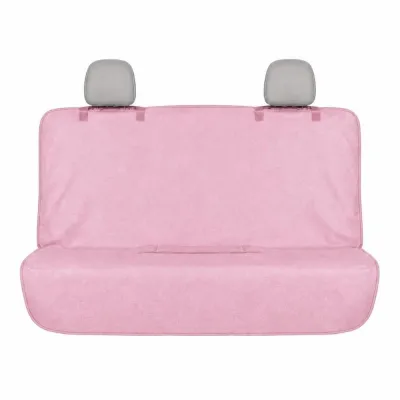
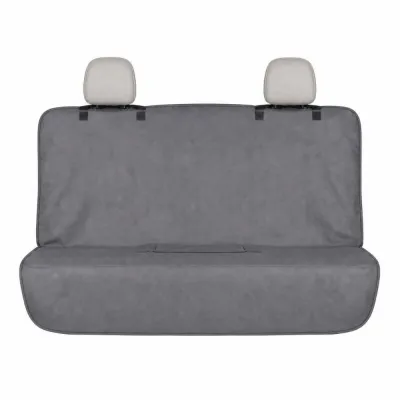
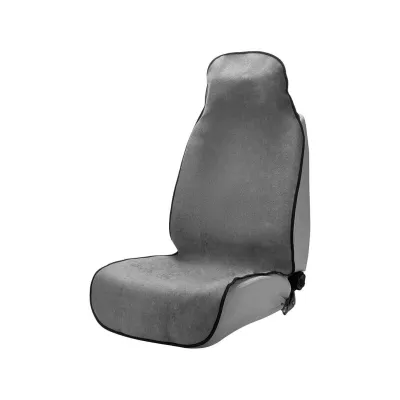
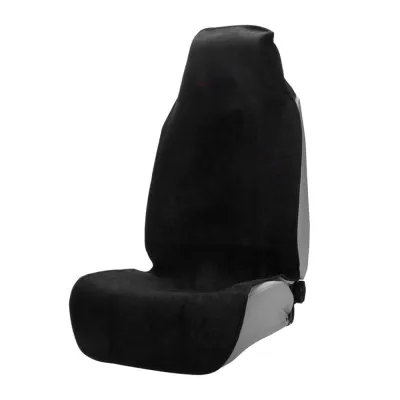
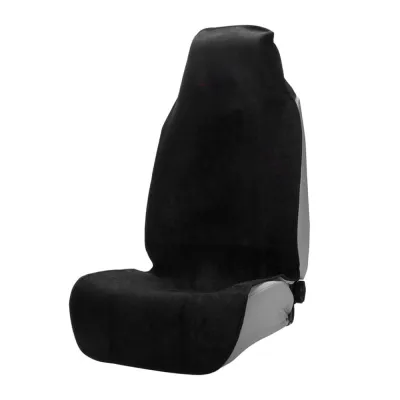
![[SG] Waterproof Sweat Towel Car Seat Cover for Post Gym Yoga Workout Running Swimming Beach and Hiking Universal Fit Anti-Slip Bucket Seat Protector for Cars SUVs and Trucks Machine Washable](https://img.lazcdn.com/g/p/b9a0f9040a71bf60df8d28763550aef9.jpg_400x400q80.jpg_.webp)
Prices are valid at publication and may change. Please refer to the product page for the latest price.
Breathability and drying speed directly affect your comfort during the drive. A material that promotes airflow helps evaporate sweat from your skin and clothing, reducing that sticky, humid feeling. Fast drying times also ensure the cover is ready for your next trip without harboring dampness.
Odor retention and cleaning effort dictate how much work you will perform after your workouts. Sweat contains salts, proteins, and lipids that feed odor-causing bacteria. If a material is difficult to clean or cannot be machine-washed, these compounds accumulate, resulting in a persistent musty smell inside your car.
Safety and compatibility must always take priority over convenience. Many modern vehicles feature side-impact airbags embedded within the front seatbacks. You must verify that any aftermarket seat cover is explicitly certified as airbag-compatible, featuring specialized break-away stitching or open-sided designs that allow the safety systems to deploy without obstruction. Additionally, check if the cover blocks built-in seat ventilation or heating elements, as heavy materials can insulate these systems and reduce their effectiveness.
Leather and Synthetic Leather Seat Covers
Leather and synthetic alternatives represent a popular choice for drivers seeking a premium look combined with straightforward spill resistance. Synthetic leather, often made from polyurethane (PU) or vinyl, excels at repelling liquids. When you climb into the driver’s seat after a heavy workout, sweat remains on the surface of a synthetic cover rather than soaking into the cushion. This creates a highly convenient wipe-clean advantage; you can simply use a clean microfiber cloth to wipe away moisture and salt residues immediately after reaching your destination.

Genuine leather, however, requires a much more cautious approach. Unlike synthetic options, real leather is a porous natural material that can absorb moisture, body oils, and the acidic compounds found in sweat. Over time, these substances can strip away the leather’s natural oils, leading to drying, cracking, and premature aging. If you choose genuine leather covers, you must check the manufacturer’s care labels to ensure they have been treated with moisture-resistant coatings, and commit to regular conditioning with specialized leather care products.
The primary trade-off with both genuine and synthetic leather is cabin comfort. Because these materials have low natural breathability, they can feel hot and sticky against damp skin, especially during a drive home in tropical humidity. Without active seat ventilation, a solid leather surface can trap body heat, causing you to sweat more during the journey. To mitigate this, look for perforated synthetic leather designs, and verify that the product specifications include UV-resistant treatments to prevent the material from becoming scalding hot when parked in the sun.
Standard Fabric and Cloth Seat Covers
Standard fabric and cloth seat covers, typically woven from polyester, nylon, or cotton blends, offer a soft and familiar texture that many drivers find comfortable. When you first sit down after exercising, fabric covers feel pleasant against the skin because they do not get excessively hot in the sun, nor do they create the sticky, plastic-like contact associated with synthetic leather.
However, fabric’s high absorption capacity presents distinct challenges for post-workout use. Instead of repelling sweat, standard cloth absorbs moisture like a sponge. While this keeps the liquid off your skin during the drive, it traps the sweat deep within the textile fibers. If you do not dry the cabin properly or if you leave the car parked in a humid environment, this absorbed moisture creates a breeding ground for bacteria, leading to stubborn, musty odors that are difficult to eliminate.
To manage this, you must carefully evaluate the cleaning requirements of any fabric cover before purchasing. Some fabric options are designed to be easily removed and are fully machine-washable, allowing for convenient deep cleaning. Others are spot-clean-only, which can make removing sweat stains and salt rings a tedious chore. When shopping, check the material density and look for fabrics treated with water-repellent coatings. These treatments help slow down liquid absorption, giving you time to blot away sweat before it sinks deep into the fibers.
Breathable Mesh and Performance Textiles
Breathable mesh and performance textiles are engineered specifically for active individuals who prioritize airflow and rapid drying. These covers often feature a multi-layered, open-weave structure that allows air to circulate freely between your body and the seat. This continuous ventilation accelerates the evaporation of sweat, keeping you cooler and significantly reducing drying times during and after your drive.
While the high breathability of mesh is excellent for comfort, it introduces a critical concern regarding moisture transfer. Because mesh is porous, sweat can easily pass straight through the open weave and settle directly onto your car’s original factory upholstery. If this happens, the cover fails in its primary duty of protecting your vehicle’s interior.
To prevent this issue, you must carefully inspect the backing materials of any mesh cover you consider. High-quality performance covers often feature a dual-layer design: a highly breathable, comfortable mesh top layer paired with a thin, waterproof, yet flexible backing layer. This backing acts as an impermeable barrier that stops sweat from reaching the factory seat while still allowing the upper mesh layer to dry quickly. Always check the product specifications to confirm whether a waterproof backing is included.
Additionally, consider the long-term durability of performance textiles. The constant friction of sliding in and out of the vehicle, combined with exposure to sweat salts and frequent washing, can wear down delicate mesh structures. Look for covers made from high-density polyester mesh that specify high friction resistance and are rated for repeated machine washing without fraying or losing their shape.
Post-Workout Material Comparison Matrix
To help you weigh the trade-offs of each material, the following matrix summarizes how synthetic leather, standard fabric, and breathable mesh perform across key post-workout categories.
| Material Type | Moisture Handling | Drying Speed | Cleaning Method | Skin Comfort |
|---|---|---|---|---|
| Synthetic Leather | Repels liquids; sweat stays on surface | N/A (Wipe dry instantly) | Wipe down with damp cloth | Can feel sticky and hot |
| Standard Fabric | Absorbs moisture; can saturate | Slow to moderate | Machine wash or spot clean | Soft and non-sticky |
| Breathable Mesh | Passes through (requires waterproof backing) | Very fast | Machine wash or rinse | Highly ventilated and cool |
Please note that exact performance, drying times, and durability depend heavily on specific product specifications, material thickness, and any manufacturer-applied chemical treatments. Always refer to the product label for precise care instructions and performance ratings.
Decision Framework: Match the Material to Your Routine
Choosing the right seat cover is a matter of matching the material’s properties to your personal workout habits, commute times, and maintenance preferences.
You should choose synthetic leather if your primary goal is effortless maintenance and you want to avoid washing machine cycles altogether. This option is ideal for drivers who want to quickly wipe down the seat with a cloth after a workout and immediately restore a clean, dry cabin environment. It is also highly effective if you frequently share your vehicle and want a surface that can be sanitized quickly.
You should choose breathable mesh if you live in a hot climate, sweat heavily, and prioritize maximum cooling comfort during your drive. This material is perfect for those who want to avoid a sticky seating surface, provided you verify that the cover includes a waterproof backing to safeguard the original upholstery underneath.
You should choose heavy-duty fabric if you prefer a soft, traditional feel and do not mind the routine of removing and machine-washing the covers. This is a solid choice for moderate exercisers who have the time to let the covers air-dry completely between uses.
Before finalizing any purchase, perform a critical safety check. Consult your vehicle owner’s manual to understand the exact locations of your seat-mounted side airbags. Ensure that the seat cover you select is certified by the manufacturer as compatible with your specific vehicle model and year, and verify that the mounting straps do not interfere with any seat adjustment mechanisms or safety belt pre-tensioners.
Essential Maintenance for Sweaty Seat Covers
Proper maintenance is essential to prevent odors, preserve the structural integrity of your seat covers, and protect your vehicle’s resale value.
Prompt salt removal is critical regardless of the material you choose. Sweat contains sodium chloride and acidic compounds that, when left to dry, form abrasive salt crystals. These crystals can grind into fabric fibers or degrade synthetic coatings over time. Make it a habit to wipe down synthetic leather or lightly rinse removable textile covers to clear away these deposits.
When cleaning, always select mild, material-specific cleaners. Avoid harsh household detergents, bleach, or multi-purpose sprays, which can strip away water-repellent coatings, fade colors, or dry out synthetic materials. Use only cleaners specified by the seat cover manufacturer, and apply them according to the product instructions.
Establish strict drying protocols to prevent the growth of mold and mildew. If you wash a fabric or mesh cover, allow it to air-dry completely in a well-ventilated area before reinstalling it in your vehicle. Reinstalling a damp cover traps moisture against the seat foam, which can lead to deep-seated odors and damage to internal seat electronics.
Finally, monitor your covers for wear and tear. If you observe peeling on synthetic leather, persistent odors that survive washing, or structural fraying along the seams, stop using the cover. Consult the manufacturer for replacement options, as compromised covers can fail to protect your seats and may interfere with safety systems.
Frequently Asked Questions (FAQ)
Will sweat damage my car's built-in seat heaters or ventilation?
Excessive moisture can potentially damage the electronic components of built-in seat heaters and ventilation systems. You should consult your vehicle owner’s manual to check for specific moisture limits, warnings, and cleaning guidelines for your seats. To protect these systems, avoid soaking the seats during cleaning, and ensure that any aftermarket seat cover you install does not block ventilation ports or excessively insulate heating elements, which could cause overheating or system malfunction.
Is a simple towel sufficient for post-workout drives?
While placing a towel over your seat is a common temporary solution, it offers limited protection compared to a dedicated seat cover. Towels easily slip and bunch up during driving, exposing parts of the seat to sweat, and they lack a waterproof barrier, meaning heavy perspiration can quickly soak through the towel and transfer directly to the factory upholstery. Dedicated seat covers provide secure, tailored fitment, integrated moisture barriers, and certified safety compatibility, ensuring both your seats and your driving safety are fully protected.

Community discussion
Share your experience or ask a question. Comments are reviewed before publication.