
Choosing a scary seat cover car accessory to personalize your vehicle in Singapore requires balancing striking visual designs with the realities of a tropical climate. While a highly detailed, horror-themed graphic looks impressive, the material it is printed on directly dictates your daily driving comfort. Breathable mesh offers the highest level of airflow to prevent back sweat, but its porous texture limits the resolution of complex graphic prints. Conversely, leather and synthetic faux leather provide an excellent canvas for vibrant, high-contrast scary designs, but they absorb and retain intense cabin heat. Fabric covers sit in the middle, offering decent print clarity but carrying a high risk of trapping moisture and odors in humid conditions. To make the right choice, you must weigh how much you prioritize thermal comfort against the visual complexity of your chosen design.
How Singapore's Tropical Climate Affects Seat Cover Materials
Singapore’s equatorial climate presents a challenging environment for any aftermarket automotive interior accessory. When a vehicle is parked outdoors, solar radiation passes through the windshield and side windows, creating a greenhouse effect that rapidly elevates cabin temperatures. This intense heat is absorbed directly by the seats, making the surfaces hot to the touch when you first enter the vehicle. Over time, continuous exposure to ultraviolet (UV) radiation can degrade synthetic fibers, fade printed graphics, and cause certain materials to become brittle or crack.
Persistent high humidity levels compound these thermal challenges by limiting the body’s natural cooling mechanism. In a humid environment, sweat does not evaporate quickly from your skin, especially when pressed against a non-porous car seat. If a seat cover material lacks adequate ventilation, it traps moisture between your body and the seat back, leading to discomfort, damp clothing, and a sluggish cabin cooling process.
Products mentioned in this guide
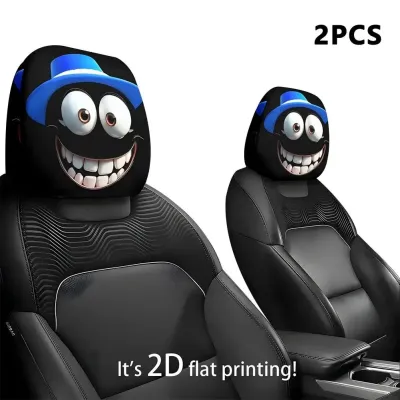
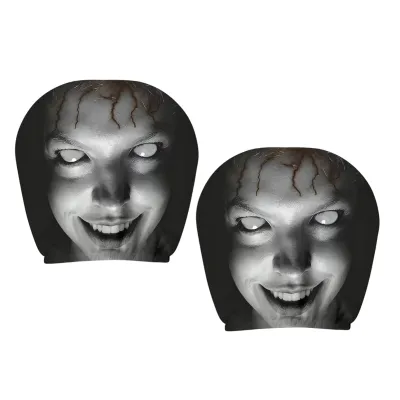
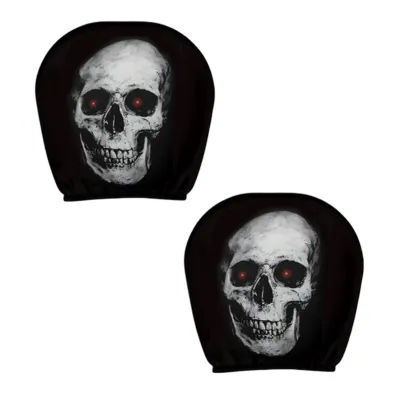
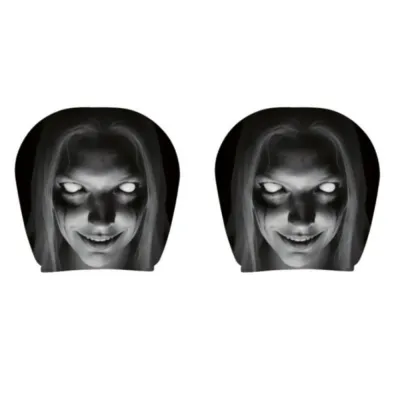
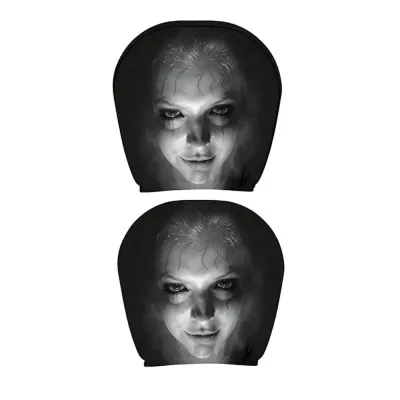
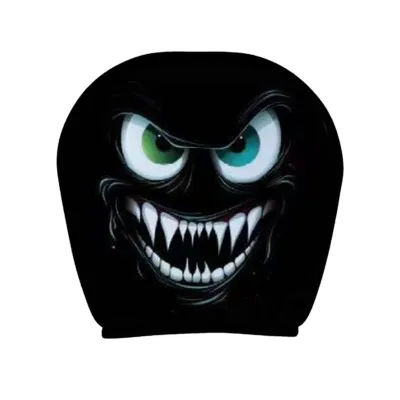
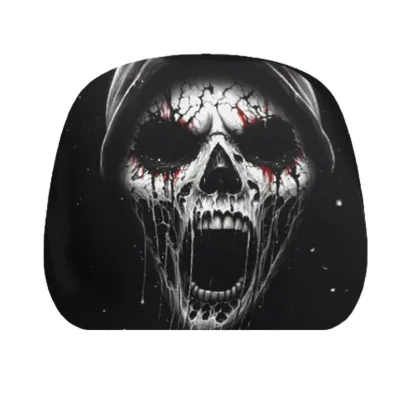
Prices are valid at publication and may change. Please refer to the product page for the latest price.
To withstand these daily environmental stressors, any seat cover you select must be evaluated against three primary criteria: thermal conductivity, moisture-wicking capability, and UV resistance. Thermal conductivity determines how quickly the material absorbs heat and how fast it cools down once the air conditioning is running. Moisture wicking ensures that sweat is drawn away from your body rather than pooling on the surface. Finally, UV resistance determines whether your scary-themed design will retain its vivid details or fade into a dull, washed-out print after a few months of sun exposure.
Evaluating Leather, Fabric, and Mesh for Hot Weather
Each material option offers a distinct set of physical properties that affect how it performs under high temperatures and humidity. Understanding these characteristics allows you to make an informed decision based on your driving habits and comfort preferences.

Leather and Faux Leather: Heat Retention and Maintenance
Leather and synthetic alternatives, such as polyurethane (PU) or vinyl, are popular choices for custom seat covers due to their premium appearance and ease of cleaning. However, solid leather has high heat retention properties, meaning it absorbs ambient cabin heat and holds onto it for extended periods. Sitting on a sun-baked leather seat cover can be highly uncomfortable, often causing immediate sweating and skin sticking, particularly if you wear shorts or short-sleeved shirts.
Maintaining these materials in a hot, humid climate requires consistent effort. High humidity can trap moisture in the seams, while intense heat can dry out the material, leading to premature cracking, peeling, or warping. To prevent this degradation, you must regularly apply specialized conditioners that are compatible with the specific type of leather or synthetic material used in your cover.
Furthermore, the visual design of a scary seat cover car accessory can be heavily impacted by the physical properties of leather. Creating detailed, horror-themed graphics on leather surfaces typically requires heavy surface printing, vinyl transfers, or solid laminations. These decorative treatments seal the material’s natural pores, further reducing its breathability and turning the seat cover into a completely non-porous barrier that traps heat against your back.
Fabric: Breathability vs. Moisture Trapping
Woven fabric seat covers, ranging from standard polyester blends to heavy-duty canvas or natural cotton, offer a softer, more traditional feel under your legs and back. Polyester blends are highly common because they are durable, relatively inexpensive, and accept sublimated dye prints exceptionally well, allowing for highly detailed and colorful scary graphics. Natural fibers like cotton or canvas provide a more textured feel but may not hold complex graphic prints with the same sharpness.
The primary drawback of fabric covers in a humid climate is their tendency to trap moisture. While fabric is generally more breathable than solid leather, it acts like a sponge for sweat, spilled drinks, and ambient humidity. If your vehicle is frequently parked in damp conditions, this trapped moisture can lead to musty odors, bacterial growth, and even mold within the seat fibers.
Additionally, the complexity of the scary design itself can compromise the fabric’s inherent breathability. Many novelty covers use thick screen-printing techniques or heavy plasticized transfers to apply large, dark graphics across the entire backrest. These thick layers of ink create an impermeable barrier over the woven threads, blocking airflow in the exact areas where your back makes contact with the seat, thereby negating the material’s cooling benefits.
Breathable Mesh: Airflow and Design Limitations
Breathable mesh is specifically engineered to maximize airflow and minimize heat buildup between your body and the car seat. The open, porous structure of mesh allows air from the vehicle’s air conditioning system to circulate freely, helping to evaporate sweat and cool your back during long drives. This makes mesh the most physically comfortable option for daily commuting in tropical weather.
However, this open-weave structure presents significant aesthetic limitations if you are looking for a highly detailed scary seat cover car design. Because mesh consists of tiny holes and spaced threads, it cannot support high-resolution graphic prints. Complex images, fine lines, and subtle shading—such as detailed skull patterns, realistic horror characters, or intricate blood-splatter effects—will appear pixelated, distorted, or faded when printed onto a mesh surface.
You must also carefully inspect the structural integrity of any mesh cover before purchase. Loosely woven or low-quality mesh materials are highly susceptible to snagging on clothing zippers, keys, or bag straps. Over time, these snags can cause the threads to unravel, ruining both the structural support of the cover and the visual appeal of any printed design.
Balancing Novelty Designs with Practical Comfort
If you want to enjoy a striking horror aesthetic without sacrificing your comfort during hot drives, you must look for smart design compromises. One effective strategy is to check the product specifications for specialized material treatments. Look for seat covers that feature UV-resistant coatings or heat-reflective technologies, which help prevent the material from absorbing excessive solar energy when parked in direct sunlight.
Another practical approach is to prioritize strategic design placement. Instead of choosing a seat cover with a massive, solid graphic covering the entire backrest, opt for designs where the scary elements are concentrated on the headrest, side bolsters, or upper shoulders. This allows the main contact areas—such as your lower back and thighs—to be constructed from plain, highly breathable mesh or ventilated fabric, keeping you cool while still displaying your favorite theme.
Finally, always verify the printing method used by the manufacturer. Sublimation printing, where the dye is chemically bonded directly into the fabric fibers, is highly preferred over screen printing or vinyl transfers. Sublimation keeps the fabric soft and porous, ensuring that the scary design does not create a sticky, non-breathable plastic layer on the seat surface that would otherwise trap sweat and heat.
Installation, Care, and Safety Checks for Tropical Conditions
Before installing any aftermarket seat cover, you must address critical safety boundaries. Many modern vehicles are equipped with side-impact airbags integrated directly into the outer edges of the front seats. Installing a seat cover that is not specifically designed to accommodate these safety systems can delay or completely block airbag deployment during an accident. Always verify that the seat cover is certified as side-airbag compatible, featuring specialized, weakened seams that are engineered to tear open instantly if the airbag deploys. Refer to your vehicle’s owner manual to locate the exact airbag exit points before fitting any cover.
Maintaining your seat covers in a hot and humid climate is essential for preventing hygiene issues and preserving the design. Sweat, sunscreen, and body oils can quickly accumulate on the material, leading to staining and unpleasant odors. For fabric and mesh covers, regular vacuuming and gentle spot cleaning with a mild, diluted upholstery cleaner are recommended. For leather or synthetic covers, wipe down the surfaces with a damp microfiber cloth to remove salt residue from sweat.
Always consult both your vehicle’s owner manual and the seat cover manufacturer’s instructions before applying any aftermarket cleaning chemicals, conditioners, or protective sprays. Using unauthorized chemicals can strip away UV-protective coatings, dissolve the adhesives used in printed graphics, or damage the underlying seat materials. Ensure the covers are completely dry before reinstalling them to prevent trapping moisture against the original car seats, which could lead to mold growth.
Frequently Asked Questions (FAQ)
Will a scary seat cover design fade faster in the sun?
Yes, prolonged exposure to direct sunlight and UV radiation will cause printed designs to fade over time. To protect your scary seat cover car accessory, look for products that specify UV-inhibitor treatments on their labels. Additionally, using a high-quality reflective windshield sun shade whenever your vehicle is parked outdoors is a highly effective way to block solar rays and extend the lifespan of your seat cover’s graphics.
Can I use cooling gel pads under my novelty seat cover?
Combining aftermarket cooling gel pads with a decorative seat cover requires caution. If the seat cover is made of non-breathable leather or heavy fabric, it will block the cooling effect of the gel pad, trapping heat instead. Furthermore, adding extra layers can cause the seat cover to slip, increase friction on the original upholstery, or interfere with weight sensors and side airbags. If you choose to use a gel pad, test the setup on a short drive first to ensure it remains stable and does not compromise your driving position or safety.
Community discussion
Share your experience or ask a question. Comments are reviewed before publication.