
When driving under a relentless tropical sun, choosing the right cooling car seat cover depends entirely on how you balance immediate airflow against long-term comfort and cabin aesthetics. While no passive material can actively lower the temperature of your car interior on its own, breathable mesh stands out as the most effective option for immediate ventilation by creating a physical air gap between your body and the seat. Fabric covers offer a softer, more cushioned feel with reliable moisture absorption, making them ideal for humid days, whereas leather and faux leather covers prioritize durability and style but rely heavily on your vehicle’s air conditioning to cool down. Understanding these material dynamics allows you to select a cover that prevents that uncomfortable, sticky feeling during long drives.
How Seat Cover Materials Manage Heat and Airflow
To understand how a cooling car seat cover functions, it is essential to look at the physics of heat transfer within a closed vehicle cabin. When a car is parked outdoors, solar radiation heats up the interior surfaces, including the seats. Once you sit down, your body heat is transferred to the seat, and if the material cannot dissipate this energy, heat builds up rapidly. This phenomenon is governed by three primary factors: heat retention (how much heat a material stores), thermal conductivity (how fast heat moves through it), and breathability (how easily air circulates to carry away heat and moisture).
Air circulation against the skin is heavily influenced by the material’s weave, thickness, and surface texture. A tightly woven, flat fabric restricts airflow, trapping a layer of warm, stagnant air against your body. Conversely, open-weave structures and textured surfaces create micro-channels that allow air to flow freely. This movement of air is vital because passive cooling relies almost entirely on the evaporation of sweat and the continuous displacement of warm air by cooler cabin air.
Products mentioned in this guide
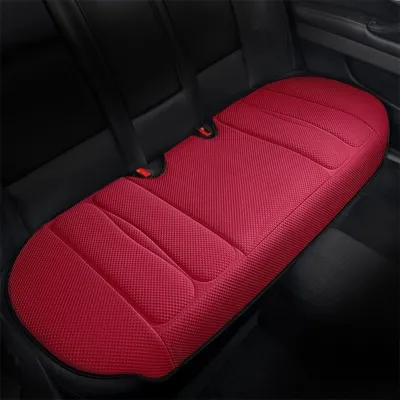
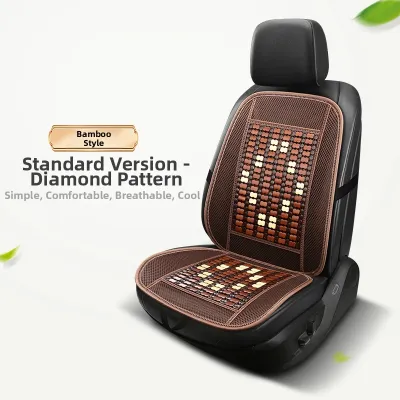
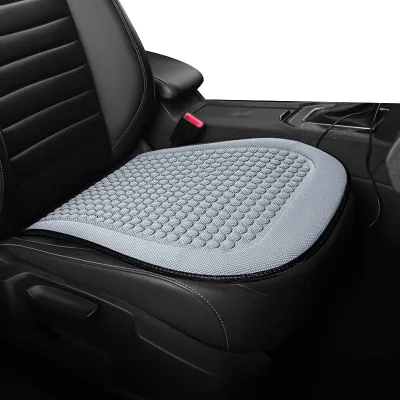
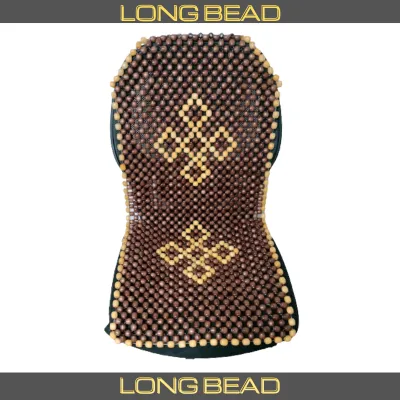
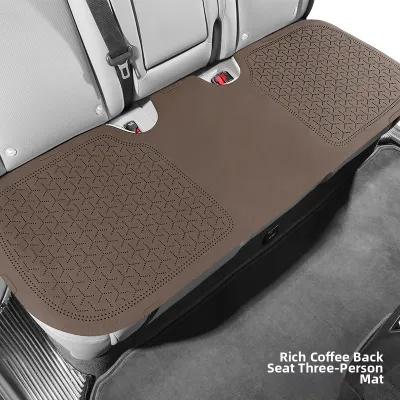
Prices are valid at publication and may change. Please refer to the product page for the latest price.
It is a common misconception that passive seat covers can actively lower the temperature of your car. Without an integrated mechanical fan, a seat cover cannot produce a cooling effect on its own. Instead, its primary job is to facilitate natural heat dissipation and prevent moisture buildup, ensuring that your body’s natural cooling mechanisms can function efficiently even during long, humid drives.
Breathable Mesh: Prioritizing Ventilation and Air Circulation
For drivers seeking immediate relief from hot, sticky seats, breathable mesh is often the most practical choice. The secret to its effectiveness lies in its specialized 3D spacer fabric structure. Unlike traditional flat fabrics, 3D mesh consists of two independent layers of fabric joined by a vertical connecting layer of micro-filaments. This unique construction creates a permanent, springy air gap between your body and the seat surface, allowing air to circulate freely beneath and behind you.

This constant ventilation ensures that heat does not accumulate in localized hot spots. As you drive, the natural movement of the vehicle and the cabin’s air conditioning system force air through the open mesh channels, carrying away body heat and evaporating moisture before it can pool. This makes mesh exceptionally well-suited for high-humidity environments where sweat evaporation is otherwise sluggish.
However, this superior airflow comes with distinct trade-offs. Mesh seat covers generally offer less plush, cushioned comfort compared to thick fabric or padded leather options. The texture can feel somewhat coarse or utilitarian against bare skin, and the open structure can trap small crumbs, requiring regular vacuuming. When shopping, it is crucial to inspect the mesh density and the rigidity of the internal support frame. Low-quality mesh covers often collapse completely under a driver’s weight, flattening the air gap and neutralizing the cooling effect. Look for high-density polyester or nylon mesh that retains its springiness and structural integrity even during extended periods of sitting.
Fabric and Cloth: Balancing Moisture Absorption and Comfort
Fabric and cloth seat covers offer a balanced approach, combining reliable moisture management with a soft, familiar feel. Unlike non-porous materials, woven fabrics excel at absorbing sweat, preventing that slick, wet sensation that often occurs on hot days. By pulling moisture away from your skin, fabric covers help maintain a dry, comfortable seating surface during daily commutes.
The cooling performance of fabric depends heavily on the fiber blend. Natural fibers like cotton and bamboo rayon are highly breathable and soft, but they tend to hold onto moisture longer once saturated. Synthetic blends, such as polyester mixed with nylon or spandex, are engineered to wick moisture to the outer surface where it can evaporate more rapidly. These performance synthetics often feature specialized weaves designed to maximize surface area and speed up drying times.
Despite their comfort, fabric covers present specific maintenance challenges in warm climates. Because they absorb sweat and spills, they are highly susceptible to odor retention, staining, and bacterial growth over time. To ensure long-term usability, always check the manufacturer’s care labels before purchasing. Opt for fabric covers that are explicitly marked as machine-washable and pre-shrunk to simplify maintenance. Additionally, look for materials treated with UV-resistant coatings to protect the fibers from solar degradation, ensuring the cover retains both its strength and color over years of use.
Leather and Faux Leather: Durability and Cabin AC Reliance
Leather and faux leather (such as polyurethane or vinyl) are highly sought after for their premium appearance, spill resistance, and ease of cleaning. However, when it comes to passive cooling, these materials face significant physical limitations. Solid leather is dense and non-porous, meaning it has high heat retention and virtually zero natural breathability. When your car is parked in direct sunlight, leather seats act as thermal sinks, absorbing solar energy and radiating intense heat when you sit down.
To mitigate this heat retention, many premium leather seat covers incorporate perforated designs. These tiny, evenly spaced punctures allow a small amount of air to pass through the material, reducing the surface area in direct contact with your skin and helping to dissipate trapped heat. Some advanced designs also feature integrated cooling gel inserts or thin layers of breathable foam backing to help slow down heat absorption, though these solutions still require a cool cabin environment to remain effective.
Ultimately, leather and faux leather covers rely heavily on your vehicle’s active air conditioning system. Once the cabin air temperature drops, the leather will gradually cool down, but this process takes significantly longer than it does with mesh or fabric. However, the primary advantage of leather remains its durability and low-maintenance nature. Spills, dirt, and sweat can be easily wiped away with a damp cloth, preventing the deep-seated odors and stains that plague fabric covers. For drivers who prioritize a clean, luxurious cabin and are willing to wait for the car’s AC to do the heavy lifting, leather remains a viable, albeit less immediately cool, option.
Comparing Mesh, Fabric, and Leather Across Key Dimensions
To help you weigh the practical trade-offs of each material, the following matrix summarizes how mesh, fabric, and leather perform across key daily driving criteria.
| Material Type | Airflow & Ventilation | Moisture Management | Ease of Cleaning | Cushioning & Comfort | Airbag Compatibility | Best Suited For |
|---|---|---|---|---|---|---|
| Breathable Mesh | High | Moderate (Evaporative) | Moderate (Requires Vacuuming) | Low to Moderate | Requires Verification | Outdoor parking, maximum sweat prevention |
| Fabric & Cloth | Moderate | High (Absorbent) | Low (Requires Washing) | High | Requires Verification | Daily commuting, soft comfort preferences |
| Leather & Faux Leather | Low (Perforated: Moderate) | Low | High (Wipe-clean) | Moderate to High | Requires Verification | Shaded parking, premium aesthetics, easy cleanup |
Note: Always verify the specific manufacturer specifications for any seat cover, as individual designs, thicknesses, and material blends can alter these general performance characteristics.
Decision Framework: Which Cooling Car Seat Cover Fits Your Drive?
Choosing the right cooling car seat cover requires matching the material’s physical properties to your daily driving habits, parking conditions, and safety requirements.
Choose a breathable mesh cover if your vehicle is frequently parked in open, unshaded areas. The open 3D structure prevents the seat from trapping extreme heat and provides immediate ventilation, making it the most effective option for rapid heat dissipation.
Choose a fabric or cloth cover if you prioritize soft, plush comfort and need reliable moisture absorption. Fabric is ideal for drivers who dislike the textured feel of mesh and want a material that absorbs sweat during humid commutes, provided you are willing to wash the covers periodically.
Choose a leather or faux leather cover if your car is usually parked in a garage or shaded area, and you rely heavily on a powerful cabin air conditioning system. Leather is the perfect choice if you want to maintain a premium interior look and require a surface that can be wiped clean instantly.
Regardless of the material, safety is your primary consideration. If your vehicle has seat-mounted side airbags, you must verify that the seat cover is explicitly certified as side-airbag compatible. Look for covers featuring specialized breakaway stitching or open-sided designs that allow the airbag to deploy without obstruction.
Before purchasing, measure your car seats carefully. Check the dimensions of the seat cushion, backrest, and headrest, and verify whether your headrests are removable, as many universal covers require removable headrests for proper installation. Finally, review the retailer’s return policy to ensure you can exchange the cover if the fit is not perfectly snug.
Frequently Asked Questions (FAQ)
Do cooling seat covers with built-in fans actually work?
Yes, active cooling seat covers with built-in fans provide a noticeable increase in airflow compared to passive materials. These covers use small, integrated fans to draw cabin air and distribute it through channels directly against your back and thighs. However, they require a continuous 12V power connection from your car’s accessory socket, which adds wiring to your cabin. They also generate a mild humming noise from the motors and are generally stiffer and more difficult to clean than standard passive covers due to the internal electrical components.
How can I prevent my existing leather seats from getting too hot?
If you want to manage heat on your factory leather seats without installing a full cover, focus on reducing solar heat gain. Always use a high-quality, reflective windshield sunshade when parked outdoors, and consider installing heat-rejecting window films within local legal limits. When returning to a hot car, open the doors or roll down the windows for a minute to let the superheated air escape before turning the air conditioning to maximum. Regularly applying a dedicated leather conditioner also helps keep the material hydrated, preventing it from drying out and cracking under intense heat.

Community discussion
Share your experience or ask a question. Comments are reviewed before publication.