
Driving in Singapore means navigating a climate where high relative humidity and warm temperatures are the daily norm. When you sit in a car for an extended commute, the contact area between your lower back and the seat becomes a prime zone for heat accumulation and perspiration. Choosing a car seat lumbar support that manages this microclimate is just as important as finding one that corrects your posture. The most suitable material must balance structural support with the ability to dissipate heat and moisture, ensuring you arrive at your destination feeling fresh rather than damp and uncomfortable.
While mesh is widely recognized for its high ventilation capacity, fabric and leather options remain popular for their aesthetic appeal and plush feel. However, each material behaves differently under tropical conditions, and their performance depends heavily on construction details, internal fillings, and design features. By understanding how these materials interact with heat and humidity, you can make an informed decision that enhances your daily driving comfort without compromising your vehicle’s interior safety or ergonomics.
Understanding Heat and Moisture Trapping in Car Seats
When you sit against a standard car seat, your body continuously releases heat and water vapor. In a humid environment like Singapore, this moisture cannot evaporate easily if the space between your back and the seat backrest is sealed. This trapped humidity creates a localized greenhouse effect, raising the perceived temperature and causing discomfort within minutes of starting your journey. Over time, this dampness can also degrade the seat materials and lead to unpleasant odors.
Products mentioned in this guide


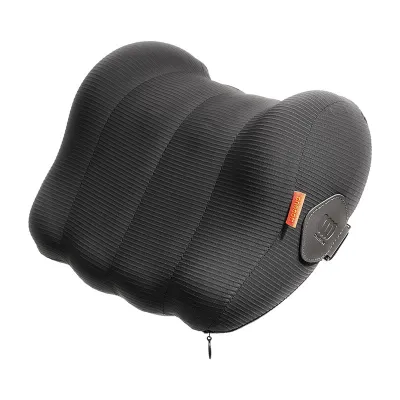

Prices are valid at publication and may change. Please refer to the product page for the latest price.
The physical structure of the lumbar support material determines how effectively it manages this heat and moisture. Porosity, weave density, and surface texture dictate the rate of passive airflow. A highly porous material allows air to circulate freely, carrying away warm, moist air before it condenses on your clothing. Conversely, tightly woven or solid surfaces block this natural exchange, forcing heat to build up against your lower back.
Beyond the outer cover, the internal filling plays a critical role in heat retention. Many lumbar supports utilize thick, dense materials like standard memory foam or polyurethane foam to provide structural contouring. While these fillings offer excellent pressure relief, their dense cellular structures act as thermal insulators, trapping body heat regardless of how breathable the outer fabric cover claims to be. When evaluating any support, you must consider both the surface material and the core filling as a combined system.
Evaluating Mesh Supports for Airflow and Structural Integrity
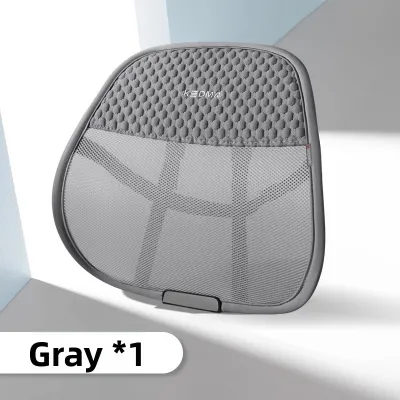
Mesh lumbar supports are often selected for tropical driving because their open-weave design maximizes passive ventilation. When shopping for a mesh support, inspect the aperture size—the physical dimensions of the holes in the mesh—and the overall weave density. Larger apertures generally facilitate greater airflow, but the weave must remain tight enough to distribute your body weight evenly without sagging. Check the product specifications or packaging details to ensure the mesh is engineered to resist stretching over long-term use.

The structural integrity of a mesh support relies heavily on its outer frame or border design. Because mesh itself has no inherent rigidity, it must be suspended across a sturdy frame, often made of high-strength plastic or metal wire. Inspect this frame carefully to ensure it features rounded edges and sufficient padding where it contacts the car seat. A poorly designed frame can press hard against your spine or wear down your vehicle’s original upholstery over time.
Additionally, verify the tension and mounting mechanisms of the mesh support before purchase. Look for robust elastic straps, adjustable buckles, or non-slip backing materials that secure the frame firmly to the seat backrest. Inadequate tension can cause the support to slip downward during your drive, forcing you to constantly readjust it and potentially distracting you from the road. A secure, adjustable mounting system ensures the support remains at the correct anatomical height throughout your commute.
Evaluating Fabric Supports for Moisture Management and Texture
Fabric lumbar supports offer a softer, more traditional feel than mesh, but their performance in humid weather varies widely based on fiber composition. Always read the material composition label on the product or packaging. Synthetic blends, such as polyester or nylon engineered with moisture-wicking properties, are generally more effective at pulling sweat away from your skin and drying quickly. Natural fibers like cotton may feel soft initially, but they tend to absorb and retain moisture, leading to a damp sensation during long drives.
The surface texture of the fabric is another critical factor to examine. Avoid rough, highly abrasive weaves that can cause friction against thin summer clothing or bare skin. A smooth, tightly knit fabric reduces friction and minimizes the risk of skin irritation during steering maneuvers or body shifts. However, ensure the weave is not so dense that it completely seals off the underlying layers, which would prevent heat from escaping.
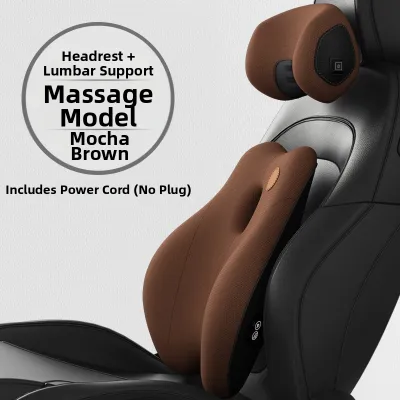
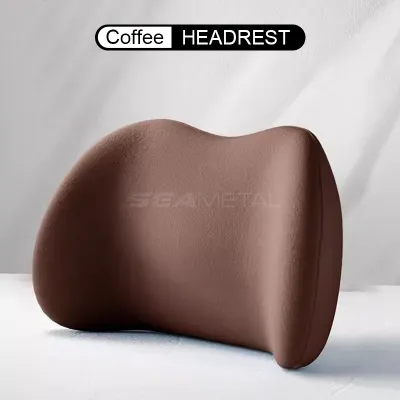
Finally, pay close attention to the filling material specifications of fabric-covered supports. Many fabric models feature a solid memory foam core. If you choose a memory foam support, look for specifications indicating open-cell structures, ventilation holes, or cooling channels molded into the foam. These design elements help mitigate the natural heat-retaining properties of dense foam, allowing a portion of the trapped heat to escape through the fabric cover rather than radiating back toward your body.
Evaluating Leather Supports for Heat Retention and Surface Design
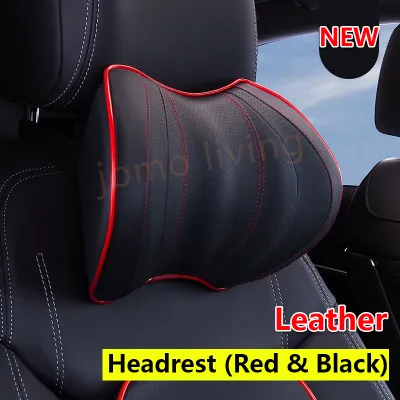
Leather and high-quality synthetic leather (such as polyurethane or vinyl) provide a premium look that matches luxury car interiors, but solid leather is naturally non-porous and retains significant heat. To make leather viable for Singapore’s climate, look specifically for perforated designs. These covers feature thousands of tiny, laser-cut holes that allow air to pass through the material. Some advanced designs also incorporate molded ventilation channels or physical cut-outs on the rear of the support to encourage air movement.
When comparing options, distinguish between genuine leather and synthetic alternatives like PU or PVC by checking the product tags and manufacturer specifications. Genuine leather possesses natural pores that offer a minor degree of breathability, whereas basic PVC or low-grade synthetic leather acts as a complete thermal barrier. If you select a synthetic option, ensure it is specifically rated as a breathable, automotive-grade material designed to withstand high cabin temperatures without off-gassing or cracking.
Another crucial consideration is the initial surface temperature of the material. If you park your vehicle in an unshaded area or under direct sunlight, leather and synthetic leather supports absorb heat rapidly and can become uncomfortably hot to the touch. This initial heat retention can make the first fifteen minutes of your drive highly uncomfortable until the cabin’s air conditioning system cools the interior. If you frequently park outdoors, a lighter-colored leather or a highly perforated design is preferable to minimize solar heat absorption.
Maintaining Hygiene and Preventing Mold in Humid Conditions
Singapore’s persistent high humidity creates an ideal breeding ground for mold, mildew, and bacteria, making regular maintenance of your lumbar support essential. Before purchasing, review the manufacturer’s care label for approved cleaning agents and washing instructions. Supports with removable, machine-washable covers are highly practical, as they allow you to wash away sweat, skin oils, and dust mites easily. If the cover is spot-clean-only, verify what mild detergents or specialized fabric cleaners are safe to use without damaging the material.
Regularly inspect your lumbar support for visual or olfactory signs of moisture buildup. Musty odors, dark spots, or a damp feel after the car has been parked overnight are clear indicators of mold or mildew growth. This is particularly common in thick foam cores, which can absorb atmospheric moisture and sweat, taking a long time to dry completely. If you detect any signs of mold, clean the support immediately according to the manufacturer’s instructions to prevent respiratory irritation or damage to your car’s seats.
To prevent moisture accumulation, establish a routine drying schedule. Periodically remove the lumbar support from your vehicle and place it in a well-ventilated, shaded indoor area to air out. Avoid exposing foam cores to direct, intense sunlight unless specified by the manufacturer, as UV rays can degrade certain foam materials. Ensure the support is completely dry throughout its entire thickness before reinstalling it in your car, preventing any trapped dampness from transferring to the underlying seat upholstery.
Verifying Ergonomic Fit and Vehicle Seat Compatibility
A lumbar support must integrate safely with your vehicle’s existing seat features and your personal driving posture. Before finalizing your purchase, confirm that the attachment straps or mounting brackets do not interfere with the seat’s adjustment tracks, reclining mechanisms, or headrest pillars. The support must sit flush against the backrest without obstructing the smooth operation of manual or electronic seat controls, ensuring you can still adjust your seating position safely.
The physical dimensions and thickness of the support are critical for maintaining proper driving ergonomics. If the lumbar support is too thick, it will push your entire torso too far forward. This alteration can compromise your reach to the steering wheel, gear selector, and pedals, potentially affecting your reaction times and vehicle control. Ensure that when the support is installed, your knees remain slightly bent when pressing the pedals fully, and your elbows maintain a comfortable, relaxed bend while holding the steering wheel.
Most importantly, verify that the lumbar support does not obstruct integrated vehicle safety features. Many modern car seats contain side-impact airbags embedded within the outer bolsters of the seatback. Check your vehicle’s owner manual to locate these airbag deployment zones, and ensure that no straps or solid frames cover or restrict these areas. Additionally, the support must not interfere with proper seatbelt routing or block built-in seat ventilation and heating systems, preserving both the safety and comfort features of your original cabin design.
Frequently Asked Questions (FAQ)
Can I use a cooling gel pad with my lumbar support?
Adding a cooling gel pad can provide temporary relief from heat, but it alters the overall thickness and ergonomic profile of your lumbar support. The extra layer may push your lower back too far forward, changing your driving posture and potentially reducing the effectiveness of the support’s original contouring. Additionally, cooling gel pads only absorb heat for a limited time before matching your body temperature, after which they can act as an extra barrier to airflow. If you choose to combine them, verify that the added thickness does not restrict your physical movement or interfere with the proper fit of your seatbelt.
How often should I air out my car seat lumbar support?
You should perform a quick visual and tactile check for dampness at least once a week, especially if you regularly park in humid, unshaded, or poorly ventilated areas. If you commute daily or sweat heavily, it is highly recommended to remove the lumbar support every two weeks to let it air out completely in a well-ventilated indoor space. This practice allows both the accessory and the underlying car seat upholstery to dry thoroughly, preventing the accumulation of trapped moisture that leads to mold growth, fabric degradation, and stubborn odors inside your vehicle’s cabin.
Community discussion
Share your experience or ask a question. Comments are reviewed before publication.