
In Singapore’s relentless tropical heat and high humidity, choosing the right car seat gap plug is more than a matter of aesthetics; it is a decision that directly impacts your daily driving comfort and the longevity of your car’s interior. While breathable mesh generally offers the best heat dissipation to prevent hot spots next to your thighs, leather provides unmatched wipe-clean convenience against sweat and spilled drinks, and fabric offers a softer touch if you are willing to maintain it regularly. Selecting the ideal material requires balancing your parking habits, maintenance preferences, and how well each option withstands the unique environmental stressors of the equator.
Understanding Tropical Climate Stressors on Car Interiors
Singapore’s climate presents a challenging environment for any automotive interior accessory. When a vehicle is parked in an open-air surface lot or on the top deck of an HDB multi-storey carpark, solar radiation quickly transforms the cabin into a greenhouse. Temperatures inside a sealed car under direct sunlight can easily soar, causing materials in contact with the seats to absorb and retain intense heat. This extreme thermal buildup can degrade low-quality plastics, weaken adhesives, and make sitting down highly uncomfortable until the air conditioning has run for several minutes.
In addition to heat, Singapore’s high ambient humidity—frequently hovering above 80 percent—creates a prime breeding ground for mold, mildew, and musty odors. When humid air is trapped in the tight, unventilated space between your front seats and the center console, any organic matter like crumbs, spilled coffee, or sweat can quickly spoil. Without adequate airflow, moisture remains locked in place, leading to persistent smells that are difficult to eradicate from the cabin.
Products mentioned in this guide
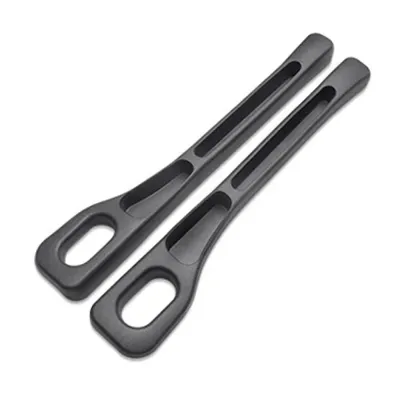
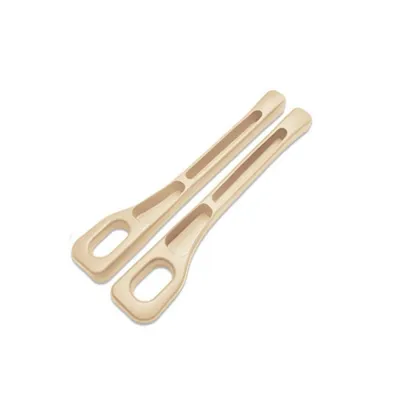
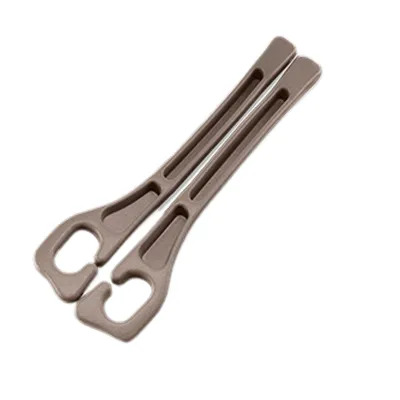
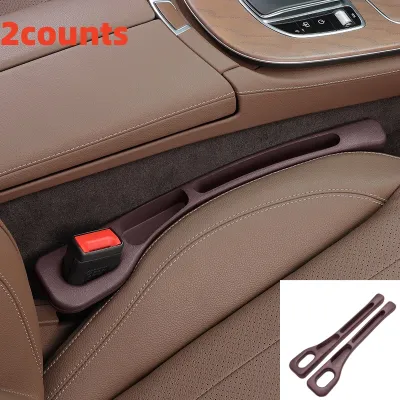
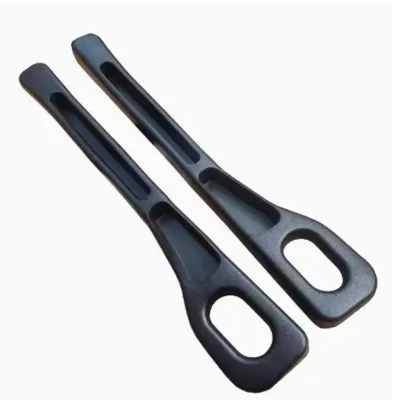
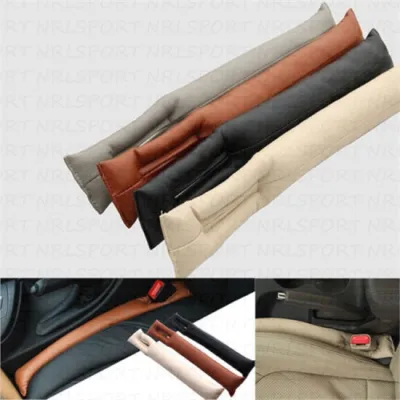
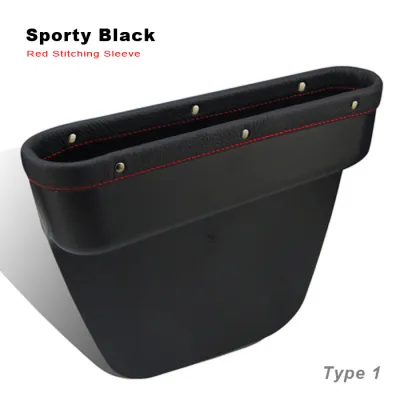
Prices are valid at publication and may change. Please refer to the product page for the latest price.
Finally, constant ultraviolet (UV) exposure through the side windows accelerates the chemical breakdown of interior accessories. UV rays break down polymer chains in synthetic materials, leading to premature fading, stiffening, and unsightly peeling. For accessories positioned right next to the window-facing sides of the seats, this radiation can turn a flexible gap filler brittle and useless within a matter of months if the material lacks proper UV stabilization.
Leather Gap Plugs: Heat Retention and Cleaning Trade-offs
Leather gap plugs, whether made of genuine hide or synthetic polyurethane (PU) leather, are highly popular for their premium appearance and seamless integration with factory leather seats. However, their solid, non-porous structure means they act as thermal heat sinks. When your car is parked under the afternoon sun, leather surfaces absorb heat rapidly and release it slowly. Before driving, it is wise to perform a quick surface temperature check with the back of your hand; if the plug is hot to the touch, allow the cabin air conditioning to cool the interior down before adjusting your seating position to avoid discomfort.

When shopping for synthetic leather options, durability verification is essential. You should carefully inspect the manufacturer’s specifications to confirm the material features UV-resistant coatings or stabilizers. Unprotected PU leather is highly susceptible to hydrolysis—a chemical reaction where moisture in the air breaks down the polyurethane chains—causing the outer layer to bubble, peel, and flake off onto your carpets.
Despite these thermal challenges, leather offers a significant maintenance advantage in a tropical climate. Because the surface is non-porous, it does not absorb sweat, body oils, sunscreen, or condensation from cold drinks. If you accidentally spill a beverage or transfer sunscreen from your legs onto the plug, you can simply wipe it clean with a damp microfiber cloth. This prevents liquids from seeping deep into the cushioning, making leather an exceptionally hygienic choice for drivers who prioritize quick, hassle-free cleaning.
Fabric Gap Plugs: Moisture Management and Comfort
Fabric gap plugs provide a soft, cushioned barrier that blends naturally with cloth interiors and eliminates the sticky feeling associated with hot leather. However, using fabric in a high-humidity environment requires careful attention to moisture management. Standard cotton or low-grade polyester weaves can act like sponges, absorbing ambient humidity, perspiration, and wet weather runoff from umbrellas. To prevent this, look for fabric plugs that specify quick-dry, hydrophobic, or moisture-wicking properties, which help moisture evaporate more rapidly into the cabin air.
Because fabric is inherently porous, it demands a more rigorous cleaning routine to prevent the buildup of unpleasant odors and bacteria. Before purchasing, check the product labels or packaging to confirm if the fabric cover is fully removable and machine-washable. A non-removable fabric cover is incredibly difficult to sanitize once a sugary drink or sweat has soaked into its core, often requiring complete replacement once a musty smell takes hold.
The tactile comfort of fabric also comes with a distinct trade-off regarding debris accumulation. The woven fibers of fabric plugs tend to trap dust, hair, food crumbs, and outdoor allergens far more easily than smooth leather or open mesh. Over time, these trapped particles can become embedded in the weave, requiring regular vacuuming with a brush attachment to keep the gap area clean and allergen-free.
Breathable Mesh Gap Plugs: Airflow and Structural Checks
Breathable mesh gap plugs are specifically engineered to address the thermal challenges of hot climates by maximizing ventilation. The open-weave structure of mesh allows air to circulate freely through the gap between the seat and the console, preventing heat from becoming trapped in this narrow channel. This continuous airflow helps the surrounding seat bolsters cool down much faster once the car’s air conditioning is turned on, making your drive comfortable almost immediately.
However, when evaluating mesh plugs, you must verify that the mesh density strikes the right balance between airflow and debris protection. If the weave is too open, small items like coins, keys, or food crumbs can slip straight through the mesh and end up lost under the seat track anyway, defeating the primary purpose of the plug. Conversely, a weave that is too dense will restrict the very airflow you bought it for, so look for a balanced, multi-layered mesh design.
Structural support is another critical factor to check before buying. Because mesh fabric is inherently flexible and soft, a plug made entirely of thin mesh will quickly sag, collapse, or slip down into the gap under the weight of your seatbelt buckle. Ensure the product specifications mention a resilient internal core, such as high-density memory foam, or reinforced structural edges that keep the plug upright and firmly in place. Additionally, inspect the outer weave to ensure it is smooth and tight enough to resist snagging on keys, clothing zippers, or seatbelt hardware during daily use.
Quick Comparison: Leather vs. Fabric vs. Mesh
To help you decide which material best suits your daily driving habits and parking conditions, consider how each option performs across key tropical environmental factors.
| Performance Dimension | Leather (Genuine/Synthetic) | Fabric (Woven/Canvas) | Breathable Mesh |
|---|---|---|---|
| Heat Retention | High (absorbs and holds heat) | Moderate (neutral to touch) | Low (excellent heat dissipation) |
| Moisture Resistance | High (waterproof surface) | Low (absorbs moisture easily) | Moderate (allows quick evaporation) |
| Cleaning Ease | Excellent (wipe-clean) | Moderate (requires washing) | Moderate (requires vacuuming/shaking) |
| UV Durability | Moderate (requires UV coating) | Moderate (susceptible to fading) | High (synthetic fibers resist peeling) |
If you primarily park your vehicle in shaded basement carparks at home and work, heat retention and UV degradation are less pressing concerns, making premium leather an excellent, low-maintenance choice. However, if your car is regularly exposed to the elements in open-air surface lots, breathable mesh or a high-quality, UV-treated fabric plug will provide a much cooler, more comfortable cabin experience while resisting the intense solar heat.
Tropical Maintenance: Preventing Mold and Material Degradation
Regardless of the material you choose, establishing a consistent maintenance routine is vital to extending the lifespan of your car seat gap plugs in Singapore’s humid climate. Sweat, body oils, and sunscreen residues are naturally acidic and will slowly break down material binders, causing synthetic leather to become sticky or fabrics to rot. Make it a habit to wipe down leather plugs or vacuum fabric and mesh plugs at least once every two weeks to remove these destructive residues. When cleaning, only use cleaners and conditioners that are explicitly authorized by the manufacturer’s label for your specific material type to avoid damaging the surface.
Proper drying protocols are equally critical to preventing mold growth. If you clean your gap plugs with a damp cloth or wash a removable fabric cover, never reinstall them while they are still damp. Trapping even a small amount of moisture in the dark, unventilated space between the seat and the console will almost guarantee mold colonization within days. Always allow the plugs to air-dry completely in a well-ventilated, shaded area before placing them back into your vehicle.
Finally, keep an eye out for clear visual and olfactory indicators that your gap plugs have reached the end of their service life. If a synthetic leather plug becomes permanently sticky, starts flaking, or leaves black residue on your clothes, the polyurethane has degraded and needs immediate replacement. For fabric and mesh plugs, a persistent musty smell that remains even after a thorough wash indicates that mold has penetrated the inner foam core, meaning it is time to discard the plug to protect your cabin’s air quality.
Frequently Asked Questions (FAQ)
Can a seat gap plug interfere with side airbag deployment?
Yes, improper installation of any aftermarket interior accessory can pose a serious safety hazard. Before purchasing or installing a car seat gap plug, you must consult your vehicle’s owner’s manual to identify the exact deployment zones for side airbags, which are often housed in the outer seat bolsters or seat frames. Ensure that the plug’s dimensions, shape, and mounting position do not compress the seat sides, block the airbag deployment seams, or restrict the free movement of the seat tracks and seatbelt pretensioners.
How can I stop the gap plug from slipping out of place?
To prevent a gap plug from sliding down or shifting during seat adjustments, you must first measure the physical width of the gap between your seat and center console. Compare this measurement against the product’s thickness and compressibility specifications to ensure a snug, friction-based fit. Additionally, look for design features such as built-in seatbelt buckle slots, anti-slip textured backing, adjustable retention flaps, or tether straps that anchor the plug securely to the seatbelt receiver.
Community discussion
Share your experience or ask a question. Comments are reviewed before publication.