
The most suitable seat cover material depends on your primary driving needs—leather offers a premium aesthetic and simple wipe-down maintenance, fabric provides reliable temperature-neutral comfort for daily commutes, and mesh delivers maximum airflow to combat high humidity and heat. Before selecting any material, verifying side airbag compatibility and checking your vehicle manufacturer’s guidelines are mandatory first steps to ensure safety systems remain fully functional.
How to Evaluate Seat Cover Materials for Your Daily Drive
Choosing the right car seat covers requires looking beyond aesthetics to evaluate how a material performs under your specific driving conditions. In a tropical climate like Singapore, high humidity and intense solar heat can turn a parked car’s cabin into an oven. Materials that trap heat or restrict airflow can make short trips uncomfortable, while high humidity can accelerate the degradation of certain synthetic materials if they are not properly ventilated.
Your daily cabin usage also dictates the level of durability you need. If you frequently transport children, carry pets, or use your vehicle for commercial driving, your seats face constant exposure to friction, spills, and dirt. A material that is easy to wipe clean might save hours of detailing, whereas a highly breathable but porous material might trap dust and pet hair.
Products mentioned in this guide
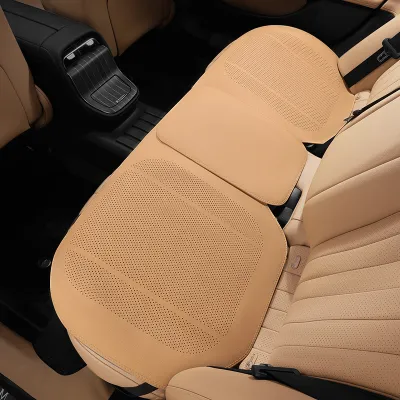
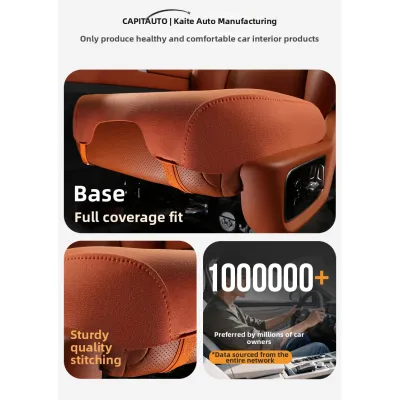
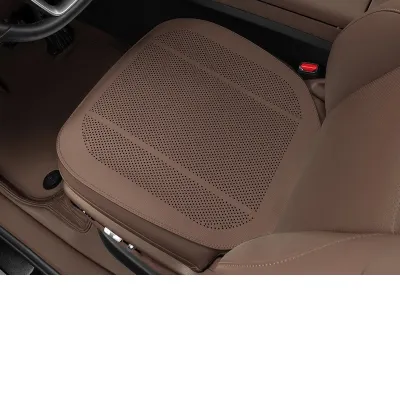
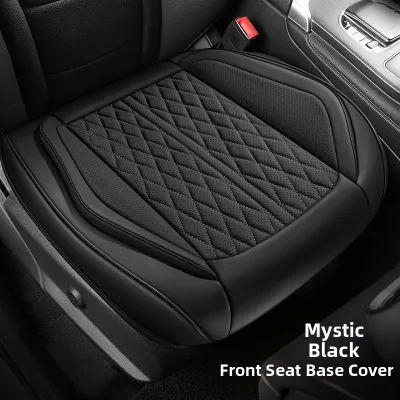
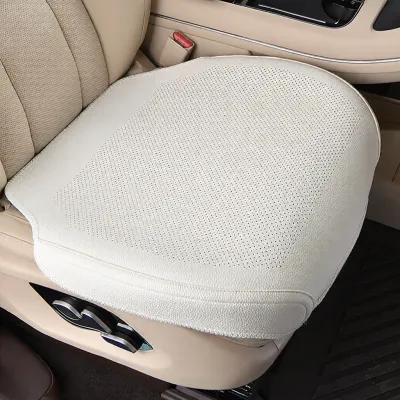
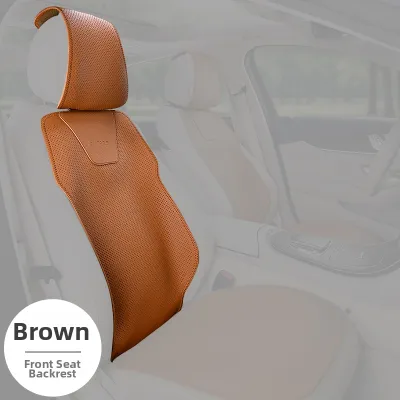
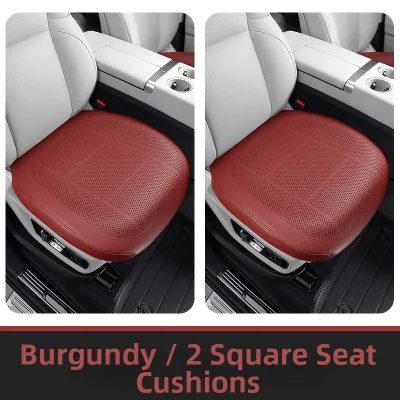
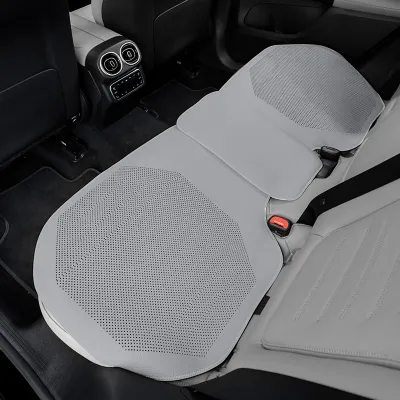
Prices are valid at publication and may change. Please refer to the product page for the latest price.
Finally, consider your willingness to perform routine maintenance. Some materials require specialized conditioners to prevent cracking, while others can be vacuumed or machine-washed according to the manufacturer’s instructions. Assessing your lifestyle, climate, and maintenance habits beforehand ensures you select a material that remains comfortable and intact over years of daily driving.
Leather Seat Covers: Aesthetics, Durability, and Care
Leather seat covers are widely favored for their premium visual appeal, smooth tactile feel, and strong resistance to liquid spills. Because liquids sit on the surface rather than soaking in immediately, leather is highly practical for drivers who want to wipe away accidental spills quickly. However, leather and its synthetic counterparts tend to retain heat. When parked in direct sunlight, these covers can become uncomfortably hot to the touch, and they do not offer the natural breathability of woven fabrics.

When shopping, it is important to distinguish between genuine leather and synthetic alternatives like polyurethane (PU) or polyvinyl chloride (PVC). Genuine leather offers distinct durability and aging characteristics but typically demands a higher initial investment. Synthetic leather options are often more water-resistant and budget-friendly, though they may wear differently over time. Always check the product labels and manufacturer specifications to confirm exactly what material composition you are purchasing.
Maintaining leather covers requires consistent, specialized care to prevent premature aging. Over time, exposure to body oils, UV rays, and heat can cause leather to dry out, crack, or discolor. To preserve the material, use only manufacturer-approved leather cleaners and conditioners, applying them according to the product’s specific instructions. Avoid harsh household detergents, which can strip away protective coatings and permanently damage the surface.
Fabric Seat Covers: Everyday Comfort and Stain Management
Fabric seat covers, typically made from woven polyester or nylon blends, excel at providing temperature-neutral comfort. Unlike leather, fabric does not become scorching hot in the sun or uncomfortably cold on rainy days, making it a highly practical choice for long drives. The woven texture offers a soft, cushioned feel that keeps passengers from sliding around during tight turns, providing a secure and cozy seating surface.
The primary trade-off with fabric is its susceptibility to liquid spills, odors, and dust accumulation. Because fabric is porous, liquids can quickly sink into the fibers, potentially leading to deep-set stains and persistent odors if not treated immediately. Dust, pet dander, and pollen can also settle into the weave, requiring regular vacuuming to maintain a clean cabin environment for passengers with allergies.
To mitigate these issues, check the fabric weave density, material composition, and manufacturer tags before buying. Some fabric covers feature built-in stain-resistant coatings or water-repellent treatments that give you a brief window to blot away spills before they soak in. Understanding the specific weave and treatment of the fabric helps you choose a cover that balances everyday comfort with manageable upkeep.
Mesh Seat Covers: Maximum Airflow for Hot Climates
Mesh seat covers are designed with a primary focus on ventilation, making them a practical utility-first option for warm and humid climates. The open, porous structure of mesh allows air to circulate freely between your body and the seat cushion, significantly reducing heat build-up and sweat accumulation on your back and thighs. This makes mesh particularly popular among high-mileage drivers, delivery partners, and daily commuters who prioritize physical cooling over a luxury aesthetic.
While mesh excels at temperature regulation, it does present distinct trade-offs in terms of cushioning and long-term wear. Mesh covers generally offer less padded comfort than thick fabric or leather, relying instead on a taut, springy tension. Over extended periods of heavy use, lower-quality mesh can begin to sag or lose its structural elasticity, reducing both support and visual neatness. Additionally, the open pores can allow small crumbs and dust to pass through to the original upholstery underneath, requiring occasional removal for thorough cleaning.
When selecting mesh covers, it is critical to verify that the attachment straps, tension frames, or backing materials do not interfere with your seat adjustment controls or safety mechanisms. Some mesh covers use rigid borders or tight elastic bands that can obstruct manual levers or electronic seat adjusters. Always check the product documentation to ensure the mounting design is fully compatible with your specific vehicle model and seat configuration.
Comparing Leather, Fabric, and Mesh: Decision Framework
To choose the right material for your vehicle, weigh the key performance characteristics against your budget and driving habits. The table below outlines how these three materials compare across essential categories.
| Material | Breathability | Maintenance Effort | Relative Cost (S$) | Aesthetic Appeal |
|---|---|---|---|---|
| Leather | Low | Moderate (Requires conditioning) | High | Premium / Luxury |
| Fabric | Moderate | High (Prone to staining) | Low to Moderate | Casual / Standard |
| Mesh | High | Low (Easy to vacuum/wipe) | Low to Moderate | Utility / Sporty |
Use these conditional guidelines to finalize your choice:
- Choose leather if you want a premium, upscale cabin appearance, prioritize quick clean-ups of liquid spills, and are willing to perform routine conditioning to prevent cracking.
- Choose fabric if you prioritize a soft, temperature-neutral seating surface that remains comfortable in all weather conditions, and you do not mind regular vacuuming or spot-cleaning.
- Choose mesh if your primary priority is staying cool and dry in hot, humid weather, and you prefer a functional, highly ventilated cover that prevents sweat build-up.
Regardless of the material you select, safety must remain your top priority. Before purchasing or installing any seat cover, consult your vehicle owner’s manual to verify compatibility with integrated side airbags and seat heaters. Standard, non-compatible seat covers can block or delay the deployment of side airbags housed within the seat backrests, posing a severe safety risk. Look for covers explicitly certified as airbag-compatible, which feature specialized, weakened seams designed to tear open safely during an deployment event.
Frequently Asked Questions (FAQ)
Can I install seat covers on seats with side airbags?
Yes, but you must only install covers that are explicitly certified as airbag-compatible. Standard seat covers can obstruct the deployment path of side airbags integrated into the seat backrests, which can lead to severe safety failures during a collision. Always check the product packaging for safety labels indicating airbag compatibility, verify that the cover matches your exact vehicle model and year, and consult your vehicle owner’s manual for specific installation restrictions.
Do leather seat covers require professional installation?
While many slip-on synthetic leather covers can be installed as a DIY project, achieving a very snug, wrinkle-free fit often requires professional upholstery services. Genuine leather and custom-fit covers are highly structured and require significant stretching and precise fastening to look seamless. Attempting to force a tight fit yourself can lead to torn seams or damaged attachment straps. If you want a flawless, factory-like appearance that does not shift during daily use, relying on a professional installer is highly recommended.
How do I clean spills on fabric seat covers without leaving stains?
To clean spills on fabric covers, act quickly by blotting the liquid with a clean, dry microfiber cloth; never rub or scrub, as this pushes the liquid deeper into the fabric fibers. Check the manufacturer’s care label on the seat cover to identify approved cleaning agents and methods. For general spot cleaning, use a mild, fabric-safe upholstery cleaner diluted according to the product instructions, and test it on a small, hidden area first to ensure it does not cause discoloration. Avoid using harsh household chemicals or saturating the seat with excessive water, which can lead to mold growth inside the cushion.

Community discussion
Share your experience or ask a question. Comments are reviewed before publication.