
Selecting the right car seat cover is a practical decision that directly impacts your daily driving comfort, the longevity of your vehicle’s interior, and your overall budget. In a tropical climate where high humidity and intense sunlight are constant factors, the material you choose plays a critical role in temperature regulation and wear resistance. While leather offers a premium aesthetic and straightforward wipe-down maintenance, fabric provides a soft, highly customizable, and budget-friendly alternative, and mesh delivers unmatched breathability to keep you cool on long journeys.
Evaluating these three materials requires looking closely at how you use your vehicle. A daily commuter navigating heavy urban traffic has different comfort and ventilation needs than a family hauling young children and pets. By understanding the unique characteristics, maintenance demands, and safety considerations of leather, fabric, and mesh, you can make an informed choice that enhances your driving experience without compromising on safety or utility.
Material Profiles: Leather, Fabric, and Mesh Explained
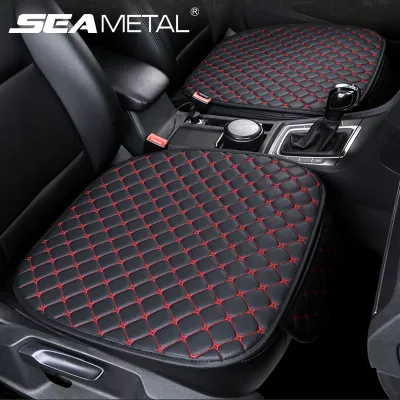
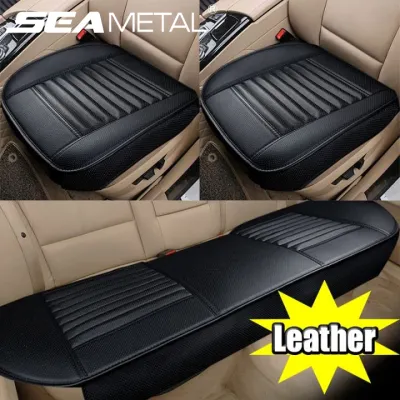
Genuine leather is prized for its natural texture, distinct aroma, and high-end visual appeal, making it a popular choice for luxury vehicles. However, synthetic alternatives like polyurethane (PU) leather have become highly prevalent due to their lower cost and comparable appearance. Synthetic leather offers a uniform texture and excellent water resistance, making it highly practical for family vehicles where spills are common.
Products mentioned in this guide
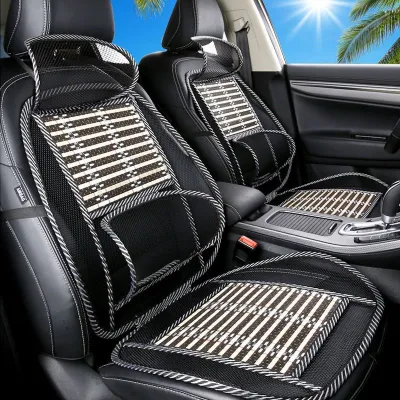
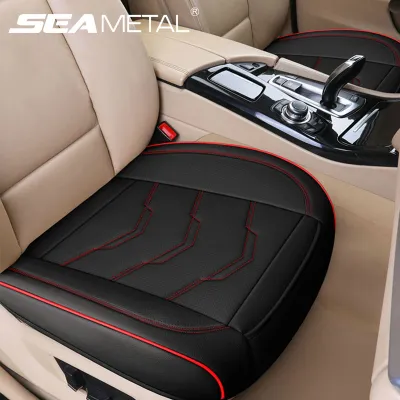
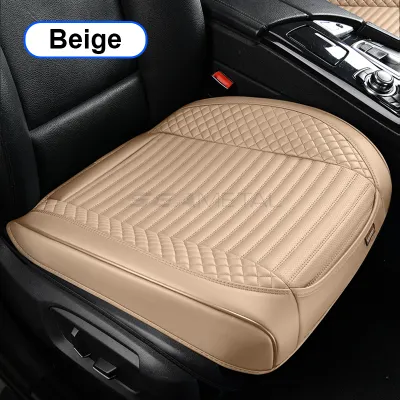
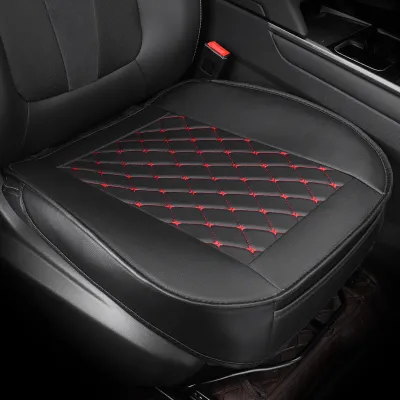
Prices are valid at publication and may change. Please refer to the product page for the latest price.
Fabric seat covers are typically constructed from canvas, polyester, or durable textile blends. Canvas is highly rugged and favored for utility vehicles or active lifestyles due to its resistance to abrasions and heavy wear. Polyester and jacquard weaves offer greater flexibility, a softer hand-feel, and a wide variety of patterns, making them the standard choice for everyday commuting.
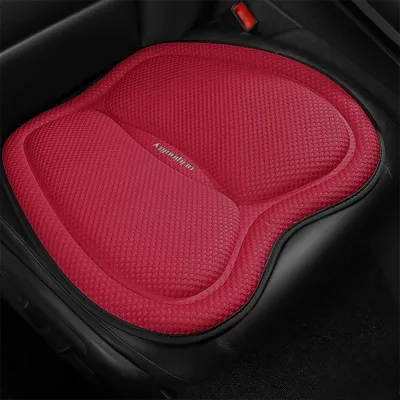
Mesh seat covers utilize an open-weave design, often featuring a 3D air mesh structure or woven netting. This design creates a physical gap between your body and the seat, allowing air to circulate freely. Mesh is highly functional and primarily engineered for drivers who prioritize ventilation and ergonomic support over traditional luxury aesthetics.
Climate and Daily Comfort: How Each Material Feels
In hot, humid conditions, heat retention is a major concern. Mesh excels in this area by facilitating continuous airflow, which helps dissipate body heat and prevent perspiration buildup. Fabric offers moderate breathability, absorbing moisture without becoming excessively hot to the touch. In contrast, solid leather covers tend to retain heat and can become uncomfortably hot when the vehicle is parked under direct sunlight, unless you opt for perforated leather designs that allow some air exchange.

The physical sensation of each material varies significantly. Mesh covers provide a firm, structured feel that often enhances the seat’s natural ergonomic support, making them comfortable for long-distance driving. Fabric offers a soft, conforming drape that feels cozy and familiar, adapting easily to your body shape. Leather provides a smooth, somewhat rigid surface that feels premium but can feel sticky against bare skin on humid days.
If temperature regulation is your primary concern, it is essential to check the manufacturer’s specifications before purchasing. Look for advanced features such as integrated cooling gel inserts in mesh covers, moisture-wicking treatments on fabric, or specialized perforation patterns in synthetic leather to enhance comfort.
Maintenance and Longevity: What to Expect Over Time
Daily use inevitably leads to spills, dust, and debris. Fabric covers are highly absorbent, meaning liquid spills can quickly penetrate the fibers and cause deep-seated stains or unpleasant odors if not treated immediately. Leather covers are highly liquid-resistant, allowing you to wipe away spills, coffee, or mud with a simple damp cloth. Mesh covers present a unique challenge; while they do not absorb liquids as easily as fabric, their open-weave structure can trap fine crumbs, dust, and pet hair within the mesh gaps, requiring regular vacuuming.
Over years of exposure to friction and UV radiation, each material degrades differently. Leather, particularly lower-grade synthetic PU, can begin to peel, crack, or stiffen if exposed to intense sunlight and body oils. Fabric is prone to pilling, fading, and gradual thinning in high-contact areas like the side bolsters. Mesh covers are highly resilient but can suffer from snagging if they catch on sharp objects like keys, zippers, or pet claws, which can cause the woven fibers to unravel or stretch out over time.
To maximize the lifespan of your seat covers, always follow the specific cleaning instructions provided on the manufacturer’s care label. Avoid using harsh household detergents or multi-purpose chemical cleaners, as these can strip away protective UV coatings or degrade synthetic fibers. Use only authorized leather conditioners for leather covers, and gentle, material-safe upholstery cleaners for fabric and mesh.
Budget, Fit, and Installation Considerations
Budget is often the deciding factor for many car owners. Fabric seat covers generally occupy the entry-level price point, with basic universal sets starting around S$30 to S$80, making them highly accessible. Mesh covers typically sit in the mid-range, offering specialized functional benefits for S$80 to S$150. Leather and high-grade synthetic leather covers represent a premium investment, with custom-tailored options ranging from S$200 to over S$500, reflecting their complex manufacturing and premium materials.
Seat covers are available as universal slip-ons or custom-tailored designs. Universal covers are highly elastic and designed to fit a wide range of vehicle models, though they may bunch up or shift during entry and exit. Custom-tailored covers are patterned specifically for your vehicle’s exact make, model, and year, providing a seamless, factory-like appearance. The inherent stretch of fabric and mesh makes them easier to fit tightly, whereas rigid leather requires precise tailoring to avoid loose, sagging areas.
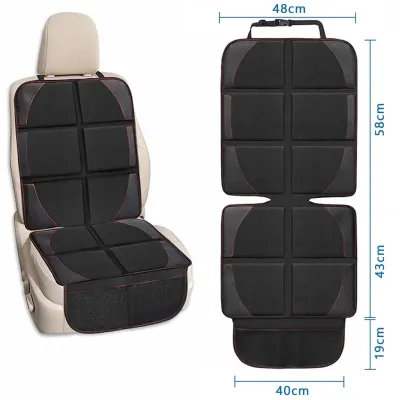
Safety must always take priority over aesthetics. Before purchasing any seat cover, you must verify its compatibility with your vehicle’s safety systems. If your vehicle is equipped with seat-mounted side airbags, you must choose covers that are explicitly certified as airbag-compatible, featuring specialized breakaway seams. Additionally, ensure the covers do not obstruct seatbelt buckles, child seat anchor points, or manual and electronic seat adjustment controls. If your vehicle has built-in seat heating or ventilation, verify that the cover material will not block or damage these systems.
The Final Decision: Matching Material to Your Driving Needs
Choose Leather if: You want to elevate your vehicle’s interior with a premium, upscale look, require a highly spill-resistant surface that is easy to wipe clean after carrying pets or children, and are prepared to invest in a durable, custom-fit option.
Choose Fabric if: You are looking for a cost-effective, highly versatile solution that offers a soft, comfortable feel, moderate breathability, and a wide range of style options for everyday urban commuting.
Choose Mesh if: Your primary goal is to combat heat and humidity during long drives, and you prioritize maximum airflow, cooling comfort, and firm, ergonomic back support over a traditional luxury appearance.
Verify first if: Your vehicle features specialized seating configurations, integrated side airbags, or electronic climate controls. Always consult your vehicle’s owner manual and the seat cover manufacturer’s documentation to ensure a safe, compatible, and secure fit before making your final purchase.
Frequently Asked Questions (FAQ)
Can I install seat covers myself, or do I need professional help?
Most universal slip-on seat covers are designed for straightforward, do-it-yourself installation using simple elastic straps, hooks, or chucks that tuck into the seat crease. However, custom-tailored covers—especially those made of rigid materials like leather—require a much tighter fit and can be physically demanding to install. In some cases, achieving a perfect, wrinkle-free fit may require specialized tools like hog rings or even the temporary removal of the seats from the vehicle. If your seats feature complex electronic controls, integrated wiring harnesses, or sensitive airbag systems, seeking professional installation is highly recommended to prevent accidental damage or safety hazards.
Will aftermarket seat covers affect my car's resale value?
High-quality, well-fitted seat covers can actually help preserve your car’s resale value by acting as a protective barrier against spills, UV damage, pet scratches, and general wear on the original upholstery. When it comes time to sell or return a leased vehicle, removing the covers reveals pristine original seats underneath, which is highly appealing to buyers. Conversely, poorly fitted, damaged, or non-airbag-compliant covers can raise safety concerns and lower the vehicle’s appeal. If you plan to use seat covers to protect your investment, ensure they are kept clean, properly secured, and fully compatible with all safety features.

Community discussion
Share your experience or ask a question. Comments are reviewed before publication.