
Choosing the right car headrest pillow involves balancing immediate tactile comfort with long-term durability and maintenance. In tropical climates like Singapore, where high humidity and intense sunlight quickly heat up a vehicle’s interior, your choice of material directly impacts your daily driving experience. While some drivers prioritize a premium aesthetic that matches their existing upholstery, others require maximum airflow to prevent perspiration during long commutes.
The ideal material depends on your specific cabin environment, maintenance habits, and safety requirements. By evaluating the distinct characteristics of leather, fabric, and mesh, you can select an accessory that enhances your posture without compromising your vehicle’s safety features. This guide breaks down the key differences to help you make an informed decision.
Identifying Your Core Priorities for Car Interior Comfort
Before comparing specific materials, you must evaluate your daily driving conditions and the environment inside your vehicle. In Singapore, cars parked in open-air lots absorb significant solar heat, causing cabin temperatures to spike rapidly. This intense heat retention affects how materials feel against your skin upon entry. If your vehicle is frequently exposed to direct sunlight, a material that regulates temperature or dissipates heat quickly will significantly improve your initial comfort.
Products mentioned in this guide
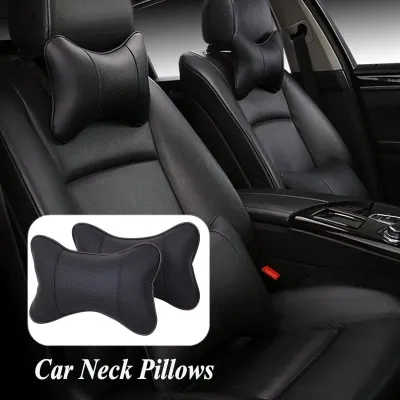
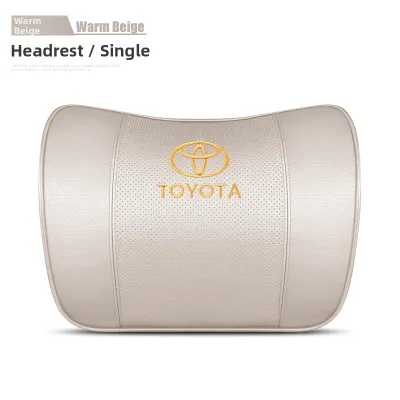
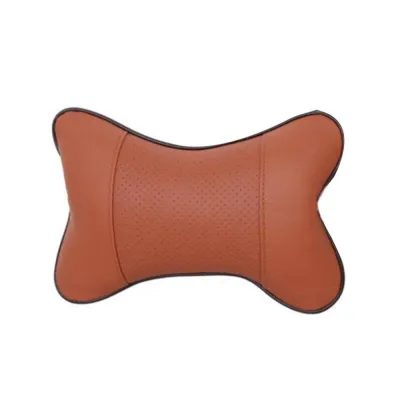
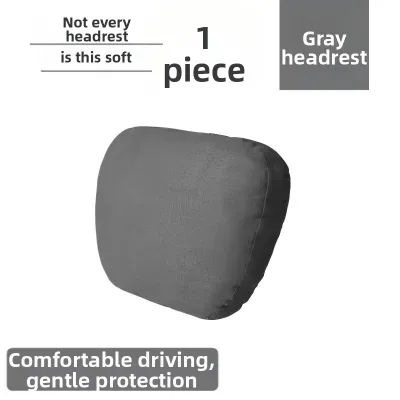
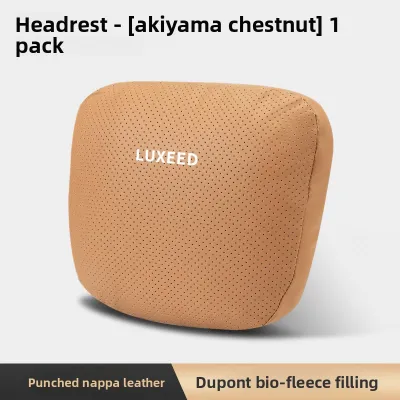
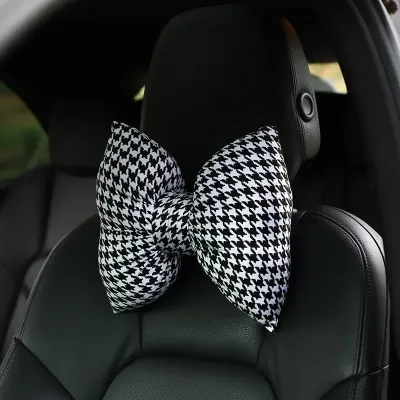
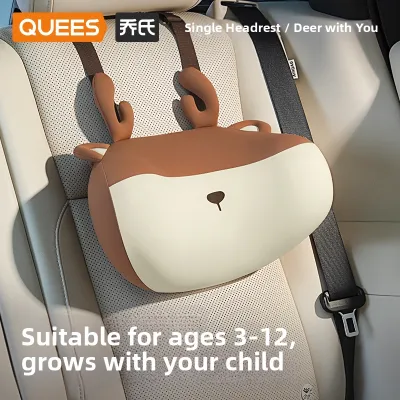
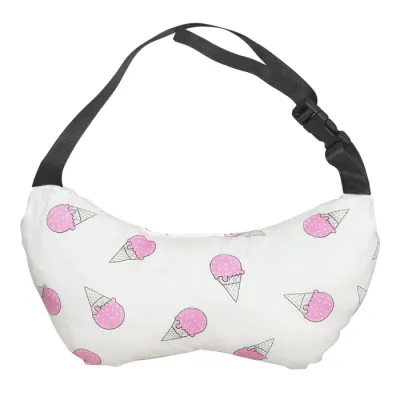
Prices are valid at publication and may change. Please refer to the product page for the latest price.
Your daily usage patterns and passenger profile also play a critical role in this decision. Commuters who spend hours in traffic require consistent ergonomic support, whereas families with young children or pets must prioritize spill resistance and easy cleaning. A material that excels in a quiet, single-occupant commuter car might fail quickly under the wear and tear of family road trips or pet transport.
Finally, define your realistic maintenance routine before making a purchase. Some drivers prefer a quick wipe-down during a car wash, while others do not mind removing, washing, and drying fabric covers. Choosing a high-maintenance material when you have limited time can lead to premature wear, unpleasant odors, and accumulated dirt, which ultimately degrades your cabin’s air quality and overall comfort.
Material Breakdown: Comfort, Durability, and Maintenance
Each headrest pillow material offers a unique combination of tactile feel, structural longevity, and care requirements. Understanding these inherent properties allows you to anticipate how each option will perform over years of daily exposure to friction, body oils, and sunlight.

Leather and Synthetic Leather Options
Leather and synthetic leather alternatives, such as polyurethane (PU) leather and vinyl, are popular choices for drivers seeking a cohesive, high-end look that matches original leather seats. These materials offer a smooth, premium surface feel that immediately elevates the vehicle’s interior aesthetic. However, non-porous leather surfaces are highly sensitive to temperature. When exposed to direct sunlight through car windows, they can become uncomfortably hot to the touch, and they do not allow for airflow, which can lead to perspiration during warm drives.
In terms of maintenance, leather options excel at resisting liquid spills. A quick wipe with a damp cloth is usually sufficient to clean minor spills, dust, or sweat. Despite this convenience, synthetic variants like PU leather are susceptible to creasing, fading, or peeling over time due to UV exposure and constant friction. Genuine leather requires periodic conditioning with label-authorized leather care products to prevent drying and cracking, making it a more demanding option for long-term preservation.
When shopping, always check the manufacturer’s labels and product tags to identify the exact material composition. Products labeled as “leather” may range from premium top-grain genuine leather to various grades of synthetic PU or vinyl. Verifying these details ensures you select a product that matches your expectations for durability, care requirements, and tactile comfort.
Fabric Options (Cotton, Velvet, and Blends)
Fabric headrest pillows, including cotton, velvet, and synthetic fiber blends, are favored for their soft, inviting texture and consistent surface temperature. Unlike leather, fabric does not become excessively hot in the sun or cold in air-conditioned cabins, providing a reliable level of comfort the moment you sit down. The inherent weave of fabric allows for moderate breathability, preventing the sticky sensation often associated with non-porous materials.
However, fabric is highly susceptible to absorbing liquids, sweat, body oils, and odors. Without prompt treatment, minor spills can turn into permanent stains, and trapped moisture can lead to musty smells inside the cabin. To manage this, look for fabric pillows with removable, machine-washable covers. If the cover is non-removable, you will need to rely on specialized fabric spot cleaners, which require more effort and drying time.
Durability is another key consideration for fabric options. Daily friction from head movement can cause pilling, thinning, or seam stress over extended use. High-quality fabric blends with tight weaves generally resist pilling better than loose cotton or delicate velvet, making them more suitable for daily commuters who require long-lasting support.
Breathable Mesh Options
Breathable mesh headrest pillows are engineered specifically to maximize airflow and minimize heat buildup. Utilizing a porous, woven structure, mesh allows air to circulate freely between your neck and the headrest, significantly reducing sweat and discomfort during long drives in humid weather. This makes mesh an exceptionally practical choice for drivers who prioritize temperature regulation above all else.
While mesh excels at ventilation, its textured surface may feel abrasive against bare skin or delicate clothing. Rough fabrics, zippers, or pet claws can easily snag the mesh weave, leading to unsightly loose threads and structural degradation. If you frequently wear sleeveless shirts or have sensitive skin, the tactile feel of a mesh pillow is an important factor to test before committing to a purchase.
Additionally, the open-weave design of mesh presents unique cleaning challenges. Dust, lint, and small debris can easily accumulate within the tiny openings of the weave, requiring regular vacuuming or shaking out to maintain cleanliness. Mesh pillows also tend to offer a firmer, more spring-like structural support compared to the plush cushioning of fabric or leather, which may not suit drivers who prefer a soft, sinking feel.
Direct Comparison Matrix for Quick Decision-Making
To help you compare these materials efficiently, the following matrix summarizes how leather, fabric, and mesh perform across key decision dimensions.
| Material Type | Temperature Regulation | Spill Resistance | Tactile Comfort | Cleaning Effort |
|---|---|---|---|---|
| Leather / Synthetic | Low (Heats up in sun) | High (Wipe-clean surface) | Smooth & firm | Low (Requires simple wiping) |
| Fabric (Blends/Velvet) | Medium (Consistent temperature) | Low (Absorbs liquids) | Soft & plush | Medium to High (Requires washing) |
| Mesh | High (Excellent airflow) | Low (Debris can trap in weave) | Textured & springy | Medium (Requires vacuuming/dusting) |
It is important to note that actual performance depends heavily on the specific fabric weaves, leather grades, or mesh density of the product you choose. For instance, a high-density mesh may offer more structural support but slightly less airflow than a loose mesh, while treated fabrics may offer temporary spill resistance. Always verify individual product specifications and cross-reference user reviews to understand how a specific car headrest pillow performs in real-world conditions.
Verifying Fit, Safety, and Installation Requirements
Before purchasing any car headrest pillow, you must verify that it is compatible with your vehicle’s specific seating design and safety systems. Modern vehicles are equipped with sophisticated safety features, including active head restraints and whiplash protection systems, which are designed to move forward in a collision to protect your neck. Adding an aftermarket pillow can interfere with these mechanisms if the attachment straps restrict their movement. Always consult your vehicle’s owner manual to understand how your headrests operate before installing any accessory.
Furthermore, ensure that the pillow’s straps, buckles, or elastic bands do not obstruct other critical components. This includes seatbelt paths, seat adjustment controls, integrated side airbag deployment zones, or rear-facing child seat tether anchors. A poorly positioned strap that blocks an airbag or prevents a seatbelt from tensioning correctly poses a severe safety risk to occupants. If you are unsure about the mounting position or compatibility, consult a qualified professional or the vehicle manufacturer before installation.
Finally, pay close attention to the thickness of the pillow and its impact on your driving posture. A headrest pillow should fill the natural curve of your neck to provide gentle support, rather than pushing your head forward. If a pillow is too thick, it can force your neck into an unnatural, forward-flexed position, which compromises your driving posture, reduces your field of vision, and increases the risk of neck injury in an accident. If you experience discomfort or find your head pushed away from the seatback, discontinue use immediately.
Final Decision Framework: Matching Material to Your Lifestyle
To make your final selection, match your primary driving habits and vehicle environment to the strengths of each material:
- Choose Leather or Synthetic Leather if: Your priority is a premium, cohesive aesthetic that matches your car's interior, you want a simple wipe-clean maintenance routine, and you typically park in shaded, covered, or indoor parking structures to avoid extreme heat buildup.
- Choose Fabric if: You prioritize consistent, year-round temperature comfort and a soft, plush feel, and you are willing to regularly spot-clean the material or wash removable covers to prevent stains and odors.
- Choose Mesh if: Your absolute priority is maximum airflow to combat sweat and humidity during long drives, and you prefer a lightweight, highly ventilated support structure that keeps your neck cool.
Always verify first if you have pre-existing neck or spinal conditions, use specialized child safety seats, or drive a vehicle with highly integrated active safety headrests. In these cases, consult a medical professional or your vehicle manufacturer before adding any aftermarket neck support to ensure it does not compromise your safety.
Frequently Asked Questions (FAQ)
Can I leave my car headrest pillow in the vehicle when parked in the sun? (FAQ)
Yes, but the rate of material degradation varies significantly by material. Synthetic leather (like PU) and vinyl are highly susceptible to UV damage, which can cause them to crack, peel, or fade over time when exposed to intense sunlight. Additionally, closed vehicles parked in the sun can experience off-gassing from synthetic materials, leading to unpleasant odors. To protect your investment, consider using a windshield sunshade to block direct UV rays, or choose UV-resistant fabric or mesh options if your car is regularly parked outdoors.
How do I clean a non-removable fabric headrest pillow? (FAQ)
To clean a non-removable fabric cover, start by vacuuming the surface to remove loose dust and debris. Next, apply a small amount of mild fabric upholstery cleaner to a clean microfiber cloth—never apply the liquid cleaner directly to the pillow to avoid oversaturating the inner foam. Gently blot the stained area, working from the outside in to prevent spreading. If the stain persists or if the pillow has absorbed deep odors, stop and consult a professional auto detailer to avoid damaging the internal cushioning or causing mold growth.

Community discussion
Share your experience or ask a question. Comments are reviewed before publication.