
Choosing the right car headrest pillow is a highly personal decision that directly impacts your daily driving comfort. The ideal material depends on your local climate, how much time you spend behind the wheel, and your willingness to perform regular maintenance. There is no single universal option that outperforms the others in every category; instead, the right choice balances heat dissipation, ease of cleaning, and tactile plushness.
If you prioritize a sleek aesthetic and effortless maintenance, leather or synthetic leather options are highly practical. For drivers who prefer a soft, traditional feel against their skin, fabric covers offer excellent initial comfort. Meanwhile, if you frequently drive in hot, humid climates and want to prevent sweat buildup, breathable mesh provides the most functional airflow. By evaluating how each material handles daily wear, you can select an option that integrates seamlessly with your vehicle’s interior.
Key Decision Factors for Headrest Pillow Materials
When selecting an aftermarket car headrest pillow, several key factors dictate how well the accessory will perform over time. The first and most immediate consideration is tactile comfort and temperature regulation. In warm, tropical environments like Singapore, car interiors can trap significant heat, making the thermal properties of your headrest pillow critical. A material that traps heat can quickly lead to discomfort and neck sweat during extended commutes.
Products mentioned in this guide
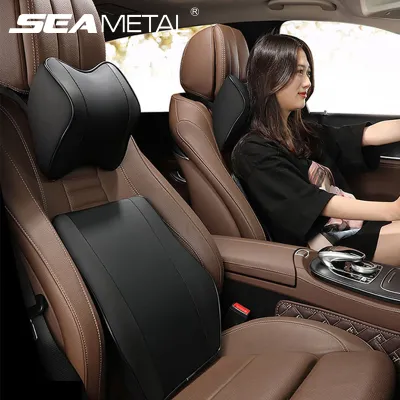
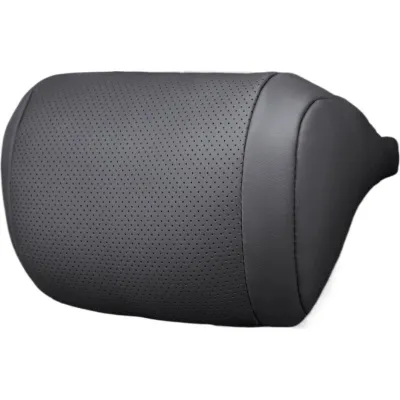
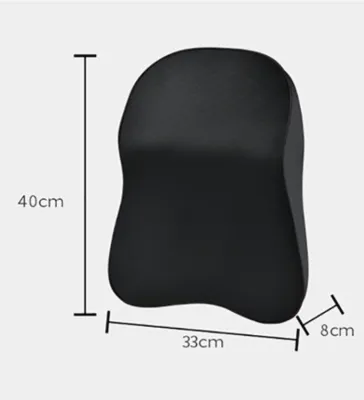
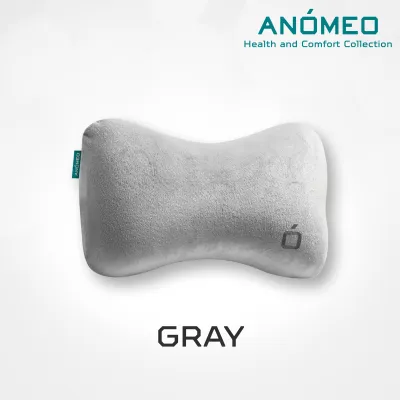
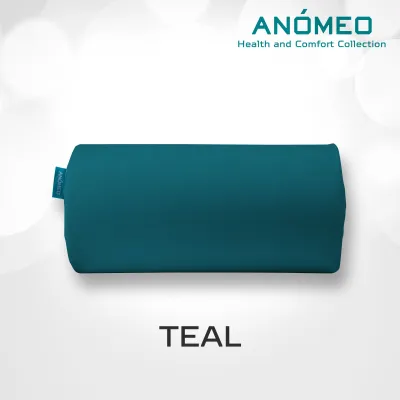
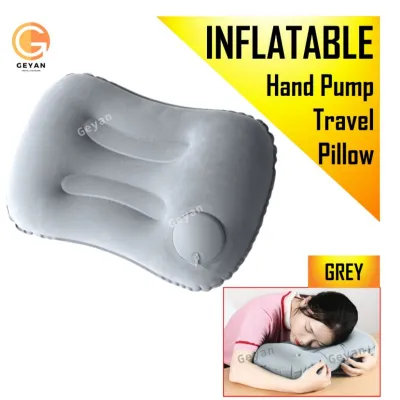
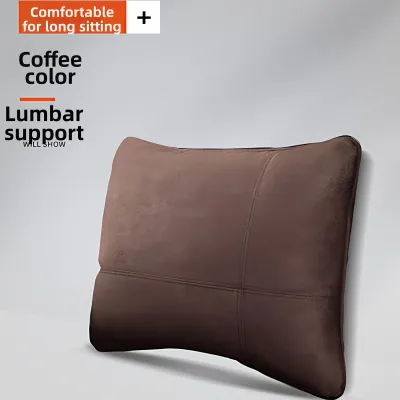
![[SG] Travel Pillow / U Pillow/ Neck Pillow/ Memory Foam / Airplane Car Office Sleep Cushion](https://img.lazcdn.com/g/p/3fcc856a6c7faccbd3fd49b6d24b787f.jpg_400x400q80.jpg_.webp)
Prices are valid at publication and may change. Please refer to the product page for the latest price.
Durability is another essential factor, as headrest pillows are subjected to constant friction, body oils, hair products, and UV exposure through the car windows. Over time, these elements can degrade certain materials, causing them to crack, fade, or develop unpleasant odors. Choosing a material that resists these daily stressors ensures your investment remains supportive and visually appealing for years.
Ergonomic support also interacts closely with your choice of cover material. The outer cover dictates how much friction exists between your head and the pillow, which affects how easily you can adjust your posture while driving. A cover that is too slippery or too restrictive can alter your neck alignment, potentially leading to muscle strain over long journeys.
Finally, maintenance requirements should align with your lifestyle. Some materials allow for quick, on-the-go wipe-downs, while others require periodic machine washing or specialized spot treatments. Understanding how much effort you are willing to dedicate to keeping the pillow clean will help you avoid materials that become high-maintenance chores.
Evaluating Leather and Synthetic Leather Options
Leather and synthetic leather (such as polyurethane or vinyl) are popular choices for drivers seeking a premium look that matches their existing upholstery. These materials offer a smooth, structured surface feel that provides firm support. However, their temperature retention properties require careful consideration. In direct sunlight, leather surfaces can absorb and hold significant heat, making them uncomfortably hot to the touch when you first enter the vehicle.

The primary advantage of leather and synthetic alternatives is their exceptional ease of cleaning. Because the surface is non-porous, it does not absorb liquids, sweat, or hair styling products. If you spill a drink or notice sweat buildup after a long drive, you can simply wipe the surface clean with a damp microfiber cloth. This makes leather-style pillows highly hygienic and resistant to deep-seated odors.
When shopping, it is important to check product labels to distinguish between genuine leather and synthetic options like PU or PVC. Genuine leather offers natural breathability through microscopic pores and tends to age gracefully, though it requires occasional conditioning to prevent drying and cracking. Synthetic leather is highly durable and water-resistant but may offer less breathability, potentially leading to a warmer feel against your skin during long drives.
Additionally, synthetic options vary in their resistance to UV exposure. High-quality polyurethane (PU) typically remains soft and pliable under sun exposure, whereas lower-grade PVC may become stiff and prone to cracking over several years of exposure to harsh sunlight through your car’s rear and side windows.
Evaluating Fabric and Cloth Options
Fabric and cloth headrest pillows are favored for their immediate softness and cozy, inviting texture. Unlike leather, fabric does not feel shockingly hot in the summer or freezing in the winter, providing a consistent tactile experience year-round. These pillows are available in a wide variety of textures, including cotton, polyester, and plush velvet blends, allowing you to choose the exact level of softness you prefer.
However, fabric’s high absorbency presents distinct maintenance challenges. Sweat, skin oils, hair products, and accidental spills are easily absorbed into the fibers, which can lead to staining and persistent odors over time. If you live in a humid climate or use the pillow during post-workout drives, a fabric cover can quickly become a breeding ground for bacteria if left unaddressed.
Different fabric weaves also affect how the pillow handles dust and allergens. Plush velvet or high-pile fabrics tend to trap dust mites, pet dander, and pollen more easily than flat-weave polyester. If you or your passengers suffer from respiratory sensitivities, a high-pile fabric may require much more frequent cleaning to maintain a healthy cabin environment.
To mitigate these issues, always verify the product specifications to ensure the outer cover is removable and machine-washable before making a purchase. A zippered, removable cover allows you to wash away accumulated oils and dirt easily, preserving the hygiene and freshness of the inner cushioning material.
Evaluating Breathable Mesh Options
Breathable mesh headrest pillows are engineered specifically for maximum airflow and heat dissipation. Constructed with an open-weave pattern, mesh allows air to circulate freely behind your neck, preventing the heat buildup and sweating that often occur with solid materials. This makes mesh an exceptionally functional choice for long-distance drivers, daily commuters in warm regions, and those who run naturally warm.
While mesh excels at temperature control, its tactile feel is quite different from leather or fabric. Mesh surfaces tend to be more structured, springy, and slightly abrasive depending on the weave density. It generally offers a firmer, more supportive sensation rather than a plush, sinking-in feeling. If you prefer a highly cushioned, pillow-like softness, the taut nature of mesh might require an adjustment period.
Furthermore, the durability of mesh depends heavily on the quality of its synthetic fibers. High-tension mesh can retain its shape and springiness for years, while lower-quality mesh may stretch out and sag under the constant weight of your head, reducing the ergonomic support it provides.
Additionally, the open gaps in mesh fabric can act as traps for dust, hair, and small debris over time. Unlike leather, which can be wiped clean, or fabric, which can be thrown in the wash, cleaning mesh requires a bit of targeted effort. You may need to use a vacuum attachment with a brush nozzle or a soft-bristled brush to dislodge particles embedded within the weave.
Material Comparison Matrix
To help you quickly compare these three common options, the table below summarizes how each material performs across key decision dimensions. Keep in mind that the exact performance, durability, and comfort of any headrest pillow will also depend heavily on the manufacturer’s specific material blend, stitching quality, and the type of inner filling used (such as memory foam or polyester fiberfill).
| Material | Heat Retention | Cleaning Ease | Plushness | Best Suited User Profile |
|---|---|---|---|---|
| Leather / Synthetic | High (can feel hot initially) | Excellent (wipe-clean surface) | Moderate to Firm | Drivers seeking a premium look and low-maintenance cleaning |
| Fabric / Cloth | Moderate (neutral temperature) | Moderate (requires washing) | High (very soft and cozy) | Drivers prioritizing maximum plushness and a soft tactile feel |
| Mesh | Low (excellent airflow) | Moderate (requires vacuuming) | Firm (structured support) | Commuters in hot climates prioritizing sweat prevention |
Final Decision Framework: Which Should You Choose?
To make your final decision, evaluate your primary driving conditions and personal comfort preferences against the strengths of each material.
Choose a leather or synthetic leather headrest pillow if your top priorities are effortless cleaning, stain resistance, and a sleek, premium aesthetic that coordinates with a leather interior. This option is ideal for those who want a simple wipe-and-go maintenance routine.
Choose a fabric headrest pillow if you want maximum plushness, a soft and cozy texture against your skin, and a material that maintains a neutral temperature regardless of the weather. Ensure you select a model with a removable, washable cover to simplify upkeep.
Choose a breathable mesh headrest pillow if your main concern is preventing sweat buildup, maximizing airflow, and maintaining a cool neck area during long drives in warm or humid conditions.
Before finalizing any purchase, always verify that the pillow’s strap, buckle, or attachment mechanism is fully compatible with your vehicle’s specific headrest posts. The mounting system must hold the pillow securely in place without slipping, and it must not obstruct any built-in safety features or adjustment mechanisms of your original car seats.
Frequently Asked Questions (FAQ)
Will a headrest pillow interfere with my car's active head restraints?
Yes, aftermarket headrest pillows can potentially interfere with active head restraint (AHR) systems designed to protect against whiplash during a collision. It is essential to consult your vehicle’s owner manual before installing any accessory on the headrest posts. Ensure that the pillow does not push your head unnaturally forward, alter your driving posture, or block the deployment path of any safety mechanisms built into the seat back.
How do I clean a non-removable fabric headrest pillow?
If your fabric headrest pillow does not have a removable cover, you can spot-clean it using a mild, upholstery-safe cleaner and a clean microfiber cloth. Gently dab the stained area rather than rubbing, which can push dirt deeper into the fibers. After cleaning, ensure the pillow dries completely in a well-ventilated area before placing it back in your vehicle; trapped moisture inside memory foam or cotton filling can lead to mold or mildew growth.

Community discussion
Share your experience or ask a question. Comments are reviewed before publication.