
Finding the right steering wheel cover for your Honda HR-V in Singapore requires balancing precise physical fitment, material performance in a tropical climate, and strict safety standards. Because the steering wheel is your primary point of contact with the vehicle, any aftermarket accessory must fit securely without slipping or obstructing controls. Choosing between genuine leather and microfiber suede involves weighing tactile comfort against maintenance needs, especially under Singapore’s high humidity.
By understanding your vehicle’s specific dimensions and selecting high-quality materials, you can protect your original steering wheel while enhancing your daily driving experience. This guide outlines how to verify compatibility, compare material performance, and ensure a safe, secure installation.
Identifying Your Honda HR-V Steering Wheel Specifications
To ensure a perfect fit, you must measure your Honda HR-V’s steering wheel directly rather than relying solely on generic size charts. Use a flexible tape measure to find the outer diameter by measuring across the widest part of the wheel from the outer edge to the opposite outer edge. Most modern compact SUVs like the HR-V typically feature steering wheels with an outer diameter between 37 and 38 centimeters, but exact dimensions vary by model year and trim level.
Products mentioned in this guide

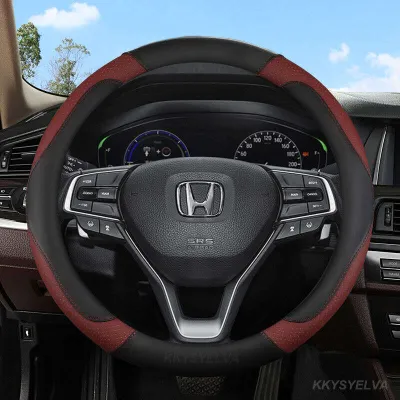

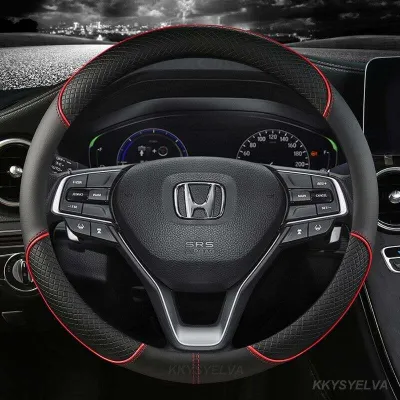

Prices are valid at publication and may change. Please refer to the product page for the latest price.
Next, measure the grip circumference by wrapping the tape measure around the thickest part of the rim. This measurement is crucial because a cover that is too loose will slide during turns, while one that is too tight will fail to close properly or stretch excessively. Even a discrepancy of a few millimeters can affect how securely the cover grips the wheel.
Pay close attention to the physical shape of your HR-V’s steering wheel. While older generations generally feature a standard circular wheel, newer iterations or specific sport trims may feature a D-shaped or flat-bottom steering wheel. A standard circular cover will not conform correctly to a flat-bottom wheel, leading to loose material at the base and a compromised grip.
Always cross-reference your physical measurements with the specifications listed in your Honda HR-V owner’s manual or consult an authorized dealer. Generational updates often introduce subtle changes in steering wheel thickness and spoke design, making manual verification an essential step before purchasing any aftermarket accessory.
Choosing Between Leather and Suede for Daily Driving
Selecting the right material for your daily commute in Singapore depends heavily on how you interact with your vehicle and your willingness to perform regular maintenance. Genuine leather offers a classic, smooth texture that gradually conforms to your hands over time, providing a firm and predictable grip. Microfiber suede, often referred to under brand names like Alcantara, offers a highly tactile, high-grip surface that feels sporty and luxurious.

In Singapore’s tropical climate, temperature retention and sweat resistance are critical factors. Smooth leather can become uncomfortably hot when your HR-V is parked under direct sunlight, though it cools down relatively quickly once the air conditioning is running. Leather is also highly resistant to moisture absorption, meaning sweat from your hands will sit on the surface rather than soaking into the material, making it easy to wipe clean.
Microfiber suede excels at temperature regulation, remaining comfortable to the touch even after hours in the sun. Its fibrous structure provides excellent grip even if your hands are damp. However, this same porous structure means suede easily absorbs hand oils, sweat, and dust, which can lead to matting and a slick, greasy texture over time if not regularly cleaned.
In terms of long-term durability, high-quality leather is exceptionally resilient and can last for years with minimal care, developing a natural patina. Suede requires a more proactive maintenance routine to prevent the fibers from flattening and hardening. If you prefer a low-maintenance interior, leather is generally the more practical choice, whereas suede suits drivers who prioritize maximum grip and are willing to invest time in regular upkeep.
Critical Fitment, Installation, and Safety Boundaries
Safety must be your primary consideration when installing any steering wheel cover on your Honda HR-V. Slip-on covers are popular for their ease of installation, but they rely entirely on friction to stay in place. If a slip-on cover is slightly too large or if the inner lining degrades, it can slip during sudden steering maneuvers, creating an immediate driving hazard.
Stitch-on or lace-up wraps offer a far more secure and integrated fit. These covers are stitched directly over the existing steering wheel rim, eliminating the risk of slippage and providing a uniform thickness that feels like an original factory finish. However, they require precise installation to ensure the tension is even and the seams do not irritate your hands during long drives.
Before finalizing any installation, you must perform a comprehensive clearance check. Ensure the cover does not obstruct the operation of steering wheel controls, horn buttons, or integrated shift paddles behind the wheel. The cover must not interfere with the seams of the steering wheel airbag module; while the driver’s airbag deploys from the center hub, any cover that wraps too closely to the spoke transitions must be checked to ensure it does not impede rapid deployment.
If you encounter any difficulty during installation, or if the cover does not sit perfectly flush against the spokes of your HR-V’s wheel, stop immediately. Do not attempt to force a poorly fitting cover or use adhesives to secure a loose slip-on wrap. In these cases, consult a professional automotive upholstery service to have a custom wrap stitched on safely and securely.
Verifying Material Authenticity and Build Quality
With numerous options available on online marketplaces, distinguishing genuine leather and high-quality suede from synthetic substitutes like polyurethane (PU) or polyvinyl chloride (PVC) is essential. Genuine top-grain leather features natural, irregular pore patterns and a distinct, organic scent. Synthetic leather often exhibits a highly uniform, repeating pattern and may have a chemical or plastic smell.
Examine the edges of the material where it is cut or stitched. Genuine leather typically has a fibrous, slightly rough edge on its underside, whereas synthetic materials often reveal a fabric backing or a clean, melted plastic edge. High-quality microfiber suede should have a consistent, dense nap that changes direction slightly when you run your hand across it, indicating genuine fiber depth.
Inspect the construction quality of the cover, focusing on the inner lining and the stitching. A premium cover should feature a textured, non-slip rubber or silicone inner lining to prevent movement against the steering wheel. The stitching along the seams should be tight, even, and free of loose threads or fraying, which are common signs of substandard manufacturing that will quickly fail under daily use.
Always read product labels, warranty terms, and manufacturer certifications carefully. Reputable manufacturers will clearly state the exact composition of their materials, such as “100% genuine top-grain leather” or “premium microfiber suede,” rather than using ambiguous terms like “leatherette” or “suede-feel.”
Frequently Asked Questions (FAQ)
Can I install a stitch-on steering wheel cover myself?
Yes, you can install a stitch-on steering wheel cover yourself, but it requires patience, basic tools, and a significant time commitment. Most DIY kits include a specialized needle, high-strength waxed thread, and double-sided adhesive tape to secure the cover’s position before sewing. The process typically takes between two to four hours, depending on your experience and the complexity of your Honda HR-V’s spoke design.
To achieve a secure and professional finish, you must pull the thread tight and maintain even tension across every stitch. If you feel uncomfortable with the meticulous sewing process, or if your HR-V features complex spoke configurations and paddle shifters, seeking professional installation is highly recommended. A professional upholsterer ensures the cover fits perfectly around the spokes without any loose material or bunching, preserving both aesthetics and safety.
How do I clean and maintain a suede steering wheel cover?
Cleaning a microfiber suede steering wheel cover requires gentle techniques to avoid damaging the delicate fibers. Start by using a soft-bristled suede brush to gently lift dust, dirt, and flattened fibers from the surface. For light cleaning, dampen a clean microfiber cloth with water—ensuring it is barely damp, not wet—and gently wipe the wheel in circular motions to lift surface oils.
Avoid using harsh household detergents, bleach, or leather conditioners on suede, as these substances will clog the fibers, cause permanent staining, or harden the material. If a deeper clean is necessary, use a dedicated fabric or Alcantara cleaner approved by the manufacturer, applying it sparingly to a cloth rather than directly onto the wheel. Allow the cover to air dry completely away from direct sunlight before driving, and brush it once more to restore the soft, grippy texture.
Community discussion
Share your experience or ask a question. Comments are reviewed before publication.