
Quick Answer: Is Kumho the Right Choice for Your Ride?
Kumho motorcycle tyres represent a highly practical, budget-conscious choice for daily commuters navigating Singapore’s urban landscape. They deliver reliable traction and steady handling for standard street bikes and scooters, offering a cost-effective alternative to premium brands. However, selecting the ideal tyre depends entirely on your specific motorcycle model, typical riding conditions, and budget.
To help you compare, premium brands like Michelin focus on advanced, silica-rich rubber compounds that maximize wet-weather safety and touring comfort. Pirelli targets sport and performance riders, prioritizing maximum dry grip, rapid warming cycles, and cornering stability on well-maintained roads. Maxxis positions itself as a robust, utilitarian option, offering high puncture resistance and exceptional durability for high-mileage commercial or delivery riders. Matching these distinct brand characteristics to your personal riding profile is the key to making a safe and satisfying purchase.
Brand Positioning in the Singapore Market
Understanding where each brand sits in the market helps narrow down your choices before looking at specific tyre models. Kumho focuses on the highly competitive commuter segment, offering dependable tyres that meet basic safety standards without a premium price tag. This makes them a popular choice for riders seeking straightforward, economical replacements for daily city travel.
Products mentioned in this guide
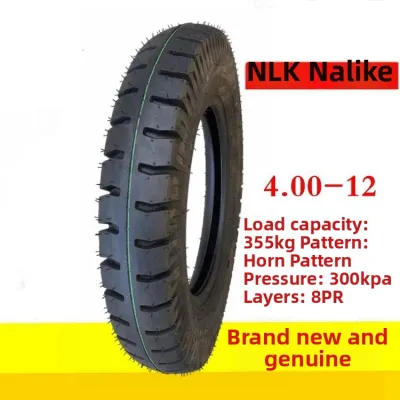
Prices are valid at publication and may change. Please refer to the product page for the latest price.

Singapore’s unique motorcycle landscape—comprising Class 2B scooters, Class 2A intermediate bikes, and Class 2 large-capacity motorcycles—heavily influences how these brands are utilized. Kumho is highly relevant to the Class 2B market, where scooters like the Yamaha NMAX or Honda PCX and small underbones dominate. These riders prioritize daily reliability, consistent performance, and economical upkeep for their daily commutes.
Michelin occupies a premium tier, renowned for integrating advanced racing technology into everyday road tyres. Their dual-compound technology (2CT) utilizes harder rubber in the center for longevity and softer rubber on the shoulders for enhanced cornering grip. This brand appeals to touring enthusiasts and riders who demand the highest level of wet-weather performance and ride refinement on expressways like the PIE or KPE.
Pirelli is firmly positioned as a high-performance brand, serving as the original equipment manufacturer (OEM) for many premium sport and superbike models. Their engineering focus is on maximum dry grip, precise handling feedback, and high-speed stability. While they offer unparalleled performance on dry asphalt or track days, they typically require a higher financial investment and may wear faster under daily commuting conditions.
Maxxis has built a strong reputation for durability and utilitarian reliability, making it a staple for underbone motorcycles and scooters in Singapore. These tyres are designed to withstand heavy daily use, frequent stops, and rough road surfaces. They are highly favored by commercial riders and delivery professionals who prioritize puncture resistance and maximum tread life over high-speed cornering capabilities.
Always remember that these brand positions serve as general guides. You must still evaluate the specific tyre model, tread pattern, and speed rating to ensure they match your motorcycle’s requirements.
Key Comparison Dimensions for Singapore Riders
Singapore’s riding environment presents unique challenges that demand careful tyre selection. Riders must contend with sudden, heavy tropical downpours, high ambient temperatures, and constant stop-and-go traffic across expressways and urban roads. Comparing tyres requires looking past the brand logo to evaluate how specific engineering features handle these demanding local conditions.
Wet Weather Grip and Hydroplaning Resistance
Heavy monsoon rains can quickly create standing water on Singapore’s expressways, making hydroplaning a serious hazard for motorcyclists. When a motorcycle travels over a wet surface, a wedge of water builds up in front of the contact patch. If the tyre cannot evacuate this water quickly enough, the tyre will lift off the road surface and ride on a thin film of water, resulting in a complete loss of steering and braking control.
To maintain safety, a tyre must efficiently channel water away from the contact patch where the rubber meets the road. This is achieved through carefully engineered tread patterns featuring deep longitudinal grooves and lateral sipes. Deep longitudinal grooves act as primary channels to redirect water outwards, while smaller sipes disrupt the surface tension of the water film.
When comparing brands, look closely at the tread design and the manufacturer’s wet grip specifications. Michelin often leads in this category due to its extensive use of silica-rich compounds, which remain flexible in wet conditions and chemically bond with water to improve traction. However, specific commuter models from Kumho and Maxxis also feature highly optimized groove patterns that offer reliable water evacuation for standard city speeds. Always verify the wet-grip rating of the specific tyre model rather than assuming all models from a brand perform identically.
Furthermore, wet-weather safety in Singapore extends beyond open asphalt to highly slick surfaces such as road paint, metal expansion joints on flyovers, and steel manhole covers. While tread patterns clear standing water, the rubber compound’s chemical grip dictates how well the tyre adheres to these low-traction surfaces. Premium silica compounds maintain surface flexibility under sudden temperature drops during rainstorms, whereas standard commuter compounds require more conservative riding inputs on painted or metallic surfaces.
Tread Life and Heat Resistance
Sustained high temperatures in Singapore can cause road surfaces to become extremely hot, accelerating the wear and degradation of tyre rubber. Asphalt temperatures on roads like the Pan Island Expressway (PIE) can soar far above ambient temperatures during midday. Under these conditions, the rubber compound undergoes accelerated thermal degradation.
Softer rubber compounds, such as those found in Pirelli’s sport-oriented tyres, provide exceptional mechanical grip because they conform easily to the road surface. However, this high friction combined with intense road heat causes the tread to wear down much faster under daily commuting conditions.
In contrast, harder rubber compounds used in Maxxis and specific Kumho commuter models are formulated to resist heat degradation and maintain their structural integrity over thousands of kilometers. These tyres utilize specialized carbon black and synthetic polymer blends that maintain their structural hardness at high temperatures, reducing the rate of rubber shedding. To monitor wear, riders should regularly inspect the Tread Wear Indicators (TWI) located within the tyre grooves to ensure the tread depth remains above the legal and safe limits.
Ride Comfort and Urban Commuting
Daily commuting in stop-and-go traffic requires a tyre that balances structural durability with ride comfort. Bias-ply tyres, which are common in smaller sizes from Kumho and Maxxis, feature cords that cross the tread center line diagonally. This creates a stiff carcass and strong sidewalls, which help support heavy loads and resist deformation under high pressure or impact. This design is highly effective at carrying heavier loads, such as delivery boxes or a pillion rider, and provides better protection against structural damage from potholes or kerb impacts.
Conversely, premium radial tyres, like those from Michelin’s touring lines, utilize more flexible carcass designs that absorb road vibrations and minor bumps more effectively. Radial tyres have cords running at 90 degrees to the direction of travel, with a belt of steel or aramid wrapping around the carcass. This allows the sidewall to flex independently of the tread, providing a larger, more stable contact patch and superior shock absorption over uneven road surfaces, such as expansion joints on expressways. When choosing, you must match the tyre’s load index and structural design to your typical riding load and motorcycle type.
Evaluating Price and Long-Term Value
When shopping for motorcycle tyres in Singapore, look beyond the initial purchase price to understand the total cost of ownership. While Kumho and Maxxis generally offer a lower upfront cost, calculating the “cost per kilometer” provides a more accurate measure of long-term value. A cheaper tyre that wears out quickly may end up costing more over time than a premium tyre with a longer lifespan.
Consider the cost of frequent tyre changes. If you choose a very cheap tyre that only lasts 8,000 km, you will have to pay for installation, balancing, and wheel removal fees twice as often as you would for a tyre that lasts 16,000 km. In Singapore, professional workshop labor fees for motorcycle tyre mounting and balancing can range from S$15 to S$40 per wheel, depending on the complexity of the bike. Therefore, a tyre with a higher upfront cost but double the lifespan can save you significant money and time spent at the workshop.
Additionally, premium tyres may offer lower rolling resistance, which can slightly improve fuel efficiency—a relevant factor given Singapore’s fuel prices. On the other hand, if your annual mileage is relatively low, a budget-friendly Kumho tyre provides excellent value by delivering reliable safety and performance without a high upfront investment.
To maximize your investment, regular maintenance is essential regardless of the brand you select. Under-inflation increases rolling resistance, causes uneven tread wear, and generates excessive internal heat, which can dramatically shorten the lifespan of any tyre carcass. Checking your tyre pressure weekly using a high-quality gauge and adjusting it to the manufacturer’s cold inflation specification is the most effective way to protect your purchase.
To get an accurate estimate, request detailed quotes from authorized dealers and official workshops in Singapore. Ensure that the quoted price is comprehensive and includes essential services such as professional installation, wheel balancing, new valve stems, and the disposal of your old tyres. These additional services are critical for safety and can vary significantly between workshops.
Decision Framework: Which Brand Should You Choose?
To help finalize your decision, consider how your specific riding needs align with the primary strengths of each brand. This structured framework can guide you toward the most appropriate choice for your motorcycle and daily routes.
Choose Kumho if:
- Budget-conscious commuting: You want a reliable, budget-friendly tyre for daily urban commuting.
- Standard motorcycles and scooters: You ride a standard commuter motorcycle or scooter and prioritize low maintenance costs.
- Urban speeds: You require dependable wet and dry traction for city speeds without paying a premium.
Choose Michelin if:
- Maximum wet safety: You prioritize maximum safety in wet weather and heavy rain.
- Touring and premium commuting: You ride a touring, sport-touring, or premium commuter motorcycle.
- Advanced technology: You value ride comfort, advanced compound technology, and long tread life, and are willing to pay a higher upfront price.
Choose Pirelli if:
- Sport and performance: You ride a sport or performance motorcycle and prioritize dry grip and cornering stability.
- Handling feedback: You enjoy spirited weekend rides or track days and want precise handling feedback.
- Performance priority: You are willing to accept a shorter tread life in exchange for top-tier performance.
Choose Maxxis if:
- Commercial and high mileage: You use your motorcycle for commercial purposes, delivery riding, or daily high-mileage commuting.
- Underbone and scooter models: You ride an underbone (kapcai) motorcycle or scooter and need high puncture resistance.
- Heavy load capacity: You require a highly durable tyre with a stiff carcass capable of carrying heavy loads.
Verify first if:
- OEM requirements: Your motorcycle has specific original equipment manufacturer (OEM) requirements that dictate a particular tyre model or brand.
- Niche sizing: You ride a niche bike model with limited tyre size options.
- Dimension changes: You are considering changing the original tyre dimensions, which can significantly affect handling and safety.
What to Verify Before Buying and Installing
Tyre safety and compatibility are critical to your motorcycle’s handling, stability, and road legality. Motorcycles rely on just two contact patches, each about the size of a credit card, to maintain traction, steer, and brake. Any error in tyre selection or installation can have catastrophic safety consequences.
Before purchasing or installing any tyre, you must strictly verify the exact tyre size, load index, and speed rating against your motorcycle’s owner manual or the manufacturer’s sticker on the swingarm. For example, in a specification like “120/70 ZR 17 M/C (58W)”, 120 is the section width in millimeters, 70 is the aspect ratio, R indicates radial construction, 17 is the rim diameter, 58 is the load index, and W is the speed rating. Riders must never install a tyre with a lower load index or speed rating than specified by the motorcycle manufacturer, as doing so can cause carcass failure or tire blowouts at high speeds.
Additionally, always inspect the DOT (Department of Transportation) code molded into the tyre sidewall. This four-digit code indicates the week and year of manufacture (for example, “1826” represents the 18th week of 2026). Rubber compounds naturally degrade and harden over time, even when stored unused, so avoid purchasing tyres that have been sitting on workshop shelves for several years.
Changing tyre dimensions, aspect profiles, or switching between bias-ply and radial construction can drastically alter your motorcycle’s steering geometry, ABS calibration, and speedometer accuracy. If your desired tyre model is not listed in the official vehicle specifications, consult a qualified mechanic or the motorcycle manufacturer before proceeding. Professional installation and wheel balancing are essential to ensure safety and prevent uneven wear.
When you take your motorcycle to a workshop for installation, confirm with the mechanic that they will replace the rubber valve stems, as old valve stems can crack and cause slow air leaks. Ensure the tyre is mounted in the correct rotation direction, indicated by an arrow on the sidewall. Finally, remember that new tyres require a “scrub-in” period of approximately 100 to 200 kilometers, during which you should ride cautiously and avoid aggressive leaning or hard braking while the manufacturing release agents wear off the tread surface.
Frequently Asked Questions (FAQ)
This section addresses common questions and practical concerns for motorcycle riders in Singapore.
Are Kumho motorcycle tyres safe for heavy rain?
Yes, Kumho motorcycle tyres designed for commuter and urban use are safe for riding in heavy rain, provided they are in good condition. Wet-weather safety depends heavily on the specific tyre model’s tread design, current tread depth, and your riding speed rather than the brand name alone. Always ensure your tyres have adequate tread depth and are inflated to the manufacturer’s recommended pressure to prevent hydroplaning.
How often should I replace my motorcycle tyres in Singapore?
You should generally replace your motorcycle tyres every 2 to 3 years of regular commuting, or immediately when the tread depth wears down to the Tread Wear Indicator (TWI) limit. Additionally, tyres should be replaced if they show signs of dry rot, cracking, uneven wear, or if they are more than 5 years old from their DOT manufacturing date. Singapore’s hot road surfaces and frequent heavy braking in city traffic can accelerate wear, making regular visual inspections essential.
Community discussion
Share your experience or ask a question. Comments are reviewed before publication.