
Quick Answer: Where Kumho Stands in the Singapore Market
When searching for a reliable motorcycle tire in Singapore, balancing safety, performance, and cost is a constant challenge. A kumho tyre represents a highly practical, value-oriented solution for riders navigating the daily commute. Positioned primarily in the mid-tier segment, these tires offer a reliable alternative to premium brands without the safety risks associated with unbranded, ultra-budget options.
For riders who primarily use their motorcycles for standard daily transport, such as commuting along the Pan Island Expressway (PIE) or running errands around town, Kumho provides adequate grip and predictable handling. However, they are not designed to compete directly with high-end, track-focused sport tires. The optimal choice depends on your specific motorcycle model, riding style, and budget.
Ultimately, Kumho serves as a strong candidate for cost-conscious riders who need reliable, standard replacement tires. It bridges the gap between high-priced premium brands and questionable low-end alternatives, making it a sensible choice for the pragmatic daily commuter.
Products mentioned in this guide
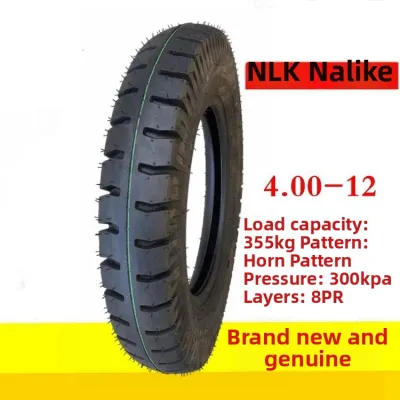
Prices are valid at publication and may change. Please refer to the product page for the latest price.
Understanding the Core Comparison Dimensions
Singapore’s tropical climate presents unique challenges for motorcycle tires, making it essential to evaluate options based on specific performance criteria rather than marketing claims.

Wet weather grip is arguably the most critical safety factor on local roads. Sudden afternoon downpours can instantly turn dry asphalt into a slick, hazardous surface. To evaluate a tire’s wet weather capability, riders should look closely at the tread pattern. Deep, continuous grooves that channel water away from the center contact patch are vital for preventing hydroplaning.
Heat resistance is another crucial consideration. Singapore’s year-round high temperatures and hot road surfaces subject tires to continuous thermal stress. This constant heat accelerates the degradation of the rubber compound. Softer compounds provide exceptional dry grip but wear down rapidly under high temperatures. Harder compounds offer extended tread life but may sacrifice traction, particularly in wet conditions.
To make an informed comparison, riders must understand how to read the essential markings on a tire’s sidewall. These markings provide standardized information about the tire’s physical capabilities and age.
The size designation, such as 120/70 ZR17, indicates the section width, aspect ratio, construction type, and rim diameter. The load index and speed rating specify the maximum weight and speed the tire can safely support. Finally, the Department of Transportation (DOT) code reveals the week and year of manufacture. Verifying this code ensures you are buying fresh rubber, as unused tires can degrade if stored improperly in warehouse environments.
Evaluating Kumho Tyre Performance and Characteristics
Kumho has established a solid reputation in the automotive industry for producing cost-effective, dependable passenger car tires, and this philosophy extends to their motorcycle tire offerings. These tires are designed primarily for commuter motorcycles, scooters, and mid-displacement street bikes, focusing on daily usability and consistent wear.
When you purchase a kumho tyre, you can expect predictable handling and standard performance metrics that meet international safety certifications. The compounds used are formulated to provide a balanced compromise between durability and daily grip. This makes them highly suitable for urban stop-and-go traffic, where extreme cornering angles are rare, but consistent braking performance is mandatory.
Before fitting a new tire, a thorough physical inspection is highly recommended. Check the Tread Wear Indicators (TWI), which are small raised bumps inside the tread grooves. These indicators show when the tire has worn down to its legal and safe limit. Additionally, inspect the bead area—the edge of the tire that sits on the wheel rim—for any signs of distortion or damage that could prevent a proper seal.
Maintaining correct tire pressure is the single most effective way to maximize the lifespan and safety of your tires. Under-inflation causes excessive heat buildup and uneven wear, while over-inflation reduces the contact patch and compromises grip. Refer to your motorcycle manufacturer’s manual for the exact recommended cold tire pressure, and check it at least once a week using a reliable gauge.
Kumho vs. Premium and Budget Competitors
To understand where Kumho fits in the broader market, it is helpful to compare its performance across three key areas: grip, durability, and price.
Grip and Wet Weather Performance
Premium tire brands often utilize advanced, silica-rich rubber compounds that maintain flexibility across a wide range of temperatures. This high silica content allows the tire to conform to microscopic road imperfections, providing superior mechanical grip on wet surfaces.
In contrast, mid-tier options like Kumho typically rely on more traditional carbon-black compounds. While these compounds offer safe and predictable traction under normal riding conditions, they generally have a lower limit of adhesion during emergency maneuvers or high-speed cornering in wet weather.
When comparing tires, examine the density and orientation of the tread grooves. Tires with lateral grooves that extend to the shoulder of the tire are highly effective at clearing water when leaning into a turn, which is a critical safety feature during Singapore’s sudden downpours.
Durability and Treadwear
Treadwear is directly influenced by the hardness of the rubber compound and individual riding habits. Frequent hard acceleration and braking in urban traffic will wear down any tire much faster than steady highway cruising.
Some budget tires use exceptionally hard rubber compounds to maximize mileage, but this often comes at the direct expense of wet-weather traction. Premium sport-touring tires frequently employ multi-compound technology, featuring harder rubber in the center for straight-line durability and softer rubber on the shoulders for cornering grip.
Kumho tires generally feature single-compound designs optimized for uniform wear and consistent performance throughout their lifespan. To gauge how a specific model holds up over time, consult local workshop feedback or rider forums to see how the tire performs as it approaches the end of its tread life.
Price and Overall Value
From a financial perspective, Kumho positions itself as a highly attractive option for riders who want to avoid the high cost of premium brands without compromising on safety. It offers a significant cost saving upfront compared to top-tier European or Japanese tires.
However, when calculating the total cost of ownership, riders must look beyond the purchase price of the rubber itself. Local Singapore workshops charge labor fees for mounting, wheel balancing, and replacing valve stems. Because these service fees remain constant regardless of the tire brand you choose, the price gap between a mid-tier tire and a premium tire may narrow when viewed as a complete package.
To get the best value, purchase your tires from authorized dealers or reputable local workshops. Be cautious when buying from unverified online sellers, as improper storage in hot, humid warehouses can compromise the structural integrity of the rubber before the tire is even mounted on your motorcycle.
Specification Verification Checklist for Buyers
Before making a purchase, it is vital to ensure you are comparing equivalent tire models. Comparing a high-performance track tire to a commuter-focused Kumho tire will not yield a helpful comparison. Use the following checklist to verify specifications:
- Exact Size Match: Always verify the width, aspect ratio, and rim diameter against your motorcycle's owner's manual.
- Load and Speed Ratings: Ensure the replacement tire meets or exceeds the original equipment manufacturer (OEM) requirements to handle the weight and speed capability of your bike.
- Tread Pattern and Fitment: Verify whether the tire is designed specifically for front or rear fitment, as front tires are optimized for braking and steering forces, while rear tires handle acceleration forces.
- DOT Date Code: Check the four-digit code on the sidewall (e.g., "1226" means the 12th week of 2026). Avoid buying tires that have been stored for more than two years, as rubber naturally hardens and loses grip over time.
| Evaluation Metric | Premium Brands (e.g., Michelin, Bridgestone) | Mid-Tier Brands (e.g., Kumho) | Ultra-Budget Brands (Unbranded/Generic) |
|---|---|---|---|
| Primary Compound | High-silica, multi-compound technology | Standard carbon-black, single-compound | Low-grade rubber, highly rigid compounds |
| Wet Weather Grip | Exceptional; high limit of adhesion | Reliable; safe for standard commuting speeds | Unpredictable; high risk of slipping |
| Average Lifespan | High (optimized wear patterns) | Moderate to High (consistent wear) | Variable (prone to rapid cracking or uneven wear) |
| Relative Cost | High upfront investment | Moderate; excellent value-to-cost ratio | Low upfront cost; potential hidden safety risks |
Decision Framework: Which Brand Should You Choose?
Selecting the right tire brand requires matching the tire’s design characteristics with your personal riding profile and vehicle requirements.
- Choose Kumho if: You are a daily commuter riding a Class 2B or Class 2A motorcycle, prioritize budget-friendly maintenance, and primarily ride at moderate speeds within urban areas. It offers a safe, reliable, and cost-effective solution for standard daily transport.
- Choose a Premium Brand if: You ride a high-performance Class 2 motorcycle, frequently travel long distances (such as touring into Malaysia), ride aggressively, or demand the absolute highest level of wet-weather grip and cornering confidence.
- Choose an Ultra-Budget Brand if: Generally, we advise against ultra-budget or unbranded tires for public road use due to safety concerns. They should only be considered for low-speed, closed-course, or private property utility vehicles where safety margins are not severely tested.
- Verify First if: Your motorcycle features advanced electronic rider aids like traction control or cornering ABS, as these systems are calibrated based on specific tire profiles and dimensions. Altering tire sizes can disrupt sensor readings and compromise safety.
Always prioritize safety by having your tires professionally mounted, balanced, and aligned at a qualified motorcycle workshop in Singapore. Incorrect DIY installation can damage the tire bead, lead to slow leaks, or cause dangerous high-speed vibrations.
Frequently Asked Questions (FAQ)
Are Kumho motorcycle tires safe for riding in heavy rain?
Yes, Kumho motorcycle tires are manufactured to meet strict international safety standards and are entirely safe for riding in wet conditions, provided they are properly inflated and have sufficient tread depth. However, because they use standard rubber compounds rather than high-silica mixtures, riders should exercise extra caution, reduce their speed, and increase following distances during heavy downpours.
How often should I replace my motorcycle tires in Singapore's climate?
In Singapore’s hot and humid climate, tires should generally be replaced every 3 to 5 years from their DOT manufacturing date, or when the tread wears down to the Tread Wear Indicators (TWI), whichever comes first. The intense tropical heat and UV exposure accelerate the oxidation of rubber, causing it to harden, crack, and lose its essential gripping properties even if the tire has plenty of tread left.
Community discussion
Share your experience or ask a question. Comments are reviewed before publication.