
Choosing the right Koch Chemie interior cleaner depends entirely on whether you are treating porous fabric fibers or delicate, coated leather surfaces. Using a product formulated for fabric on leather can strip away essential protective coatings and natural oils, leading to premature cracking under the intense heat and humidity of Singapore. Conversely, using a mild leather cleaner on fabric upholstery will often fail to lift deep-seated sweat, dirt, and beverage stains. To achieve professional-grade detailing results without risking permanent material damage, you must match the specific chemical properties of the cleaner to the physical characteristics of your vehicle’s interior surfaces.
Understanding the Difference Between Leather and Fabric Cleaners
Car interiors are subjected to harsh environmental conditions, particularly in tropical climates where high humidity and ambient temperatures exceeding 30°C create a challenging environment. Sweat, body oils, and spilled liquids transfer rapidly to seats, creating a breeding ground for bacteria and accelerating the degradation of cabin materials. Leather and fabric represent two fundamentally different surface types, each requiring a distinct chemical approach for safe maintenance.
Modern automotive leather is almost always finished with a thin, protective polyurethane topcoat. This coating shields the underlying hide from wear, moisture, and UV radiation. When you clean leather, your primary goal is to remove surface oils, sweat, and grime without degrading this delicate topcoat or stripping the plasticisers that keep the material flexible. Using aggressive, high-pH cleaners or harsh surfactants can dry out the leather, causing it to harden, shrink, and eventually crack under thermal stress. Leather care must focus on maintaining a neutral pH and leaving behind a clean, non-greasy surface that is ready for a dedicated conditioning or protecting agent.
Products mentioned in this guide
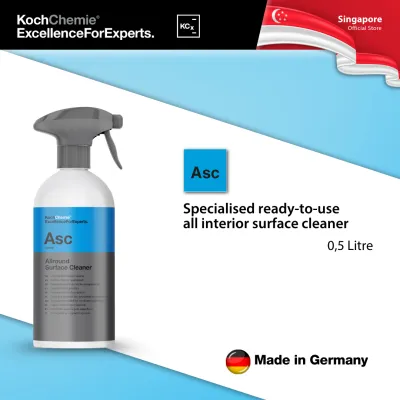
Prices are valid at publication and may change. Please refer to the product page for the latest price.
Fabric upholstery, on the other hand, consists of woven synthetic or natural fibers, such as polyester, nylon, or wool blends. These fibers have a high surface area and easily absorb liquids, oils, and dirt deep into their weave and the underlying foam cushion. Cleaning fabric requires surfactants that can penetrate the fibers, emulsify stubborn stains, and lift them to the surface so they can be extracted or wiped away. If you use a leather-specific cleaner on fabric, it will generally lack the necessary cleaning power to break down deep-seated dirt, leaving the fibers sticky and prone to attracting more grime.
Furthermore, the functional goals of these formulations are entirely different. Fabric cleaners often incorporate optical brighteners or odor-neutralising agents designed to refresh woven textiles and eliminate musty smells caused by high humidity. Leather cleaners focus on gentle soil suspension and preserving the material’s natural flexibility and matte appearance. Understanding these structural differences is the first step in preserving your vehicle’s cabin value and appearance.
Identifying the Right Koch Chemie Product Categories
Koch Chemie offers a structured range of interior care products, categorised by their chemical strength, application method, and target material. Navigating this lineup requires looking closely at the product labels and technical data sheets to identify whether a formula is ready-to-use or requires precise dilution.

The brand’s portfolio generally falls into three main categories: dedicated leather cleaners, specialized upholstery and textile cleaners, and multi-surface interior cleaners. Dedicated leather cleaners are formulated to lift dirt gently while respecting the delicate pH balance of treated hides. These products are designed to prevent the leather from drying out during the cleaning process. In contrast, textile and upholstery cleaners contain active surfactants engineered to break the bond between stubborn dirt and synthetic fibers, often requiring mechanical agitation or extraction to remove the suspended soil.
Multi-surface interior cleaners serve as versatile options for light maintenance across various cabin materials, including plastics, vinyl, and light textiles. However, these versatile formulas must be used with caution. Many multi-surface concentrates require specific dilution ratios depending on the surface being treated. For instance, a dilution ratio safe for durable plastics or floor mats may be far too aggressive for delicate leather seats or soft-touch door panels.
Before applying any product, always verify the material compatibility and safety warnings directly on the official bottle label. Look for specific instructions regarding contact time, dilution ratios, and whether the product needs to be neutralized or rinsed with water. Never assume a cleaner is safe for all surfaces simply because it is labeled as an “interior” product; checking the manufacturer’s technical guidelines is essential to prevent chemical staining or surface etching.
Step-by-Step Selection Guide for Your Car's Interior
Selecting the correct cleaner requires a systematic assessment of your vehicle’s cabin materials and the severity of the dirt you need to address. Follow this step-by-step framework to determine the safest and most effective product category for your specific detailing task.
First, accurately identify the material you are cleaning. Modern automotive cabins often feature a mix of surfaces that can easily be misidentified. Genuine leather feels cool to the touch and has natural grain variations, whereas synthetic leather or vinyl (often used on seat backs and side bolsters) is more uniform and less porous. Standard cloth seats consist of woven synthetic fibers, while premium interiors may feature delicate microfiber materials like Alcantara, which require extremely gentle, low-moisture cleaning methods to avoid matting the pile.
Second, evaluate the level of soiling. For routine maintenance, such as removing light dust, fingerprints, or fresh smudges, a mild, ready-to-use multi-surface cleaner or a dedicated light leather cleaner is usually sufficient. For deep-seated dirt, sweat buildup, or stubborn beverage spills on fabric seats, you will need a dedicated textile cleaner with strong surfactant properties, ideally applied with a soft brush to agitate the fibers. If you are dealing with heavily soiled leather, a dedicated leather cleaner applied as a foam is preferred, as it minimizes moisture penetration into the seams.
Finally, always cross-check your vehicle manufacturer’s owner’s manual before applying any aftermarket chemical. Many manufacturers specify strict limitations on the types of cleaners allowed, especially for vehicles equipped with ventilated, heated, or semi-aniline leather seats. Adhering to these guidelines ensures you do not inadvertently void your interior warranty or damage sensitive electronic heating elements located just beneath the surface material.
Safe Application and Pre-Testing Procedures
Even after selecting the correct product category, improper application can still lead to surface damage. Implementing a disciplined testing and application protocol is the best way to safeguard your car’s interior during the detailing process.
Always perform a spot test before applying any cleaner to a visible area. Select an inconspicuous spot, such as the underside of a seat cushion, the lower portion of a door card, or a hidden section of the headrest. Apply a small amount of the diluted or ready-to-use cleaner to a clean, white microfiber towel and gently press it onto the test area for a few seconds. Inspect the towel for any signs of color transfer, and check the surface for changes in texture, gloss, or color. If the surface shows any adverse reaction, stop immediately and do not proceed with that product.
The tools you use are just as important as the chemicals themselves. For leather surfaces, use a dedicated soft-bristle horsehair brush or a specialized leather cleaning sponge to agitate the cleaner gently. Avoid stiff nylon brushes, which can scratch the protective polyurethane coating. For fabric upholstery, a medium-stiff upholstery brush can help loosen embedded dirt from the weave, and a wet-dry extraction machine can be highly effective for pulling out suspended dirty water. Always use clean, high-quality microfiber towels to wipe away residue, ensuring you do not introduce lint or dye transfer back onto the cleaned surface.
Establish clear stopping conditions during the cleaning process. If you observe any color transfer onto your cleaning cloth, notice the surface becoming dull or sticky, or detect an unusual chemical odor that suggests a reaction with the material, halt the process immediately. These signs indicate that the cleaner is either too strong, incompatible with the surface coating, or that the material’s original finish is already compromised. In such cases, rinse the area gently with a damp, clean microfiber cloth to neutralize the chemical, and consult a professional automotive detailer.
Frequently Asked Questions (FAQ)
Can I use a multi-purpose Koch Chemie cleaner on both leather and fabric?
Yes, but only if the product label explicitly permits multi-surface use and you follow the correct dilution instructions. Multi-purpose cleaners are highly concentrated and must be diluted with water to a very mild ratio before being applied to sensitive surfaces like leather. Using a multi-purpose cleaner at full strength or at a heavy dilution ratio can strip the protective topcoat of your leather seats, leading to drying and cracking. For fabric, a slightly stronger dilution may be used to tackle tough stains, but you must always verify the recommended ratios on the product label and perform a spot test first.
Do I need a separate conditioner after cleaning leather with Koch Chemie products?
Generally, yes. Cleaning leather removes surface dirt, sweat, and oils, but it can also temporarily deplete the surface of moisture. Once the leather is completely clean and dry, applying a dedicated leather conditioner or protector helps restore flexibility, preserve the matte finish, and provide essential UV protection. This is particularly important in hot, sunny climates like Singapore, where cabin temperatures can rise significantly when parked outdoors. Check the product instructions to see if your specific cleaner contains conditioning agents, or if a separate, dedicated leather care cream should be applied as a second step.
Is it safe to use standard fabric cleaners on Alcantara or synthetic suede?
No, standard fabric cleaners are often too aggressive and contain too much moisture for delicate synthetic microfibers like Alcantara. These materials have a soft, raised pile that can easily become matted, stiff, or discolored if saturated with heavy liquid cleaners or scrubbed with stiff brushes. Instead, use a dedicated Alcantara or textile cleaner designed for sensitive microfibers, apply it sparingly as a light mist or foam, and use a very soft brush or a damp microfiber cloth to gently clean the surface. Avoid soaking the material, and gently brush the pile back in one direction as it dries to maintain its original texture.
Community discussion
Share your experience or ask a question. Comments are reviewed before publication.