
Selecting the right portable tire inflator requires matching its technical capabilities with your vehicle’s specific tire requirements. The Kiprun air pump serves as a compact solution for maintaining proper tire pressure, but its utility depends entirely on understanding its maximum pressure limits, valve compatibility, and volume capacity. By verifying these specifications against your tires’ recommended inflation levels, you can ensure safe, efficient, and reliable operation on the road or trail.
Understanding Maximum PSI and Pressure Ratings
When evaluating any portable air pump, the maximum pounds per square inch (PSI) rating is the first specification to examine. Manufacturers often print a peak or maximum PSI on the product packaging, which represents the absolute limit the pump can generate under ideal, short-term conditions. However, this peak rating is distinct from the continuous operating pressure, which is the sustainable level the pump can maintain during regular use without overheating.
To determine if the pump is suitable for your vehicle, you must compare its continuous pressure rating with the recommended inflation levels of your tires. This recommended pressure is typically found on a placard inside the driver’s door jamb or printed directly on the tire sidewall. While a pump might claim a high peak PSI, attempting to inflate a tire close to this maximum limit often results in decreased pumping efficiency and increased heat generation.
Products mentioned in this guide
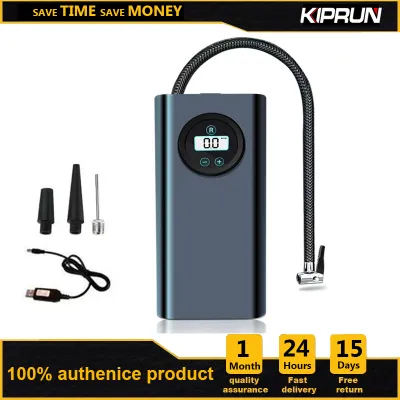
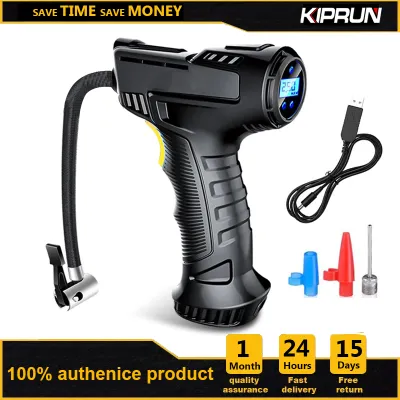
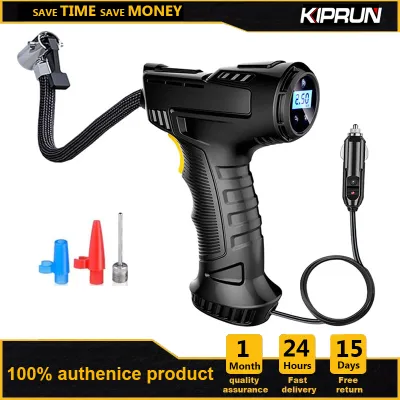
Prices are valid at publication and may change. Please refer to the product page for the latest price.
As an air pump approaches its upper pressure limit, the physical effort required for manual models or the electrical strain on motorized models increases significantly. For electric pumps, operating near the maximum threshold reduces battery life and slows down the inflation rate considerably. Understanding these limits ensures you do not overwork the equipment or find yourself stranded with an underinflated tire.
Identifying Compatible Valve Types
A secure connection between the pump and the tire valve is essential for accurate inflation and preventing air loss. The two most common valve designs you will encounter are Schrader and Presta valves. Schrader valves are wider with a threaded exterior and a spring-loaded center pin, commonly found on cars, motorcycles, and utility trailers. Presta valves are narrower, feature a lock nut at the top, and are typically found on high-pressure bicycle tires.

Before purchasing or using the Kiprun air pump, check its native nozzle design to see which valve type it supports directly. Many modern portable pumps feature a dual-head nozzle or include screw-on brass adapters to switch between Schrader and Presta connections. Verifying these included accessories prevents the frustration of discovering an incompatible connection when you need to inflate a tire urgently.
To achieve a leak-free seal, always clean any dirt or debris from the tire valve before attaching the pump head. For Presta valves, ensure the small lock nut is unscrewed before pressing the pump nozzle firmly onto the stem. Lock the pump head lever securely in place, taking care not to apply lateral force that could bend or damage the delicate valve core.
Matching the Pump to Your Specific Tires
Tire inflation is not just about pressure; it is also about the volume of air required to fill the tire cavity. Automotive and motorcycle tires hold a massive volume of air compared to the narrow tires of road bicycles or small e-scooter tires. Even if a compact pump can technically reach the high PSI required for a bicycle tire, filling a large-volume car tire from flat requires a substantial amount of air displacement.
Using a small portable or manual pump to inflate a large automotive tire can be an exhausting and time-consuming process. Portable electric pumps have small internal cylinders that must cycle rapidly to move large volumes of air, which can lead to rapid heat buildup. If you attempt to inflate a standard car tire with a low-volume pump, you may exceed the device’s duty cycle before reaching the desired pressure.
For routine maintenance or emergency inflation of passenger vehicles, a dedicated 12V automotive compressor that plugs into the vehicle’s accessory socket is generally a safer and more efficient choice. If you experience a significant loss of tire pressure on the road, visiting a professional service station or calling roadside assistance is recommended. This ensures your tires are inflated quickly and inspected for underlying damage by a qualified professional.
Verifying Safety Limits and Maintenance Conditions
To maintain the longevity and safety of your inflation equipment, always adhere to the manufacturer’s specified operating guidelines. Portable pumps are sensitive to extreme temperatures, so storing them in a cool, dry place out of direct sunlight is crucial, especially in warm climates like Singapore. Pay close attention to the recommended duty cycle, which dictates how long the pump can run continuously before it requires a cooling-off period.
Regular inspection of the pump’s physical components is a vital safety practice before every use. Check the air hose for cracks, stiffness, or bulging, and inspect the rubber seals inside the nozzle for signs of wear or dry rot. A compromised hose or seal can fail under pressure, leading to sudden air release or inaccurate pressure readings.
If you notice the built-in pressure gauge fluctuating erratically, or if the nozzle fails to form a tight seal on the valve stem, stop operation immediately. Operating a faulty pump can lead to dangerous over-inflation or leave you with an underinflated tire that compromises vehicle handling. In such cases, consult the manufacturer’s manual or seek assistance from a qualified technician to repair or replace the unit.
Frequently Asked Questions (FAQ)
Can I use this pump for both car and bicycle tires?
Yes, you can use this pump for both vehicle types, provided you have the correct valve adapters and understand the physical limitations. Car tires use Schrader valves, while many bicycles use Presta valves, requiring you to verify that the pump’s nozzle or included adapters match your needs. Keep in mind that while a portable pump can easily handle the low volume of a bicycle tire, inflating a large car tire will take significantly longer and may require pausing to let the pump cool down. Always check the manufacturer’s duty cycle guidelines to prevent the motor from overheating during high-volume tasks.
What should I do if the pump gauge shows a different pressure than my tire sensor?
If you notice a discrepancy between the pump’s built-in gauge and your vehicle’s Tire Pressure Monitoring System (TPMS), you should verify the reading using a high-quality, standalone digital tire pressure gauge. Minor variations of one to two PSI are common due to sensor calibration differences and temperature changes. However, if there is a large discrepancy, it may indicate a faulty pump gauge or a malfunctioning vehicle sensor. For safety and optimal vehicle handling, always rely on your vehicle’s official TPMS or a calibrated external gauge to make final pressure adjustments.
Community discussion
Share your experience or ask a question. Comments are reviewed before publication.