
Quick Answer: Matching Your TPMS Sensor
To ensure a replacement Tire Pressure Monitoring System (TPMS) sensor functions correctly, you must match three non-negotiable specifications: the radio frequency, the system type (direct versus indirect), and the physical valve stem design. Before purchasing any replacement component, verify these details by checking your vehicle owner’s manual or retrieving the exact part number from the original sensor. Installing a sensor with the incorrect frequency or incompatible physical specifications will result in a non-functional system, leaving you with a persistent dashboard warning light and no active tire pressure monitoring.
Radio Frequency: The Primary Compatibility Check
Direct TPMS sensors rely on radio frequency signals to transmit pressure and temperature data to the vehicle’s central computer. The two most common frequency bands used globally are 315 MHz and 433 MHz. These frequencies are strictly non-interchangeable; a receiver configured for 315 MHz cannot detect or decode signals sent from a 433 MHz transmitter, and vice versa.

It is a common mistake to assume a sensor’s frequency based solely on the vehicle’s brand or model. Regional vehicle specifications often dictate different frequencies for the exact same car model and production year. For instance, vehicles manufactured for different global markets may utilize different frequencies to comply with local radio communication regulations. Therefore, you must verify the specific market specification of your vehicle or check the original part number rather than relying on generic online compatibility charts.
Products mentioned in this guide
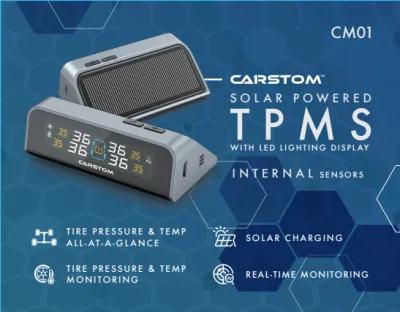
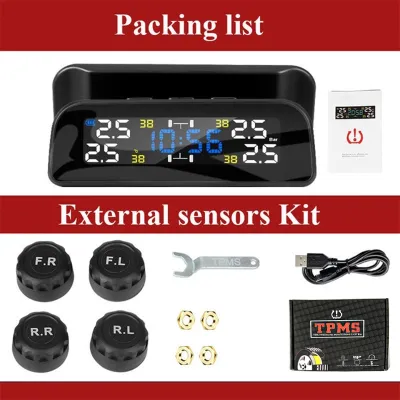

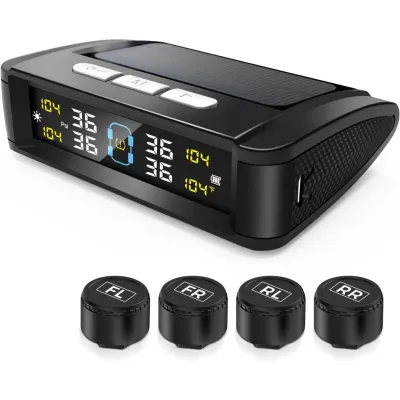
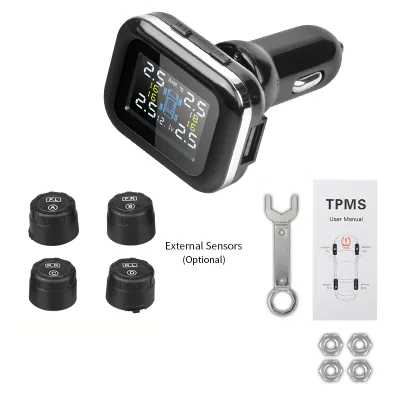
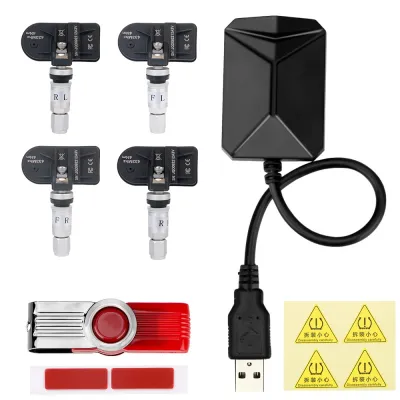
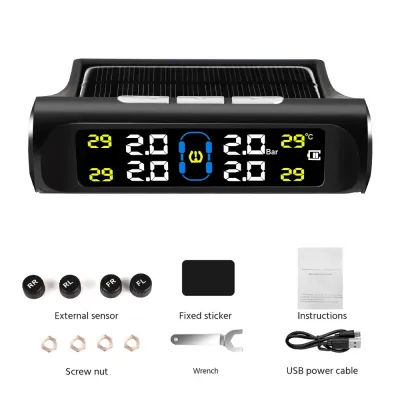
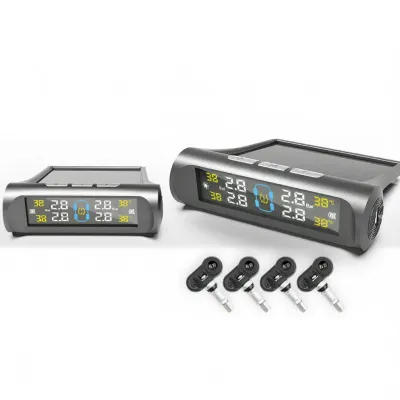
Prices are valid at publication and may change. Please refer to the product page for the latest price.
Sensor System Type: Direct vs. Indirect
Before purchasing a physical replacement sensor, you must determine whether your vehicle actually uses wheel-mounted sensors. Tire pressure monitoring systems are categorized into direct and indirect configurations. A Direct TPMS utilizes physical, battery-powered sensors mounted inside each wheel assembly to measure and transmit real-time pressure data.
In contrast, an Indirect TPMS does not use physical sensors inside the tires. Instead, it relies on the vehicle’s Anti-lock Braking System (ABS) wheel speed sensors to monitor the rotational speed of each wheel. When a tire loses pressure, its overall diameter decreases slightly, causing it to rotate at a different speed compared to the other tires. Because indirect systems rely entirely on software calculations and existing ABS hardware, they do not require physical sensor replacements, battery changes, or complex sensor relearn procedures. You can typically identify your system type by checking your dashboard display; systems that show individual, real-time pressure readings for each tire are direct, while those that only display a generic low-pressure warning light without specific values are often indirect. Always consult your vehicle owner’s manual to confirm the system architecture.
Valve Stem Material and Mounting Style
If your vehicle uses a direct system, you must select the correct physical valve stem design to ensure proper sealing, safety, and wheel balance. Replacement sensors generally come with either snap-in rubber valve stems or clamp-in metal valve stems. Snap-in rubber stems are common on standard passenger cars and are relatively easy to install, but they are subject to environmental wear and aging. Clamp-in metal stems, often made of aluminum, are typically used for high-speed, heavy-duty, or performance applications where higher tire pressures and centrifugal forces demand a more rigid mounting.
Matching the original mounting style is critical to maintaining wheel integrity and preventing sudden air leaks at high speeds. Additionally, you must verify whether the sensor body and the valve stem are designed as a single integrated unit or as separate, detachable components. Some original equipment manufacturers use modular designs where the valve stem can be replaced independently of the electronic sensor body, while others require replacing the entire assembly.
How to Verify Your Vehicle's Exact Requirements
To confidently identify the correct replacement part, the most reliable method is to locate the original sensor’s part number. This number is typically printed directly on the sensor body, which requires dismounting the tire from the wheel to inspect. Alternatively, a professional OBD-II diagnostic scan tool with TPMS capabilities can read the sensor IDs and part specifications directly through the vehicle’s onboard computer without removing the tire.
You can also consult your vehicle owner’s manual or contact an authorized local dealership with your Vehicle Identification Number (VIN). The dealership’s parts department can look up the exact original equipment manufacturer (OEM) part number associated with your specific chassis. If the original sensor is physically damaged, corroded, or completely unreadable, seek assistance from a qualified tire professional.
Because tire disassembly, sensor installation, and subsequent wheel balancing require specialized equipment, these tasks should be performed by qualified technicians. Improper installation can damage the tire bead, compromise the airtight seal, or destroy the new sensor during mounting. Always refer to the original vehicle manufacturer’s instructions regarding torque specifications for metal valve stems, as over-tightening can crack the sensor housing, while under-tightening can cause slow air leaks.
Frequently Asked Questions (FAQ)
Can I use a universal programmable TPMS sensor?
Yes, universal programmable TPMS sensors are a viable alternative to direct OEM replacements, but they require specific preparation. Unlike pre-programmed OEM sensors, a universal sensor is blank and must be configured using a compatible, specialized programming tool to copy the original sensor’s protocol or generate a new unique ID. Before purchasing, you must check the sensor manufacturer’s official application list to verify that the universal sensor supports your vehicle’s specific make, model, and production year. Some advanced vehicle systems may reject aftermarket sensors or require specific dealership-level diagnostic tools to complete the integration.
Do I need to reprogram the new sensor to my car?
Yes, any new direct TPMS sensor must be recognized by the vehicle’s computer through a process known as a relearn procedure. Some replacement sensors come pre-programmed for your vehicle model and only require an automatic drive relearn, where driving the vehicle at a consistent speed for a specified duration allows the computer to detect the new sensor. Other vehicles require a manual stationary relearn sequence using dashboard controls, or an OBD-II connection to write the new sensor ID directly to the engine control unit. If the required relearn procedure requires specialized diagnostic tools beyond standard consumer capabilities, you should have the process completed at a professional tire service center.
Community discussion
Share your experience or ask a question. Comments are reviewed before publication.