
To protect your vehicle from Singapore’s harsh tropical climate, a car cover must do more than simply block the sun. The ideal cover prioritises a highly reflective outer layer to deflect intense ultraviolet rays, robust waterproofing to withstand sudden monsoon downpours, and exceptional breathability to prevent trapped humidity from damaging your paintwork. Balancing these three elements is crucial, especially if you park in open-air HDB carparks or uncovered driveways where your vehicle is constantly exposed to the elements. Selecting the wrong material can lead to trapped moisture, accelerated clear coat peeling, or even mould growth inside the cabin.
How Tropical Weather Dictates Your Car Cover Requirements
Singapore’s equatorial climate presents a unique set of challenges for vehicle preservation. The daily combination of extreme heat, sudden torrential rain, and persistent high humidity creates an aggressive environment for automotive paint, rubber seals, and interior plastics. Understanding these specific environmental stressors is the first step in identifying the protective features your vehicle needs.
Direct sunlight in Singapore carries high levels of ultraviolet radiation throughout the year. Over time, UV rays break down the chemical bonds in your car’s clear coat, leading to oxidation, fading, and a dull finish. Inside the cabin, solar heat buildup can cause the dashboard to crack, leather seats to dry out, and adhesive bonds to fail. A high-quality cover acts as a sacrificial barrier, absorbing and reflecting this radiation before it reaches the vehicle’s surfaces.
Products mentioned in this guide
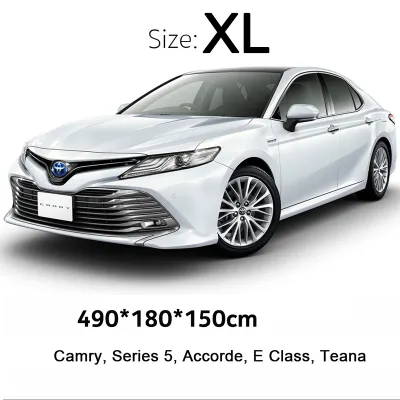
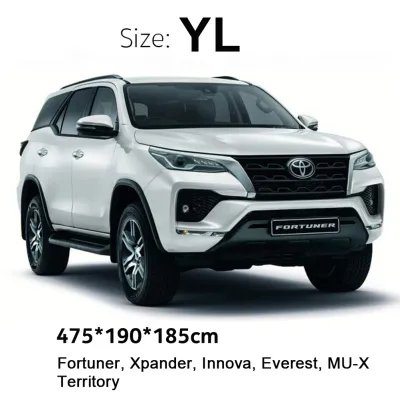
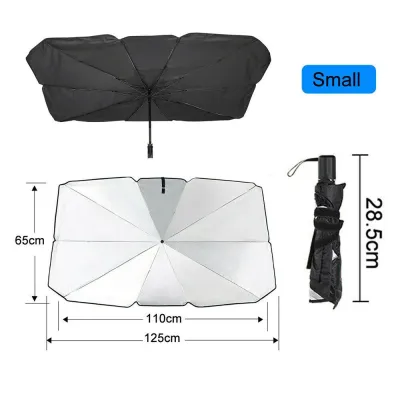
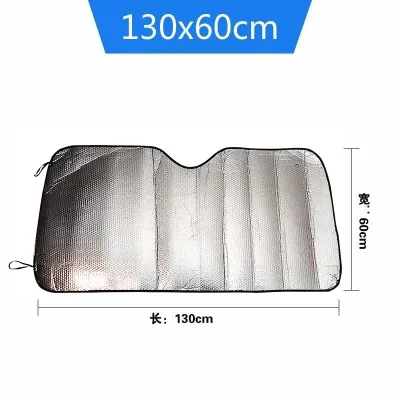
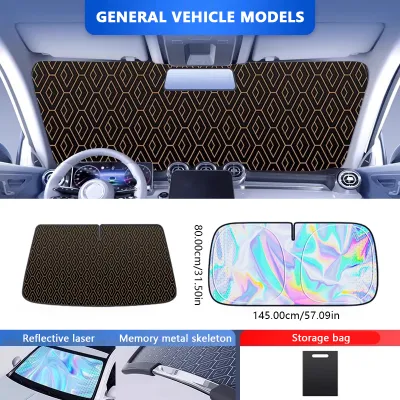
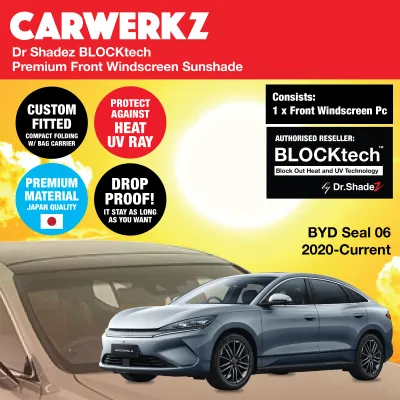
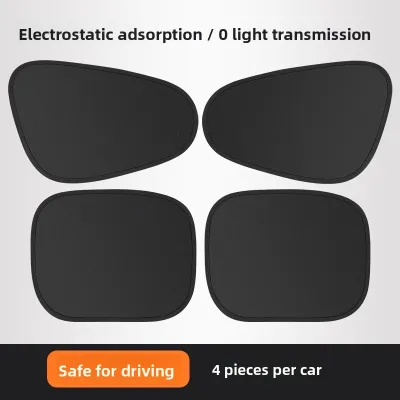
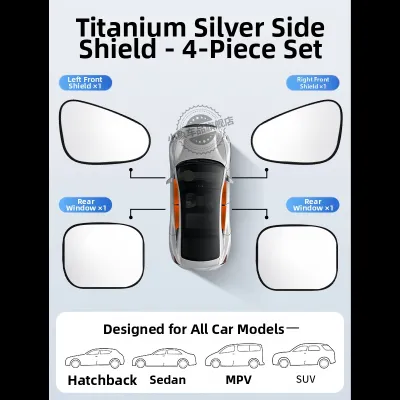
Prices are valid at publication and may change. Please refer to the product page for the latest price.
However, sun protection is only half the battle. Singapore’s frequent, heavy downpours can dump large volumes of water in a matter of minutes. If a car cover lacks adequate water resistance, rain will seep through the fabric and pool on the flat surfaces of your car, such as the bonnet, roof, and boot. When the sun emerges immediately after a storm, this trapped water heats up rapidly, creating hard water spots and etching mineral deposits deep into the clear coat.
The third and often overlooked factor is relative humidity, which regularly hovers above 80 percent. When a non-breathable waterproof cover is placed over a damp car or left on during a humid day, it creates a greenhouse effect underneath. This trapped moisture cannot escape, leading to condensation that settles on the paintwork. Over extended periods, this damp environment promotes the growth of mould and mildew on exterior trim and can even accelerate rust on exposed metal components.
Prioritising UV Reflection and Heat Reduction Features
To combat intense solar radiation, you must look closely at the outer surface and construction of the car cover. The primary defense against heat buildup is a highly reflective outer layer. Many premium outdoor covers feature metallic, aluminised, or titanium-coated surfaces designed to bounce sunlight away from the vehicle. When evaluating product descriptions, look for verified UV-resistant coatings rather than generic silver-coloured fabrics, as true UV-blocking materials are chemically treated to resist degradation from prolonged exposure.

A multi-layer construction is equally important for thermal insulation. Single-layer plastic covers tend to transfer heat directly to the car’s body, doing little to lower the cabin temperature. In contrast, multi-layer covers incorporate an insulating middle layer, often made of high-density compressed cotton or specialized non-woven synthetic fibers. This layer creates an air gap that slows down heat transfer, keeping the interior significantly cooler and protecting sensitive electronics from thermal stress.
You will also need to choose between a traditional full-body cover and an umbrella-style car sunshade. Traditional full covers wrap around the entire vehicle, protecting the paintwork, windows, and tyres from top to bottom. While they offer comprehensive protection, they require more effort to deploy and pack away daily.
Umbrella-style sunshades, which mount on the roof and extend outward like a canopy, offer a faster deployment alternative. These structures focus primarily on shading the roof and glass surfaces, leaving the sides of the vehicle exposed. While they are highly effective at reducing cabin heat and are easier to handle for daily commuters, they do not protect the side panels from rain, dust, or side-angle UV exposure. Your choice should depend on whether your primary goal is overall paint preservation or quick daily heat reduction.
Evaluating Waterproofing and Breathability for Heavy Rain
Finding a cover that keeps heavy rain out while letting moisture escape is one of the most challenging aspects of selecting exterior protection. To ensure a cover can handle Singapore’s intense downpours, look for specific water resistance ratings rather than vague marketing terms like “water-resistant.” High-quality manufacturers often specify a hydrostatic head rating, which measures the water pressure the fabric can withstand before leaking. A rating of 1,000mm or higher generally indicates the material can handle heavy rain without seeping.
However, absolute waterproofing can be detrimental if the cover lacks breathability. A completely sealed plastic tarp will trap rising ground moisture and condensation, leading to paint blistering over time. To prevent this, look for covers engineered with breathable membranes or integrated ventilation flaps. Breathable membranes, such as those made from microporous polyurethane, feature pores that are too small for liquid water droplets to pass through but large enough to allow water vapour molecules to escape. Ventilation flaps, usually located near the top of the cover, allow hot air and moisture to rise and exit naturally.
Another critical area to inspect is the construction of the seams. Stitched seams are the most common failure points during heavy storms, as the sewing needle creates thousands of tiny holes in the waterproof fabric. To prevent water from seeping through these entry points, high-quality covers feature heat-sealed or taped seams. This process applies a waterproof adhesive tape over the interior stitching, ensuring that water cannot penetrate the seams even under heavy pressure.
Structural and Fitment Features for Wind and Daily Convenience
A car cover must remain securely anchored to your vehicle, especially during sudden squalls or monsoon winds. Without proper securing mechanisms, a cover can easily blow away or, worse, flap violently against your car’s body. Look for covers equipped with strong elastic hems at the front and rear, which help the fabric snuggly grip the underside of the bumpers. Additionally, integrated tie-down straps that pass underneath the vehicle’s chassis, secured by heavy-duty windproof buckles, are essential for keeping the cover anchored during high winds.
The inner lining of the cover is just as important as the outer shell. Because wind will inevitably cause some movement, the layer touching your paint must be incredibly soft and non-abrasive. Look for covers with a soft cotton, fleece, or brushed microfiber inner lining. Avoid cheap, unlined PVC or PEVA covers, as their rough interior surfaces can act like fine sandpaper when blown by the wind, leaving micro-scratches and swirl marks across your clear coat.
Fitment plays a crucial role in both protection and convenience. Universal-fit covers are designed to fit a wide range of vehicle shapes but often leave excess fabric that can sag, collect water, or flap in the wind. A custom-fit cover, tailored to your specific vehicle model and year, provides a snug fit that minimizes wind resistance and water pooling. Ensure the cover includes dedicated mirror pockets and antenna patches, which accommodate the vehicle’s natural contours without putting undue stress on the fabric or seams. Always verify your vehicle’s exact model year and dimensions against the manufacturer’s sizing chart before purchasing, as compatibility cannot be inferred from generic category terms.
How to Verify Material Claims and Product Specifications
When shopping on an online marketplace or at an automotive accessory shop, you will encounter a wide array of marketing buzzwords. Terms like “all-weather,” “heavy-duty,” and “100% waterproof” are frequently used but carry no standardized meaning. To make an informed decision, look past these labels and verify the actual material specifications. Check the product documentation for the number of layers, the specific materials used (such as polyester, PEVA, or polyurethane), and any certified UV protection ratings. Investing S$100 to S$300 in a high-quality cover with verified specifications can save you thousands in paint correction fees later.
It is also wise to check the manufacturer’s warranty and return policies before making a purchase. A reputable brand will often offer a warranty that specifically covers UV degradation, material cracking, or seam failure over a set period. If a cover begins to peel, flake, or lose its waterproofing within a few months of exposure to Singapore’s sun, a solid warranty ensures you can obtain a replacement without additional cost.
Finally, always inspect the care and maintenance instructions on the product label. To maintain the cover’s protective coatings and prevent mildew, you must follow the recommended cleaning procedures. When cleaning the cover, use only label-authorized mild soaps, as unapproved chemical cleaners can strip the protective coatings and damage your car’s paint or rubber seals upon contact. Additionally, ensure you have a clean, dry space to store the cover when it is not in use, as folding a damp cover can lead to rapid mould growth.
Frequently Asked Questions (FAQ)
Can I use a standard indoor car cover outdoors for sun protection?
No, you should not use an indoor car cover outdoors. Indoor covers are typically made of lightweight, breathable fabrics like flannel or satin, which are designed solely to protect against dust and minor indoor scuffs. They lack the necessary UV-resistant coatings to withstand intense sunlight, meaning they will degrade and tear rapidly under direct sun. Furthermore, indoor covers are not waterproof and will absorb rainwater, trapping moisture directly against your car’s paintwork and accelerating rust and mould.
How often should I remove the car cover to let the car breathe?
You should aim to remove your car cover at least once a week, especially after heavy rain or during periods of high humidity. Even highly breathable covers can trap some moisture over time, particularly if ground water evaporates underneath the vehicle. Removing the cover for a few hours on a dry day allows any trapped condensation to evaporate completely and lets you inspect the paintwork. Always ensure both the car and the cover are completely dry before putting it back on.
Will a car cover sunshade scratch my car's paint in strong winds?
A car cover can scratch your paint if it is dirty or poorly fitted. Scratching occurs when dust, dirt, or grit gets trapped between the cover’s inner lining and the car’s surface, acting as an abrasive when the wind causes the cover to move. To prevent this, never place a cover on a dirty car, and ensure the cover’s inner lining is kept clean. Choosing a snug, custom-fit cover with secure tie-down straps will also minimize movement and friction, protecting your clear coat from swirl marks.
Community discussion
Share your experience or ask a question. Comments are reviewed before publication.