
Riding a motorcycle in Singapore means facing sudden, intense tropical downpours combined with high year-round humidity. A standard raincoat often fails by either leaking under heavy wind pressure or trapping heat until the rider is soaked in sweat. Selecting a men’s motorcycle raincoat requires looking beyond basic water resistance to find gear that balances high-pressure water protection with active ventilation. By focusing on specific structural, material, and design features, you can ensure your gear keeps you dry, safe, and comfortable on the road.
How Singapore's Tropical Climate Changes Your Raincoat Needs
Singapore’s weather presents a unique challenge for motorcyclists due to the sheer volume of rainfall and the constant high humidity. Unlike light drizzles in temperate climates, tropical downpours often bring heavy, wind-driven rain that can easily force its way through weak fabrics and open seams. When riding at highway speeds, the impact pressure of the rain increases significantly, requiring gear designed specifically to withstand high hydrostatic pressure.
At the same time, the high ambient temperature and humidity create a dual-moisture problem. If a raincoat is completely sealed without any breathability, the heat generated by your body will quickly turn the interior into a sauna. This leads to heavy sweat buildup, leaving you just as wet on the inside as you would be from the rain outside.
Products mentioned in this guide
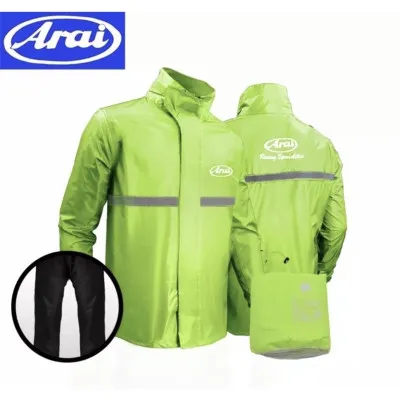
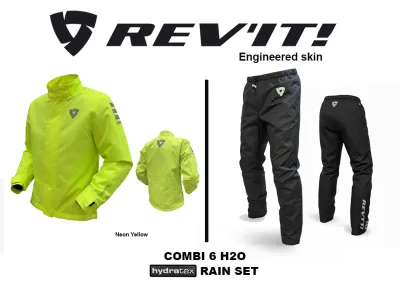
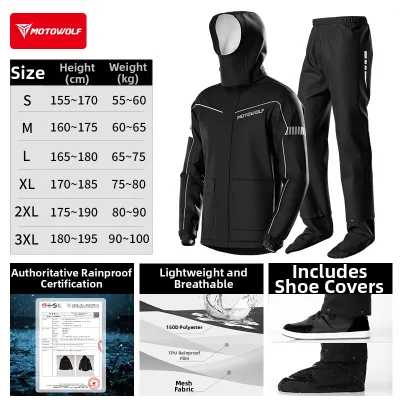
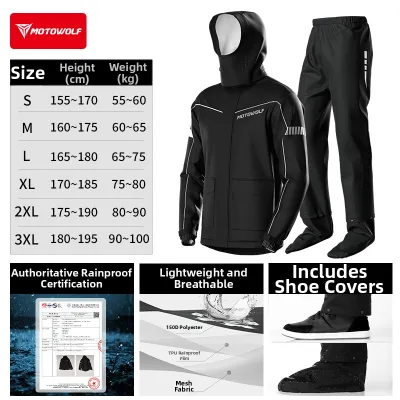
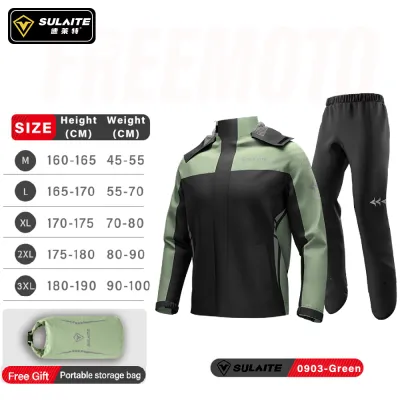
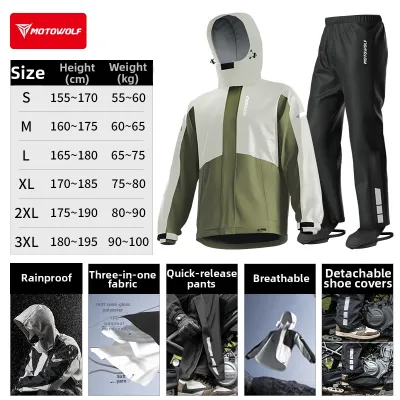
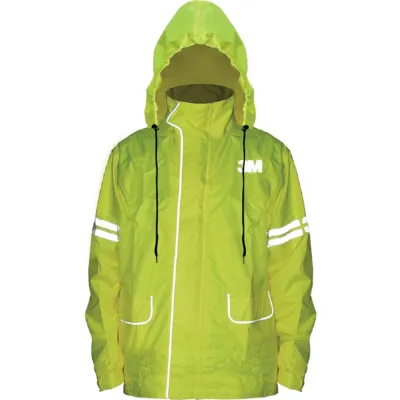
![🇸🇬 [In Stock]Motorcycle raincoat Bicycle raincoat Waterproof jacket Reflective waterproof breathable PVC jacket raincoat](https://img.lazcdn.com/g/p/9f54116258c264d1edd034c6e88eaebb.png_400x400q80.png_.webp)
Prices are valid at publication and may change. Please refer to the product page for the latest price.
Furthermore, tropical weather shifts can occur with very little warning. A clear sky can turn into a torrential downpour within minutes, making rapid deployment a critical requirement. Your raincoat must be easy to unpack, quick to put on over your existing gear, and compact enough to store under your seat or in a small top box when the sun returns.
Evaluating Waterproofing Standards and Seam Construction
To ensure a raincoat can withstand a tropical downpour, you must evaluate its technical waterproofing specifications rather than relying on generic marketing terms. Look for the hydrostatic head rating on the product label, which is typically measured in millimeters (mm). For heavy, wind-driven rain at riding speeds, look for garments rated at 10,000 mm or higher to provide a reliable barrier against water penetration.

Even highly waterproof fabric will fail if the seams are not properly constructed. Every needle hole from stitching is a potential leak point under the pressure of riding wind. Inspect the interior of the garment to verify that all seams are fully taped or welded with a waterproof membrane. Heat-sealed tape over the seams prevents water from seeping through the stitching during prolonged exposure.
Zippers are another common entry point for water. A quality motorcycle raincoat should feature robust storm flaps that fold over the main zipper, preferably secured by hook-and-loop fasteners or snap buttons. This double-layer protection is especially critical at high-exposure areas like the chest and shoulders, where the wind forces rain directly against the fabric.
Managing Heat and Humidity Through Ventilation Design
Managing internal moisture is just as important as blocking external rain in a humid tropical climate. Traditional PVC or heavy rubberized coatings are highly waterproof but completely trap heat and sweat. To maintain comfort, look for raincoats that utilize breathable membranes designed to let moisture vapor escape while keeping liquid water out. Check the manufacturer’s specifications for a moisture vapor transmission rate (MVTR) to gauge breathability.
Active ventilation features are essential to promote airflow without letting rain inside. Look for strategic ventilation points such as covered back vents, underarm zippered vents, or mesh-lined interiors. These designs allow hot air to escape from the jacket as you ride, utilizing the natural airflow to cool your body while the outer shell deflects the downpour.
When choosing materials, consider the trade-offs between lightweight packability and long-term durability. Extremely lightweight raincoats are easy to pack but may wear out quickly under the friction of riding. Heavier, reinforced fabrics offer better durability and resistance to wind flap at high speeds, but they require more storage space and can run hotter if they lack adequate ventilation.
Ensuring Safety, Visibility, and a Riding-Specific Fit
Heavy rain drastically reduces visibility for all road users, making safety features a top priority for motorcycle rainwear. Choose raincoats with high-visibility colors, such as neon yellow, orange, or bright green. Additionally, verify the presence of retroreflective strips on the shoulders, back, and sleeves to ensure you remain visible to other drivers in low-light and heavy downpour conditions.
The cut of the raincoat must accommodate your riding posture. A standard jacket may ride up your back when you lean forward to reach the handlebars, exposing your lower back to the rain. Look for a motorcycle-specific cut with an elongated back panel and pre-curved sleeves that allow a full range of motion without pulling the cuffs down your wrists.
Before purchasing, verify how the raincoat fits over your existing protective gear. It should be loose enough to slide easily over an armored riding jacket without restricting your movement, yet snug enough to prevent excess fabric from flapping violently at highway speeds. If you ride with riding pants and boots, ensure the raincoat’s hem integrates properly with your pants to prevent water from pooling at your waist.
Practical Commuting Features and Humid-Climate Maintenance
For daily commuters, practical design details can make a significant difference in usability. Look for secure, waterproof pockets—often labeled as dry pockets—located on the inside of the jacket or protected by deep storm flaps on the exterior. These are essential for keeping your phone, wallet, and transit cards dry and easily accessible.
Adjustable features help customize the fit and seal out water at key entry points. Look for adjustable hook-and-loop cuffs at the wrists, a high collar with a soft chin guard to prevent water from running down your neck, and waist cinches to reduce wind drag. These adjustments prevent water ingress and minimize wind flap, which can cause rider fatigue during longer commutes.
Proper maintenance is crucial to prevent mold, mildew, and fabric degradation in Singapore’s humid climate. After every wet ride, never leave your wet raincoat crumpled in a top box or under-seat compartment. Hang it up to air-dry thoroughly in a well-ventilated, shaded area away from direct sunlight. When washing is necessary, strictly follow the manufacturer’s instructions, using mild detergents and avoiding fabric softeners that can damage waterproof coatings.
Verifying Manufacturer Claims and Reading Product Labels
When shopping for a motorcycle raincoat, it is important to verify manufacturer claims by reading the product labels carefully. Terms like “water-resistant” or “shower-proof” are generally insufficient for motorcycle riding; you need garments explicitly labeled as “waterproof” with verified technical ratings. Cross-reference marketing descriptions with the material composition and construction details listed on the tag.
If you are purchasing from an online marketplace, check the seller’s return policy and warranty terms. Ensure you can return the item if the fit is incorrect or if you notice manufacturing defects upon inspection. Be cautious of unbranded or extremely cheap options that do not provide clear specifications regarding seam construction or hydrostatic ratings.
Establish clear stop conditions before finalizing your purchase. If a raincoat lacks fully taped seams, has no reflective elements, or does not specify its waterproofing material, reject the garment. Investing in a properly rated, motorcycle-specific raincoat ensures you stay dry and safe during Singapore’s unpredictable tropical downpours.
Frequently Asked Questions (FAQ)
Can I use a standard hiking rain jacket for motorcycle riding?
Standard hiking rain jackets are generally unsuitable for motorcycle riding due to differences in construction and design. Hiking jackets are designed for low-speed movement and lack the structural reinforcement needed to withstand high-speed wind pressure, which can cause the fabric to flap violently and tear. They also lack the riding-specific cut, meaning they may ride up and expose your back, and they rarely feature the high-visibility reflective elements necessary for road safety in heavy rain.
How often should I reapply waterproofing treatments to my raincoat?
The frequency of reapplying a Durable Water Repellent (DWR) treatment depends on how often you ride in the rain and how you store your gear. You can perform a simple water-bead test by splashing water onto the dry jacket; if the water pools and soaks into the outer fabric instead of forming neat beads that roll off, the DWR coating needs refreshment. Always consult the garment’s care label for compatible reproofing sprays or wash-in treatments, and apply them only to clean, dry fabric according to the manufacturer’s instructions.
Community discussion
Share your experience or ask a question. Comments are reviewed before publication.