
To protect your Honda from Singapore’s intense tropical sun and sudden monsoon downpours, you need a car cover that balances robust water resistance with high breathability and UV reflection. A standard plastic tarp will trap moisture and heat, leading to paint damage, while a poorly fitted cover can flap in the wind and scratch your clear coat. Finding the right cover involves checking material specifications, verifying the inner lining, and ensuring a secure, model-specific fit.
How Singapore's Tropical Climate Affects Your Honda's Exterior
Singapore’s climate presents a dual threat of extreme heat and high humidity. When your Honda sits unprotected under the intense equatorial sun, ultraviolet (UV) radiation gradually breaks down the chemical bonds in the vehicle’s clear coat. Over time, this leads to oxidation, a dull chalky appearance, and eventual peeling, particularly on flat surfaces like the roof and bonnet. Inside the cabin, trapped heat can cause dashboard materials to fade, dry out, and crack, while accelerating the deterioration of rubber door and window seals.
The challenges do not end when the sun goes down or when a sudden afternoon squall rolls in. High relative humidity combined with frequent, heavy rainfall creates a breeding ground for moisture-related issues. If rainwater gets trapped beneath a non-breathable cover, the moisture has nowhere to go as the vehicle heats up again. This trapped condensation can lead to unsightly water spots, paint blistering, and the rapid growth of mold or mildew on both exterior trim and interior upholstery. To safeguard your vehicle, you must select a cover designed to handle these specific environmental stressors.
Products mentioned in this guide
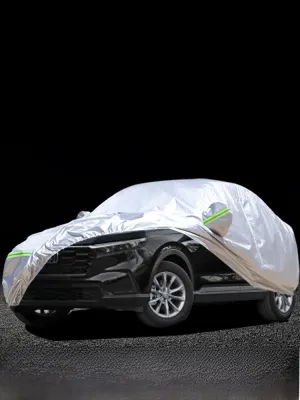
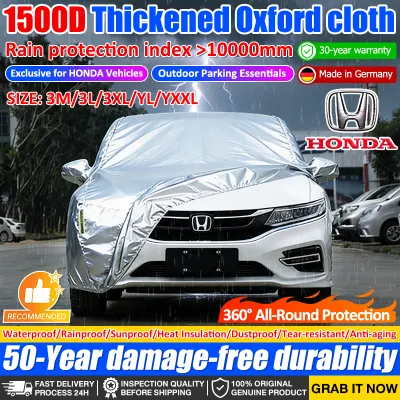
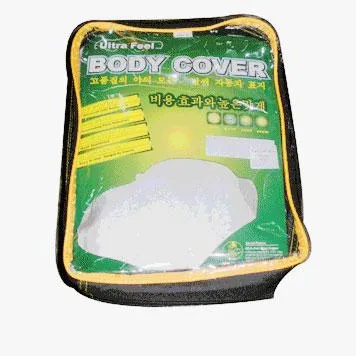
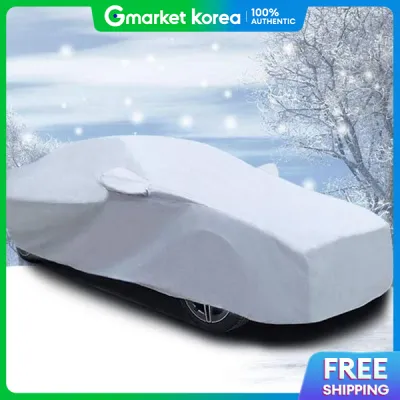
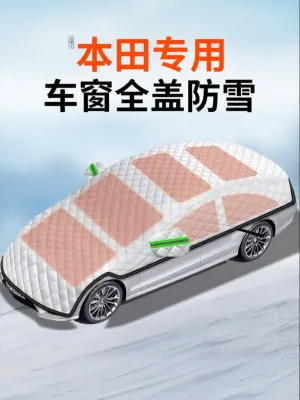
Prices are valid at publication and may change. Please refer to the product page for the latest price.
Furthermore, the combination of coastal air and industrial emissions in urban areas can mix with rainwater, creating a slightly acidic residue. When this residue dries on your car’s surface under the hot sun, it can etch into the paintwork. A reliable car cover acts as a physical barrier against these environmental contaminants, but only if it is engineered to withstand the unique combination of high moisture and intense heat.
UV Protection and Heat Reflection Features to Prioritize
To combat intense solar radiation, prioritize a car cover with an outer layer designed for high reflectivity. Look for covers featuring light-colored surfaces, such as silver or white, or those with specialized aluminized coatings. These reflective finishes help deflect direct sunlight away from the vehicle, significantly reducing the amount of thermal energy absorbed by the bodywork and lowering the temperature inside the cabin.

A high-quality cover typically utilizes a multi-layer construction to provide effective thermal insulation. These layers work together to block UV rays while preventing heat from radiating directly onto the paintwork. However, you must verify that the inner lining is made of a soft, non-abrasive material, such as cotton, fleece, or high-density microfiber. As the cover expands and contracts under fluctuating temperatures, a soft lining prevents micro-scratches on your Honda’s clear coat.
Equally important is the cover’s ability to breathe. Even with reflective coatings, some heat will inevitably transfer through the material. A breathable fabric allows this trapped heat to rise and escape through the cover rather than baking the vehicle’s exterior surfaces. When shopping, check the product specifications to ensure the manufacturer explicitly states that the material allows air circulation while maintaining its UV-blocking properties.
Additionally, check the UV rating or the number of protective layers specified by the manufacturer. While a single-layer nylon cover might offer basic dust protection, it lacks the thermal barrier needed to protect your Honda’s interior electronics and leather seats from heat degradation. Multi-layer composite fabrics, often combining polyethylene, aluminum, and soft cotton, offer a much more robust shield against the tropical sun.
Waterproofing and Moisture Management for Heavy Rain
When evaluating options for Singapore’s monsoon seasons, it is crucial to distinguish between water-resistant and waterproof labels. Water-resistant covers are designed to repel light drizzles but will eventually allow water to penetrate during prolonged downpours. For robust protection, look for covers rated as highly water-resistant or waterproof, and check if the manufacturer provides a hydrostatic head rating, which measures the material’s resistance to water pressure.
The construction of the seams is a critical point of vulnerability during heavy rain. Standard stitched seams contain tiny needle holes that easily let water seep through. Inspect the product details for heat-sealed, welded, or double-stitched taped seams. These construction methods seal the stitching lines, preventing water ingress even when rain pools on the surface of the cover during a severe storm.
Despite the need to keep rainwater out, the cover must also let moisture escape from within. A high-performance cover utilizes a semi-permeable membrane that blocks liquid water molecules from entering while allowing smaller water vapor molecules to pass through. This moisture management is vital in Singapore’s high humidity, as it prevents condensation from forming on the paintwork. Avoid cheap, completely non-breathable plastic tarps, as they trap moisture underneath, accelerating rust on metal components and causing paint blistering.
Furthermore, consider how the cover handles pooling water. In heavy downpours, water can accumulate in low spots, such as the area between the bonnet and the windscreen. A cover with excellent water-shedding properties and a tight, contoured fit will encourage water to run off the sides rather than pooling, reducing the pressure on the seams and minimizing the chance of water seeping through.
Ensuring a Secure and Custom Fit for Your Honda Model
A car cover can only perform its job effectively if it fits your specific Honda model properly. Generic, universal-fit covers are often too loose or too tight, leaving areas exposed or creating excess fabric that catches the wind. Whether you drive a compact Honda Jazz, a sleek Civic, or a larger CR-V, look for covers tailored to your vehicle’s specific model, generation, and body style to provide full coverage.
Custom or semi-custom covers offer dedicated design elements that improve both fit and protection. Look for features like built-in mirror pockets and antenna patches, which allow the cover to lay flat against the body without stretching or creating tension points. A snug fit reduces the amount of air that can get underneath the cover, minimizing the risk of it acting like a sail during sudden tropical windstorms.
To keep the cover securely anchored, inspect the tie-down and fastening systems. High-quality options feature heavy-duty elastic hems at the front and rear, adjustable underbody straps with click-close buckles, and reinforced grommets. These grommets allow you to thread a cable lock underneath the car, providing extra security against strong gusts. Additionally, practical details like reflective strips improve nighttime visibility in dark car parks, and a dedicated storage bag makes stowing the cover convenient when not in use.
A proper fit also prevents the cover from dragging on the ground, where it can pick up dirt, gravel, and moisture. If the edges of the cover touch the wet ground, they can draw moisture upward through capillary action, dampening the lower sections of your vehicle. A well-tailored cover will sit just above the ground, protecting the entire bodywork while remaining clear of standing water.
Maintaining Your Car Cover in High Heat and Humidity
To ensure your car cover continues to protect your Honda, you must maintain it properly. Dirt, bird droppings, tree sap, and industrial fallout can accumulate on the cover’s surface, gradually degrading its waterproof and UV-resistant coatings. Always refer to the manufacturer’s care label for specific cleaning instructions. Generally, you can clean the cover while it is on the vehicle by spraying it with clean water and gently wiping it down with a soft sponge and mild, pH-neutral soap, avoiding harsh detergents that strip protective finishes.
A fundamental rule of using any car cover is to never apply it over a wet or dirty vehicle. Trapping dirt beneath the cover creates an abrasive layer that will scratch the paint as the cover moves, while trapping moisture leads to rapid mold growth. Likewise, if the cover itself becomes wet, ensure it is completely dry before folding and storing it. Hanging the cover in a shaded, well-ventilated area to dry prevents mildew from taking hold in Singapore’s humid air.
When the cover is not in use, store it in its dedicated storage bag in a cool, dry place away from direct sunlight and pests. Regularly inspect the cover for signs of wear and tear. If you notice the inner lining beginning to peel, the seams fraying, or water no longer beading on the surface, the material has likely degraded from UV exposure. Replacing the cover at this stage ensures your Honda remains fully protected from the elements.
Additionally, avoid folding the cover when it is damp, even if you are in a hurry. If you must remove a wet cover, place it loosely in your boot and hang it up to dry at the earliest opportunity. Taking these maintenance steps seriously will extend the lifespan of both your cover and your Honda’s exterior finish, ensuring your investment continues to deliver reliable protection.
Frequently Asked Questions (FAQ)
Is it safe to put a car cover on my Honda immediately after it rains?
No, you should never put a car cover on a wet vehicle. Applying a cover over rainwater traps moisture against the paintwork, which can lead to water spots, paint blistering, and mold growth in Singapore’s warm climate. Additionally, rain often splatters road grime and dirt onto the car’s surface; covering a dirty vehicle will grind these abrasive particles into the clear coat, causing fine scratches. Always wash and completely dry your Honda before fitting the cover.
Will a car cover scratch my Honda's paint in strong winds?
A poorly fitted or unsecured cover can flap in the wind, causing the fabric to rub against the paint and create micro-scratches. To prevent this friction damage, choose a custom or semi-custom cover that fits your Honda snugly. Ensure you secure all elastic hems, underbody straps, and tie-downs tightly to minimize movement. Additionally, verifying that the cover has a soft, non-abrasive inner lining, such as fleece or cotton, will help protect the clear coat from abrasion during windy conditions.

Community discussion
Share your experience or ask a question. Comments are reviewed before publication.