
When evaluating whether Kamatto floor mats outlast other premium full-surround brands, the answer depends on verifying their specific base materials—such as injection-molded thermoplastic elastomers (TPE) versus multi-layered cross-linked polyethylene (XPE) or synthetic leather—against the exact specifications of competing products. In tropical climates like Singapore, where cabin temperatures can soar when parked outdoors, material composition directly dictates longevity. Determining the superior mat requires looking past marketing buzzwords and evaluating structural integrity, polymer purity, and custom anchoring mechanisms.
Premium full-surround mats must offer a precise three-dimensional (3D) or five-dimensional (5D) fitment that hugs the footwell contours perfectly. They must use high-grade polymers that resist warping and feature robust anchoring systems to prevent slippage. The best choice for lifespan and value relies on matching the mat’s verified material properties and structural rigidity to your specific vehicle model and daily driving conditions.
Quick Answer: Evaluating Kamatto's Material and Durability
Determining whether Kamatto outlasts other premium full-surround brands requires a careful comparison of their core engineering. Kamatto positions itself in the high-end segment of the automotive accessory market, where durability is heavily influenced by the raw materials selected for manufacturing. If a Kamatto mat utilizes a high-purity, injection-molded polymer, it will generally resist wear, heat, and moisture better than multi-layered synthetic leather mats that rely on adhesives. However, if compared to another brand’s top-tier, heavy-duty vulcanized rubber or reinforced TPE, the performance gap narrows, making vehicle fitment and daily usage patterns the deciding factors.
Products mentioned in this guide
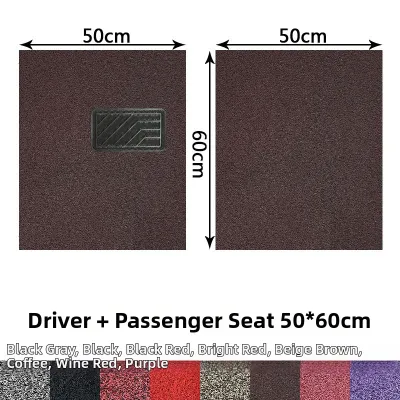
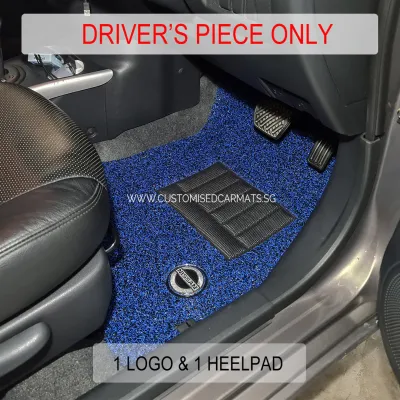
Prices are valid at publication and may change. Please refer to the product page for the latest price.
A truly premium full-surround mat must provide complete coverage of the vehicle’s floor carpet and extend up the vertical walls of the footwell. This design protects the interior from mud, water, and debris, but it also exposes the mat to constant physical stress from passenger feet. Consequently, the durability of the vertical walls—specifically their ability to stand upright without sagging over years of use—is just as critical as the wear resistance of the flat surface where your heels rest.
Ultimately, no single brand is a universal winner for every vehicle. To secure the best return on your investment, you must verify the manufacturer’s official material specifications and ensure the mounting interface is fully compatible with your car’s factory floor anchors. A mismatch in fitment not only compromises durability but also introduces severe safety risks during driving.
Understanding the Premium Full-Surround Mat Landscape
The “full-surround” design concept, often marketed under terms like 3D, 5D, or even 6D, represents a major evolution from traditional flat rubber or carpet mats. These mats are engineered to act as a protective tray, covering not only the flat floor carpet but also the transmission tunnel, side sills, and the space behind the pedals. This comprehensive coverage prevents dirt, liquid spills, and sand from slipping over the edges and staining the original factory carpet underneath.

Within this premium landscape, products generally fall into three main material families:
- Thermoplastic Elastomers (TPE): A class of copolymers that combine the physical properties of rubber with the processing advantages of plastics. TPE mats are typically single-piece, lightweight, highly flexible, and exceptionally resistant to chemical degradation and extreme heat.
- Multi-Layered XPE and Synthetic Leather: These mats feature a sandwich construction, usually consisting of a top layer of polyurethane (PU) or polyvinyl chloride (PVC) synthetic leather, a middle cushioning layer of cross-linked polyethylene (XPE) foam, and a bottom anti-slip mesh. They offer a plush, luxury aesthetic with diamond-stitched patterns.
- Heavy-Duty Vulcanized Rubber: Traditional thick rubber mats that prioritize raw durability over weight and styling. While incredibly tough, they are rarely offered in true high-wall, full-surround configurations due to their weight and stiffness.
Kamatto operates within this competitive space by offering custom-tailored floor protection. To evaluate Kamatto against its competitors, you must identify which material family a specific product line belongs to. Comparing a single-layer polymer TPE mat from one brand to a multi-layered synthetic leather mat from another is not an apples-to-apples comparison, as each construction method has distinct failure points and maintenance requirements.
Material Quality: Key Comparison Dimensions
To objectively compare Kamatto with other premium full-surround brands, you must break down material quality into three primary physical dimensions: core construction, surface engineering, and chemical safety.
Base Polymer and Core Construction
The foundation of any premium mat is its core construction. When researching options, check the product documentation to determine if the mats are manufactured via injection molding or thermoforming. Injection molding forces molten polymer into a high-pressure steel mold, resulting in a single-piece mat with highly uniform wall thickness, excellent structural density, and superior dimensional stability. Thermoforming, on the other hand, heats a flat sheet of plastic and vacuums it over a mold, which can sometimes result in thin, weak spots along the deep corners of the footwell.
If you are comparing single-piece polymer mats, look for high-purity TPE. Lower-grade TPE mats often contain heavy filler materials or recycled plastics, which reduce flexibility and make the mat brittle over time. For multi-layered mats, the critical factor is the bonding method. High-quality multi-layer mats use flame-lamination or high-temperature heat pressing to fuse the synthetic leather, XPE foam, and backing together. Cheaper alternatives rely on solvent-based glues, which are highly susceptible to breaking down when exposed to moisture and cabin heat.
To physically inspect a mat’s core construction before installation, press firmly on the vertical walls and the high-wear heel pad area. A high-quality polymer mat should feel firm yet pliable, immediately springing back to its molded shape without leaving white stress marks or permanent creases in the material.
Surface Texture and Anti-Slip Engineering
The surface of a floor mat must balance aesthetic appeal with functional safety. Molded polymer mats feature integrated, three-dimensional channels and textures designed to trap liquids and debris away from your shoes while providing reliable foot grip. Because these textures are molded directly into the base polymer, they wear down very slowly and cannot peel or separate.
In contrast, multi-layered mats often feature a synthetic leather top surface with stitched diamond patterns. While this design provides a luxury look that complements high-end car interiors, the stitching represents a potential point of failure. The thread can fray under constant heel friction, and water can seep through the needle holes. Some premium brands address this by using heat-embossed patterns instead of real thread stitching, eliminating the risk of water penetration while maintaining the classic quilted appearance.
Additionally, many premium mats feature a secondary, removable coil or carpet mat that clips onto the base layer. This hybrid design allows you to easily unclip the top carpet layer for a quick wash while keeping the protective full-surround base in place. If considering this option, inspect the quality of the mounting studs to ensure they are made of durable, UV-stabilized plastic that will not crack after repeated removal.
Odor, Off-Gassing, and Cabin Air Quality
Cabin air quality is a critical safety consideration that is frequently overlooked. In Singapore, vehicles parked in open-air HDB or condominium car parks are subjected to intense solar radiation, driving interior cabin temperatures well above 60°C. Under these extreme conditions, low-quality plastics, recycled rubbers, and cheap adhesives undergo thermal degradation and release Volatile Organic Compounds (VOCs) into the sealed cabin.
These off-gassing chemicals produce a strong, acrid smell and can cause headaches, dizziness, and respiratory irritation. Premium floor mats must be virtually odorless, even when subjected to high heat. When comparing Kamatto to other brands, look for official safety certifications such as RoHS (Restriction of Hazardous Substances) compliance or SGS toxicological testing reports.
Pure, medical-grade TPE is naturally low-odor and does not require the addition of phthalate plasticizers, which are notorious for off-gassing. If a manufacturer cannot provide verified documentation regarding VOC emissions, read verified customer reviews specifically searching for complaints about lingering chemical smells after the mats have been installed in a hot vehicle.
Long-Term Durability: Predicting Lifespan and Wear
While a mat may look impressive on the day of installation, its true value is proven over years of daily exposure to friction, dirt, and moisture. Understanding how different materials age allows you to predict their long-term durability.
Structural Integrity and Edge Deformation
The most common failure point for full-surround floor mats is edge deformation. Because these mats feature high vertical walls designed to hug the sides of the footwell, they rely on structural rigidity to stay upright. Over time, the physical impact of passengers entering and exiting the vehicle, combined with high cabin temperatures, can cause these vertical walls to sag, curl, or collapse inward.
This deformation is not merely an aesthetic issue; it is a severe safety hazard. If the vertical wall of a driver’s side mat collapses, it can slide inward and interfere with the accelerator or brake pedal, potentially trapping the pedal and causing a loss of vehicle control. Single-piece molded TPE mats possess excellent “structural memory,” meaning they retain their original molded shape even after being bent or exposed to intense heat.
Multi-layer stitched mats are more prone to edge deformation because they rely on the internal stiffness of the XPE foam layer. Once the foam core breaks down from heat and repeated foot pressure, the vertical walls lose their structural support and permanently warp. When comparing brands, look for reinforced edges or integrated plastic retention clips that secure the mat’s vertical walls directly to the vehicle’s plastic interior trim panels.
Surface Wear, Staining, and Delamination
The heel pad area directly beneath the driver’s feet experiences the highest rate of physical abrasion. Constant pivoting between the accelerator and brake pedals can quickly wear a hole through thin materials. To prevent this, premium mats often feature a reinforced heel pad made of thick, textured polymer or a metal plate integrated into the driver’s mat.
When comparing durability, consider how the top surface handles moisture and staining:
- TPE Mats: These are completely non-porous. Mud, oil, and spilled beverages cannot penetrate the surface. They are highly resistant to staining and chemical degradation, making them incredibly easy to clean with a simple hose-down.
- Synthetic Leather (PU/PVC) Mats: While water-resistant, the polyurethane coating can scratch and scuff over time. If the top layer is punctured by a sharp object, such as a high heel or a stone trapped in a shoe tread, water can penetrate the inner XPE foam core.
- Delamination Risk: Once water enters the inner layers of a multi-layer mat, it cannot easily escape. This trapped moisture weakens the adhesive bonds, leading to delamination where the synthetic leather bubbles and peels away from the foam. Furthermore, trapped water creates a breeding ground for mold and mildew, resulting in persistent cabin odors.
Fasteners, Clips, and Anchoring Systems
A floor mat must remain completely stationary during driving. To achieve this, premium mats must feature retention clips or snap fasteners that align perfectly with your vehicle’s factory-installed floor pegs. Before purchasing, verify that the brand’s anchoring system is custom-molded to match your exact vehicle make, model, and manufacturing year.
In addition to primary floor anchors, full-surround mats utilize secondary securing mechanisms to keep the high vertical walls flush against the footwell sides. This is often achieved using aggressive hook-and-loop (Velcro) backings or specialized side clips that tuck under the vehicle’s plastic trim panels. Inspect the build quality of these clips and fasteners.
Cheap plastic clips will become brittle and snap under the high cabin temperatures experienced in Singapore. If the anchoring system fails, the mat will shift underfoot, accelerating surface wear, causing edge deformation, and compromising driving safety. Opt for brands that use heavy-duty, UV-stabilized polycarbonate or reinforced nylon fasteners.
Value for Money: Calculating True Cost of Ownership
When shopping for premium automotive accessories in Singapore, it is easy to focus solely on the upfront retail price. However, calculating the true cost of ownership requires weighing the initial price tag in SGD (S$) against the expected lifespan, maintenance requirements, and potential replacement costs of the mats.
Consider a comparative scenario. A high-quality, injection-molded TPE mat set might carry a premium price tag of S$250. Because of its structural memory, chemical resistance, and monolithic construction, this mat can easily last five years or more without warping, cracking, or losing its protective qualities. This translates to an annual cost of ownership of S$50.
Conversely, a cheaper set of multi-layered full-surround mats purchased from an online marketplace might cost S$100. While they may look luxurious initially, the combination of intense Singapore heat, high humidity, and daily foot friction can cause edge curling, stitching failure, or delamination within 18 months. If you must replace these mats three times over a five-year period to maintain safety and appearance, your total expenditure rises to S$300, in addition to the inconvenience and safety risks of driving with deformed mats.
Furthermore, premium brands often back their products with structural warranties ranging from three to five years, providing peace of mind and protecting your investment. When evaluating Kamatto against competing premium brands, look beyond the brand name. Verify whether the higher price point is justified by advanced manufacturing techniques (like injection molding), verified non-toxic material certifications, and a robust warranty, rather than just aesthetic styling.
Decision Framework: Which Premium Mat Fits Your Needs?
To make an informed purchase, use this conditional decision framework to match the floor mat’s verified material properties to your specific driving habits and vehicle requirements.
Choose Kamatto if:
- Their verified material specifications (such as a high-purity, injection-molded TPE or a premium reinforced composite) align with your preference for a clean, modern, and highly durable interior.
- Their custom-fit molding, laser-scanned dimensions, and anchoring systems are explicitly confirmed in the product documentation to match your exact vehicle make, model, and manufacturing year.
- You prioritize a low-maintenance, easy-to-wash solution that can withstand Singapore's sudden downpours, muddy shoes, and wet umbrellas without trapping moisture or developing odors.
Choose competing premium brands if:
- They offer verified superior edge-rigidity, reinforced vertical walls, or specialized multi-layer designs that better match a highly luxurious, leather-appointed cabin aesthetic.
- They provide a longer, more comprehensive structural warranty or have established local distributors and physical showrooms in Singapore where you can personally inspect the material quality and fitment before buying.
- They offer specialized color options or removable carpet inserts that better coordinate with your vehicle's custom interior color scheme.
Verify first if:
- The mats interfere with the travel of your vehicle's accelerator, brake, or clutch pedals, or block the movement of seat adjustment rails and under-seat air vents.
- Always check the manufacturer's exact material composition label, safety warnings, and return or exchange policy before finalizing your purchase. If the product documentation is unclear or conflicts with your vehicle's layout, consult the manufacturer or a qualified automotive professional.
Frequently Asked Questions (FAQ)
Are full-surround floor mats safe for driving?
Full-surround floor mats are safe for driving only if they are properly designed, perfectly fitted, and securely anchored to the vehicle’s floor. The primary safety hazard associated with aftermarket floor mats is pedal interference. If a mat is not securely locked into the factory floor anchors, it can slide forward and trap the accelerator or brake pedal, leading to an extremely dangerous loss of vehicle control.
Before operating your vehicle, you must physically verify that the mat is firmly snapped into the factory floor pegs and does not shift when you depress all pedals through their full range of motion. Additionally, inspect the vertical walls of the mat to ensure they do not curl or sag inward toward the pedal assembly. Never layer a full-surround mat on top of existing carpet or rubber mats, as this raises the floor height and increases the risk of pedal obstruction. If you notice any sliding or warping, remove the mat immediately and consult the manufacturer.
How do I clean and maintain premium full-surround mats?
To maintain the appearance and structural integrity of your premium mats, begin by checking the manufacturer’s specific care instructions. For routine maintenance, vacuum the mats to remove loose dirt, sand, and debris. For a deeper clean, wipe the surfaces down using a damp microfiber cloth and a mild, pH-neutral soap solution.
Avoid using harsh chemical solvents, bleach, silicone-based dressings, or abrasive scrub brushes, as these can degrade synthetic leather coatings, strip protective anti-slip finishes, and weaken the adhesive bonds in multi-layer mats. If you are cleaning single-piece TPE mats, you can safely hose them down with low-pressure water. Never use high-pressure washers at close range, as the intense pressure can puncture thin sections or damage fasteners. Allow the mats to dry completely in a shaded, well-ventilated area before reinstalling them. Placing damp mats back into your vehicle will trap moisture against the factory carpet, leading to mold, rust, and foul odors.
Community discussion
Share your experience or ask a question. Comments are reviewed before publication.