
Choosing between Kamato and other full-surround car mat brands in Singapore requires looking beyond aesthetic appeal to evaluate precise vehicle compatibility, edge coverage, and material safety. Full-surround mats are designed to cover not just the footwells but also the vertical walls of your car’s footwells, protecting the underlying carpet from Singapore’s frequent rain, mud, and daily wear. However, because these mats extend high up the sides of the footwell, a generic fit can lead to dangerous pedal interference or blocked seat rails. To make an informed decision, you must compare how different brands handle edge height, material durability, and physical retention mechanisms.
Core Dimensions for Comparing Full-Surround Mats
When evaluating full-surround car mats, the first critical factor is the edge height and lateral coverage area. True full-surround protection should extend high enough along the transmission tunnel and side sills to prevent dirt and liquids from slipping behind the mat. However, if the edges are too high or lack structural rigidity, they can sag over time, creating gaps where debris can accumulate. Compare the stiffness of the side walls across different brands to ensure they maintain their shape under daily use.
Material composition is another essential dimension to analyze. Many full-surround mats utilize multi-layer synthetic structures, often featuring a polyurethane (PU) leather top layer, an ethylene-vinyl acetate (EVA) foam inner cushion, and an anti-slip backing. Upon unboxing any new set of mats, assess the initial odor indicators. In Singapore’s tropical climate, enclosed vehicles parked under the sun can reach extreme internal temperatures. High heat can cause low-quality adhesives or plastics to release volatile organic compounds (VOCs), resulting in strong chemical odors. Review the manufacturer’s material labels for non-toxic or low-emission certifications before purchasing.
Products mentioned in this guide
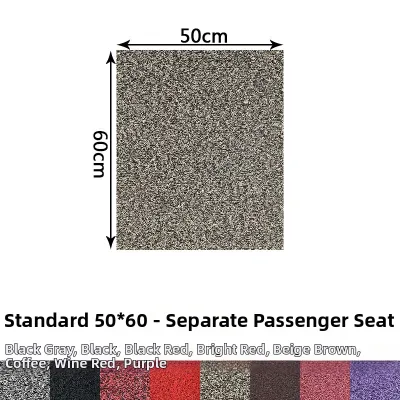
Prices are valid at publication and may change. Please refer to the product page for the latest price.
Finally, examine the anti-slip backing design and its compatibility with your vehicle’s factory floor retention clips. A high-quality full-surround mat must feature a robust friction layer, such as a hook-and-loop texture or specialized synthetic nibs, to prevent the mat from shifting. It must also align perfectly with the original floor pegs installed by your car manufacturer. If a brand relies solely on friction without secure physical locking points, the mat can slide forward during sudden braking, posing a severe safety hazard.
Verifying Vehicle Fitment and Pedal Safety
The primary safety boundary when installing any aftermarket floor mat is ensuring absolute clearance around the accelerator, brake, and clutch pedals. A floor mat that slides or bunches up can trap a pedal in the depressed position, leading to a loss of vehicle control. Therefore, you must verify that any full-surround mat you choose is engineered specifically for your exact vehicle make, model, variant, and production year. Never rely on broad category terms, as floor pan dimensions often differ between petrol, hybrid, and electric variants of the same car model due to battery placement.

Before operating your vehicle with new mats installed, perform a comprehensive physical check of the pedal clearance. With the engine turned off, manually depress the accelerator, brake, and clutch pedals through their entire range of motion. Verify that there is a clear gap between the pedal arm, the pedal pad, and the edge of the mat. The mat must not catch or rub against the pedals at any point during their travel or return stroke. If you observe any contact or resistance, do not drive the vehicle; consult the manufacturer or seek qualified professional installation.
Additionally, check that the mat does not obstruct other critical interior components. The high-rising edges of full-surround mats must not interfere with the movement of front seat rail tracks or block the air vents located under the seats. Ensure that the center console bases and door sill thresholds remain completely unobstructed. If the mat is too thick or poorly molded, it can prevent power seats from sliding smoothly or cause the door seals to pinch, potentially leading to premature wear on your car’s interior components.
Evaluating Material Durability and Daily Maintenance
Singapore’s high humidity and frequent rain showers place unique demands on car mat materials. Water tracked into the cabin can easily seep into poorly sealed seams, leading to mold growth, musty odors, and rust on the vehicle’s floor pan. When comparing Kamato to other brands, inspect the edge stitching and border construction. Heat-sealed or high-frequency welded borders generally offer better water resistance than traditional thread stitching, which can fray over time and allow moisture to penetrate the inner foam layers.
Review the manufacturer’s cleaning instructions carefully before applying any care products. Most synthetic full-surround mats should only be cleaned using label-authorized methods, typically involving a damp microfiber cloth or a mild, pH-neutral soap solution. Avoid using harsh chemical cleaners, solvents, or high-pressure washers unless explicitly permitted by the manufacturer. Unapproved chemicals can degrade the protective top coat of PU leather, causing it to crack, peel, or lose its color under UV exposure.
The surface texture of the mat also dictates how easily you can maintain it on a daily basis. Deep diamond-stitched patterns or intricate grooves are highly effective at trapping loose dirt, sand, and liquid spills, preventing them from sloshing onto the carpet. However, these same textures can make wiping away dried mud more difficult. Evaluate whether the surface pattern allows for quick wiping or if it requires detailed vacuuming and brushing to keep clean.
Pricing, Value, and After-Sales Considerations
When comparing the financial aspect of Kamato and alternative full-surround brands, look beyond the initial purchase price. Compare the base prices in S$ across official brand stores and authorized e-commerce platforms to establish a baseline. While budget-friendly options on online marketplaces may seem appealing, they often compromise on material thickness, fitment precision, and odor control. A slightly higher investment in a reputable brand often yields better long-term value through superior durability and safety.
Verify the specific return policies and fitment guarantees offered by the seller. Because full-surround mats require an exceptionally precise fit, there is always a minor risk of manufacturing variances or compatibility issues with specific trim levels. A reputable brand or authorized distributor should offer a clear fitment guarantee, allowing you to return or exchange the mats if they do not align perfectly with your vehicle’s floor pan. Check if the purchase price includes professional installation, which can save you the effort of tucking the stiff edges under your car’s plastic trim panels.
Be cautious of purchasing from unauthorized third-party sellers. While these sellers may offer discounted prices, their products often lack local warranty support. If the mats begin to warp, peel, or slide after a few months of exposure to Singapore’s heat, you may find yourself without any recourse. Purchasing through official channels ensures you receive genuine materials and access to customer support if you encounter installation or fitment challenges.
Decision Framework: Choosing the Right Full-Surround Mat
To finalize your decision, apply a structured framework based on your specific vehicle and driving habits. Choose Kamato if you can verify its precise fitment for your exact car model, value the peace of mind provided by local customer support in Singapore, and find that their material specifications align with your daily wear-and-tear expectations. Their templates are often well-suited for popular local vehicle models, offering a balanced combination of coverage and pedal safety.
Opt for alternative brands if you require highly specialized custom colorways, unique aesthetic patterns, or specific environmental material certifications that are not currently offered in the Kamato lineup. Additionally, if you drive an uncommon import or a newly launched vehicle model, you may need to compare multiple brands to find one that has already mapped and manufactured a template for your specific floor pan configuration.
Always exercise caution and verify compatibility first if your vehicle has undergone aftermarket interior modifications. Custom seat brackets, floor-mounted audio equipment, or modified center consoles can alter the original floor pan dimensions. In such cases, standard full-surround templates from any brand may not fit correctly, and you may need to consult a professional installer to customize the mats for a safe and secure fit.
Frequently Asked Questions (FAQ)
Do full-surround mats require professional installation?
While many car owners successfully install full-surround mats themselves, the process is significantly more complex than laying down standard flat mats. Full-surround mats are bulky and stiff, requiring you to carefully tuck the high edges under the vehicle’s plastic trim panels using specialized clips. If your vehicle has complex seat rail covers or requires the temporary removal of plastic trim to achieve a seamless look, professional installation is highly recommended to avoid damaging your car’s interior.
If you choose to install the mats yourself, always prioritize safety over aesthetics. Ensure the mats are firmly anchored to the factory floor retention clips and do not slide forward. After installation, perform the mandatory pedal clearance checks before starting the engine. If you feel any resistance when depressing the pedals, or if the mat interferes with the seat adjustment tracks, adjust the positioning immediately or seek assistance from a qualified professional installer.

Community discussion
Share your experience or ask a question. Comments are reviewed before publication.