
When maintaining your car’s cabin in Singapore’s humid tropical climate, keeping surfaces clean is essential to prevent mold, sweat buildup, and premature wear. If you are considering using SONAX CleanStar to refresh your seats, the short answer is that while many multi-surface interior cleaners are engineered for broad compatibility, absolute safety depends entirely on the exact formulation printed on the product label and the specific type of leather or fabric in your vehicle. Automotive interiors are not uniform; what works perfectly on a durable synthetic vinyl might cause irreversible staining on untreated, porous natural leather. Therefore, before applying any chemical to your seats, you must verify the manufacturer’s explicit instructions on the physical packaging. Never assume a product is safe for all surfaces without reading the label first.
Identify Your Exact Leather and Fabric Types
To determine if a multi-surface cleaner is appropriate, you must first accurately diagnose the exact materials used in your car’s cabin. In Singapore, where high cabin temperatures can accelerate chemical reactions, using the wrong product on a sensitive surface can lead to rapid discoloration or material degradation.
Recognizing Coated, Aniline, and Synthetic Leathers
Most modern vehicles on the road today feature coated leather, also known as pigmented or finished leather. This material has a thin, protective polyurethane surface layer that shields the underlying hide from spills, UV rays, and physical abrasion. Because of this synthetic barrier, coated leather is relatively durable and can tolerate mild, pH-balanced multi-surface cleaners.
Products mentioned in this guide
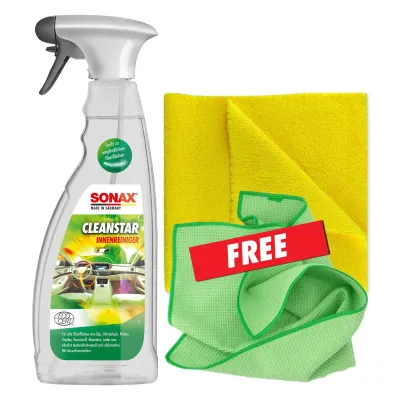
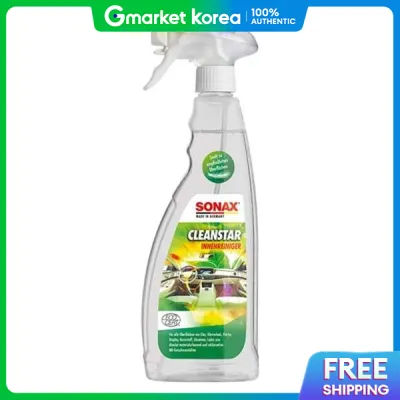
Prices are valid at publication and may change. Please refer to the product page for the latest price.
Conversely, aniline and semi-aniline leathers are premium, minimally treated hides. They lack a heavy protective topcoat, leaving the natural pores of the leather open. This makes them highly sensitive to liquids, which can easily penetrate the surface and leave permanent water spots or chemical stains.
Additionally, synthetic alternatives such as vinyl, leatherette, and microsuede materials like Alcantara are increasingly common. These materials require specific care. For instance, Alcantara and other delicate synthetics are highly susceptible to matting and fiber damage if subjected to harsh chemicals or aggressive scrubbing, demanding specialized, gentle cleaning techniques and pH-neutral formulas.
Understanding Standard Cloth and Delicate Blends
Standard woven cloth and nylon fabrics are commonly found in many family cars. These textiles are generally robust and can tolerate a wider range of interior cleaners and physical agitation compared to leather. However, they are highly porous and tend to absorb spills deeply into the seat foam, which can lead to musty odors in Singapore’s humid climate if not thoroughly dried.
It is also important to recognize that many modern car fabrics come with factory-applied hydrophobic coatings or stain-resistant treatments. These chemical barriers help repel liquids, giving you time to wipe away spills before they sink in. Applying a strong, non-authorized multi-surface cleaner can strip away these protective coatings, leaving your fabric seats vulnerable to future stains. Always consult your vehicle’s owner manual to check for specific textile warnings or factory-applied fabric treatments.
How to Cross-Reference the SONAX CleanStar Label with Your Materials
Before purchasing or applying SONAX CleanStar, you must systematically verify if its intended use matches the materials inside your vehicle. Reading the physical product label is the most reliable way to prevent accidental damage to your car’s interior.

When examining the packaging, look for explicit safety statements such as “safe for leather,” “multi-surface,” or any specific material exclusions. Multi-surface interior detailers are generally formulated for light maintenance, dusting, and cleaning hard plastics, vinyl, and synthetic trims. They are distinct from heavy-duty fabric extractor shampoos or dedicated leather cleaners, which are formulated specifically to deep-clean porous hides or lift deeply embedded stains from textile fibers.
Adopt a strict rule for your detailing routine: if the product label does not explicitly state that it is safe for your specific material—such as uncoated aniline leather, Alcantara, or delicate fabric blends—you should not assume compatibility. Instead, seek a dedicated product specifically formulated for that surface. Furthermore, always check the label for warnings regarding sensitive cabin components. Many modern car interiors feature glossy piano-black trim, digital touchscreens, or contrast stitching. Some multi-surface cleaners can leave unsightly streaks, haze delicate plastics, or degrade the adhesives and threads used in stitching if applied incorrectly.
If you encounter conflicting instructions between your vehicle’s owner manual and the cleaner’s label, or if your interior material remains unidentified, stop immediately. Do not proceed with the application; instead, consult the vehicle manufacturer, the product manufacturer, or a qualified professional detailing service before proceeding.
How to Perform a Safe Spot Test on Hidden Areas
Even if a product label indicates compatibility, conducting a localized spot test is a critical, reversible safety step that should always precede full application. This test ensures that the cleaner does not react negatively with any aftermarket treatments, dyes, or wear patterns unique to your vehicle’s cabin.
Follow this step-by-step process to perform a safe spot test:
- Select a hidden area: Choose a highly discreet, low-visibility spot, such as the lower rear section of a seat back, the underside of a headrest, or a portion of the fabric tucked under the dashboard.
- Apply the cleaner: Spray a small amount of the cleaner onto a clean, white microfiber towel or a soft-bristle brush rather than directly onto the seat. This prevents oversaturation.
- Agitate and wait: Gently wipe or agitate the test area following the instructions on the packaging. Allow the product to dwell for the exact time recommended on the label. Do not exceed the recommended contact time.
- Wipe and inspect: Wipe the area clean with a dry microfiber towel and allow it to dry completely.
Once dry, carefully inspect the test site under good lighting. Look for any signs of color transfer onto the white microfiber towel, which indicates dye bleeding. Check the material for changes in texture, such as stiffening, hardening, or stickiness. Finally, observe the area for any discoloration, fading, or unusual chemical odors. If any of these adverse reactions occur, immediately stop using the product on that material. Remember, a successful spot test confirms local compatibility but does not override explicit manufacturer warnings against using the product on certain surfaces.
When to Switch to Dedicated Leather or Fabric Cleaners
While a high-quality multi-surface cleaner is an excellent tool for routine maintenance and light dusting, there are specific scenarios where dedicated, single-purpose products are strictly necessary. Understanding these boundaries will help you preserve your car’s interior value and appearance over the long term.
For fabric seats, heavy or deeply embedded stains—such as oil, grease, or spilled coffee—often require specialized fabric shampoos or low-foaming extraction cleaners. These products contain specific surfactants designed to break down tough organic stains and lift them out of the textile weave, often in conjunction with a wet-vacuum extractor. A general multi-surface spray may lack the chemical strength to lift these deep stains, leading to repetitive scrubbing that can fray the fabric fibers.
For leather seats, routine cleaning is only half of the maintenance equation. Over time, exposure to UV rays and the dry, air-conditioned environment of a car cabin can cause leather to lose its natural moisture, leading to cracking. While a multi-surface cleaner can remove surface dirt, it does not provide the nourishing oils and UV inhibitors required to keep leather supple. In these cases, you should switch to a dedicated, pH-balanced leather cleaner followed by a high-quality leather conditioner.
To maintain your car’s cabin effectively, consider building a complementary detailing routine. Use a gentle multi-surface cleaner for routine dust removal on hard plastics, vinyl door cards, and rubber mats. For your seats and delicate touchpoints, reserve specialized, pH-balanced leather care systems and dedicated fabric cleaners to ensure every material receives the exact level of protection and nourishment it needs.
Frequently Asked Questions (FAQ)
Can I use the same brush for leather and fabric seats?
No, you should avoid using the same brush for both surfaces. Leather and coated surfaces require a very soft, natural-bristle brush (such as horsehair) to prevent micro-scratches on the delicate protective coating. Fabric seats, on the other hand, benefit from a slightly stiffer, synthetic-bristle brush that can effectively agitate dirt out of the tight textile weave. Additionally, using the same brush on both materials can cause cross-contamination, transferring trapped dirt, grease, and fabric fibers onto your delicate leather seats.
Will multi-surface cleaners strip leather conditioners?
Yes, strong multi-surface cleaners or all-purpose cleaners can strip away protective ceramic coatings, sealants, and aftermarket leather conditioners. Because these cleaners are designed to break down grease and oils, they will naturally remove the conditioning agents that keep leather supple. If you use a multi-surface cleaner on your leather seats, always follow up with a dedicated leather conditioner to restore moisture, maintain flexibility, and reapply crucial UV protection.
Community discussion
Share your experience or ask a question. Comments are reviewed before publication.