
Leather Honey is a widely recognized, heavy-duty leather conditioner, but it is not universally safe or suitable for every type of car leather seat cover. Because modern automotive leather is highly engineered, applying a thick, oil-based conditioner can lead to unexpected surface issues depending on how the leather was manufactured, finished, and treated. Determining whether this product is safe for your specific seats requires understanding your leather type, checking the manufacturer’s care instructions, and performing a careful spot test.
Understanding Leather Honey and Automotive Leather Finishes
Leather Honey is formulated as a dense, deeply penetrating conditioner designed to restore moisture to dry, unfinished, or minimally treated hides. Unlike light, water-based spray conditioners or combined cleaner-conditioner formulas, this product has a thick, honey-like consistency consisting of deep-conditioning oils. It does not contain cleaning agents, meaning it is strictly meant to hydrate and protect rather than lift dirt or grime from the surface.
Most modern vehicles come equipped with finished leather, which features a protective polyurethane clear coat applied over the dyed hide. This synthetic topcoat acts as a barrier against spills, UV rays, and physical wear, but it also blocks heavy oils from penetrating into the leather fibers. When a thick conditioner is applied to finished leather, the product cannot soak in and instead sits on top of the clear coat, creating a sticky, greasy film that can ruin the feel of your seats.
Products mentioned in this guide
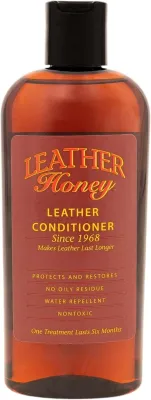
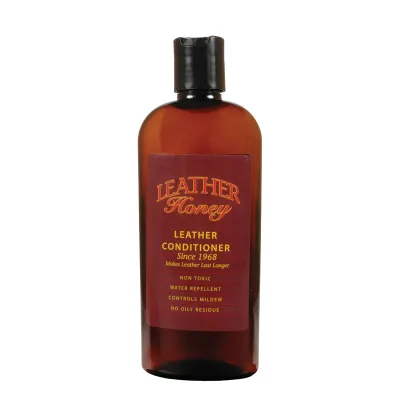
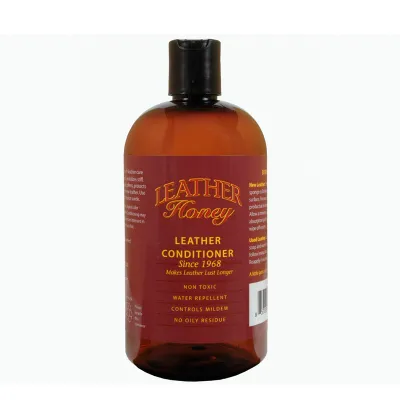
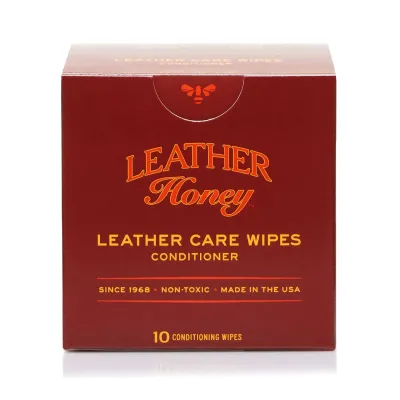
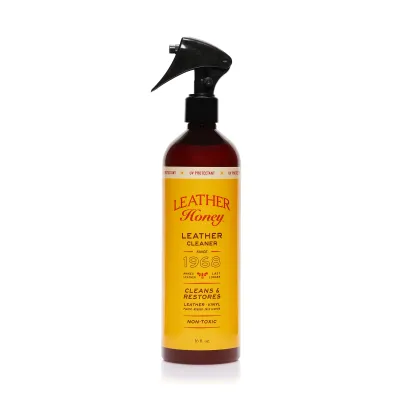
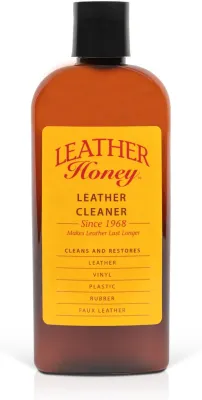
Prices are valid at publication and may change. Please refer to the product page for the latest price.
Understanding the difference between pure conditioners and combined cleaner-conditioners is crucial for proper maintenance. Combined products often use mild solvents and water-based emulsions to clean and lightly condition in one step, making them highly compatible with clear-coated automotive leather. In contrast, a pure, heavy-duty conditioner like Leather Honey is designed for deep absorption, which is often blocked by the factory-applied polyurethane clear coat.
When heavy products sit on the surface of finished leather, they do not provide any conditioning benefits to the underlying hide. Instead, the unabsorbed oils remain exposed to the cabin environment, where they can degrade the clear coat over time and create an unattractive, high-gloss shine that differs from the original matte factory finish.
Compatibility with Different Types of Car Leather
Automotive seat covers utilize various leather types and synthetic alternatives, each reacting differently to heavy conditioning treatments. Understanding these material differences is essential to prevent permanent staining, clogged pores, or surface degradation.

Finished and Semi-Aniline Leather
Finished leather is the most common material found in standard car interiors due to its durable, non-porous protective coating. Applying a heavy oil-based conditioner to these surfaces often results in a slippery, greasy residue that remains on the seat long after application. This residue can transfer onto clothing, make the seats uncomfortably slick, and attract airborne dust and debris.
Semi-aniline leather features a much thinner protective layer, offering a softer feel while retaining some natural porosity. While it may absorb conditioners slightly better than fully finished leather, it remains highly susceptible to uneven absorption and darkening. Before applying any heavy conditioner to finished or semi-aniline seats, check your vehicle owner’s manual or seat cover documentation for specific warnings against using products containing heavy oils, silicone, or wax.
Many automotive manufacturers explicitly warn against using heavy conditioners because they can soften the protective polyurethane coating, making it more susceptible to peeling or cracking. If the manufacturer’s label advises against oil-based products, it is best to avoid heavy conditioners entirely and opt for a product specifically designed for coated automotive leather.
Perforated and Ventilated Leather
Perforated leather seat covers feature tiny, laser-cut holes designed to facilitate airflow, especially in vehicles equipped with active heating and cooling systems. Applying a thick, viscous conditioner like Leather Honey to these surfaces poses a high risk of clogging the ventilation holes. Once the product pools inside these tiny perforations, it is incredibly difficult to remove and can permanently impair the seat’s climate control functions.
To prevent product accumulation, you must modify your application technique if you choose to proceed. Never apply the conditioner directly to perforated leather; instead, spread a very small amount onto a microfiber applicator pad and work it thoroughly into the cloth until the pad is barely damp. Gently wipe the surface without applying downward pressure that could force the product into the holes, and immediately buff the area with a clean, dry microfiber towel.
If the conditioner does pool inside the perforations, it can attract dirt and dust, creating dark, clogged spots that are highly visible and difficult to clean. Over time, this trapped moisture and product can also seep into the underlying heating elements or ventilation fans, potentially causing electrical issues or unpleasant odors inside the cabin.
Suede, Nubuck, and Alcantara
Standard leather conditioners are strictly unsafe for unfinished, nap-style materials such as suede, nubuck, and synthetic Alcantara. These materials rely on an open, fibrous texture to achieve their signature soft feel and matte appearance. Applying a heavy, oily conditioner to these surfaces will instantly mat the fibers, darken the material permanently, and ruin the texture beyond repair.
Before attempting any conditioning, verify whether your seat covers contain these delicate materials, which are often used as center inserts on sporty or premium seats. If your seats feature suede or Alcantara accents, isolate these areas completely using painter’s tape to prevent accidental contact with any leather care products.
Suede and Alcantara require specialized cleaners and brushes designed to lift dirt and restore the nap without introducing moisture or oils. Using a heavy leather conditioner on these materials is a common mistake that often results in irreversible damage, requiring professional restoration or complete replacement of the affected seat panels.
Potential Side Effects and Risks of Over-Conditioning
Over-conditioning or using an incompatible product on car seats can lead to several frustrating side effects that compromise both comfort and appearance. In hot and humid climates, such as Singapore, excess conditioner on the surface of the seats becomes highly sticky and acts as a magnet for dust, dirt, and lint. This sticky layer can also accelerate denim dye transfer, causing dark stains from jeans to bond permanently to light-colored leather.
Another significant risk is the degradation of the seat’s structural components over time. If a heavy conditioner pools in the seams or penetrates through the stitching holes, it can weaken the sewing threads and degrade the underlying polyurethane foam cushioning. Once the foam absorbs these heavy oils, it can lose its resiliency, leading to premature sagging and a loss of support in the seat cushions.
Furthermore, if the leather has existing scratches, scuffs, or worn areas where the clear coat has eroded, the conditioner will absorb unevenly. The exposed, raw leather in the damaged areas will drink up the heavy oils rapidly, while the intact clear-coated sections will reject them. This uneven absorption results in a blotchy, dark, and patchy appearance that highlights the wear and tear rather than concealing it.
How to Safely Test and Apply Leather Honey
If you have verified that your seat covers are compatible with a heavy conditioner, you must follow a strict safety protocol to avoid damaging your interior. Always begin by selecting a highly discreet, hidden area of the seat—such as the lower back portion or the side plastic trim interface—to perform a 24-hour spot test. Apply a tiny drop of the product, rub it in gently, and wait a full day to check for any unwanted colorfastness, permanent darkening, or persistent stickiness.
When applying the product to the rest of the seat, use a clean microfiber cloth or foam applicator pad, applying only a dime-sized amount at a time. Work the conditioner into the leather using light, circular motions, ensuring an extremely thin and even layer across the entire panel. After allowing the product to sit according to the manufacturer’s instructions, use a clean, dry microfiber towel to vigorously buff the surface, removing every trace of excess residue until the leather feels dry to the touch.
If the seats remain sticky or greasy even after extensive buffing, stop the application immediately. This is a clear sign that your leather has a non-porous clear coat that cannot absorb the product. In such cases, you should consult a professional automotive detailer to safely strip the excess product from your seats without damaging the underlying finish.
Alternatives for Automotive Leather Care
If your seat covers are finished with a modern clear coat or if you want to avoid the risks of heavy oils, several alternative care products are better suited for daily maintenance. Look for water-based automotive leather protectants and light conditioners specifically formulated for clear-coated surfaces. These products are designed to hydrate the topcoat, maintain flexibility, and provide UV protection without leaving a greasy residue or clogging perforated holes.
Always prioritize the care instructions provided by your seat cover manufacturer or vehicle brand. Many manufacturers recommend cleaning modern leather seats using nothing more than a damp, mild microfiber cloth, followed by a dedicated automotive leather cleaner when necessary. Using approved, light-duty maintenance products ensures your seats remain clean, matte, and protected without risking the structural integrity of the leather or its protective coatings.
Additionally, consider using a dedicated UV protectant designed for automotive interiors. These products do not contain heavy conditioning oils but instead focus on blocking harmful ultraviolet rays that cause clear coats to dry out, crack, and fade. This approach is highly effective for modern finished leather, as it addresses the actual source of wear without introducing unnecessary oils to the surface.
Frequently Asked Questions (FAQ)
Will Leather Honey darken my car's leather seat covers?
Yes, there is a strong possibility that a heavy conditioner will darken your car’s leather seat covers, especially if the leather is light-colored, worn, or highly porous. Because worn areas absorb oils more rapidly than intact clear-coated sections, the darkening can appear highly uneven and blotchy. Performing a 24-hour spot test on an inconspicuous area is the only reliable way to observe how your specific leather reacts to the product before treating the entire seat.
If you notice significant darkening during the spot test, it is best to avoid applying the product to the rest of the seat. For light-colored interiors, such as beige, cream, or light gray, look for specialized conditioners that are explicitly labeled as non-darkening or designed specifically for light-colored automotive leather.
How often should I condition my car leather seats?
In hot, humid environments like Singapore, car leather seats generally require less frequent conditioning than those in dry, cold climates. You should only condition your seats when you observe physical signs of dryness, such as a loss of suppleness or slight stiffness in the leather. Over-conditioning in humid conditions can trap moisture, promote mold growth, and create a sticky surface, so limiting deep conditioning to once or twice a year is typically sufficient for well-maintained vehicles.
Instead of relying on frequent conditioning, focus on regular cleaning to remove body oils, sweat, and dirt, which are the primary causes of leather degradation in warm climates. A gentle wipe-down with a damp microfiber cloth every two weeks, combined with a light, water-based protectant every few months, will keep your seats in excellent condition without the risks associated with heavy oil accumulation.

Community discussion
Share your experience or ask a question. Comments are reviewed before publication.