
Activated charcoal is highly effective as a passive odor absorber, but Singapore’s intense tropical heat and high relative humidity present unique challenges that limit its performance. Unlike conventional car air fresheners that rely on strong synthetic perfumes to mask unpleasant smells, activated charcoal works through a physical process called adsorption, trapping odor molecules inside millions of microscopic pores. However, because Singapore’s ambient humidity frequently exceeds 80%, water vapor constantly competes with odor molecules for these limited pore spaces, which can cause the charcoal to saturate much faster than it would in a drier climate.
To get the most out of an activated charcoal air freshener in Singapore, you must understand how tropical conditions affect its physical properties. By selecting the right product design, placing it strategically within your vehicle, and adhering to a strict maintenance routine, you can successfully use this natural, scent-free alternative to keep your car cabin smelling clean and fresh.
How Heat and Humidity Affect Activated Charcoal in Cars
To understand how activated charcoal performs in a tropical climate, it helps to look at the science of adsorption. Activated charcoal is carbon that has been treated with oxygen to open up millions of tiny pores between the carbon atoms. This structure gives it an incredibly large surface area relative to its size. As air circulates through the cabin, volatile organic compounds—the chemical culprits behind sweat, food, and musty smells—are drawn into these pores and stick to the carbon surfaces.
Products mentioned in this guide
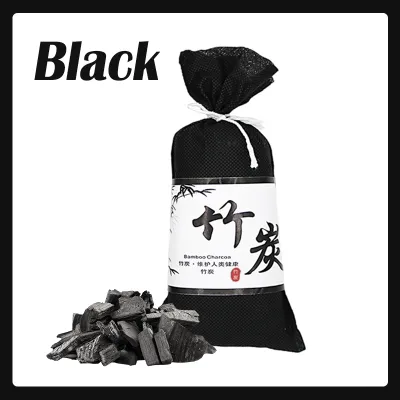


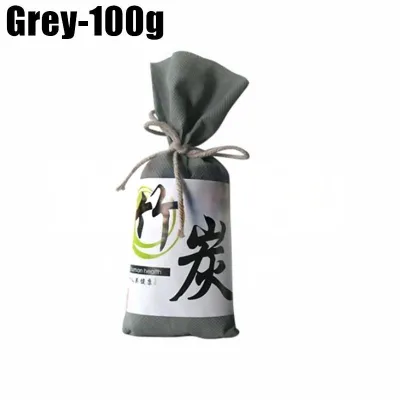

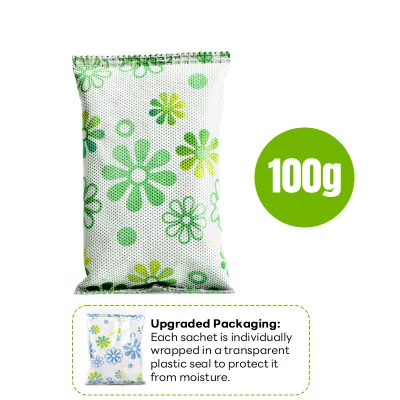
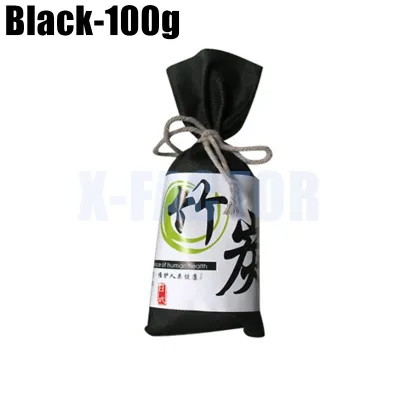
Prices are valid at publication and may change. Please refer to the product page for the latest price.
In Singapore, the primary obstacle to this process is the high concentration of water vapor in the air. Water molecules are highly polar and are easily drawn into the charcoal’s pore network. Because the air is consistently humid, the charcoal bag acts as a sponge for both moisture and odors simultaneously. When the microscopic pores become filled with water molecules, there is significantly less physical space available to capture the actual odor-causing compounds, which noticeably reduces the product’s deodorizing efficiency.
Extreme cabin temperatures further complicate this process. When your vehicle is parked under the direct sun in an open-air carpark, interior temperatures can quickly climb past 60°C. This intense heat adds thermal energy to the trapped molecules inside the charcoal. If the temperature rises high enough, it can trigger a process called desorption, where the weak physical bonds holding the trapped moisture and odor molecules break, potentially releasing the stale smells back into your car’s cabin.
Drivers can monitor several observable signs to determine when their charcoal freshener has become saturated with moisture. A fully saturated bag will often feel noticeably heavier and slightly damp or limp to the touch compared to when it was first unpacked. Additionally, you may notice that musty cabin odors return abruptly on hot afternoons, indicating that the charcoal is no longer actively trapping new molecules and requires immediate attention.
Evaluating Activated Charcoal Products for Your Vehicle
When shopping for an activated charcoal freshener, you must look closely at the product’s construction and specifications to ensure it can withstand humid conditions. The outer packaging is your first line of defense. Look for products encased in high-quality, breathable, and tightly woven natural fabrics like linen or bamboo fiber. These materials allow maximum airflow to reach the charcoal inside while preventing fine carbon dust from escaping onto your car’s upholstery.

It is also helpful to compare the raw materials used in these products. Bamboo charcoal is highly popular and widely available; it is processed at exceptionally high temperatures, creating a pore structure that is highly efficient at absorbing both moisture and odors. Standard activated charcoal, often derived from coconut shells or coal, may have smaller pore sizes that excel at trapping specific chemical VOCs but can clog more rapidly in high-humidity environments. Checking the manufacturer’s product description will help you identify which material is best suited for your specific cabin needs.
Physical size and weight are critical factors when selecting a product for a passenger vehicle. Small, decorative sachets containing only 50 grams of charcoal will saturate almost immediately in a humid climate. For a standard sedan or sport utility vehicle, look for bags weighing between 200 and 500 grams. These larger sizes provide a sufficient buffer to handle both ambient moisture and daily cabin odors without requiring constant maintenance.
Placement within the vehicle is equally important for safety and performance. Place the charcoal bags in areas with passive airflow, such as under the front seats, inside door pockets, or in the cup holders. Never place a loose charcoal bag on top of the dashboard or near the rear windscreen, as it can block your line of sight, slide under the brake pedal during sudden stops, or interfere with the deployment of your vehicle’s airbags. Always ensure the bag is securely positioned and cannot roll freely.
Maintenance and Recharging in a Tropical Environment
One of the greatest benefits of activated charcoal is that it is reusable, but maintaining its effectiveness in Singapore requires a more frequent care schedule than manufacturers typically print on their packaging. To “recharge” the charcoal, you must expose it to heat and dry air, which coaxes the trapped water molecules and volatile compounds to escape from the pores, restoring the material’s adsorption capacity.
While standard product instructions often recommend recharging charcoal bags once a month, Singapore’s persistent humidity demands a bi-weekly schedule. To recharge the bag, place it in direct, hot sunlight on a dry afternoon for at least two to three hours. A sunny balcony or a clean outdoor ledge is ideal. Avoid leaving the bag inside the car on the dashboard to recharge, as the trapped moisture will simply escape into the closed cabin air and settle back into your seats.
Regular visual and olfactory inspections will help you determine when a charcoal bag has reached the end of its lifespan. If you notice any white, grey, or green spots on the fabric casing, mold has begun to grow due to prolonged moisture exposure, and the bag must be discarded immediately. Even without mold, if a bag fails to lose its heavy, damp feel or continues to emit a stale, musty smell after a full afternoon of sun exposure, the pores have become permanently clogged, and the product must be replaced.
To prevent damage and ensure personal safety, always observe strict boundaries when attempting to dry or maintain your charcoal bags. Never place an activated charcoal bag inside a microwave, kitchen oven, or clothes dryer. The intense, concentrated heat can easily scorch or ignite the dry carbon and synthetic stitching, creating a severe fire hazard. Additionally, never spray the bag with liquid disinfectants, fabric fresheners, or harsh chemical cleaners, as these liquids will permanently saturate and ruin the charcoal’s porous structure.
Alternative Odor Control Strategies for Humid Climates
While activated charcoal is an excellent tool for ongoing, passive air maintenance, it is not a cure-all for severe cabin odors. To maintain a truly fresh interior, you must address the root causes of dampness and smells. In Singapore, heavy tropical downpours often lead to wet umbrellas, damp shoes, and water dripping onto floor mats. If left unattended, this moisture seeps into the carpet fibers, creating a perfect breeding ground for mold and mildew that no amount of charcoal can neutralize.
If your vehicle is suffering from severe dampness or persistent window condensation, consider pairing your activated charcoal bags with dedicated moisture absorbers. Products containing silica gel or calcium chloride are designed specifically to draw water out of the air. When using calcium chloride tubs, ensure they are placed flat on the floor and secured tightly; the collected liquid is highly corrosive and can damage your car’s carpets and metal floorboards if spilled.
There are specific conditions that indicate it is time to stop relying on passive absorbers and consult a professional. If you experience a sharp, sour smell every time you turn on your car’s air conditioning, mold has likely established itself on the AC evaporator core. Passive charcoal cannot reach or clean this area. In this situation, you should take your vehicle to a qualified automotive technician for a professional evaporator cleaning or cabin filter replacement to resolve the issue safely.
Frequently Asked Questions (FAQ)
Can I leave activated charcoal in the car overnight or for extended periods?
Yes, it is entirely safe to leave passive activated charcoal bags inside your vehicle continuously. Because they do not contain volatile liquid chemicals, alcohol, or synthetic oils, they will not melt, leak, or emit harmful fumes when exposed to high cabin temperatures during the day. However, you must avoid placing them in areas where liquid water can pool, such as a leaky trunk or directly on wet floor mats, as soaking the fabric casing in water will ruin the charcoal and encourage mold growth.
Does activated charcoal eliminate heavy cigarette smoke or food smells?
Activated charcoal can help reduce light, ambient odors from food or smoke by slowly drawing the airborne molecules out of the cabin air over time. However, it cannot eliminate heavy, deeply entrenched smells that have already penetrated the vehicle’s fabric seats, carpets, and headliner. To resolve severe odors, you must first physically clean the affected surfaces using authorized automotive upholstery cleaners, and then use the charcoal bags as a supportive tool to maintain freshness afterward.

Community discussion
Share your experience or ask a question. Comments are reviewed before publication.