
The YTZ5S battery is a highly common 12-volt sealed lead-acid battery, typically utilizing Absorbent Glass Mat (AGM) technology, found in many small to medium-displacement motorcycles and scooters. It is widely used in commuter bikes and underbone models ranging from 100cc to 150cc due to its compact size and reliable starting power. However, because motorcycle manufacturers design battery compartments and electrical systems to precise specifications, you cannot assume compatibility based on engine size or general model lists alone.
To ensure a safe and successful replacement, you must verify that the battery’s physical dimensions, terminal orientation, and electrical ratings align perfectly with your motorcycle’s requirements. In tropical climates with high-traffic, stop-and-go riding conditions, having the correct battery specification is crucial. An incorrect match can lead to premature battery failure, starting issues, or costly damage to your motorcycle’s charging system.
What the YTZ5S Label Means for Your Bike
The YTZ5S designation represents a standardized industry form factor and battery chemistry. Most batteries carrying this label are sealed AGM batteries, which use a glass mat separator to absorb the electrolyte. This design makes the battery spill-proof, highly resistant to vibration, and suitable for the tight, angled mounting positions common in modern motorcycles.
Products mentioned in this guide
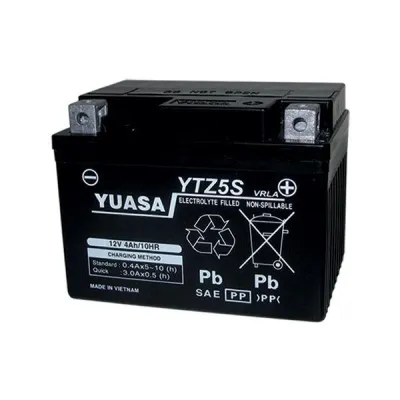
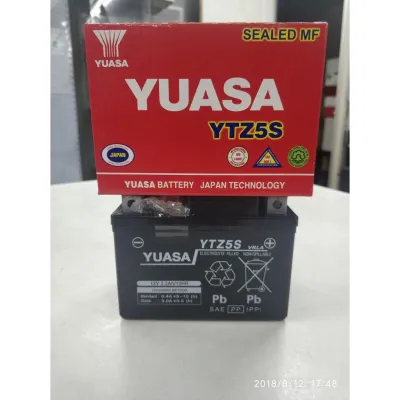
Prices are valid at publication and may change. Please refer to the product page for the latest price.
While the YTZ5S label indicates a specific physical size, you must read the exact electrical specifications printed on the product label. Pay close attention to the Voltage (typically 12V), Ampere-hour (Ah) capacity, and Cold Cranking Amps (CCA). These ratings can vary slightly between different battery manufacturers, even if they all use the YTZ5S designation.
Relying solely on the model name is insufficient when purchasing a replacement. The printed specifications on the product label are the definitive source for compatibility. Always verify that the replacement battery meets or exceeds the electrical requirements of your motorcycle to ensure reliable starting performance.
3 Steps to Confirm Fitment for Your Motorcycle
Confirming compatibility before purchase prevents installation delays and potential electrical hazards. Follow this systematic three-step process to verify if a YTZ5S battery is the correct fit for your specific motorcycle.

First, consult your motorcycle’s owner’s manual or the manufacturer’s official parts catalog. This document is the primary authority for your vehicle’s specifications. Look for the original equipment (OE) battery code, recommended voltage, minimum capacity (Ah), and cold cranking amps (CCA) required to start the engine reliably.
Second, inspect the label on the battery currently installed in your motorcycle. Confirm its model number, voltage, Ah, and CCA ratings, and note any differences from the owner’s manual. A previous owner might have installed an incorrect battery size, so verifying the physical battery currently in the tray is an essential double-check.
Third, cross-reference the OE requirements and the old battery’s label with the new YTZ5S battery’s printed specifications. Ensure all critical electrical parameters align perfectly. If your motorcycle requires a higher CCA or Ah rating than the YTZ5S battery provides, installing it could strain the starter motor and lead to premature battery failure.
Checking Physical Dimensions and Terminal Layout
Even if the electrical specifications match, physical compatibility is critical for a secure installation. A battery that does not fit properly can vibrate loose, causing electrical disconnects or physical damage to the battery case.
Begin by measuring the length, width, and height of your motorcycle’s battery tray using a precise measuring tool. Compare these measurements with the physical dimensions of the YTZ5S battery you plan to buy. The battery must fit securely within the tray, allowing the hold-down bracket or strap to fasten tightly without crushing the battery casing.
Next, verify the terminal polarity, which refers to the specific positions of the positive (+) and negative (-) posts. The terminal layout of the new battery must match your old battery exactly. If the terminals are reversed, the motorcycle’s wiring harness may not reach the posts, and attempting to stretch or force the cables can damage the wiring or cause a catastrophic short circuit.
Finally, check the terminal type and size. Ensure that your motorcycle’s existing cable connectors, eyelets, and mounting bolts can attach securely to the new battery’s terminals. A loose or improper connection can cause intermittent power loss, poor charging, or starting failures.
Safety Limits and When to Seek Professional Help
Replacing a motorcycle battery involves working with electrical currents and corrosive materials, requiring careful adherence to safety protocols. Always wear protective eyewear and gloves when handling batteries.
When disconnecting the old battery, always disconnect the negative (-) cable first, followed by the positive (+) cable. When installing the new battery, reverse this sequence by connecting the positive (+) cable first, then the negative (-) cable. This specific order prevents accidental short circuits if your wrench touches the metal frame of the motorcycle while loosening the positive terminal.
Stop the installation immediately and consult a qualified mechanic if you notice any signs of damage. These signs include a frayed or damaged wiring harness, heavily corroded terminal connectors, or a battery tray that is cracked or does not allow the battery to sit completely flush. Forcing a battery into place or ignoring damaged wiring can lead to electrical fires or expensive repairs that could cost hundreds of S$.
Additionally, handle the old battery with care and never dispose of it in regular household waste. Lead-acid and AGM batteries contain toxic materials and must be recycled in accordance with local environmental regulations. Take the old battery to an authorized recycling center or a licensed motorcycle workshop for proper disposal.
Frequently Asked Questions (FAQ)
Can I use a YTZ5S battery if my manual recommends a different model?
You should only substitute a recommended battery model with a YTZ5S if the voltage, capacity (Ah), cold cranking amps (CCA), physical dimensions, and terminal polarity match the original equipment requirements exactly. Using a battery with lower cranking amps or capacity can strain your motorcycle’s charging system, lead to rapid battery drain, and cause unreliable starting performance, especially in demanding riding conditions.
Does a YTZ5S battery require maintenance or topping up with water?
No, YTZ-series batteries are typically sealed, maintenance-free AGM batteries that do not require electrolyte top-ups or water additions. Attempting to open or pry off the sealed cap can damage the battery and void the warranty. However, you should perform periodic visual inspections to ensure the terminals remain clean, free of corrosion, and securely tightened to maintain a stable electrical connection.
Community discussion
Share your experience or ask a question. Comments are reviewed before publication.