
A sun visor phone holder can be a practical solution for drivers who want their navigation screen closer to eye level without cluttering the dashboard or blocking air vents. However, whether it is the right choice for your daily commute depends on your vehicle’s interior design, your phone’s weight, and your driving habits. Before purchasing, you must evaluate how a visor-mounted device affects your line of sight, your vehicle’s safety features, and your overall comfort on the road. Making an informed decision requires looking closely at your car’s physical layout and understanding how this mounting position performs under real-world driving conditions.
Assessing Your Vehicle's Sun Visor Compatibility
Before buying a sun visor phone holder, inspect the physical build of your vehicle’s sun visor. Most mounts use either a spring-loaded mechanical clamp or a wrap-around strap to secure themselves to the visor. You need to measure the thickness of your visor when it is fully folded against the ceiling to ensure the mount’s clamp can open wide enough to grip it securely. If the clamp is too small, it will slip off; if it is forced open too wide, the tension mechanism may fail prematurely.
The material of your visor also plays a significant role in how well the mount stays in place. Padded fabric or vinyl visors offer some natural grip, but prolonged clamping pressure from a tight metal or hard plastic clip can leave permanent indentations or crease the material. Conversely, hard plastic visors might not compress at all, which can cause a loose clamp to slide around during sudden stops or sharp turns. You should check if the mount features soft silicone or rubber pads on the inside of the clamp to prevent surface damage and improve grip.
Products mentioned in this guide
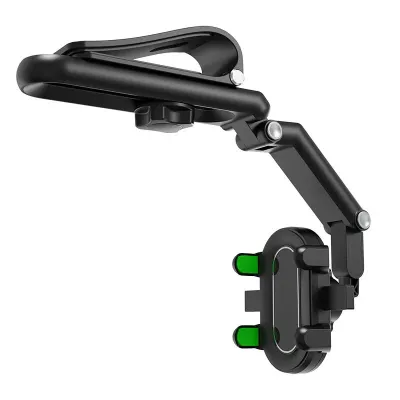
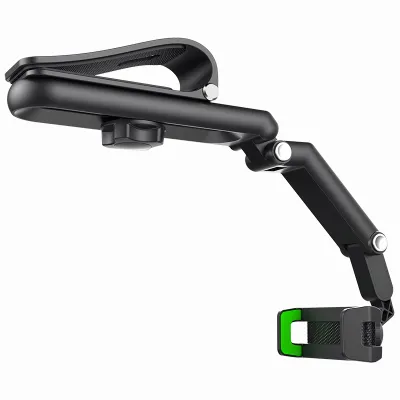
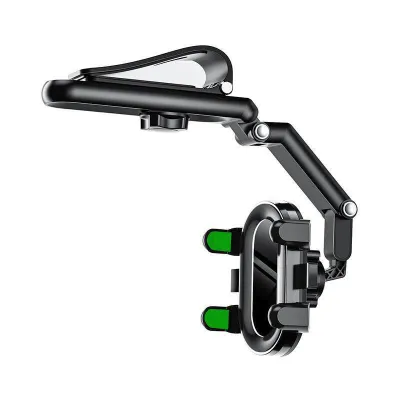
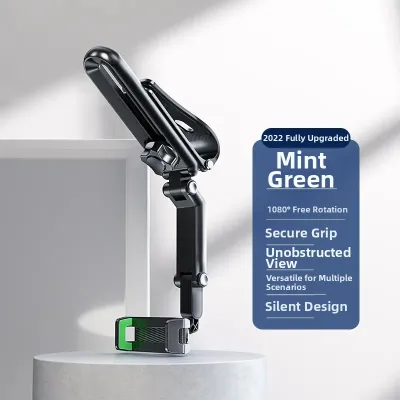
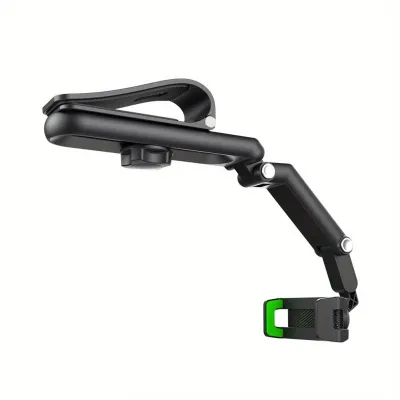
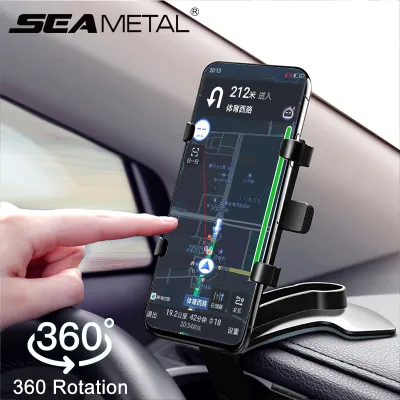
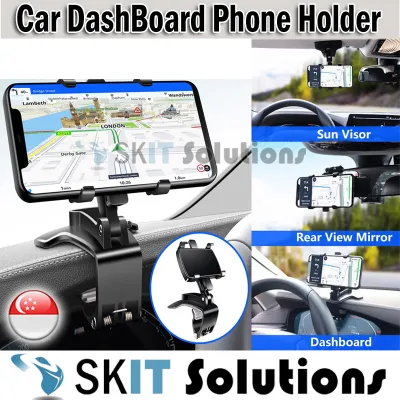
Prices are valid at publication and may change. Please refer to the product page for the latest price.
Additionally, look for built-in obstacles on both sides of the visor. Many modern vehicles feature vanity mirrors, slide-out extensions, integrated illumination lights, or thick airbag warning labels. A clamp placed directly over a vanity mirror cover can crack the glass underneath or prevent the mirror door from opening. If your visor has built-in garage door opener buttons or toll card clips, ensure the mount does not block access to these daily essentials. You must also consider whether the mount prevents the visor from clipping securely back into its ceiling bracket when not in use.
Evaluating Phone Size and Line of Sight Obstruction
A phone mounted on your sun visor sits much higher than a traditional dashboard or vent mount, which significantly alters your forward vision. When the visor is flipped down to hold your phone, the entire assembly blocks a portion of the upper windshield. For taller drivers, this setup can create a substantial blind spot, obscuring overhead traffic lights, road signs, or pedestrian crossings. You must ensure that the mounted phone does not force you to hunch over or stretch your neck to see the road clearly.

The weight of your smartphone is another critical factor to consider. Large-screen devices and heavy rugged cases put continuous downward leverage on the visor’s internal hinge. Over time, or even immediately on bumpy roads, this extra weight can cause a worn visor hinge to droop, pulling the phone down into your direct line of sight. If your vehicle’s visor already feels loose or fails to stay tightly pressed against the headliner, it will not support a mounted phone safely.
Your seating position and height also dictate whether the viewing angle is practical. Because the visor is positioned close to your face, looking up at a high-mounted screen requires you to shift your eyes further away from the road than looking at a dashboard-mounted device. Test this angle by holding your phone near the visor while sitting in your normal driving position to see if the screen remains readable without causing neck strain. If you find yourself constantly adjusting your posture to read the map, a visor mount may not be the safest option for your daily commute.
Analyzing Driving Habits and Operational Safety
Your daily commute conditions should heavily influence your choice of phone mount. If your route involves navigating speed bumps, uneven road surfaces, or frequent stop-and-go traffic, a visor mount is subjected to constant vibrations. These movements can cause the phone to shake, making navigation maps difficult to read and potentially loosening the clamp’s grip over time. A vibrating screen can also lead to eye strain during longer drives.
Operational safety is paramount when interacting with any in-car device. Reaching up to tap a high-mounted phone screen requires a blind reach that can temporarily disrupt your physical balance and steering control. Adjusting a visor mount while driving is significantly more difficult than adjusting a dashboard mount, as the entire visor can swing forward or backward when you apply pressure to the phone. This instability makes one-handed operation highly impractical and potentially dangerous while the vehicle is in motion.
Furthermore, consider how often you need to adjust your visor to block the sun. If you commute during sunrise or sunset, you will likely need to flip the visor down or swing it to the side window. When a phone is mounted to the visor, moving the visor completely changes the angle of the phone screen, often turning it away from your view or upside down. Detaching and repositioning the phone every time the sun shifts can quickly become a frustrating daily chore, especially during a busy morning rush hour.
Comparing Alternative Mounting Positions
If you find that a sun visor mount is not compatible with your vehicle or driving style, several alternative mounting positions offer different balances of stability, visibility, and convenience.
Air vent mounts are highly popular because they keep your phone within easy reach and do not block your view of the road. They clip directly onto the vent slats, keeping the device cool during hot days when the air conditioning is running. However, they can block airflow, and during cooler months, heater vents can cause your phone to overheat if the vent is not closed manually. They also rely on the strength of your vent slats, which can sometimes be fragile.
Dashboard suction cup or adhesive mounts offer excellent stability and allow you to position the phone at a comfortable height. They are highly adjustable, but they expose your phone to direct sunlight through the windshield, which can lead to thermal shutdown on hot afternoons. Additionally, some adhesives can damage soft-touch dashboard materials or leave sticky residues if you decide to remove them later.
CD slot mounts utilize an often-unused feature in older car stereos, providing a very stable, vibration-free hold that sits low and out of your windshield view. Windshield suction mounts offer a high viewing angle similar to visor mounts but are subject to strict local regulations regarding driver visibility. You must ensure any windshield-mounted device does not obstruct your clear view of the road or violate local traffic laws.
Final Pre-Purchase Checklist
Before purchasing a sun visor phone holder from an online marketplace, use this checklist to confirm it will work for your specific setup:
- Measure the Visor: Use a ruler to check your sun visor's thickness and width, then compare these measurements against the maximum opening capacity of the mount's clamp or strap.
- Check Phone and Case Dimensions: Verify that the mount's cradle can accommodate the total width and thickness of your phone, especially if you use a thick protective case or a finger ring accessory.
- Assess the Mounting Mechanism: Choose a mechanical clamp with silicone padding to protect your visor's fabric, or opt for a magnetic system if you prefer quick, one-handed mounting and have a compatible phone case.
- Review Return Policies: Ensure the retailer offers a flexible return or exchange policy so you can test the physical fit in your vehicle without financial risk.
Frequently Asked Questions (FAQ)
Will a sun visor mount trigger my car's airbag sensors?
A sun visor phone holder itself will not directly trigger your vehicle’s airbag deployment sensors, as these are typically located in the bumpers and chassis. However, some modern vehicles have passenger airbag status indicator lights or sensor displays located on or near the overhead console and sun visor area. Adding a bulky mount or routing charging cables near these areas could block your view of these safety indicators. Always consult your vehicle owner’s manual to locate all sensor displays and ensure your mount does not obstruct them.
Can I use a sun visor phone holder with a thick protective case?
Whether a thick case works depends entirely on the type of mounting mechanism. Mechanical clamps have physical depth limits, and heavy-duty, rugged, or wallet-style cases may exceed the maximum thickness the clamp arms can securely grip. If you use a magnetic visor mount, a thick case will significantly reduce the magnetic attraction between the mount and the metal plate inside your case, increasing the risk of your phone falling on bumpy roads. For thick cases, look for mounts specifically rated for deep profiles or use a direct mechanical clamp.
Are sun visor phone holders legal to use while driving?
In Singapore, traffic regulations strictly prohibit hand-held phone use while driving, making a hands-free mount highly advisable. However, any accessory you install must not obstruct your clear view of the road or the surrounding traffic. If a sun visor mount hangs down too low, blocks your side mirrors, or creates a blind spot in your forward field of vision, you could be stopped by traffic police for driving with an obstructed view. Ensure the mount is positioned so that your line of sight remains completely clear.
Community discussion
Share your experience or ask a question. Comments are reviewed before publication.