
Evaluating whether a Naboso car cover is effective for outdoor parking in Singapore requires looking beyond the brand name and analyzing the specific material specifications of the model you own or plan to buy. Singapore’s tropical climate presents a unique combination of intense ultraviolet (UV) radiation, heavy monsoon rains, and high humidity, all of which demand specific protective features from any automotive cover. While a high-quality cover can shield your vehicle from external elements, an unsuitable or poorly maintained cover can trap moisture and cause more harm than good. To make an informed decision, you must verify your cover’s technical specifications, establish a strict usage routine, and compare its practicality against alternative paint protection methods.
Understanding the Impact of Singapore's Tropical Climate on Vehicles
Singapore’s geographical location near the equator results in a climate characterized by uniform temperatures, high humidity, and abundant rainfall year-round. For vehicles parked outdoors, this environment presents a continuous onslaught of destructive elements. The most immediate threat is intense solar radiation. The UV index frequently reaches extreme levels during midday hours, accelerating the degradation of your vehicle’s clear coat. Over time, prolonged exposure to these rays breaks down paint pigments, leading to fading, oxidation, and a dull finish.
In addition to paint damage, solar heat buildup affects the vehicle’s interior and rubber components. Cabin temperatures in a car parked under direct sunlight can easily exceed sixty degrees Celsius. This extreme heat causes dashboard plastics to dry out and crack, leather upholstery to split, and adhesive bonds to fail. Externally, rubber window seals, door gaskets, and wiper blades degrade rapidly under constant heat, losing their elasticity and failing to keep water out during storms.
Products mentioned in this guide
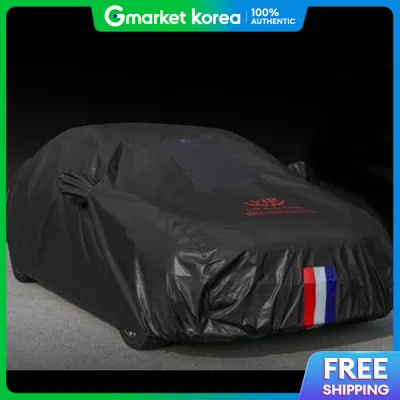

Prices are valid at publication and may change. Please refer to the product page for the latest price.
The wet seasons bring sudden, torrential downpours that subject vehicles to rapid temperature fluctuations. When cold rain hits a hot car body, the sudden contraction can stress the paintwork. Furthermore, rainwater in urban areas often carries acidic pollutants. If this water is allowed to dry on the paint under the hot sun, it leaves behind mineral deposits and water spots that can etch permanently into the clear coat.
High relative humidity, which averages around eighty-four percent in Singapore, compounds these issues. When moisture becomes trapped under a car cover, the lack of airflow creates a humid microclimate. This environment is highly conducive to mold and mildew growth, which can quickly invade the vehicle’s cabin, air conditioning vents, and exterior trim. Additionally, outdoor parking lots often expose cars to organic hazards like tree sap and bird droppings, both of which are highly acidic and can eat through paint layers within hours if not shielded or cleaned promptly.
How to Verify the Protective Specifications of a Naboso Car Cover
To determine if a Naboso car cover is suitable for Singapore’s demanding climate, you must carefully inspect its product documentation, labels, and material specifications. Do not rely solely on generic product descriptions. Start by verifying the cover’s UV protection capabilities. Look for explicit mentions of UPF (Ultraviolet Protection Factor) ratings or specialized UV-reflective coatings. A cover designed for tropical sun should have a reflective outer layer, often silver or light-colored, to bounce solar radiation away from the vehicle and minimize heat transfer.

Waterproofing and breathability are equally critical, yet they often work against each other. A completely impermeable plastic cover will keep rain out but will trap rising ground moisture and condensation underneath. To avoid this, verify if the cover utilizes multi-layer fabric technology with a micro-porous membrane. This design features pores that are small enough to block liquid water droplets from entering but large enough to allow trapped water vapor to escape. Additionally, check for physical ventilation features, such as built-in air vents or mesh flaps, which facilitate continuous air circulation.
The inner lining of the cover must be inspected to protect your vehicle’s paint from physical wear. Look for a soft, non-abrasive backing material, such as brushed cotton, fleece, or high-density microfiber. When wind blows across an open carpark, it causes the cover to shift and rub against the vehicle’s body. If the inner lining is rough or has accumulated dirt, this constant movement acts like fine sandpaper, leaving micro-scratches and swirl marks across your clear coat.
Examine the structural integrity and securing mechanisms of the cover. High-quality covers feature double-stitched, heat-sealed, or taped seams to prevent water from seeping through the stitching during heavy monsoon downpours. The cover must also have a secure fastening system, including heavy-duty elasticized hems, under-body tie-down straps, and windproof buckles. These features ensure the cover remains firmly attached to the vehicle during sudden squalls, preventing it from flapping violently or blowing away entirely.
Finally, verify the exact fit for your vehicle. Always refer to the manufacturer’s sizing guide to match the cover to your car’s specific make, model, year, and body style. An oversized cover will sag, collect water pools, and flap excessively in the wind, while an undersized cover will put undue stress on the seams and fail to provide complete coverage for lower body panels and bumpers.
Best Practices for Using and Maintaining Car Covers in High Humidity
Using a car cover effectively in a humid environment requires a disciplined maintenance routine. The most critical rule is to never apply a cover over a dirty or dusty vehicle. Even a light layer of road dust, grit, or pollen trapped between the paint and the cover will cause abrasive damage as the wind moves the fabric. Always wash or thoroughly dust your vehicle before putting the cover on.
Ensure the vehicle’s surface is completely dry before applying the cover. Covering a wet car, or even one with morning dew, traps moisture directly against the paintwork. When the sun heats the covered vehicle, this trapped water vaporizes but cannot escape, creating a greenhouse effect. This trapped moisture can lead to clear coat blistering, paint cloudiness, and rapid mold growth on rubber seals and interior surfaces.
Allow your vehicle to cool down completely before covering it. Placing a synthetic cover over a hot engine bay or exhaust pipe can trap extreme heat, potentially melting the cover’s inner lining, damaging the fabric, or creating a safety hazard. Wait at least thirty minutes after driving to let the engine and exhaust system cool down to ambient temperatures.
Regularly clean the car cover itself to maintain its protective qualities. Dust, organic debris, bird droppings, and industrial fallout will accumulate on the exterior, while moisture and fine dust can settle on the inside. Wash the cover according to the manufacturer’s care instructions, using only mild, pH-neutral, cover-safe detergents. Avoid harsh household chemicals, bleach, or fabric softeners, as these can strip away waterproof coatings and UV inhibitors.
Always allow the cover to air-dry completely in the sun before folding and storing it in its carry bag. Storing a damp cover will lead to rapid mold and mildew growth, resulting in unpleasant odors and potential damage to the fabric. Additionally, make it a habit to remove the cover at least once a week on a dry, sunny day to inspect your vehicle and allow both the car and the cover to breathe.
Comparing Car Covers with Alternative Paint Protection Methods
While a high-quality car cover provides excellent physical protection against direct sunlight, tree sap, and bird droppings, it may not be the most practical solution for every motorist. Consider the daily physical effort required to use a cover. Deploying, securing, removing, and folding a large cover every time you commute can quickly become tedious, especially during sudden rain showers when you must handle a wet, heavy cover.
For daily commuters, alternative paint protection methods often offer greater convenience. Ceramic coatings provide a semi-permanent, highly hydrophobic layer that bonds with your vehicle’s clear coat. While a ceramic coating does not protect against physical impacts or heavy debris, it significantly reduces the effort required to wash your car, repels water, and prevents environmental contaminants from etching into the paint.
Paint Protection Film (PPF) represents a more robust alternative. PPF is a thick, clear polyurethane film applied directly to the vehicle’s exterior panels. It offers superior protection against stone chips, physical scratches, UV radiation, and chemical stains. Although both PPF and ceramic coatings require a substantial upfront investment—often costing several thousand S$—they eliminate the daily hassle of handling a physical cover and keep your vehicle protected at all times, even while driving.
For those with flexible budgets, renting a sheltered or indoor parking space, such as a lot in a multi-storey carpark, is often the most effective way to shield a vehicle from Singapore’s harsh weather. If you choose to rely solely on regular waxing and professional detailing, you must commit to a frequent maintenance schedule to keep the protective wax layer intact against heavy rains and intense sun.
Frequently Asked Questions (FAQ)
Can a car cover trap moisture and damage paint in high humidity?
Yes, car covers made from non-breathable materials can easily trap ambient humidity and ground moisture underneath. When the tropical sun heats the covered vehicle, this trapped moisture vaporizes but cannot escape, creating a high-temperature, humid chamber. Over time, this can lead to clear coat blistering, paint discoloration, rust on exposed metal components, and mold growth on rubber seals and interior surfaces. To prevent this, always select a cover with breathable fabric layers or integrated ventilation flaps, and avoid covering a wet vehicle.
How often should I wash my car cover in a tropical climate?
In Singapore’s climate, you should wash your car cover every four to six weeks, or immediately after it is exposed to heavy contaminants like tree sap, bird droppings, or industrial soot. Allowing these acidic substances to remain on the fabric can degrade the waterproof coatings and UV inhibitors. Always wash the cover using a mild, pH-neutral detergent recommended by the manufacturer, avoid machine washing unless explicitly permitted, and ensure the cover is completely air-dried before reuse or storage.
Community discussion
Share your experience or ask a question. Comments are reviewed before publication.