
Evaluating the Ion Orchard diffuser for Singapore’s tropical climate requires verifying its material resilience, operating temperature limits, and installation safety. Since cabin temperatures can spike dramatically under direct sunlight, understanding how extreme heat and high humidity affect automotive air fresheners is essential for ensuring reliable fragrance diffusion and preventing device damage or safety hazards. While these diffusers are designed to deliver a luxurious, signature shopping-mall scent to your vehicle, their performance, fragrance longevity, and physical integrity depend heavily on how you manage heat exposure and humidity. By understanding the physical impacts of tropical weather and following strategic installation and maintenance steps, drivers can enjoy a consistent scent profile without risking damage to their car’s interior or the diffuser itself.
How Tropical Heat and Humidity Affect Car Diffusers
When a vehicle is parked under the Singapore sun, solar radiation passes through the glass and is absorbed by the dark surfaces of the dashboard and seats. This greenhouse effect causes cabin temperatures to rise far above the outside air temperature, often exceeding 60°C within an hour. Such extreme thermal conditions directly alter the physical and chemical behavior of any air freshener or diffuser installed inside the vehicle.
High temperatures increase the kinetic energy of the volatile organic compounds that make up the fragrance oil. This accelerated evaporation rate means that the top, middle, and base notes of the scent are released simultaneously and rapidly, leading to an overpowering initial scent throw followed by premature depletion of the refill. A cartridge designed to last several weeks can easily dry out in a fraction of that time under constant solar loading.
Products mentioned in this guide




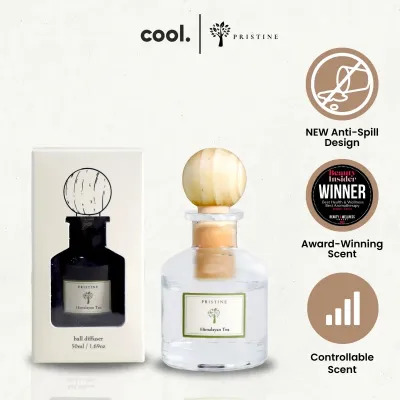
Prices are valid at publication and may change. Please refer to the product page for the latest price.
Beyond fragrance depletion, extreme heat places severe material stress on the diffuser’s physical components. Many consumer-grade diffusers use plastics, rubbers, or adhesives that are not rated for automotive-grade thermal cycles. Under direct sunlight, these materials can warp, melt, become brittle, or release unpleasant chemical odors that clash with the intended fragrance.
Singapore’s high relative humidity introduces additional challenges by promoting moisture accumulation. This moisture can settle on the surfaces of the diffuser, leading to condensation around seals and electronic contacts. For liquid-based diffusers, water vapor can mix with the fragrance oil, causing emulsification, cloudiness, or leakage. For solid or ceramic diffusers, excess moisture can clog the microscopic pores, hindering the release of the scent and encouraging mold growth.
Checking the Ion Orchard Diffuser Specifications for Climate Suitability
Before installing any diffuser, check the product packaging, user manual, or manufacturer’s official documentation for the specified operating temperature range. Many electronic or passive diffusers are rated primarily for indoor residential use and may not be certified for the extreme heat of a closed vehicle parked in the sun. Verifying these limits helps prevent premature device failure and potential safety hazards.

Inspect the housing material of the specific model you are considering. High-quality automotive diffusers often utilize anodized aluminum, zinc alloys, or UV-stabilized polycarbonate to resist warping and degradation under solar exposure. Avoid cheap, thin plastics that are prone to releasing volatile organic compounds (VOCs) or becoming sticky when exposed to high heat.
The fragrance medium itself should also be evaluated for climate suitability. Diffusers come in various formats, including liquid oils, gel pads, impregnated ceramics, or electronic nebulizers. Ceramic and solid-state refills are generally much more stable in high-heat environments because they do not leak or evaporate as violently as liquid-based systems. If using liquid refills, ensure the container is tightly sealed and designed to withstand thermal expansion.
For active electronic or smart diffusers, examine the power connection and battery specifications. Devices that rely on a direct USB connection or 12V socket are generally safer than those with built-in lithium-ion batteries. If the device does contain a battery, ensure it has built-in over-temperature protection and is never left on the dashboard or in direct sunlight, as extreme heat can cause battery swelling, leakage, or thermal runaway.
Safe Placement and Installation in a Hot Cabin
The dashboard is the most hostile environment in a car, receiving direct sunlight and experiencing the highest temperatures. Placing a diffuser here, especially a liquid or electronic one, significantly increases the risk of malfunction, physical damage, or fire. Instead, opt for shaded areas within the cabin that are shielded from direct solar loading.
When mounting a diffuser, ensure it does not obstruct any airbag deployment zones. Vent clips should be secured tightly, and dashboard-mounted units must be placed far away from the steering wheel hub, passenger-side dashboard panels, and side-curtain airbag pillars. Consult your vehicle’s owner manual to identify these zones and ensure the diffuser does not become a dangerous projectile during an accident.
Comparing mounting styles reveals distinct trade-offs in heat exposure and airflow dynamics. Vent clips leverage the car’s air conditioning system to distribute fragrance efficiently while keeping the device relatively cool during operation. However, they are exposed to rapid temperature shifts when the AC is turned on and off. Freestanding options, such as cup holder inserts or under-seat placements, offer excellent shade and temperature stability, though they may require a slightly stronger fragrance setting to reach the driver’s seat.
If your diffuser requires adhesive pads or suction cups for mounting, do not rely on standard double-sided tape. Use high-temperature, automotive-grade acrylic foam tapes that are rated to withstand temperatures up to 80°C or higher. This prevents the diffuser from detaching during a drive, which could cause a distraction, physical damage to the center console, or interference with the foot pedals.
Maintenance and Moisture Management in Humid Conditions
Regular maintenance is essential to combat the effects of Singapore’s high humidity. Moisture accumulation can compromise both the performance of the diffuser and the cleanliness of your car’s interior. Establishing a routine check-up schedule helps identify potential issues before they cause permanent damage.
At least once a week, inspect the area around the diffuser for any signs of condensation, oil seepage, or residue. Liquid fragrance oils can be highly corrosive to automotive plastics, synthetic leather, and wood veneers if left wiped up. If you notice any fluid escape, clean the surface immediately with a mild, material-safe cleaner and relocate the diffuser to a safer position.
Use a dry, lint-free microfiber cloth to wipe down the exterior of the diffuser and its mounting clips. For electronic models that use an ultrasonic plate or nebulizing nozzle, use a cotton swab to clear away any sticky oil residue or mineral buildup that can clog the mechanism. Keeping the diffusion path clear ensures consistent performance and prevents the growth of mold or mildew in the damp environment.
Store spare fragrance cartridges, oils, or gel pads in a cool, dark, and dry environment inside your home rather than keeping them in the glove box or center console. Prolonged exposure to cabin heat and humidity before use can break down the delicate aromatic compounds, altering the scent profile and reducing the overall shelf life of the refills.
Be vigilant for signs of physical or chemical degradation. If you notice that the plastic housing has become sticky, the colors have faded significantly, or the fragrance has taken on a sour, musty, or chemical smell, it is time to discard the unit or the refill cartridge. Continuing to use a compromised diffuser can release unwanted particulates into your cabin air and risk damaging your vehicle’s interior surfaces.
Troubleshooting Climate-Related Diffuser Issues
Many performance drops are temporary and can be resolved with simple adjustments rather than discarding the device. If the fragrance seems to disappear within a few days, it is likely evaporating too quickly due to heat. Try moving the diffuser to a more shaded location, such as a lower console tray or a rear vent, and adjust the vent flow control to reduce direct air exposure.
A sudden drop in scent intensity in humid weather often points to a clogged diffusion membrane, saturated wick, or moisture accumulation on the ultrasonic plate. Turn off the device, remove the refill, and let it dry completely in an air-conditioned room for 24 hours before reinstalling it. This allows excess moisture to evaporate, restoring proper capillary action and fragrance throw.
If an electronic diffuser fails to power on after your car has been parked in the sun, do not repeatedly press the power button or attempt to charge it. The device’s internal thermal sensor may have shut it down to prevent damage. Allow the car’s cabin to cool down completely with the air conditioning running before attempting to operate the device again.
Immediately remove and discard the diffuser if you observe severe physical warping, liquid leaking onto your dashboard, battery swelling, or a burnt electrical odor. These are critical safety hazards that require immediate action to protect your vehicle’s electrical system and interior. Always prioritize safety over cabin fragrance.
Frequently Asked Questions (FAQ)
Can I leave the Ion Orchard diffuser in my parked car under the sun?
Parked cars in Singapore can quickly reach internal temperatures exceeding 60°C under direct sunlight. It is highly recommended to remove any electronic, liquid, or gel-based diffusers from plain sight when parking outdoors for extended periods. Store them in a shaded glove compartment or take them with you to prevent material warping, fluid leaks, or battery degradation.
Does high humidity make the fragrance smell different?
Yes, high humidity increases the concentration of water vapor in the air, which can affect how fragrance molecules disperse and bind to olfactory receptors. This often makes heavy or sweet scents feel more intense and cloying, while lighter notes may struggle to cut through the damp air. Checking the manufacturer’s guidelines can help you select a scent profile designed to remain stable in humid conditions.
Are vent-clip diffusers safer than dashboard mounts in hot weather?
Vent-clip diffusers are generally safer than dashboard mounts because they are positioned away from direct solar loading and benefit from the cooling airflow of the air conditioning. However, the rapid temperature transition from cold AC air to hot ambient air when the car is parked can cause condensation to form on the clip and vent. Regular moisture checks are necessary to prevent mold growth or damage to the vent slats.
Community discussion
Share your experience or ask a question. Comments are reviewed before publication.