
Assessing how well Initial car perfume performs in tropical environments requires looking beyond standard longevity claims. Singapore’s unique climate, characterized by year-round high temperatures and persistent relative humidity, creates a challenging environment for any interior automotive fragrance. When your vehicle is parked in the open, cabin temperatures can rise rapidly, accelerating the evaporation of fragrance oils and potentially shortening the lifespan of your air freshener. Understanding the physical dynamics of scent diffusion in a tropical climate is the first step toward getting the most value out of your purchase.
To make an informed decision, you must evaluate how different product formats interact with heat, where to position them safely to avoid damaging your car’s interior, and how to manage your vehicle’s climate control to sustain a pleasant aroma. This guide provides a comprehensive framework to help you analyze product specifications, protect your dashboard and upholstery from accidental spills, and implement practical strategies to maintain scent performance even during the hottest months of the year.
How Tropical Heat and Humidity Impact Car Air Fresheners
The interior of a car parked under the direct sun in Singapore acts like a greenhouse, trapping solar radiation and causing temperatures to climb significantly higher than the ambient outdoor air. For liquid and gel-based car perfumes, this thermal buildup directly translates to an increased rate of molecular kinetic energy. As the temperature rises, the volatile organic compounds responsible for the fragrance evaporate at an accelerated pace. This means that a product designed to release its scent gradually over a month in a temperate climate may deplete its active ingredients much faster when subjected to daily tropical heat cycles.
Products mentioned in this guide
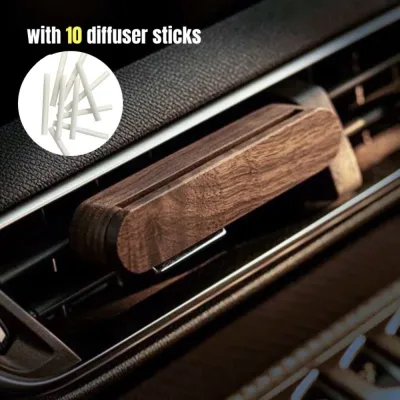
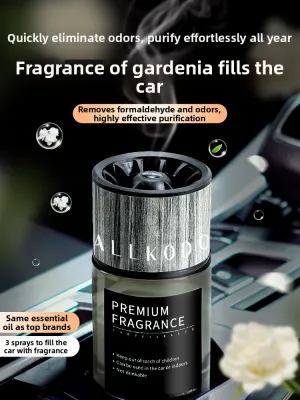
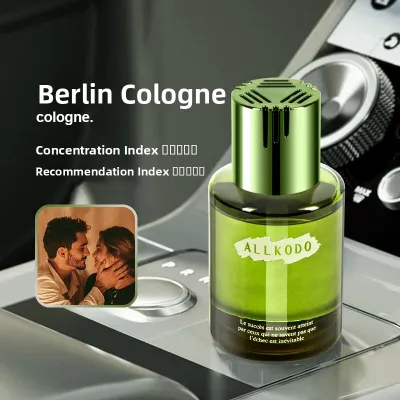
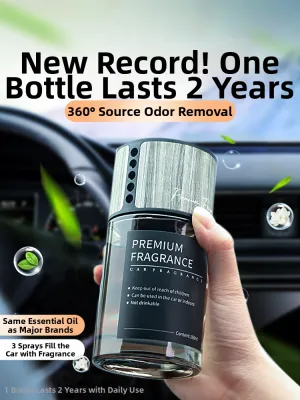

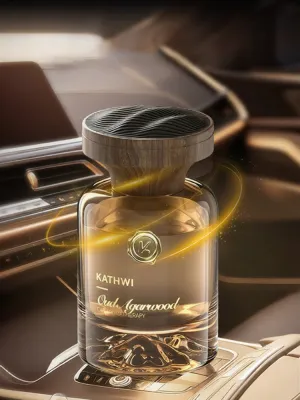
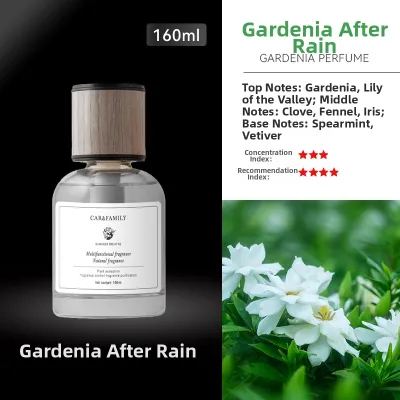

Prices are valid at publication and may change. Please refer to the product page for the latest price.
Beyond simple evaporation, extreme heat and ultraviolet (UV) radiation can cause chemical degradation of the fragrance formula itself. Scent profiles are carefully constructed using a blend of top, middle, and base notes, each with different boiling points and molecular weights. Prolonged exposure to high temperatures can break down these delicate chemical bonds, leading to a premature loss of the lighter, fresher top notes. This degradation can alter the overall character of the perfume, sometimes leaving behind a distorted, overly heavy, or flat aroma that does not represent the product’s original design.
Humidity also plays a subtle yet critical role in how we perceive and experience car fragrances. Singapore’s high ambient humidity means the air inside your cabin is already saturated with water vapor. This moisture-laden air can affect the diffusion rate of the perfume, as the air has less capacity to readily absorb and disperse other volatile molecules. Consequently, the fragrance may feel heavy or cloying on damp days, or it may fail to circulate effectively throughout the cabin, leading to localized pockets of intense scent near the diffuser while the rest of the vehicle remains unaffected.
Checking Initial Car Perfume Specifications for Climate Suitability
When selecting an Initial car perfume variant, it is essential to look closely at the product specifications and packaging details to determine its suitability for a tropical climate. Manufacturers often print temperature thresholds, storage warnings, and estimated shelf lives on the original packaging. While these ratings are typically calculated under standardized laboratory conditions, they provide a valuable baseline. If a product label specifically warns against exposure to temperatures exceeding a certain limit, or advises keeping the unit out of direct sunlight, you should factor these warnings into your placement and usage decisions.

Comparing the physical formats of different Initial car perfume options is another practical way to assess heat resistance. Solid polymer inserts, ceramic diffusers, and thick gel blocks generally offer superior structural stability in hot weather compared to liquid-filled glass or plastic bottles. Solid formats do not experience the same pressure buildup under high heat, making them virtually immune to the risk of boiling or rapid, uncontrolled evaporation. Liquid diffusers, while often delivering a more immediate and customizable scent throw, require a more cautious approach as the liquid can expand within the container, potentially forcing its way past seals or wicks.
You should also learn to identify the early visual signs of climate-induced formula breakdown. Regularly inspect your air freshener for changes such as distinct color fading, cloudiness, or the separation of the liquid into visible layers. In gel-based products, extreme heat can cause the gel to shrink rapidly, crack, or liquefy entirely. If you observe any of these physical changes, or if the plastic housing of the diffuser shows signs of warping or softening, it indicates that the product has been exposed to excessive heat and should be replaced or relocated to a cooler, more shaded part of the cabin.
Safe Placement and Interior Protection in Parked Vehicles
Protecting your vehicle’s interior surfaces is a paramount consideration when installing any car perfume in a hot climate. Fragrance oils are highly concentrated chemical mixtures that can act as potent solvents. If a liquid perfume leaks, drips, or condenses onto dashboard plastics, synthetic trims, or genuine leather upholstery, it can cause immediate and irreversible damage. The heat inside a parked car can soften these interior materials, making them even more vulnerable to chemical etching, bubbling, peeling, or permanent discoloration. Always mount the perfume in a strictly upright position and ensure it does not come into direct contact with any delicate cabin surfaces.
In addition to protecting materials, you must prioritize occupant safety by avoiding hazardous placement zones. Never mount or hang a car perfume on or near the steering wheel hub, the passenger-side dashboard where airbags are housed, or along the pillars containing side-curtain airbags. In the event of an emergency deployment, any object placed in these zones can be launched into the cabin at extreme speeds, posing a severe risk of injury to passengers. Furthermore, avoid placing diffusers directly in front of critical electronic displays, instrument clusters, or climate control sensors, as escaping vapors or accidental leaks could damage sensitive circuitry.
To ensure the air freshener remains stable during daily driving, always follow the manufacturer’s mounting instructions carefully. In Singapore’s humid environment, standard adhesive pads can lose their grip over time as moisture and heat degrade the adhesive backing. If you are using an adhesive-mounted diffuser, periodically check that the bond remains secure, especially before driving on bumpy roads or making sharp turns. For vent-mounted clips, verify that the clip matches the thickness and orientation of your car’s vent slats to prevent the unit from slipping off and distracting you while driving.
Strategies to Extend Scent Longevity in Hot Weather
To maximize the lifespan of your Initial car perfume in Singapore’s challenging climate, you can implement several practical strategies to manage cabin temperatures. Whenever possible, prioritize parking in sheltered multi-storey carparks or basement parking lots rather than open-air spaces. If you must park under the direct sun, always place a high-quality, reflective sunshade across your front windshield to block solar radiation. Applying solar control window films that meet local road legality standards can also significantly reduce the amount of infrared and UV heat entering the vehicle, keeping the interior temperature much lower.
Your vehicle’s climate control habits also play a major role in how efficiently the fragrance is distributed and consumed. If you use a vent-mounted diffuser, you can regulate the scent throw by adjusting the vent’s airflow dial or directing the air away from the perfume unit when the cabin has reached a comfortable temperature. Running your air conditioning in recirculation mode helps dehumidify the cabin air, creating a drier environment that allows the fragrance molecules to disperse more cleanly and evenly. This prevents the scent from becoming overwhelmed by external humidity and reduces the need to run the diffuser at its maximum setting.
Finally, adopt an active maintenance routine rather than relying on a fixed calendar schedule to replace your air freshener. Take a moment every few weeks to inspect the physical condition of the perfume and assess its scent strength. If the fragrance seems to have faded but product remains in the container, try gently rotating or shaking the unit (if the design permits) to redistribute the oils, or temporarily move it to a different location with moderate airflow to reactivate diffusion. By actively managing the product’s exposure to heat and airflow, you can enjoy a consistent, pleasant driving environment without premature depletion.
Frequently Asked Questions (FAQ)
Does Initial car perfume expire faster in a hot car?
Yes, prolonged exposure to high temperatures inside a parked vehicle can accelerate the chemical breakdown of the fragrance formula, effectively shortening its useful lifespan compared to storage in a cool, shaded environment. To determine if your perfume has degraded, perform a quick visual check for distinct color changes, liquid separation, or a cloudy appearance. If the scent has lost its top notes, smells unusually chemical, or if the printed expiration date on the original packaging has passed, it is advisable to replace the unit to ensure a pleasant and safe cabin atmosphere.
Are vent clips or hanging bottles better for humid weather?
Both formats offer distinct advantages depending on your driving habits and vehicle layout, and neither is universally superior. Vent clips rely on active airflow from your car’s air conditioning to distribute the scent, allowing you to control the diffusion rate easily by adjusting the vent dial, which is highly beneficial for managing evaporation in hot weather. Hanging bottles diffuse continuously and do not require the AC to be running, but they carry a higher risk of swinging and spilling concentrated oils onto your dashboard during sudden stops or sharp turns. To make the best choice, evaluate your vehicle’s vent design, your typical parking conditions, and how securely you can mount each format to prevent accidental spills.

Community discussion
Share your experience or ask a question. Comments are reviewed before publication.