
The Reality of Riding Through Singapore's Showers
Operating a motorcycle in Singapore’s tropical climate requires constant adaptation to sudden environmental shifts. On any given day, temperatures hover around 32°C with humidity levels regularly exceeding 80%, only for a sudden, torrential thunderstorm to sweep across the island. This rapid transition between intense, dry heat and heavy monsoon downpours presents a unique challenge for local motorcyclists, particularly when it comes to selecting hand protection.
Your hands are your primary point of control on a motorcycle, managing the throttle, front brake, clutch, and switchgear. To ride safely, you must maintain a firm, slip-free grip. In dry conditions, sweat is the main enemy, making rubber grips slippery and causing skin irritation. In wet conditions, heavy rain reduces visibility and slickens the roads, while cold, waterlogged hands can lead to stiff fingers and slower braking reaction times.
Finding a single pair of riding gloves that can handle both extremes is a common struggle. Highly breathable materials excel at keeping your hands cool and dry from sweat, but they offer no protection against sudden downpours. Conversely, insulated waterproof gloves keep the rain out but can turn into a portable sauna on hot afternoons. Managing these trade-offs is essential for staying safe and comfortable on the road.
Products mentioned in this guide
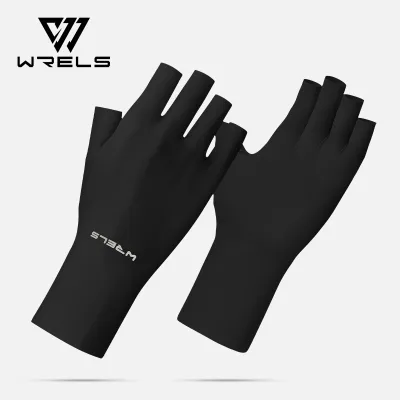
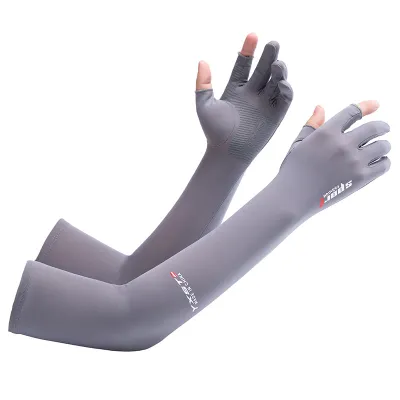
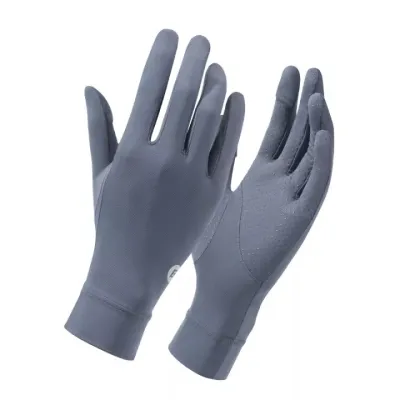
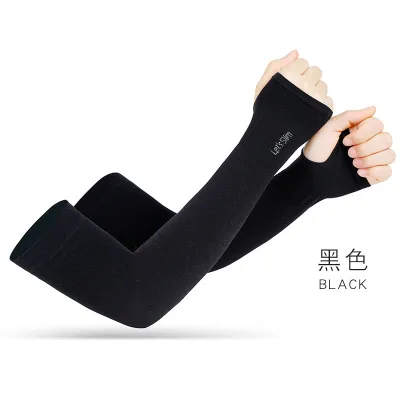
Prices are valid at publication and may change. Please refer to the product page for the latest price.
Why Ice Silk Hand Gloves Struggle in the Rain
Ice silk hand gloves have become popular among local riders looking for relief from the tropical heat. The term “ice silk” refers to a synthetic fiber blend, typically consisting of viscose, polyester, and spandex, engineered to maximize airflow, block harmful UV rays, and provide an instant cooling sensation against the skin. For daily commutes under the blazing afternoon sun along roads like the Pan Island Expressway (PIE), they excel at preventing sweaty palms.

However, the structural properties that make ice silk hand gloves so breathable also make them highly vulnerable to wet weather. The fabric is lightweight, thin, and porous. When exposed to rain, these pores act like a sponge. Instead of repelling water, ice silk absorbs it almost instantly, causing the gloves to become saturated, heavy, and tightly clung to your skin.
This waterlogging leads to immediate safety and comfort risks. The cooling effect of ice silk is driven by rapid moisture evaporation. When a soaked glove is exposed to high-speed wind while riding, this evaporative cooling goes into overdrive, causing your hands to rapidly lose heat. This leaves your fingers feeling cold, clammy, and stiff, which can dangerously delay your response times when you need to apply the brakes quickly on wet asphalt.
Furthermore, wet ice silk significantly reduces your tactile grip. The saturated fabric can slide against the rubber of your handlebar grips or the metal of your brake and clutch levers. This lack of friction makes it difficult to maintain steady throttle control or execute smooth, progressive braking. While ice silk hand gloves are an excellent choice for dry, hot weather, they are entirely unsuitable as primary gear for wet-weather riding.
The Hidden Drawbacks of Waterproof Gloves in the Tropics
To counter wet weather, many riders turn to dedicated waterproof riding gloves. These gloves typically feature an internal waterproof membrane, such as polyurethane, TPU, or advanced laminated liners. These membranes are designed with microscopic pores that are small enough to block external water droplets from entering, yet large enough to allow smaller water vapor molecules to escape.
While this technology works well in cooler, temperate climates, it often struggles under Singapore’s high ambient humidity. When the air outside is already saturated with moisture, the pressure differential required for water vapor to pass through the membrane is severely reduced. As you ride, your hands naturally sweat inside the glove, and because this sweat cannot efficiently evaporate through the membrane, it remains trapped.
This phenomenon is commonly referred to as the “sauna effect.” Within a short period, your hands end up just as wet from your own perspiration as they would have been from the rain. This internal dampness is uncomfortable and can cause your hands to slip inside the glove liner, reducing your control over the motorcycle’s inputs.
Additionally, waterproof gloves carry distinct physical trade-offs. To accommodate the waterproof membrane and protective outer layers, they are naturally bulkier than lightweight mesh or ice silk options. This extra bulk dampens tactile feedback, making it harder to feel the subtle vibrations of your bike or the precise bite point of your clutch. Furthermore, if water does manage to enter the glove—usually by running down your jacket sleeves and dripping into the wrist cuff—the waterproof membrane will trap the water inside, taking several days to dry completely in high humidity.
Decision Guide: Which Glove Strategy Fits Your Ride?
Choosing the right glove setup depends largely on your daily riding patterns, commute distance, and tolerance for discomfort. Matching your gear to your specific scenario can significantly improve your riding experience.
For riders who primarily handle short, flexible city commutes—such as a quick 15-minute trip from Toa Payoh to Orchard—prioritizing daily comfort is usually the best approach. On these short routes, wearing bulky waterproof gloves in the heat can be highly frustrating. Instead, stick to highly breathable options like ice silk hand gloves for your daily dry rides. To handle sudden downpours, keep a compact, inexpensive pair of waterproof over-gloves or lightweight rain covers stored in your under-seat compartment or top box. If it starts to rain, you can quickly pull these covers over your ice silk gloves to keep the water out until you reach your destination.
For riders facing long, uninterrupted highway commutes—such as traveling daily from Jurong West to Changi via the East Coast Parkway (ECP) or PIE—the stakes are much higher. At highway speeds of 80 to 90 km/h, the wind chill on wet hands is intense, and the risk of losing control due to numb fingers is a serious safety hazard. For these journeys, investing in a high-quality, well-ventilated waterproof riding glove is highly recommended. Look for models that feature lightweight synthetic outer shells combined with a breathable waterproof membrane to minimize the sauna effect while providing robust impact protection.
For the majority of Singaporean motorcyclists, the most practical solution is a dedicated two-glove strategy. Rather than searching for a single glove that compromises on both heat and rain performance, maintain two separate pairs. Keep a pair of breathable ice silk or mesh gloves on your hands for the sunny, hot portions of your ride. In your bike’s storage compartment, keep a dedicated pair of wet-weather gloves sealed in a waterproof bag, ready to be swapped out as soon as the dark clouds roll in.
When shopping for any riding gloves, always verify the manufacturer’s specifications. Check the care labels for proper cleaning instructions and look for clear details regarding seam-sealing and waterproofing standards. Ensure that any glove you choose offers adequate safety features, such as reinforced palms and knuckle protection, to safeguard your hands in the event of a fall.
Practical Backup Plans for Sudden Downpours
Even with the best planning, every rider eventually gets caught in an unexpected downpour before they can swap their gear. Having a reliable backup plan can prevent a minor inconvenience from turning into a safety hazard.
One of the most effective tools to keep in your riding kit is a pair of waterproof over-gloves. These are simple, unpadded, water-resistant covers designed to slip directly over your standard riding gloves. Because they lack internal armor, they fold down into an incredibly compact package that fits easily into a pocket or under-seat tray. When choosing over-gloves, it is vital to check the fit. They must be large enough to slide over your primary gloves without restricting your finger movement, yet snug enough that the excess fabric does not bunch up or slip off your fingers when you grip the brake and clutch levers. Test the grip on a dry, stationary bike first before riding in traffic.
Another sensible precaution is keeping a dedicated “under-seat spare.” This is a basic, inexpensive pair of synthetic or treated water-resistant gloves kept permanently on your bike. By sealing them in a heavy-duty plastic ziplock bag, you protect them from the ambient humidity and heat of the engine bay. If your primary ice silk hand gloves get soaked, you can pull over in a safe location, dry your hands, and switch to the dry spare to complete your journey safely.
In absolute emergencies, some riders resort to using plastic bags from convenience stores as temporary hand covers. While this can keep your hands dry, it introduces a severe safety risk. Plastic bags have almost zero friction against rubber handlebar grips and metal levers. Your hands can easily slip off the controls, especially when wet, leading to a loss of steering or braking ability. If you must use plastic bags as a last resort, use them only to ride at very low speeds to the nearest safe shelter, such as a petrol station or a sheltered HDB deck, and avoid continued riding on major roads or highways.
How to Dry and Maintain Gloves in High Humidity
Proper maintenance is crucial for extending the lifespan of your riding gear, especially in Singapore’s damp, humid environment. If your gloves get soaked during a rainy commute, taking the time to dry them correctly will prevent mold, unpleasant odors, and material degradation.
To dry wet gloves, start by gently squeezing out excess water. Never wring, twist, or stretch the gloves, as this can tear the stitching, warp the protective armor inserts, or damage the delicate internal waterproof membrane. Once the excess water is removed, stuff the fingers of the gloves with dry paper towels or clean, crumpled newspaper. This helps absorb internal moisture and maintains the shape of the glove as it dries. Replace the paper towels every few hours if the gloves are heavily saturated.
Place the gloves in a well-ventilated indoor area with indirect, consistent airflow. Positioning them near an open window, under a ceiling fan, or in front of a household fan will speed up the drying process safely.
Avoid the temptation to speed up drying using high-heat sources. Never use a hair dryer on a high-heat setting, place the gloves in a clothes dryer, or leave them in direct, harsh tropical sunlight. Extreme heat can melt synthetic fibers, degrade elastic bands, warp thermoplastic polyurethane (TPU) knuckle protectors, and dry out or crack any leather reinforcements.
To combat the persistent ambient humidity, store your dry gloves in a cool, dry place. Placing a few moisture-absorbing silica gel packets or a small charcoal dehumidifier bag inside your glove storage compartment or helmet bag will help absorb residual moisture, preventing the growth of mold and mildew between rides.
Frequently Asked Questions (FAQ)
Can I apply waterproofing spray to my ice silk hand gloves?
Applying aftermarket waterproofing sprays to ice silk hand gloves is generally not recommended. These sprays work by coating the fabric fibers with a water-repellent barrier, which clogs the microscopic pores that allow air to flow. Doing this will completely destroy the breathability and cooling properties that make ice silk desirable in the first place. Furthermore, because ice silk is a highly flexible, thin material, these sprays will still fail to provide reliable protection against heavy monsoon rain, leaving you with a glove that is neither breathable nor waterproof.
Are leather riding gloves a better alternative for wet weather?
Standard leather riding gloves are highly vulnerable to wet weather and are generally not practical for daily rainy commutes in Singapore. Natural leather is highly porous; it absorbs water quickly, becomes heavy, and can take several days to dry completely in high humidity. If leather gloves are dried improperly, the material can shrink, become stiff and brittle, and quickly develop mold or rot. Unless the gloves are made from specifically treated, water-resistant leather or are combined with a laminated waterproof membrane—and meticulously maintained with leather conditioners according to the manufacturer’s instructions—synthetic textile alternatives are much easier to manage in wet tropical conditions.
Community discussion
Share your experience or ask a question. Comments are reviewed before publication.