
Wearing a helmet head scarf is one of the most effective ways to manage sweat, maintain hygiene, and improve overall comfort during long rides. However, achieving a secure fit requires more than simply pulling the fabric over your head and forcing your helmet on. If positioned incorrectly, the scarf can bunch up, create painful pressure points, or slide down and obstruct your vision.
To ensure your headwear works in harmony with your helmet, you must select the right materials, follow a systematic putting-on technique, and perform essential safety checks before hitting the road. By taking a few deliberate steps, you can enjoy a cooler, more comfortable ride without compromising the protective capabilities of your helmet.
Checking Compatibility Between Your Head Scarf and Helmet
Before wearing a head scarf under your helmet, you must verify that the added layer does not compromise the helmet’s safety certification or intended fit. Helmets are engineered to fit snugly against your skull to manage impact forces effectively. If a head scarf is too thick, it can prevent the helmet’s energy-expanding polystyrene (EPS) liner from sitting at the correct depth on your head. This can cause the helmet to sit too high, leaving your forehead or the base of your skull exposed to impact.
Products mentioned in this guide
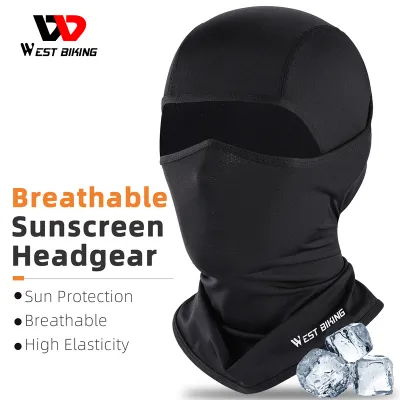
158 Lazada user ratings
Received complete product quality is reasonable for the price. good service of the shop. The product is well packed, not damaged, the fabric…Read full reviewShow less
Received complete product quality is reasonable for the price. good service of the shop. The product is well packed, not damaged, the fabric is slippery, cool, not uncomfortable to wear.
Maganda ang pagkakatahi, pantay lahat at malambot siya. Looks orginal and feel like orginal thank you so much west biking looking forward to…Read full reviewShow less
Maganda ang pagkakatahi, pantay lahat at malambot siya. Looks orginal and feel like orginal thank you so much west biking looking forward to order more soon 🙂👍🏻👍🏻
The condition is according to the product. on the cover, the fabric is ok. i have not tested the endurance of the hat. overall condition is …Read full reviewShow less
The condition is according to the product. on the cover, the fabric is ok. i have not tested the endurance of the hat. overall condition is OK.
Took 8 days to deliver from overseas. Considered fast, the fabric is not thick, comfortable to wear. The fabric should be polyester.
Beautiful stomach suitable for the price is not too expensive. try it first. if you like it, I will order more.
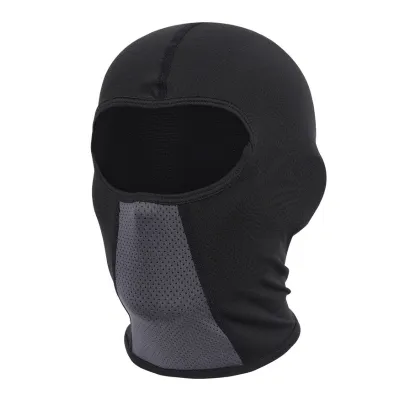
4 Lazada user ratings
super fast delivery (2 days), managed to get it in time for my kid's school camp
Fast delivery, good quality
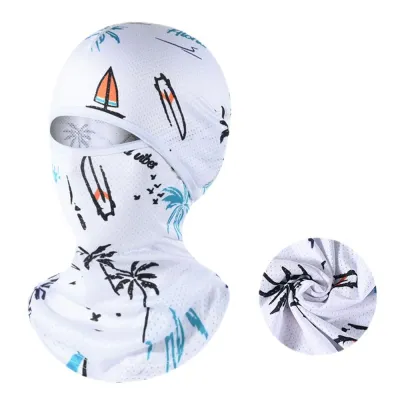
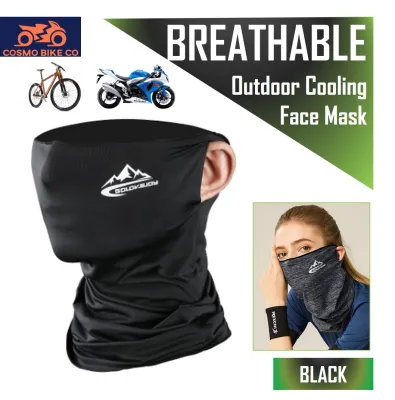
34 Lazada user ratings
good product.,I can suggest to everyone can buy this.. thanks you very much
Fast delivery and well received . Good quality and yet to try it !
Quality: cooling . Appearance: looks good Performance: great
fabric is soft and smooth. fast shipping by seller
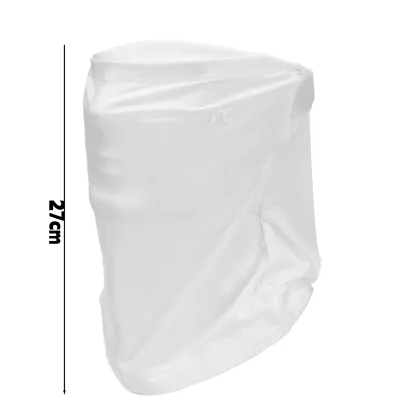
51 Lazada user ratings
Material is soft, easy to wash, good for protection against the sun
thank you and like it so much
Ear-hanging for secure fit,
Prices are valid at publication and may change. Please refer to the product page for the latest price.
Evaluating fabric thickness and breathability is especially critical when riding in hot, humid tropical climates. Heavy cotton or thick fleece fabrics trap heat and sweat, leading to rapid discomfort and cognitive fatigue. Instead, look for ultra-thin, technical synthetic blends such as polyester, nylon, or spandex. These materials are designed to wick moisture away from your skin and allow air to flow freely through the helmet’s ventilation channels.
Additionally, inspect the construction of the scarf for potential pressure points. Thick seams, tags, or bulky stitching might feel harmless when you try the scarf on by itself, but under the firm, continuous pressure of a snug helmet liner, they can quickly cause localized pain. Opt for head scarves featuring flatlock seams or seamless construction to ensure there are no raised edges that can press into your scalp during extended rides.
Step-by-Step Guide to Wearing the Head Scarf
To ensure full coverage and prevent the fabric from bunching up under your helmet, follow a structured approach when putting on your head scarf. Start by preparing your hair; if you have long hair, tie it back securely in a low ponytail or bun that sits below the helmet’s rear rim. Ensure your face and forehead are dry, as moisture can cause the fabric to stick and twist during positioning.

Next, hold the head scarf with both hands and stretch the fabric evenly. If you are using a full-face balaclava style, align the eye port first, ensuring it sits comfortably around your eyes without restricting your peripheral vision. For a skull cap or tube-style scarf, position the front edge just above your eyebrows, ensuring it covers your forehead flatly without any folded edges.
Pull the fabric down over your ears, ensuring it lies completely flat. Avoid letting the scarf fold your ears forward or pin them uncomfortably against your head, as this will cause severe pain within minutes of riding. Extend the lower section of the scarf down your neck, smoothing out any wrinkles or folds along the sides and back of your head.
Once the scarf is in place, run your fingers along the edges to align the flat seams away from high-pressure zones on your skull, such as the temples and the crown of your head. Finally, tuck any excess material securely into your jacket collar or shirt neck. This prevents the wind from catching the loose fabric and pulling the scarf out of position while you are riding at higher speeds.
Securing the Helmet Over the Scarf Without Pressure Points
Putting on your helmet while wearing a head scarf requires a specific technique to avoid disrupting the alignment of the fabric. Do not push the helmet straight down from the top of your head, as this downward force will drag the scarf over your eyes and bunch the fabric at the crown. Instead, hold the helmet by the chin straps, pulling them slightly outward to expand the opening as much as possible.
Angle the helmet slightly forward and slide it onto your head from front to back. This motion keeps the front edge of the scarf flat against your forehead and prevents the fabric from rolling backward. Once the helmet is fully on, gently rock it slightly from side to side and front to back to allow the interior comfort padding to settle naturally against the scarf.
Next, fasten the chin strap securely. Verify that the strap is snug against your throat—allowing only one or two fingers of space—without pinching any folded scarf fabric underneath the buckle. Ensure your jaw can move freely for communication and breathing, and check that the strap is resting directly on your skin or flatly over the neck extension of the scarf without twisting.
Perform a physical check to ensure the helmet and scarf are moving together as a single unit. Place your hands on the sides of the helmet and gently try to rotate it. Your scalp and the scarf should move slightly with the helmet; if the helmet slides easily over the fabric of the scarf, the material is too slippery, or your helmet is too loose, both of which present safety risks during a ride.
Troubleshooting Slipping, Tightness, and Visibility Issues
If you experience discomfort or safety hazards after putting on your helmet, you must diagnose and resolve the issue before starting your journey. A common problem is restricted peripheral vision, which occurs when the fabric around the eye port shifts during helmet installation. If your view is partially blocked, do not attempt to adjust it while riding. Pull over safely, remove the helmet, and reposition the scarf, ensuring you use the front-to-back sliding technique when putting the helmet back on.
Forehead pressure points are another frequent complaint, often felt as a sharp, localized ache after a short period of riding. This is usually caused by a bunched front edge or a folded seam. To resolve this, pull the helmet off and check the front edge of the scarf. If the fabric is flat and the pressure persists, the combination of your helmet and the scarf may simply be too tight, indicating you need to switch to a thinner, seamless head scarf.
Excessive heat buildup can also occur if the scarf blocks the airflow from your helmet’s ventilation system. First, verify that all of your helmet’s intake and exhaust vents are fully open and free of debris. If the ventilation is clear but your head still feels excessively hot, your scarf fabric may lack sufficient moisture-wicking properties. Switching to a high-performance, lightweight technical fabric designed specifically for motorcycle use will help draw sweat away and facilitate evaporative cooling.
Cleaning and Maintaining Your Head Scarf
To preserve the elasticity, hygiene, and performance of your head scarf, you must establish a regular cleaning routine. Always refer to the manufacturer’s care label for specific instructions. Generally, technical synthetic fabrics should be hand washed or machine washed on a gentle cycle using cold water and a mild detergent. Avoid using fabric softeners, as they leave a chemical residue that clogs the moisture-wicking pores of the fabric, reducing its breathability.
Always air-dry your head scarf rather than putting it in a tumble dryer. High heat from dryers can rapidly degrade the elastic fibers, such as spandex or elastane, causing the scarf to lose its shape, stretch out, and become loose. Hang the scarf in a well-ventilated area out of direct, intense sunlight to prevent UV degradation of the synthetic fibers.
Regularly inspect your headwear for signs of wear and tear that could affect its fit and safety. Look for stretched-out seams, loose threads, or a noticeable loss of elasticity. If the scarf no longer hugs your head snugly before you put on your helmet, or if the fabric has thinned out significantly in high-friction areas, it is time to replace it to ensure continued comfort and protection.
Frequently Asked Questions (FAQ)
Can I wear a regular cotton bandana instead of a purpose-built head scarf?
While a regular cotton bandana is a common alternative, it is not recommended for use under a motorcycle helmet. Cotton is highly absorbent but retains moisture instead of wicking it away, meaning it will quickly become wet, heavy, and hot in warm riding conditions. Furthermore, bandanas require folding and tying, which creates thick knots and uneven layers of fabric. Under the tight fit of a motorcycle helmet, these knots and folds create severe, painful pressure points against your skull and can compromise the uniform fit of your helmet’s safety liner.
How often should I wash my helmet head scarf?
You should wash your helmet head scarf regularly, depending on your riding frequency and sweat exposure. In hot and humid climates, it is best to wash the scarf after every long ride or after every two to three daily commutes. Sweat, facial oils, hair products, and dead skin cells accumulate rapidly on the fabric. If left unwashed, this buildup leads to bacterial growth, unpleasant odors, and skin breakouts, and it can eventually transfer to and degrade the delicate comfort liner of your helmet.
Community discussion
Share your experience or ask a question. Comments are reviewed before publication.